Introduction
Power interruptions can bring business operations to a standstill, whether you run a workshop, retail store, farm, office or small manufacturing facility. Businesses planning backup power solutions should monitor Eskom load shedding schedules and electricity supply updates to better understand electricity reliability challenges and determine their backup power requirements.
Choosing the right 17kVA generator is about far more than buying a machine with enough power. It involves understanding your electrical load, planning for future growth, considering installation requirements and selecting a generator that will provide dependable performance for years to come.
This guide covers all the things that businesses in South Africa need to know before they decide to buy a backup power system. It helps you make the choice and stay away, from costly errors.
Why a 17kVA Generator Is a Popular Choice for South African Businesses
South African businesses continue to face challenges caused by load shedding, ageing electrical infrastructure and unexpected network failures. Even short interruptions can result in lost production, interrupted customer service and damaged equipment.
A 17kVA generator is an option for many businesses. It is stronger than the generators people use at home. It is still small enough to fit in many commercial places. For businesses a 17kVA generator is just right because it is not too expensive to buy it uses fuel efficiently and it gives them the power they need.
Smaller businesses with lower electrical demands may not require the additional capacity of a 17kVA unit. In these cases, a 10kVA diesel generator can provide a more cost-effective backup power solution for essential loads such as lighting, computers, security systems and small office equipment.
Typical applications include:
- Small offices
- Retail shops
- Medical consulting rooms
- Workshops
- Agricultural operations
- Restaurants and cafés
- Small warehouses
- Security estates
- Educational facilities
- Telecommunications equipment
Instead of simply restoring the lights, a properly sized generator keeps critical equipment operating so your business can continue trading during power outages.
What Can a 17kVA Generator Power?
One of the first questions customers ask is whether a 17kVA generator will comfortably handle their electrical requirements.
The answer depends on the kind of devices being used the starting power needed by electric motors.
As a general guide, a 17kVA diesel generator can typically supply power for combinations such as:
| Business Type | Typical Equipment |
|---|---|
| Office | Computers, servers, printers, networking equipment, lighting, air conditioning |
| Retail Store | POS systems, lighting, refrigeration, security systems, computers |
| Workshop | Smaller machinery, compressors, power tools, lighting |
| Farm | Water pumps, electric fencing, lighting, small irrigation systems |
| Restaurant | Refrigeration, freezers, lighting, tills, extraction fans and selected kitchen equipment |
| Medical Practice | Computers, lighting, refrigeration, diagnostic equipment and security systems |
Every installation is different. Two businesses with similar electricity bills can have completely different generator requirements because motor-driven equipment demands a higher starting load.
Businesses operating larger machinery, multiple motors or heavier commercial equipment may require additional capacity beyond a 17kVA unit. In these cases, a 33kVA commercial diesel generator may provide the extra power reserve needed for demanding applications while maintaining reliable performance.
If you’re unsure how to calculate your total electrical load or account for motor starting currents, our how to size a diesel generator correctly guide explains the process step by step and will help you choose the right generator capacity for your business.
For this reason, experienced suppliers always calculate the maximum running load and the highest starting load before recommending a generator.
Understanding kVA vs kW
Many buyers assume a larger kVA number automatically means more usable power. In reality, understanding the relationship between kVA and kW helps prevent costly mistakes.
- kVA measures apparent power.
- kW measures real usable power.
Most commercial diesel generators operate at a power factor of 0.8.
For a typical diesel generator:
17kVA × 0.8 = approximately 13.6kW
That means your equipment must remain within the generator’s usable output while also allowing enough capacity for motors to start safely.
Running continuously near maximum capacity is not recommended because it reduces efficiency and may shorten engine life.
Is a 17kVA Generator the Right Size for Your Business?
Choosing generator size should never be based solely on your monthly electricity bill.
Instead, assess:
Your total running load
Calculate the combined power consumption of all equipment that will operate simultaneously during an outage.
Consider:
- Lighting
- Air conditioning
- Refrigeration
- IT equipment
- Production machinery
- Pumps
- Security systems
- Communication equipment
Starting current
Electric motors often require two to three times their normal operating current during startup.
Equipment such as:
- Air compressors
- Water pumps
- Cold room compressors
- Large air conditioners
- Industrial fans
can briefly exceed the generator’s available capacity if not properly accounted for.
This is one of the main reasons undersized generators trip unexpectedly.
Future expansion
One mistake many businesses make is sizing a generator only for today’s requirements.
If your business is expecting future growth, additional machinery or increased electrical demand, a 22kVA diesel generator may provide the extra capacity needed to support expansion without replacing your backup power system later.
Ask yourself:
- Will you add more staff?
- Are you planning additional machinery?
- Will more refrigeration be installed?
- Could production increase over the next five years?
Allowing reasonable spare capacity today is often more economical than replacing the entire generator later.
Diesel vs Petrol – Why Most Businesses Choose Diesel
Although petrol generators are widely available, diesel remains the preferred choice for commercial backup power.
| Diesel Generator | Petrol Generator |
|---|---|
| Better fuel economy | Higher fuel consumption |
| Longer engine life | Shorter lifespan |
| Designed for heavy-duty operation | Better suited to occasional domestic use |
| Lower maintenance over long operating hours | More frequent servicing |
| Better torque for commercial applications | Lower torque output |
For businesses expecting regular power interruptions, diesel generators generally deliver lower operating costs over their lifetime despite a higher initial purchase price.
If you’re still weighing up the advantages of each fuel type, read our diesel vs petrol generator guide for a detailed comparison of running costs, fuel efficiency, maintenance requirements, lifespan and the best applications for each option in South Africa.
Single-Phase or Three-Phase?
Another important decision is selecting the correct electrical configuration.
A single-phase generator is suitable for premises that operate standard household-type electrical circuits.
A three-phase generator is designed for businesses using heavier equipment such as:
- Industrial machinery
- Commercial refrigeration
- Large pumps
- Manufacturing equipment
- Commercial air-conditioning systems
- Agricultural processing equipment
Many South African businesses requiring a 17kVA generator will benefit from a three-phase unit because it provides more balanced power distribution for mixed commercial loads.
However, installing a three-phase generator where only single-phase equipment exists provides no real advantage.
Always confirm your incoming electrical supply before purchasing.
If you’re still unsure which electrical configuration is right for your premises, our single-phase vs three-phase generator guide explains the differences, advantages and typical applications to help you make the right choice.
Features Worth Looking for in a Quality 17kVA Generator
Not all generators offering the same power output deliver the same reliability. The quality of the engine, alternator, controller and overall build can make a significant difference over the life of the machine.
When comparing models, look for:
Reliable diesel engine
Well-known engine manufacturers generally offer better parts availability, proven durability and easier servicing throughout South Africa.
High-quality alternator
A quality alternator provides stable voltage and frequency, helping to protect sensitive equipment such as computers, security systems and electronic controls.
Digital control panel
Modern controllers make it easier to monitor:
- Voltage
- Frequency
- Engine hours
- Oil pressure
- Coolant temperature
- Battery charging
- Fault alarms
They also simplify maintenance by providing clear service reminders and diagnostic information.
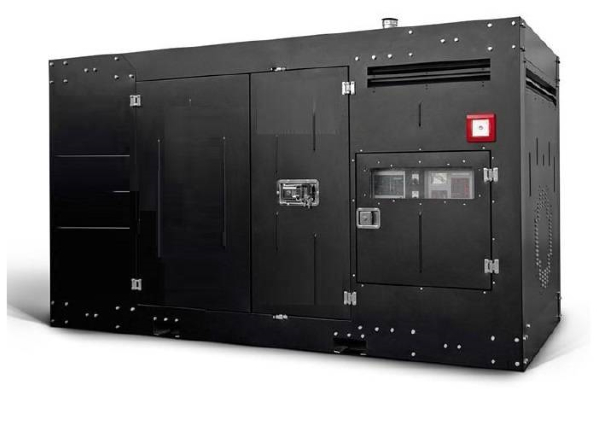
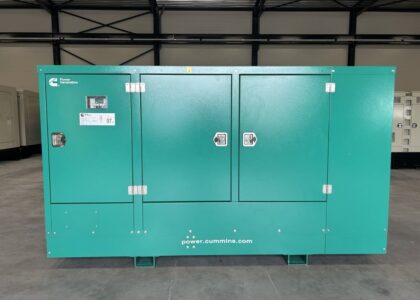
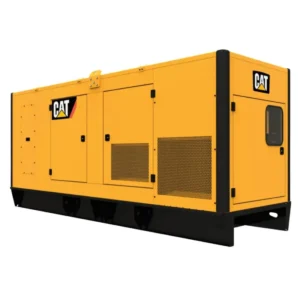
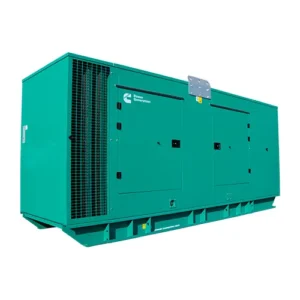
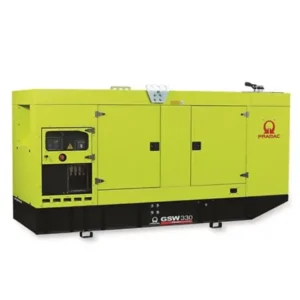
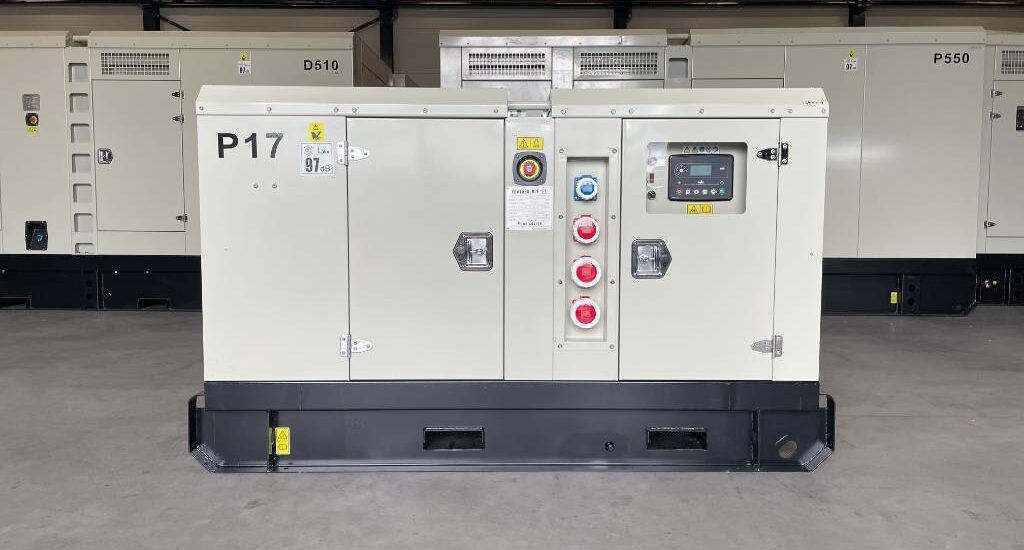
Sound-attenuated canopy
A sound attenuated canopy is really important for places like offices and stores and homes. Noise is a problem for these places. That is why a soundproof canopy is an idea. It helps to reduce the noise that a generator makes. It also keeps the generator safe, from weather and people who might try to hurt it.
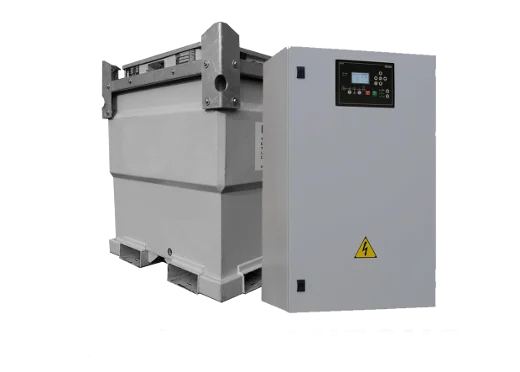
Automatic Transfer Switch (ATS)
An Automatic Transfer Switch detects a power failure, starts the generator automatically and safely transfers the electrical load without manual intervention.
For businesses that need to keep working all the time an Automatic Transfer Switch is a good thing to have. It is one of the things you can add to a backup power system. An Automatic Transfer Switch helps businesses keep running when the power goes out.
If you’re planning a fully automatic backup power system, our automatic transfer switch installation guide explains how ATS units work, where they should be installed and why professional installation is essential for safe and reliable operation.
Installation Requirements for a 17kVA Generator
Choosing the 17kVA generator is just the beginning. You also need to have it installed by a professional. This is very important to make sure the 17kVA generator works safely and correctly. It must also meet the rules in South Africa. Work well every time the power goes out.
The installation should begin with a site assessment to determine the best location for the generator. Factors such as ventilation, accessibility for servicing, exhaust routing, fuel storage and noise levels all need careful consideration.
For outdoor installations, the generator should be positioned on a solid concrete foundation that can support its weight while minimising vibration. Adequate clearance around the unit is equally important, allowing technicians to carry out routine maintenance without obstruction.
Electrical integration must be completed by qualified professionals using correctly rated cabling, circuit protection and switching equipment. Incorrect installations can damage both the generator and the building’s electrical system, while also creating serious safety risks.
Generator installations should follow applicable South African electrical installation standards and be completed by qualified professionals to ensure safety, compliance and reliable operation.
Businesses planning an automatic standby system should also ensure the installation includes a properly sized Automatic Transfer Switch (ATS) and appropriate protection devices.
South African electrical installations should comply with the relevant standards and be carried out by competent installers.
Before installing any standby power system, review our generator installation requirements in South Africa guide to understand site preparation, electrical considerations, compliance requirements and best installation practices.
Fuel Consumption and Running Costs
Running costs are often overlooked when businesses compare generators. While the purchase price is important, fuel efficiency has a much greater impact over the life of the machine.
A typical 17kVA generator operating at around 75% load will consume significantly less fuel than a larger generator running well below its optimum capacity.
Fuel consumption varies depending on:
- Load percentage
- Engine efficiency
- Operating conditions
- Maintenance
- Ambient temperature
Operating a correctly sized generator generally results in lower fuel costs than running an oversized unit unnecessarily.
Businesses should also consider:
- Scheduled servicing
- Replacement filters
- Engine oil
- Coolant
- Battery replacement
- Long-term spare parts availability
Although diesel generators require routine maintenance, they are widely recognised for their durability and lower lifetime operating costs in commercial applications.
Choosing a Reliable Generator Brand
A generator is a long-term investment, so the manufacturer’s reputation matters just as much as the specifications.
Look for brands that offer:
- Proven engine reliability
- Readily available spare parts
- Nationwide service support
- Strong warranty coverage
- High-quality alternators
- Modern digital controllers
- Established dealer networks in South Africa
If you choose a company that’s well known and has a good reputation you will not have to stop using your generator for as long when it breaks. This is because you can get the parts you need and someone to fix it easily.
Do not just think about how much the generator costs to buy. Think about how much it will cost to own it for the ten to fifteen years. A reliable generator brand, like this will save you money in the run. Choosing a reliable generator brand is very important.
If you are comparing different backup power options, explore our range of diesel generators for sale in South Africa to find reliable solutions suitable for residential, commercial and industrial applications.
Should You Buy New or Used?
Some businesses consider buying a used generator to reduce upfront costs.
While this can work in certain situations, it also carries additional risks.
Before purchasing a used 17kVA generator, check:
- Total operating hours
- Complete service history
- Engine condition
- Alternator output
- Controller functionality
- Signs of corrosion
- Fuel system condition
- Cooling system
- Load test results
Without a check a generator that seems cheap might need big repairs just after it is put in place.
For companies that need their operations to keep running all the time a new generator that has a warranty, from the manufacturer usually gives value over time.
Expert Advice
After helping businesses across South Africa choose backup power systems, one of the most common mistakes we see is customers selecting a generator based solely on price or the advertised kVA rating.
You should always choose a generator that’s right for the amount of electricity you use. This includes the power you need to start your machines and any plans you have to grow your business. If you get a generator that’s too small it can get overloaded and stop working when you need it most. If you get a generator that’s too big it will not work well and will use too much fuel. This means it will cost you money to keep it running.
People also forget to think about how the generator’s installed. A good backup power system is not about the generator. It is, about all the parts working. This includes the generator the transfer switch, the electrical protection, the fuel system and the maintenance.
Taking the time to complete a proper load assessment before purchasing almost always results in a more reliable and cost-effective investment.
Common Mistakes to Avoid
People who own businesses can make mistakes when they buy equipment for backup power. Here are some mistakes that people make and how to stay away from them.
Buying Based Only on Price
Just because something costs less to buy does not mean it will cost less to use. You have to think about how fuel it uses how often it needs to be serviced what kind of warranty it has and if you can get spare parts easily. Backup power equipment is like this. You have to consider all these things when you buy power equipment.
Ignoring Starting Loads
Some machines need a lot power to start up than they do when they are running. If you do not think about this it can cause problems. The machine will not work well. Many people forget about starting loads when they buy power equipment. This is a mistake that people make when they buy power equipment.
Choosing the Wrong Generator Size
If you buy a generator without figuring out how power you need you might end up with one that is too small or one that costs too much to run. You have to make sure you get the right size generator, for your power equipment. Choosing the wrong generator size is a mistake that people make when they buy backup power equipment.
Overlooking Installation Costs
The generator is one part of the whole project. Make sure to plan for foundations, electrical connections, ATS installation, fuel systems and commissioning.
Skipping Routine Maintenance
Regular servicing helps avoid breakdowns makes the machine more efficient and makes the engine longer.
A proper maintenance routine is essential for protecting your investment, and our diesel generator maintenance guide explains the recommended servicing schedule, inspection points and routine checks that help maximise reliability and extend generator lifespan.
Buying Checklist for a 17kVA Generator
Before making your final decision, ask yourself the following questions:
✔ Have I calculated my total running load?
✔ Have I considered motor starting currents?
✔ Will my business expand in the next few years?
✔ Do I require automatic operation with an ATS?
✔ Is the generator single-phase or three-phase?
✔ Is after-sales service available in my area?
✔ Are spare parts readily available in South Africa?
✔ Does the supplier offer installation and commissioning?
✔ What warranty is included?
✔ Have I compared long-term operating costs rather than only the purchase price?
A supplier who asks these questions before recommending a generator is far more likely to provide a solution that meets your business’s needs over the long term.
Conclusion
When you want to buy a 17kVA generator you have to think about a lot of things. You need to find the one that’s right for your electrical load. It should be able to handle power in the future. It has to work and not waste energy. You also need to make sure it is installed and maintained by professionals.
If you know how power you need you can pick good parts and work with a supplier who knows what they are doing. Then your business can keep running smoothly when the power goes out in South Africa. A good 17kVA generator is not something you use in an emergency. It is something that helps your business keep going makes you more productive and gives you peace of mind. A 17kVA generator is an investment, for your business.
If you’re considering 17kVA diesel generators for your business, speaking to an experienced supplier before purchasing can help you choose the correct specification, installation setup and backup power solution for your needs.. At Power Stay Solutions, we help businesses across South Africa assess their power requirements, recommend the most suitable backup power solution and provide professional installation and ongoing support.
If you’re ready to explore your options, browse our range of 17kVA diesel generators or request a generator quotation from Power Stay Solutions for expert advice based on your business’s actual power requirements.
Frequently Asked Questions (FAQs)
1. What can a 17kVA generator power?
A 17kVA generator is really useful for medium-sized businesses. It can power offices and retail stores and even workshops and farms and restaurants. This 17kVA generator can handle things like lights and computers and security systems and refrigeration and pumps and some machinery.
The thing is, how much a 17kVA generator can power depends on a things. It depends on how much electricity everything uses. If the 17kVA generator needs to start big motors. It also depends on if the 17kVA generator’s just, for backup or if it will be used all the time. So it is an idea to get a professional to check everything before you buy a 17kVA generator.
2. Is a 17kVA generator enough for a small business?
For many small businesses in South Africa, a 17kVA generator provides sufficient backup power for essential operations.
It is commonly suitable for businesses such as:
- Small offices
- Shops
- Workshops
- Restaurants
- Medical practices
- Agricultural applications
However, businesses using large compressors, heavy machinery or multiple air-conditioning units may require a larger generator. Correct sizing is more important than simply choosing a generator based on business size.
3. How much fuel does a 17kVA diesel generator use?
Fuel consumption depends on the engine design, load level and operating conditions.
A 17kVA diesel generator running at approximately 75% load will generally consume less fuel than a larger generator operating inefficiently at low load.
The best way to guess fuel costs is to look at the manufacturers fuel consumption numbers, at load levels and compare them with how much you plan to use.
4. Should I choose a diesel or petrol generator for my business?
For most businesses, diesel generators are the preferred option because they are designed for longer operating periods, heavier workloads and commercial applications.
Diesel generators generally offer:
- Better fuel efficiency
- Longer engine lifespan
- Improved durability
- Lower operating costs over time
Petrol generators could work for rare light use but are not usually the top option, for business backup power.
5. Do I need an Automatic Transfer Switch (ATS) with a 17kVA generator?
An ATS is not mandatory for every installation, but it is highly recommended for businesses that require automatic backup power.
An ATS allows the generator to:
- Detect a power failure.
- Start automatically.
- Transfer the electrical load.
- Return the load back to the grid when power is restored.
For businesses, like offices, security companies, medical centers and retail shops an ATS can greatly cut down on time without power.
6. Can a 17kVA generator run three-phase equipment?
Yes a 17kVA generator that is three-phase can run a lot of three-phase equipment. This is okay long as the electrical load is not too much, for the 17kVA generator.
Three-phase power is commonly used for:
- Pumps
- Motors
- Workshop machinery
- Agricultural equipment
- Commercial HVAC systems
Before you buy a 17kVA generator you should check the voltage configuration of the 17kVA generator. You need to make sure the 17kVA generator matches your installation.
7. How long does a 17kVA diesel generator last?
A well-maintained diesel generator can provide reliable service for many years. Lifespan depends on:
- Operating hours
- Maintenance quality
- Load management
- Installation quality
- Operating environment
Regular servicing, correct loading and using quality replacement parts are essential for achieving maximum engine life.
8. What size generator do I need for my business in South Africa?
The correct generator size depends on your actual electrical requirements rather than your business category.
A proper assessment should consider:
- Total running load
- Equipment starting currents
- Future expansion plans
- Required backup duration
- Single-phase or three-phase supply
A generator sizing assessment helps prevent buying a unit that is too small or unnecessarily expensive.
9. Can I install a 17kVA generator myself?
Generator installation should be completed by qualified professionals.
A proper installation requires consideration of:
- Electrical connections
- Generator positioning
- Exhaust ventilation
- Fuel system safety
- Earthing
- Protection equipment
- ATS integration
Incorrect installation can damage equipment, create safety risks and prevent the generator from operating correctly during an outage.
10. How often should a 17kVA generator be serviced?
Service intervals depend on the manufacturer’s recommendations and operating hours.
Routine maintenance usually includes:
- Engine oil replacement
- Oil filter changes
- Fuel filter inspection
- Air filter checks
- Battery testing
- Cooling system inspection
- Electrical checks
Businesses that really need a 17kVA generator, for power should make a plan to service the 17kVA generator regularly instead of waiting for something to go wrong with the 17kVA generator.