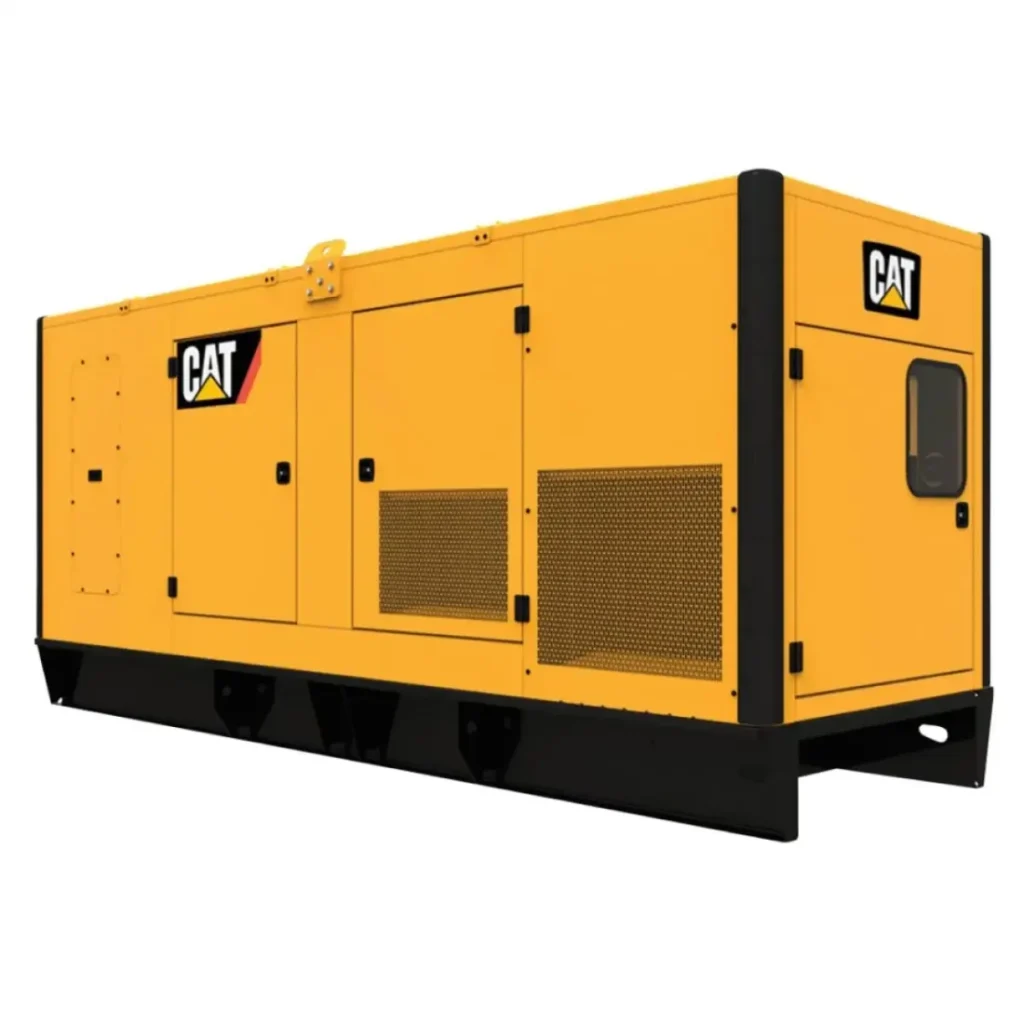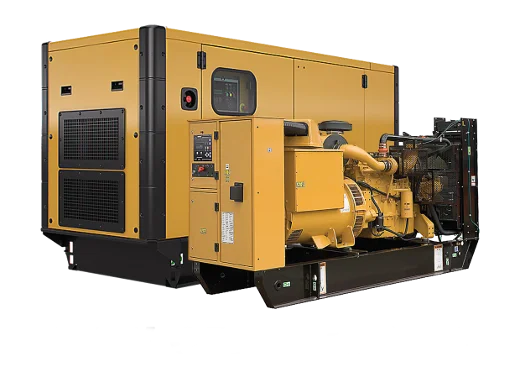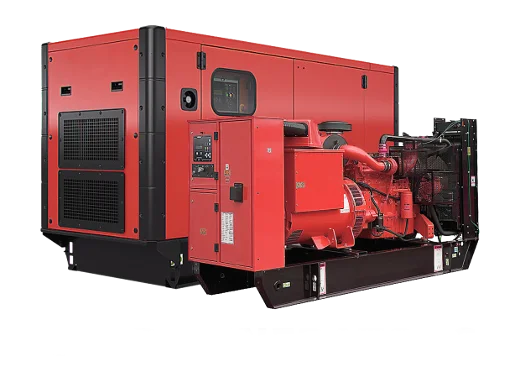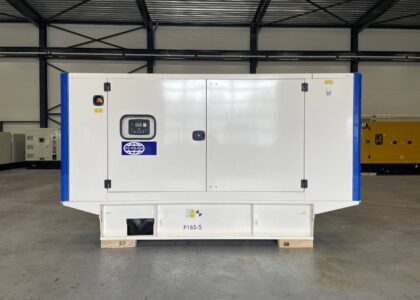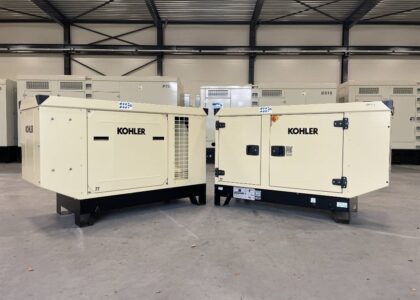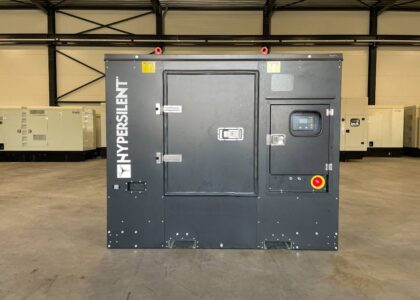
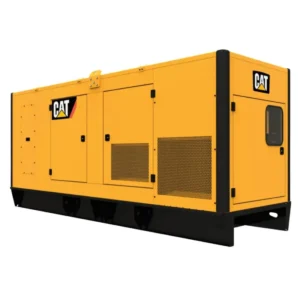
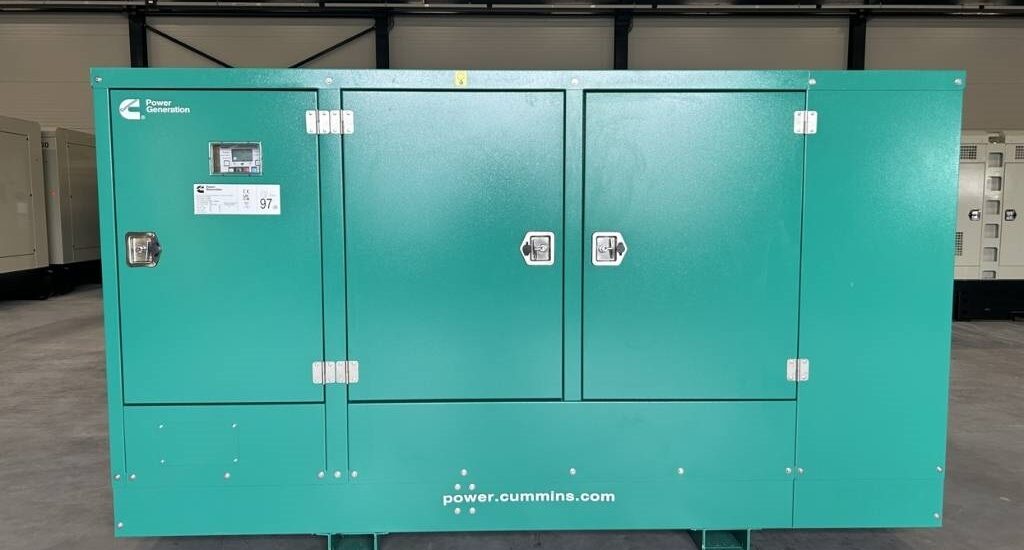
17kVA Generator: Complete Guide to Sizing, Uses, Fuel Consumption, ATS & Installation
A 17kVA generator sits in a useful middle ground for backup power. It is large enough for many homes, offices, shops, guesthouses, farms and smaller workshops, but it is not automatically the right choice simply because the number sounds substantial.
The important question is not “What can a 17kVA generator run?” in isolation. The better question is “What does my electrical load require, including the equipment that starts with a surge?”
That distinction matters. Refrigerators, pumps, air conditioners, compressors and workshop machinery can draw considerably more power when starting than they use once they are running. A generator that looks adequate when you add up the running wattages can therefore struggle when several motors start together.
A properly selected 17kVA diesel generator can provide dependable standby power for a wide range of South African applications. It may suit a residential property, small business, agricultural operation or workshop, particularly where reliable backup power is required during interruptions to the electricity supply. For current information on South Africa’s electricity supply, you can also refer to Eskom electricity supply information.
This guide covers what a 17kVA generator really means how power it can deliver, what it can actually run, how fuel use and time, on fuel are figured out when an ATS is needed and when it makes more sense to go up to 20kVA or another generator size.
What Is a 17kVA Generator?
The kVA rating describes the apparent power capacity of a generator.
kW, or kilowatts, describes real power — the power that electrical equipment actually uses to perform useful work. kVA also takes into account reactive power associated with certain electrical loads.
For a simple example, if a generator operates at a power factor of 0.8:
17kVA × 0.8 = approximately 13.6kW
That calculation is useful for understanding the relationship between kVA and kW, but it should not be treated as the exact usable kW rating of every 17kVA generator.
The manufacturer’s rated kW should always be checked against the specific generator set being considered.
This is because a 17kVA generator is a capacity class, not one universal machine. Two generators carrying a 17kVA label can have different engines, alternators, controllers, voltage configurations, fuel systems and operating ratings.
You also need to distinguish between standby and prime ratings.
A standby generator is generally intended for backup operation when the normal electricity supply fails. A prime-rated generator is designed for applications where it may operate as the primary source of electricity for extended periods, subject to the manufacturer’s operating conditions.
That distinction becomes particularly important for farms, remote sites and businesses that expect to operate their generator regularly rather than only during electricity interruptions.
How Much Power Can a 17kVA Generator Provide?
A 17kVA generator provides a maximum apparent power capacity of 17kVA, but that does not mean you should plan to operate it permanently at its absolute limit.
Generator sizing needs to account for several things:
- Normal running load
- Starting or surge loads
- Motor starting current
- Power factor
- The number of loads operating simultaneously
- Single-phase or three-phase requirements
- Generator operating rating
- Future electrical expansion
- Whether the generator is being used for standby or prime power
For example, imagine a property where the normal electrical demand appears comfortably below the generator’s capacity. If a borehole pump, air conditioner and refrigeration compressor start at roughly the same time, the instantaneous demand can be substantially higher than the normal running load.
This is why simply adding the wattage printed on appliances is not always enough.
A proper 17kVA generator sizing assessment looks at both the running load and the starting characteristics of important equipment.
Where starting loads are significant, the generator’s ability to handle motor starting and sudden changes in load also matters. This is one reason generator selection should be based on the actual equipment being powered rather than a generic appliance list.
If you are unsure how your loads should be calculated, the detailed 17kVA generator sizing guide can deal with the assessment in greater depth.
What Can a 17kVA Generator Run?
There is no universal appliance list that applies to every 17kVA installation.
The actual answer depends on the total load, starting requirements and electrical configuration.
That said, 17kVA is a useful size for a number of applications.
Residential applications
A 17kVA generator can be suitable for a larger home or property where the owner wants to keep essential household systems operating during a power interruption.
Potential loads can include:
- Lighting
- Refrigerators and freezers
- Security systems
- Wi-Fi and networking equipment
- Television and entertainment equipment
- Selected air conditioners
- Water pumps
- Borehole systems
- Kitchen appliances
- Computers and office equipment
- Other essential household circuits
The difficulty comes when several high-demand appliances operate simultaneously.
Electric geysers, electric stoves, multiple air conditioners, pool pumps and large borehole pumps can consume a significant portion of the available capacity. If everything is expected to operate at once, a 17kVA generator may not provide enough headroom.
This is where load management can make a major difference. Some installations are designed so that non-essential or high-demand circuits are excluded from the generator supply.
For homeowners considering this size specifically for residential backup, see 17kVA Generator for a House: Is It Big Enough?
Small-business applications
A 17kVA generator can also be appropriate for smaller commercial operations.
Potential applications include:
- Offices
- Small retail premises
- Guesthouses
- Restaurants
- Refrigeration businesses
- Small workshops
- Professional practices
- Agricultural businesses
For a small office, for example, the electrical demand may be relatively predictable.
A workshop is different.
A compressor, welding equipment, pumps, extraction equipment or other machinery may have substantial starting requirements. The generator therefore needs to be assessed against the machinery that will actually be used during an outage.
A business should also consider which equipment is essential and which can be switched off during generator operation.
Our future guide on 17kVA Generator for Small Business: Is It Enough? should go deeper into these commercial load considerations.
Farms and workshops
Agricultural applications can be particularly interesting because the electrical load can vary significantly throughout the day.
A farm might need backup power for:
- Borehole pumps
- Water pumps
- Refrigeration
- Lighting
- Security systems
- Offices
- Farm buildings
- Selected processing equipment
The pump starting requirements can be more important than the normal running consumption.
For a workshop, the same principle applies. A generator may comfortably handle lights and small equipment but struggle when a large motor or compressor starts.
The right question is therefore not simply whether the total running load is below 17kVA. It is whether the generator can handle the actual operating and starting profile of the installation.
Is a 17kVA Generator Suitable for a House?
For many homes, yes — but it depends heavily on how the house is equipped.
A modest home with sensible load management may not need anything close to 17kVA. A large home with several air conditioners, electric heating, geysers, pool equipment, pumps and electric cooking equipment may need more.
The biggest loads deserve particular attention.
Geysers
Electric geysers can place a substantial load on a generator. If the geyser is not an essential circuit during an outage, excluding it from the generator supply can reduce the required generator size considerably.
Electric stoves and ovens
Cooking loads can also add significant demand, particularly when several heating elements operate simultaneously.
Air conditioners
Air conditioners contain compressors and therefore have starting characteristics that need to be considered during generator sizing.
Pool and borehole pumps
Pump motors can create a significant starting demand even when their normal running consumption appears reasonable.
For this reason, a 17kVA generator installation for a house should ideally be designed around the circuits the homeowner actually wants to keep operational.
In some cases, a smaller generator supplying essential circuits makes more sense than installing a larger generator simply to reproduce the entire household electrical load.
Is a 17kVA Generator Suitable for a Small Business?
A 17kVA generator can be a sensible backup-power solution for a small business where the electrical demand is moderate and well understood.
An office with computers, lighting, networking equipment, security systems and limited air conditioning may have a very different requirement from a workshop running compressors and machinery.
Restaurants and guesthouses also need careful consideration because refrigeration, pumps, kitchen equipment, lighting and HVAC systems may operate simultaneously.
For businesses, generator sizing should therefore consider:
- Normal operating load
- Essential versus non-essential equipment
- Motor starting loads
- Operating hours during outages
- Future expansion
- Three-phase requirements
- The consequences of equipment downtime
The cost of choosing a generator that is too small can be much higher than simply having an inconvenient power interruption.
If the generator repeatedly struggles with starting loads or operates close to maximum capacity, the installation is not properly matched to the application.
17kVA Generator Fuel Consumption
One of the most common questions from prospective buyers is:
How much diesel does a 17kVA generator use per hour?
There is no single answer that applies to every 17kVA generator.
Fuel consumption changes according to the generator’s engine, alternator configuration, operating condition and — most importantly for day-to-day use — the electrical load being placed on it.
A generator running at a relatively light load will generally consume less fuel per hour than the same generator operating at a high load.
It is useful to think about fuel consumption at different loading levels, such as:
- 25% load
- 50% load
- 75% load
- Higher loading
However, these percentages should not be turned into generic litres-per-hour figures without manufacturer data for the specific machine.
For a purchasing decision, the manufacturer’s fuel-consumption data is much more useful than a generic internet estimate.
Fuel consumption also affects the operating economics of a generator. If a business expects to run the generator for many hours each week, even relatively small differences in fuel consumption can become significant over a year.
The [17kVA generator fuel consumption guide] can therefore be used as the detailed supporting article for buyers who want to calculate operating costs.
How Long Can a 17kVA Diesel Generator Run?
Runtime depends primarily on three things:
Fuel tank capacity + fuel consumption + electrical load
The same generator can therefore have different runtimes under different operating conditions.
For example, a generator operating under a relatively light load may consume fuel more slowly than when it is supplying a heavily loaded electrical system.
Other factors can also influence actual operating performance, including:
- Ambient conditions
- Engine condition
- Maintenance
- Fuel quality
- Load fluctuations
- Operating temperature
A simple way to estimate runtime is:
Approximate runtime = usable fuel in tank ÷ fuel consumption per hour
But the figures should come from the specific generator’s manufacturer data rather than a generic 17kVA estimate.
Tank size is therefore only one part of the question.
If you expect the generator to operate through long interruptions, the more useful exercise is to establish the expected load, obtain the manufacturer’s consumption figures and then determine how much fuel is required for the expected operating period.
What Size ATS Does a 17kVA Generator Need?
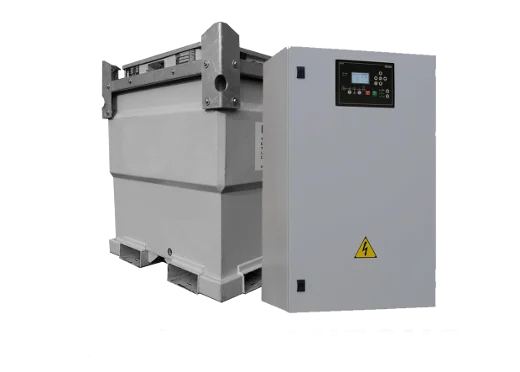
An Automatic Transfer Switch (ATS) allows an electrical installation to transfer between the normal utility supply and the generator supply automatically, depending on the system design.
For a standby generator installation, an ATS can provide a much more convenient solution than manually starting the generator and changing over the supply.
But an ATS is not selected purely because the generator is rated at 17kVA.
The ATS needs to be appropriate for the electrical installation, including:
- Supply voltage
- Phase configuration
- Current rating
- Utility connection
- Generator connection
- Number of poles where applicable
- Control requirements
- Protection and switching arrangement
- Installation requirements
The generator and ATS also need to work together correctly.
A 17kVA single-phase installation is not designed in exactly the same way as a 17kVA three-phase installation. The distribution board, phase loading and connected equipment all matter.
For a more detailed explanation, see What Size ATS Do You Need for a 17kVA Generator?
Professional electrical installation is strongly recommended because the generator is being integrated into the building’s electrical supply rather than simply plugged into an appliance.
Single-Phase vs Three-Phase 17kVA Generators
The choice between single-phase and three-phase should be determined by the electrical system and equipment being supplied.
Single-phase
Single-phase systems are common in residential and smaller applications.
A single-phase generator may be appropriate where the property’s important loads are single-phase and there is no requirement to supply three-phase machinery.
Three-phase
Three-phase generation becomes more relevant for commercial, agricultural and workshop applications where three-phase equipment is installed.
Examples can include:
- Three-phase motors
- Pumps
- Compressors
- Industrial equipment
- Commercial electrical systems
Three-phase installations also require proper attention to load balancing.
A common mistake is assuming that a three-phase generator’s entire kVA capacity can simply be treated as though it were available on one phase. The way the load is distributed across the phases matters.
This is why 17kVA single-phase vs three-phase generator selection should be made from the actual electrical installation rather than from the generator size alone.
Neither configuration is universally better.
The correct choice is the one that matches the property’s supply system and the equipment that needs to operate.
17kVA Generator Installation Requirements
A generator installation is more than positioning a machine outside and connecting a cable.
The installation needs to account for several practical issues.
Location
The generator should be positioned in a suitable location that allows safe operation and servicing.
There should be adequate access around the equipment for routine maintenance and repairs.
Ventilation and cooling
Diesel engines produce heat and require adequate airflow.
The installation should therefore prevent hot air from recirculating into the cooling system and should follow the generator manufacturer’s requirements.
Exhaust
Exhaust gases must be safely discharged away from occupied areas and air intakes.
This is a critical safety consideration and should be dealt with properly during installation.
Electrical connection
The generator must be correctly integrated with the property’s electrical distribution system.
This may include an ATS or manual changeover system, depending on the installation.
Earthing
Proper earthing is an important part of generator installation and should be designed according to the applicable electrical requirements and the particular generator system.
Fuel
Fuel storage and supply need to be appropriate for the installation and expected operating duration.
Noise
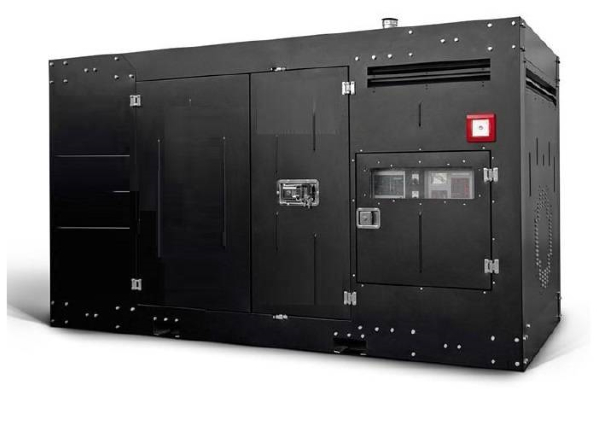
Although modern enclosed diesel generators can be designed with noise reduction in mind, location and enclosure still matter, particularly for residential properties and businesses close to neighbouring premises.
Commissioning
After installation, the generator should be properly tested and commissioned.
The objective is not simply to prove that the engine starts. The complete system should be checked under the intended operating conditions, including the changeover system where installed.
For the detailed process, see the 17kVA Generator Installation Guide.
17kVA Generator Maintenance
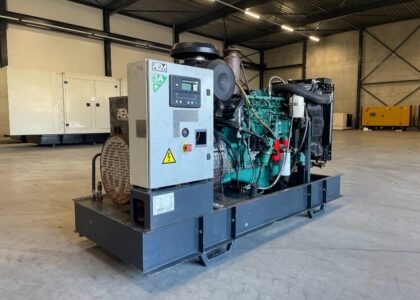
A diesel generator is an engine-driven power system. It needs routine maintenance if you expect it to start when the mains supply fails.
Basic maintenance considerations include:
- Engine oil
- Oil filter
- Fuel filter
- Air filter
- Coolant
- Battery condition
- Belts
- Hoses
- Electrical connections
- Cooling system
- Fuel system
- General inspection
- Regular testing
One of the worst times to discover a maintenance problem is during an actual power failure.
A generator that has been sitting unused for several months may look perfectly fine from the outside while having a weak battery, contaminated fuel, deteriorated hoses or another issue that prevents reliable starting.
Regular test runs are therefore useful for standby systems.
Servicing intervals should follow the manufacturer’s recommendations for the particular engine and generator set.
The 17kVA Diesel Generator Maintenance Guide can cover the maintenance schedule and service requirements in more detail.
Standby vs Prime Power for a 17kVA Generator
Not every 17kVA generator is intended for the same duty.
A standby generator is normally used as backup when the primary electricity supply is unavailable.
A prime-rated generator is designed for applications where the generator may operate as the main power source for extended periods, subject to the manufacturer’s stated operating conditions.
This distinction matters for applications such as:
- Remote agricultural sites
- Construction sites
- Rural operations
- Temporary power
- Off-grid installations
- Locations with unreliable grid supply
If your generator will only operate occasionally during power interruptions, a standby configuration may be appropriate.
If you intend to operate it for long periods as a primary source of electricity, the prime rating and operating conditions need to be examined carefully.
Do not assume that because two machines are both labelled 17kVA they can automatically perform the same duty.
Always check the manufacturer’s rating for the actual generator set.
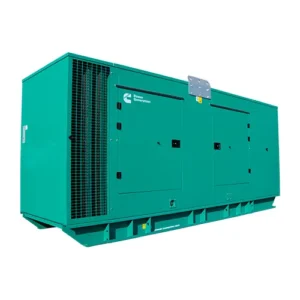
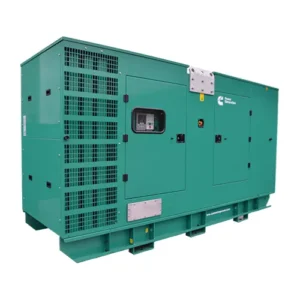
Why Choose a Cummins 17kVA Generator?
Cummins is an established manufacturer of diesel engines and power-generation equipment, with generator products covering standby and prime-power applications.
For a buyer, the important question is not simply whether the name on the engine is well known.
What matters is the complete system:
- Engine
- Alternator
- Controller
- Cooling system
- Fuel system
- Enclosure
- Electrical configuration
- Protection
- Serviceability
- Parts availability
- Technical support
Cummins itself describes its generator sets as integrated power-generation systems designed for applications including standby and prime power, with product configurations varying by model and rating.
That is the right way to think about a generator purchase.
The engine brand matters, but the complete generator set and the support behind it matter too. The exact engine, alternator, voltage, phase, controller, fuel consumption and other specifications should always be confirmed against the current product specification before purchase.
If you are looking for a dependable solution for standby power, the 17kVA Cummins generator is a practical option for applications where reliable performance, build quality and long-term support are important. Before choosing a specific model, however, it is still essential to confirm the required load, phase configuration, starting requirements and operating conditions.
17kVA vs 15kVA vs 20kVA Generators
Choosing between nearby generator sizes is often more useful than simply asking whether 17kVA is “good”.
15kVA vs 17kVA
A 15kVA generator may be sufficient if the calculated load is comfortably within its capacity and starting requirements are manageable.
Moving to 17kVA provides additional capacity and potentially more operating headroom.
That extra capacity can be useful if the installation has variable loads or modest future expansion.
But there is no point paying for additional capacity that will never be used.
17kVA vs 20kVA
The decision between 17kVA and 20kVA is usually about headroom.
If your calculated requirement is close to what a 17kVA generator can comfortably supply, moving to 20kVA may provide a more sensible operating margin.
This can be particularly relevant where you have:
- Large pumps
- Compressors
- Several air conditioners
- Workshop machinery
- High starting loads
- Future electrical expansion
- Multiple loads that must operate simultaneously
On the other hand, if the actual requirement is comfortably within the 17kVA range, there may be little benefit in moving up purely because a larger generator sounds safer.
Generator sizing is about matching the machine to the application — not automatically buying the biggest unit available.
How Much Does a 17kVA Generator Cost in South Africa?
There is no sensible single “17kVA generator price” that applies to every machine.
The price can change considerably depending on the specification and what is included in the supply.
Factors include:
- Engine brand
- Alternator
- Controller
- Enclosure
- Fuel tank
- ATS
- Electrical configuration
- Installation
- Commissioning
- Delivery
- Warranty
- Technical support
- After-sales service
Two generators with the same nominal kVA rating can therefore have significantly different prices.
When comparing quotations, look beyond the headline number.
A cheaper generator may not include an ATS, delivery, installation or commissioning. Another quotation may include these items, making a direct price comparison misleading.
For a South African buyer, it is worth asking exactly what is included in the quotation before deciding which generator offers better value.
Power Stay Solutions can provide a quotation based on the required generator specification, delivery requirements and application.
When Should You Choose a Larger Generator?
A 17kVA generator is not necessarily the right answer simply because your estimated running load appears to fit within 17kVA.
You should consider stepping up to a larger generator if you have significant starting loads, limited operating headroom or plans to expand the electrical system.
A larger generator may be appropriate where the installation includes:
- Large borehole pumps
- Multiple pumps
- Several air conditioners
- Heavy workshop equipment
- Compressors
- High starting-current motors
- Significant simultaneous demand
- Future electrical expansion
- Long operating periods at high load
There is also a difference between technically being able to run a load and having a generator that is comfortably matched to it.
If a generator spends much of its operating time close to its maximum rating, it is worth reassessing the sizing rather than assuming that the situation is acceptable.
The objective should be a reliable power system with sensible operating headroom.
That is also why Power Stay Solutions should not simply recommend a larger generator because it has a higher selling price. The correct generator is the one that makes technical and financial sense for the application.
Frequently Asked Questions About 17kVA Generators
How many kW is a 17kVA generator?
A common example using a 0.8 power factor is approximately 13.6kW.
However, this is a calculation rather than a universal specification. Always use the manufacturer’s stated kW rating for the specific generator.
Is a 17kVA generator enough for a house?
It can be, particularly for a home with a moderate load or where essential circuits are prioritised.
Large geysers, electric stoves, multiple air conditioners, pool pumps and borehole pumps can significantly increase the required capacity.
What can a 17kVA generator run?
It can potentially supply lighting, refrigeration, security systems, networking equipment, selected air conditioners, pumps, household appliances, office equipment and other loads — provided their combined running and starting requirements are within the generator’s capability.
How much diesel does a 17kVA generator use?
There is no universal litres-per-hour figure. Consumption depends on the particular engine and generator configuration as well as the electrical load. Manufacturer fuel-consumption data should be used for accurate planning.
Can a 17kVA generator run a small business?
Yes it depends on the type of business. Small offices and light commercial spaces might work well with a 17kVA generator.. For businesses like workshops, restaurants or any that use large motors or heating equipment you need to look at the full power needs first.
What size ATS is needed for a 17kVA generator?
The automatic transfer switch or ATS must match the generator’s setup. You have to consider voltage, phase and current requirements. Just going by the kVA number isn’t enough. The ATS must handle the load and wiring configuration properly.
Is a 17kVA generator suitable for three-phase power?
It can work if the generator is built for three-phase output and the buildings electrical system supports it. You also need to check how the loads are balanced across the phases and whether motors or other equipment will run smoothly on this setup.
Should I choose a 17kVA or 20kVA generator?
If your calculated load comfortably fits within 17kVA and starting requirements are manageable, 17kVA may be sufficient. If your load is close to the limit or includes significant motor starting, future expansion or several simultaneous high-demand loads, 20kVA may provide more useful headroom.
Is a 17kVA Generator Right for Your Application?
A 17kVA generator can be an excellent fit for the right application, but the kVA number should be the starting point rather than the final decision.
Before buying, establish:
- What equipment must operate during an outage?
- What is the normal running load?
- Which equipment has a significant starting surge?
- Is the installation single-phase or three-phase?
- Which circuits are essential?
- Will the generator be standby or prime power?
- How long is it expected to operate?
- Is an ATS required?
- Is there likely to be future load expansion?
- What installation and commissioning work is required?
Once those questions have been answered, it becomes much easier to decide whether 17kVA is appropriate — or whether 15kVA, 20kVA or another size would make more sense.
For South African homes, businesses, farms and workshops, this approach is far more reliable than choosing a generator based solely on appliance wattages or a neighbour’s generator size.
Get the Right 17kVA Generator for Your Application
If your load assessment points towards a 17kVA generator, the next step is to match the generator specification to the actual electrical installation.
Power Stay Solutions supplies diesel generators for residential, commercial, agricultural, industrial and other applications across South Africa. If you already know that a 17kVA unit is suitable for your application, you can view the 17kVA generator specifications and product details before requesting a quotation.
Before requesting a quotation, it is useful to have your major electrical loads, phase requirement and any important motor loads available.
You can then request a quotation for a 17kVA generator and discuss the appropriate generator, ATS, installation and delivery requirements with the Power Stay Solutions team.
The aim should not be to sell you the largest generator possible. It should be to supply a generator that is properly matched to the load, reliable in operation and practical to maintain over its working life.