
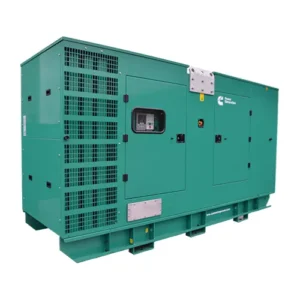
Generator Installation Guide | Everything You Need to Know Before Installing a Diesel Generator

Introduction
If you’ve invested in a diesel generator—or you’re about to—you’ve probably spent time comparing power output, fuel consumption and brand reliability. Those are important decisions, but there’s another factor that often gets overlooked until installation day: how the generator is actually installed.
A high-quality generator can still underperform if it’s installed incorrectly. Poor ventilation, inadequate earthing, undersized cables or an unsuitable location can lead to frequent shutdowns, expensive repairs, unnecessary fuel consumption and, in some cases, serious safety risks.
Over the years, we’ve seen installations where a generator was placed too close to a building, mounted on uneven ground or connected without the correct changeover equipment. In almost every case, the owner believed they were saving money at the time, only to spend considerably more fixing avoidable problems later.
A properly installed generator should do one simple job: start automatically when the power fails, carry the required electrical load safely and continue operating reliably for years with routine maintenance. Achieving that outcome isn’t about luck—it comes down to careful planning and following proven installation practices.
Whether you’re installing a small standby generator for your home, a three-phase unit for a warehouse or a large diesel generator for an agricultural operation, the principles remain the same. The equipment needs adequate airflow, a stable foundation, compliant electrical connections, safe fuel storage and professional commissioning before it’s put into service.
South Africa presents its own unique challenges. Frequent load shedding, harsh summer temperatures, coastal humidity in some regions and dusty conditions in others all influence where and how a generator should be installed. Choosing the right installation method from the start helps protect your investment and reduces the risk of costly downtime when you need backup power most.
In this comprehensive Generator Installation Guide, we’ll walk you through every stage of the process—from selecting the best location and preparing the site to electrical installation, Automatic Transfer Switch (ATS) setup, earthing, fuel systems, commissioning and ongoing maintenance. Along the way, we’ll also explain common installation mistakes, South African regulatory considerations and practical tips we’ve learned from real-world generator installations.
If you’re still deciding which generator is right for your application, we recommend reading our Generator Buying Guide before installation planning. Likewise, choosing the correct generator size is just as important, so our Generator Sizing Guide is another useful resource before moving forward with an installation.
Why Proper Generator Installation Matters
Buying a generator is only half the investment. The installation determines how safely, efficiently and reliably that generator will perform over its lifetime.
It’s easy to focus on the generator itself—the engine, alternator, fuel tank and power rating—but even the most reputable brands depend on correct installation to operate as intended. A poorly installed generator may experience nuisance shutdowns, overheating, voltage fluctuations, excessive vibration or shortened engine life, none of which are usually covered by warranty if they’re traced back to installation errors.
Think of a generator as you would a new vehicle. Purchasing a reliable 4×4 doesn’t mean much if it’s driven without proper servicing or fitted with the wrong tyres. The same principle applies here. Installation is what allows the equipment to perform to its full potential.
One of the most common issues we encounter is inadequate ventilation. Diesel engines generate significant heat while operating, and without enough airflow, temperatures can rise quickly inside an enclosure or generator room. Excessive heat places additional stress on engine components, reduces efficiency and may trigger automatic shutdowns designed to protect the equipment.
The generator foundation is another area that’s often underestimated. A diesel generator can weigh anywhere from a few hundred kilograms to several tonnes depending on its size. Installing it on unstable ground can lead to vibration, structural movement and long-term damage to both the generator and surrounding infrastructure. A properly designed concrete base provides stability, improves safety and makes routine servicing much easier.
Electrical installation deserves equal attention. Incorrect cable sizing, poor earthing or improperly installed transfer switches can affect both generator performance and the safety of everyone using the electrical system. In South Africa, electrical work should always comply with applicable regulations and be carried out by qualified professionals.
Location also plays a significant role. Installing a generator too close to occupied areas may expose people to excessive noise or diesel exhaust gases, while placing it in a flood-prone or poorly drained location creates avoidable operational risks. Careful planning at this stage can prevent expensive modifications later.
Another important consideration is accessibility. Every generator requires regular servicing, including oil changes, filter replacements and routine inspections. If maintenance technicians can’t easily reach key service points, routine maintenance becomes more difficult, increasing both servicing costs and the likelihood of neglected maintenance.
Beyond reliability and safety, proper installation also helps maximise your return on investment. A well-installed generator typically experiences fewer breakdowns, operates more efficiently and retains its value for longer. For businesses, that translates into less downtime during power outages. For homeowners, it means greater peace of mind knowing backup power will be available when it’s needed most.
Ultimately, generator installation isn’t just about getting the machine running. It’s about creating a dependable backup power system that protects your home, business or facility for many years to come.
Choosing the Right Location for Your Generator Installation
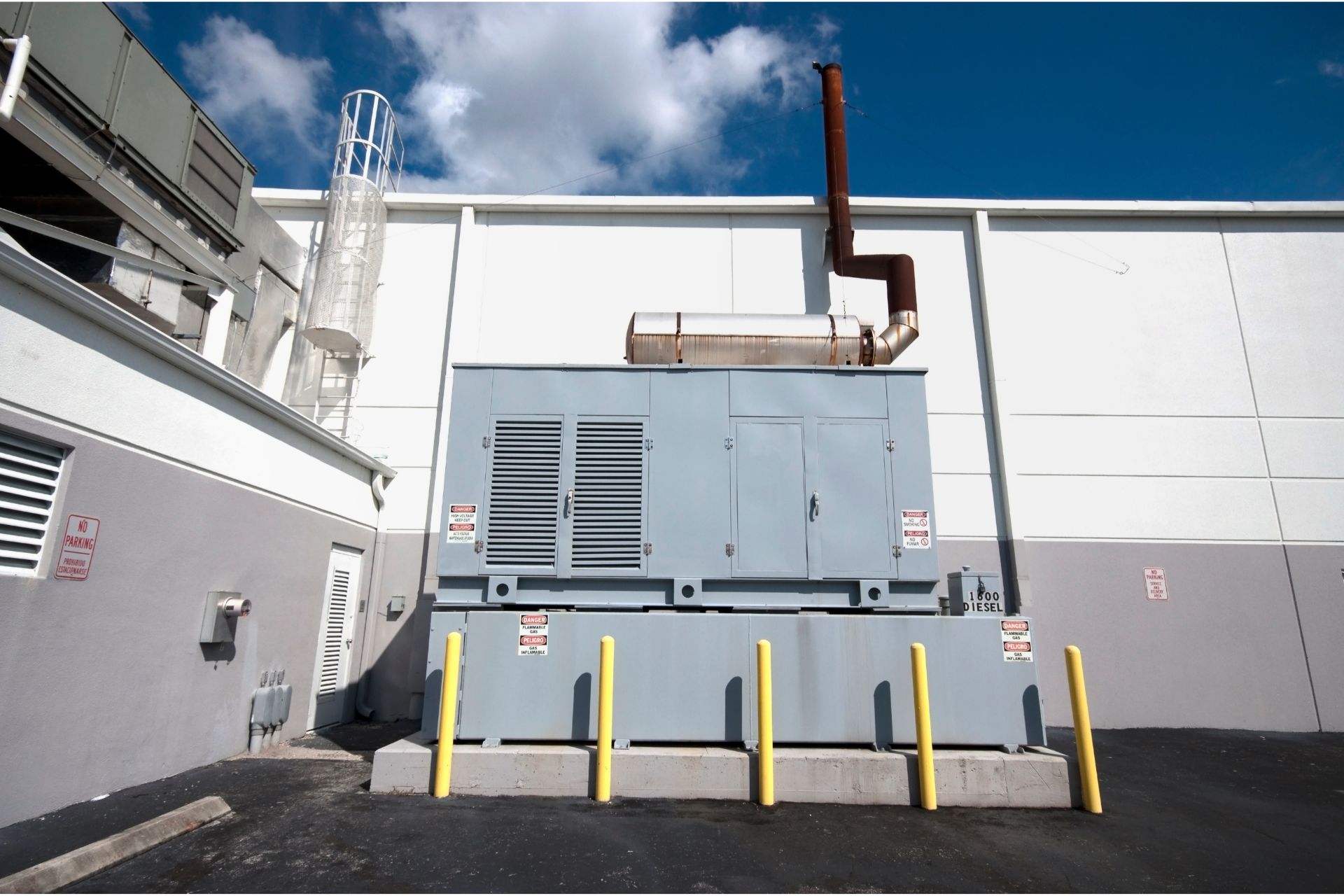
Choosing the Best Location for Your Diesel Generator
One of the biggest mistakes people make isn’t buying the wrong generator—it’s putting the right generator in the wrong place.
It might seem like a simple decision. Find an empty space, pour a concrete slab and set the generator down. In reality, where you install your generator affects almost everything that follows, from cooling performance and fuel efficiency to servicing costs, noise levels and even the lifespan of the engine.
We’ve seen installations where generators were squeezed into narrow passages with barely enough room to open the access doors. Others were positioned directly beneath bedroom windows, making every weekly test run impossible to ignore. In commercial settings, we’ve also come across units installed behind storage containers, leaving technicians with no safe access for maintenance.
These problems are easy to avoid if they’re considered during the planning stage.
A well-chosen installation site should provide enough space for airflow, easy maintenance access, safe exhaust discharge and protection from environmental conditions, while still allowing the generator to operate efficiently during prolonged power outages.
Give the Generator Enough Space to Breathe
A diesel generator needs a constant supply of fresh air.
Unlike many electrical appliances, a generator doesn’t simply produce electricity. It also burns fuel, generates heat and pushes large volumes of hot air through its cooling system. Restrict that airflow, and performance will suffer.
Modern diesel generators rely on a continuous cycle of cool air entering the enclosure and hot air being expelled through the radiator. If hot air is trapped around the unit, the engine temperature rises quickly, reducing efficiency and increasing the likelihood of overheating.
This becomes even more important during South Africa’s summer months, where ambient temperatures regularly exceed 35°C in many regions. High outside temperatures combined with poor ventilation can place unnecessary stress on the cooling system.
When planning your installation, leave adequate clearance around all sides of the generator. This makes routine servicing easier while ensuring unrestricted airflow through the radiator and engine compartment.
Avoid placing generators:
- Directly against boundary walls
- Inside narrow passages
- Under enclosed staircases
- Inside unventilated garages
- Beneath low roofs that trap hot air
- Between buildings where heat cannot escape
The more freely air can circulate, the better your generator will perform during extended operating periods.
Install on Solid, Level Ground
A diesel generator is considerably heavier than many people expect.
Even a compact residential standby generator can weigh several hundred kilograms, while commercial units often exceed one or two tonnes once fuel tanks are filled.
Installing a generator on paving blocks, compacted soil or gravel may seem acceptable initially, but over time these surfaces can shift, settle or erode. As the base moves, vibration increases and the generator may no longer sit level.
Excessive vibration can lead to:
- Loose electrical connections
- Damaged fuel lines
- Exhaust leaks
- Premature wear on engine mounts
- Increased operating noise
- Cracked concrete or paving
For this reason, most professional installations use a reinforced concrete foundation designed specifically for the generator’s weight.
The concrete base should extend beyond the footprint of the generator to provide additional stability and allow technicians to work safely around the equipment.
A level foundation also ensures that engine fluids circulate correctly and helps prevent unnecessary strain on rotating components.
Should You Install the Generator Indoors or Outdoors?
This is one of the questions we hear most often.
The answer depends on the application, available space and the generator model, but for most homes and businesses in South Africa, outdoor installation is the preferred option.
Outdoor installations generally offer:
- Better ventilation
- Easier exhaust management
- Reduced heat build-up
- Simpler maintenance access
- Lower fire risk
- Easier future upgrades
Most modern standby generators are supplied in weatherproof, silenced canopies specifically designed for outdoor use. These enclosures protect the engine from rain, dust and sunlight while significantly reducing operating noise.
Indoor installations are still common for hospitals, manufacturing facilities and large commercial buildings, but they require considerably more planning.
An indoor generator room should include:
- Purpose-designed ventilation openings
- Fresh air intake ducts
- Hot air extraction systems
- Fire protection measures
- Exhaust ducting
- Fuel safety systems
- Adequate lighting
- Service access
- Emergency exits where required
Without these provisions, an indoor installation can become unsafe very quickly.
Protect the Generator from South Africa’s Climate
South Africa’s weather varies dramatically from one province to another.
A generator installed along the coast faces different challenges to one operating on a farm in the Northern Cape or at a mining site in Limpopo.
Environmental conditions should always influence the installation design.
For example:
Coastal Areas
Salt in the air accelerates corrosion on metal components.
Additional protection such as corrosion-resistant coatings, stainless steel hardware and regular cleaning can significantly extend the life of the generator.
High Rainfall Areas
Poor drainage can cause standing water around the generator base.
The installation area should be slightly elevated to prevent flooding during heavy storms.
Dry and Dusty Regions
Dust is one of the biggest enemies of diesel engines.
Fine particles clog air filters, reduce cooling efficiency and increase engine wear over time.
Regular maintenance becomes even more important where dust levels are high.
Hot Inland Areas
Extreme heat places additional demand on the cooling system.
Providing unrestricted airflow around the generator helps maintain safe operating temperatures.
Planning for local environmental conditions from the beginning often prevents expensive repairs years later.
Think About Future Maintenance
A generator isn’t a “fit and forget” piece of equipment.
It requires regular servicing throughout its life.
Oil changes.
Fuel filter replacements.
Air filter inspections.
Battery testing.
Coolant checks.
Valve adjustments.
If technicians struggle to reach these service points because the generator is wedged into a tight corner, routine maintenance becomes slower, more expensive and more likely to be postponed.
Before finalising the installation location, ask yourself a simple question:
“Can someone comfortably open every access door and perform a full service without moving the generator?”
If the answer is no, the location probably needs reconsideration.
Good access today saves significant maintenance costs over the next ten years.
Keep Noise Away from Living and Working Areas
Even modern silent diesel generators produce noticeable sound while operating.
Although silenced canopies dramatically reduce noise levels, they don’t eliminate it completely.
Think carefully about where the sound will travel.
Avoid installing generators:
- Next to bedrooms
- Beside office windows
- Near outdoor entertainment areas
- Adjacent to neighbouring properties
- Close to classrooms
- Outside hospital wards
Sound reflects off walls, fences and hard surfaces, making some locations much noisier than expected.
If space is limited, acoustic fencing or purpose-built sound barriers can help reduce perceived noise without restricting ventilation.
Ensure Safe Exhaust Discharge
The exhaust system deserves far more attention than it often receives.
Diesel exhaust contains gases that should never accumulate near occupied spaces.
The exhaust outlet should direct emissions safely away from:
- Doors
- Windows
- Air-conditioning intakes
- Public walkways
- Outdoor seating areas
- Building ventilation systems
The goal is simple: prevent exhaust gases from re-entering occupied buildings.
For indoor generator rooms, engineered exhaust systems are essential to safely remove fumes while managing heat.
Prevent Water Damage Before It Happens
Generators are designed to withstand outdoor conditions, but they aren’t designed to sit in standing water.
When selecting an installation site:
- Avoid low-lying areas.
- Ensure rainwater drains away naturally.
- Keep the generator above known flood levels.
- Install proper drainage where necessary.
- Prevent roof runoff from flowing directly onto the generator.
A few hours of heavy rainfall shouldn’t interrupt your backup power system.
Security Should Never Be an Afterthought
Unfortunately, diesel generators represent a significant investment and can become targets for theft or vandalism.
Security planning should form part of every installation.
Depending on the location, this may include:
- Lockable security gates
- Steel fencing
- Anti-theft mounting bolts
- Motion sensor lighting
- CCTV coverage
- Alarm integration
- Restricted access areas
Commercial facilities often include generators within secure compounds, while homeowners may choose enclosed service yards that provide both security and discreet placement.
The objective isn’t simply to protect the generator itself but also the fuel, electrical components and control systems.
Common Location Mistakes to Avoid
Many installation problems can be traced back to decisions made before the generator even arrives on site.
Some of the most common mistakes include:
- Installing the generator on an uneven or unstable surface.
- Positioning it too close to walls, reducing airflow.
- Blocking maintenance access with fencing or landscaping.
- Locating the exhaust near windows or ventilation intakes.
- Ignoring drainage and flood risks.
- Installing directly beneath roof overhangs that trap heat.
- Forgetting to plan for future servicing.
- Placing generators where noise becomes a nuisance.
- Failing to consider security during site planning.
Most of these issues are relatively inexpensive to avoid during installation but can be costly to correct later.
Expert Tip: Plan Beyond Today’s Needs
One piece of advice we’ve found invaluable over the years is to think beyond your current requirements.
Perhaps your business only needs a 30kVA generator today. In a few years, expanding operations may require a 60kVA or 100kVA unit. Leaving additional space during the initial installation makes future upgrades far easier and often avoids the expense of relocating foundations, electrical cabling and fuel lines.
The same principle applies to residential properties. If you’re planning future additions such as a borehole pump, air conditioning or a larger solar backup system, it’s worth considering how your generator installation will accommodate those changes.
Good planning isn’t just about solving today’s power problems—it’s about creating a backup power system that can grow with your needs.
Electrical Installation, ATS, Earthing & Fuel System Setup
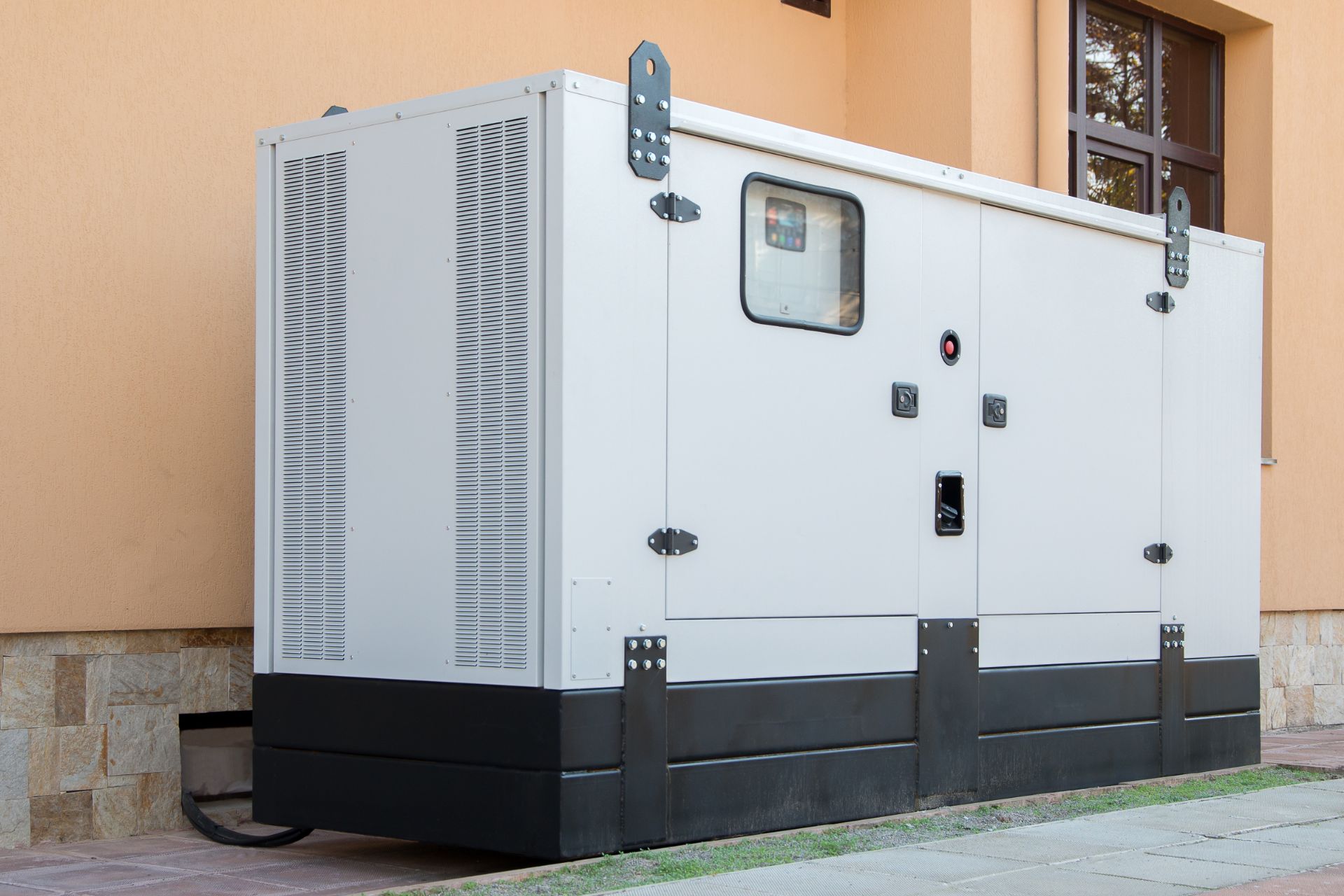
Electrical Installation: Where Safety and Reliability Come Together
By the time your generator has been delivered, the concrete base is ready and the location has been carefully chosen, it’s tempting to think the hardest part is over.
In reality, the electrical installation is the stage that deserves the greatest attention.
This is where the generator becomes part of your property’s electrical system. Every cable, connection and protective device has to work together flawlessly. If something is overlooked, the consequences can range from nuisance tripping and equipment damage to serious electrical hazards.
One thing we always tell customers is this: a diesel generator doesn’t replace good electrical design—it depends on it.
Whether you’re installing a small single-phase generator for a home or a large three-phase generator for a factory, the same principle applies. The installation should be completed by a qualified electrician who understands generator systems, load balancing and South African electrical requirements.
Start With a Load Assessment
Before a single cable is installed, it’s important to confirm exactly what the generator will be powering.
This step is often skipped, especially on residential installations, but it’s one of the easiest ways to prevent future problems.
Some properties require backup power for the entire building. Others only need to keep essential equipment running, such as:
- Lighting
- Security systems
- Refrigeration
- Computers and servers
- Borehole pumps
- Medical equipment
- Internet and communication systems
- Production machinery
Knowing which circuits will be connected helps determine:
- Cable sizes
- Circuit breaker ratings
- ATS specifications
- Generator loading
- Future expansion capacity
It’s also an opportunity to identify high-starting-current equipment, such as air compressors and large electric motors, which may require additional consideration.
Choosing the Correct Cable Size
Generator cables do far more than carry electricity.
They influence voltage stability, efficiency and overall system reliability.
Undersized cables create excessive voltage drop, generate unnecessary heat and reduce the amount of usable power reaching your equipment.
Oversized cables aren’t usually a safety issue, but they increase installation costs without providing meaningful benefits.
Cable sizing depends on several factors, including:
- Generator output
- Cable length
- Installation method
- Ambient temperature
- Maximum current demand
- Voltage drop limits
For commercial installations, cable calculations should always be performed as part of the electrical design rather than estimated on site.
Although cable sizing tables are readily available, every installation is different. A warehouse with a generator located 60 metres from the distribution board requires a different solution from a home where the generator sits only a few metres away.
Why an Automatic Transfer Switch (ATS) Is Worth Considering
One of the biggest improvements you can make to any standby power system is installing an Automatic Transfer Switch (ATS).
Without an ATS, restoring power during load shedding or an unexpected outage becomes a manual process.
Someone has to:
- Detect the outage.
- Start the generator.
- Change over the electrical supply.
- Monitor the system.
- Return everything to normal once utility power is restored.
An ATS removes almost all of these manual steps.
When the mains supply fails, the ATS automatically:
- Detects the power interruption.
- Signals the generator to start.
- Waits for the generator to reach stable voltage and frequency.
- Transfers the electrical load safely.
- Continues monitoring the utility supply.
- Switches back once mains power has stabilised.
- Allows the generator to cool down before shutting it off.
For businesses that rely on uninterrupted operations, this automatic process can make the difference between a minor inconvenience and significant financial losses.
Hospitals, data centres, security facilities, farms and manufacturing plants commonly rely on ATS systems because every second without power matters.
Manual Changeover Switches Still Have Their Place
Not every installation requires full automation.
Many homeowners choose a manual changeover switch because it’s more affordable and still provides a safe method of switching between utility power and generator power.
A properly installed manual changeover switch ensures:
- The generator cannot back-feed into the municipal supply.
- Utility power and generator power are never connected simultaneously.
- Switching between power sources remains straightforward.
While it requires someone to operate the switch during an outage, it’s still a significant improvement over temporary extension leads or unsafe improvised wiring.
Never Allow Generator Back-Feeding
Back-feeding occurs when generator power flows into the public electricity network instead of remaining isolated within your property.
This creates an extremely dangerous situation.
Not only can it damage electrical equipment, but it also places utility workers repairing power lines at serious risk.
Properly installed transfer switches are specifically designed to prevent this from happening.
This is one reason why generator installations should never rely on improvised wiring or homemade switching arrangements.
Earthing: One of the Most Important Parts of the Installation
Ask ten people what makes a good generator installation, and most will mention the engine, fuel tank or alternator.
Few immediately think about earthing.
Yet effective earthing is one of the most important safety features in any electrical installation.
A correctly earthed generator helps:
- Protect people from electric shock.
- Reduce fault currents.
- Improve equipment protection.
- Support protective devices during electrical faults.
- Minimise voltage differences between exposed metal components.
Poor earthing may not cause immediate problems, but during an electrical fault, it can significantly increase the risk of injury or equipment damage.
Every installation should be assessed individually to determine the appropriate earthing arrangement based on the electrical design and applicable standards.
Positioning the Distribution Board
The generator should integrate neatly with the existing electrical installation.
That means careful planning around the main distribution board.
Where practical:
- Cable runs should remain as short as possible.
- Electrical panels should remain accessible.
- Protective devices should be clearly labelled.
- Future maintenance should not require dismantling other equipment.
Neat cable management isn’t simply about appearance—it also makes troubleshooting faster and reduces the likelihood of accidental damage.
Fuel System Installation
A generator is only as reliable as its fuel supply.
While many smaller generators include integrated fuel tanks, larger commercial systems often require external diesel storage tanks.
These systems should be designed to provide:
- Reliable fuel delivery.
- Safe storage.
- Easy inspection.
- Convenient refuelling.
- Protection against contamination.
One of the biggest causes of diesel generator problems isn’t engine failure—it’s contaminated fuel.
Water, dirt and microbial growth inside diesel tanks can clog filters, reduce engine performance and lead to expensive repairs.
Good fuel system design helps minimise these risks.
Fuel Tank Placement
External diesel tanks should be positioned where they remain:
- Easily accessible for fuel deliveries.
- Protected from vehicle impact.
- Away from ignition sources.
- Secure against theft.
- Simple to inspect for leaks.
Long fuel pipe runs should be avoided where possible, as they increase complexity and may affect fuel delivery performance.
Exhaust System Installation
The exhaust system does much more than reduce engine noise.
It safely removes hot combustion gases from the engine.
Poor exhaust design can create:
- Excessive back pressure.
- Increased engine temperatures.
- Reduced performance.
- Noise problems.
- Dangerous fume accumulation.
For outdoor installations, the exhaust outlet should discharge away from occupied areas.
Indoor generator rooms require engineered exhaust ducting designed specifically for the installation.
Where necessary, flexible exhaust connections help reduce vibration transfer between the engine and exhaust piping.
Don’t Ignore Vibration Control
Diesel engines naturally produce vibration while operating.
Without proper isolation, these vibrations can transfer into surrounding structures.
Over time, this may lead to:
- Loose fasteners.
- Cracked pipework.
- Increased operating noise.
- Premature component wear.
Professional installations commonly use anti-vibration mounts designed specifically for the generator model.
Although relatively simple, these components make a noticeable difference to long-term reliability.
Generator Commissioning: The Final Step Before Operation
Once the installation is complete, resist the temptation to assume everything is ready.
Every generator should undergo a formal commissioning process before entering regular service.
Commissioning typically includes:
- Visual inspection.
- Electrical connection checks.
- Battery inspection.
- Oil level verification.
- Coolant inspection.
- Fuel system inspection.
- Control panel testing.
- ATS operation test.
- Emergency shutdown test.
- Load testing where appropriate.
Think of commissioning as the final quality check that confirms every part of the installation is working together as intended.
Skipping this stage can leave hidden issues undiscovered until the first major power outage—when it’s least convenient to find them.
South African Electrical Compliance
South Africa has established electrical regulations intended to promote safe electrical installations.
Generator installations should always be completed in accordance with the applicable standards and local authority requirements.
Depending on the installation, this may include:
- Electrical inspection.
- Compliance verification.
- Testing of protective devices.
- Appropriate documentation.
- Electrical Certificate of Compliance (where applicable).
Using qualified professionals doesn’t just improve safety—it also helps protect warranties, insurance requirements and long-term reliability.
If you’re uncertain about compliance requirements for your specific installation, it’s always worth seeking advice before work begins rather than correcting problems afterwards.
Expert Advice: Don’t Design the Installation Around the Cheapest Quote
It’s understandable to compare installation prices. Every project has a budget.
But there’s a difference between saving money and cutting corners.
We’ve seen installations where costs were reduced by using smaller cables, omitting vibration mounts or skipping proper commissioning. The initial invoice looked attractive, but the savings disappeared after repeated breakdowns, overheating issues or expensive rework.
A well-installed generator should provide dependable backup power for many years. Choosing experienced installers, quality materials and sound engineering principles almost always proves more economical over the life of the system than selecting the lowest quote.
When you’re relying on a generator to protect your home, business or livelihood during power outages, reliability is far more valuable than a small saving on installation day.
Commissioning, Maintenance, Installation Costs & Common Mistakes
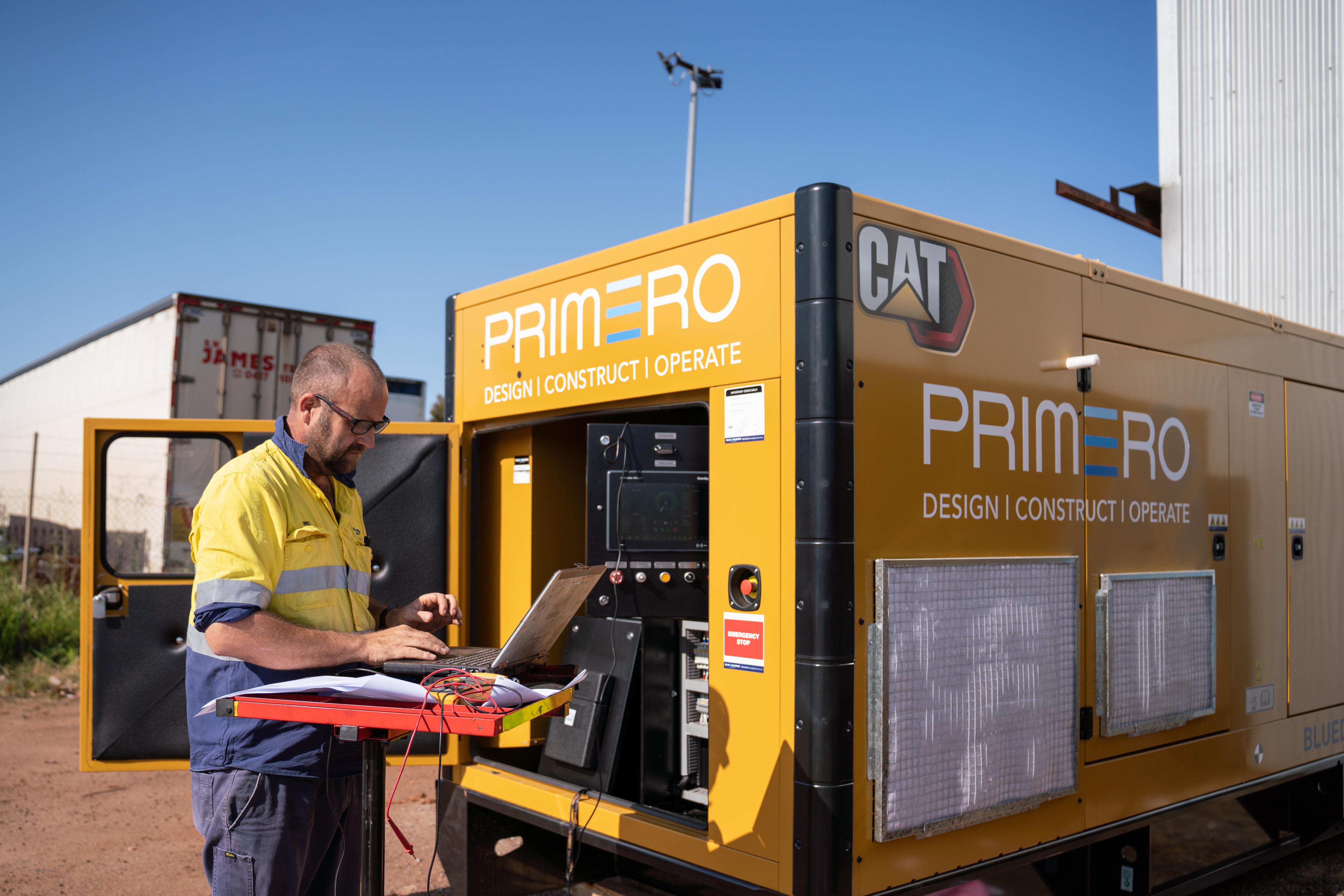
Generator Commissioning: The First Start Matters More Than You Think
After the generator has been installed, wired, fuelled and connected to the electrical system, there’s one final stage before it’s ready to protect your property during a power outage: commissioning.
Many people assume commissioning simply means starting the generator to see if it runs. In reality, it’s a structured process that confirms every part of the installation is working correctly and safely.
Think of it as a final inspection before handing over the system. It’s much better to discover a loose cable or a programming issue during commissioning than during the first load shedding event when your business or home is depending on backup power.
A thorough commissioning process gives you confidence that your generator is ready to perform when it’s needed most.
What Happens During Generator Commissioning?
Although the exact procedure varies depending on the generator model and installation, a professional commissioning process typically includes:
1. Visual Inspection
The installer checks that:
- All electrical connections are secure.
- Fuel lines are correctly fitted.
- Coolant and engine oil levels are correct.
- Battery terminals are tight and corrosion-free.
- Exhaust components are securely mounted.
- Safety guards and covers are in place.
Sometimes it’s the smallest detail—a loose battery connection or incorrectly tightened cable lug—that causes problems later.
2. First Engine Start
The generator is started without load to allow technicians to monitor:
- Oil pressure
- Coolant temperature
- Battery charging
- Engine speed
- Fuel leaks
- Unusual noises
- Excessive vibration
- Warning lights
This stage confirms that the engine is operating normally before electricity is supplied to the building.
3. Electrical Performance Checks
Next, the electrical output is verified.
Technicians typically check:
- Voltage
- Frequency
- Phase balance (three-phase generators)
- Alternator performance
- Control panel readings
- Protective devices
Stable electrical output is essential for protecting sensitive equipment such as computers, medical equipment and industrial machinery.
4. ATS Functional Test
If an Automatic Transfer Switch (ATS) has been installed, it should be tested several times.
The process normally includes:
- Simulating a mains power failure.
- Confirming automatic generator start-up.
- Verifying load transfer.
- Restoring utility power.
- Confirming automatic return to the grid.
- Checking generator cool-down before shutdown.
A correctly configured ATS should complete this sequence smoothly without manual intervention.
Load Testing: Don’t Skip It
A generator can start perfectly and still struggle once electrical demand increases.
That’s why load testing is so important.
During a load test, the generator operates under realistic electrical demand to confirm that it can comfortably supply the required power.
This helps identify issues such as:
- Voltage instability
- Frequency fluctuations
- Cooling problems
- Fuel delivery issues
- Overloading
- Incorrect wiring
For commercial installations, load testing is often one of the most valuable parts of the commissioning process because it confirms the generator performs as expected under real operating conditions.
Routine Maintenance Starts on Day One
A common misconception is that a new generator doesn’t require servicing for several years.
In reality, maintenance begins almost immediately after installation.
Like any diesel engine, routine servicing is essential to maintain reliability, efficiency and warranty compliance.
Even generators that rarely operate should be inspected regularly because components such as batteries, seals and fuel systems continue to age over time.
Recommended Maintenance Schedule
While every manufacturer has its own service intervals, a typical maintenance programme includes:
Weekly
- Visual inspection
- Check for leaks
- Verify battery condition
- Inspect control panel
- Confirm fuel level
Monthly
- Test run under load where possible
- Inspect belts and hoses
- Check coolant level
- Inspect air intake
- Verify exhaust system
Every 250–500 Operating Hours (or as recommended)
- Change engine oil
- Replace oil filter
- Replace fuel filters
- Replace air filter (if required)
- Check valve clearances
- Inspect alternator
- Test battery charging system
Following the manufacturer’s maintenance schedule helps maximise engine life and reduces the risk of unexpected failures.
Why Regular Test Runs Matter
One of the biggest enemies of standby generators isn’t excessive use.
It’s not being used at all.
Generators left idle for months can develop:
- Flat batteries
- Fuel contamination
- Moisture build-up
- Sticky injectors
- Corroded electrical connections
Running the generator periodically allows oil to circulate, keeps seals lubricated and confirms that the entire system is functioning correctly.
It’s a simple habit that often prevents expensive repairs later.
Common Generator Installation Mistakes
After years of working with backup power systems, certain installation mistakes appear time and time again.
Fortunately, they’re all avoidable.
1. Choosing the Wrong Generator Size
Installing a generator that’s too small causes frequent overloading.
Choosing one that’s unnecessarily large increases purchase costs, fuel consumption and maintenance expenses.
Proper sizing should always come before installation.
Before installing a backup power system, it’s important to choose the right generator size to avoid overloading or unnecessary fuel costs. Our Generator Sizing Guide explains how to calculate your power requirements and select the most suitable diesel generator for your home or business.
2. Poor Ventilation
Insufficient airflow remains one of the leading causes of overheating.
Every installation should allow cool air to enter freely while hot air exits without restriction.
3. Ignoring Future Maintenance Access
If service technicians can’t comfortably access filters, batteries and inspection panels, routine maintenance becomes unnecessarily difficult.
Always leave sufficient working space around the generator.
4. Incorrect Exhaust Placement
Poorly positioned exhaust outlets may allow fumes to enter nearby buildings.
Exhaust gases should always discharge safely away from occupied areas.
5. Poor Fuel Storage Practices
Contaminated diesel causes countless generator failures every year.
Clean fuel, properly maintained storage tanks and regular inspections significantly improve long-term reliability.
6. Skipping Commissioning
Some installations are handed over immediately after wiring is completed.
Without proper commissioning and testing, hidden issues often remain unnoticed until the first major power outage.
7. Delaying Maintenance
Waiting until something goes wrong almost always results in higher repair costs than following a preventative maintenance schedule.
What Does Generator Installation Cost in South Africa?
This is one of the first questions customers ask, and understandably so.
The honest answer is that there isn’t a single installation price because every property is different.
Several factors influence the final cost, including:
- Generator size
- Single-phase or three-phase installation
- Distance between the generator and distribution board
- Cable lengths
- ATS installation
- Concrete foundation requirements
- Fuel system design
- Exhaust installation
- Site accessibility
- Civil works
- Local authority requirements (where applicable)
For a straightforward residential installation, costs are naturally lower than for a commercial or industrial project involving large generators, extensive cabling and specialised electrical infrastructure.
Rather than focusing only on the installation price, it’s worth considering the long-term value of a professional installation. A well-installed generator often reduces future maintenance costs, minimises downtime and helps avoid expensive repairs caused by incorrect installation.
Every property has unique power requirements, which is why we recommend arranging a professional site assessment before installation. Request a Generator Installation Quote to receive expert advice and a customised solution tailored to your home or business.
Should You Install a Generator Yourself?
Technically, some portable generators require very little setup.
A permanently installed standby diesel generator is a different matter altogether.
Professional installation involves:
- Electrical integration
- Earthing
- Transfer switching
- Fuel systems
- Exhaust routing
- Ventilation
- Compliance
- Commissioning
Mistakes in any of these areas can affect safety, equipment reliability and manufacturer warranties.
For that reason, permanent standby generator installations are best left to qualified professionals.
Protecting Your Investment
A quality diesel generator represents a significant investment.
Fortunately, protecting that investment isn’t complicated.
A few practical habits make a noticeable difference:
- Keep the generator clean.
- Follow the recommended service schedule.
- Use clean, high-quality diesel fuel.
- Replace filters on time.
- Exercise the generator regularly.
- Inspect for leaks after heavy rainfall.
- Keep vegetation away from ventilation openings.
- Monitor warning lights immediately.
- Record maintenance history.
These simple steps help extend engine life and improve reliability during emergencies.
Expert Advice: Plan Maintenance Before the Generator Arrives
One of the smartest decisions you can make is arranging ongoing maintenance before the installation is even complete.
Rather than waiting until the first service is due, establish a preventative maintenance plan from the beginning.
This approach offers several advantages:
- Scheduled servicing instead of emergency repairs.
- Better warranty compliance.
- Lower long-term operating costs.
- Improved reliability during load shedding.
- Longer equipment lifespan.
- Higher resale value.
Businesses that rely heavily on uninterrupted power often treat generator maintenance as part of their operational planning rather than an afterthought—and it shows in the reliability of their systems.
Generator Installation Checklist, FAQs, Final CTA & SEO Enhancements
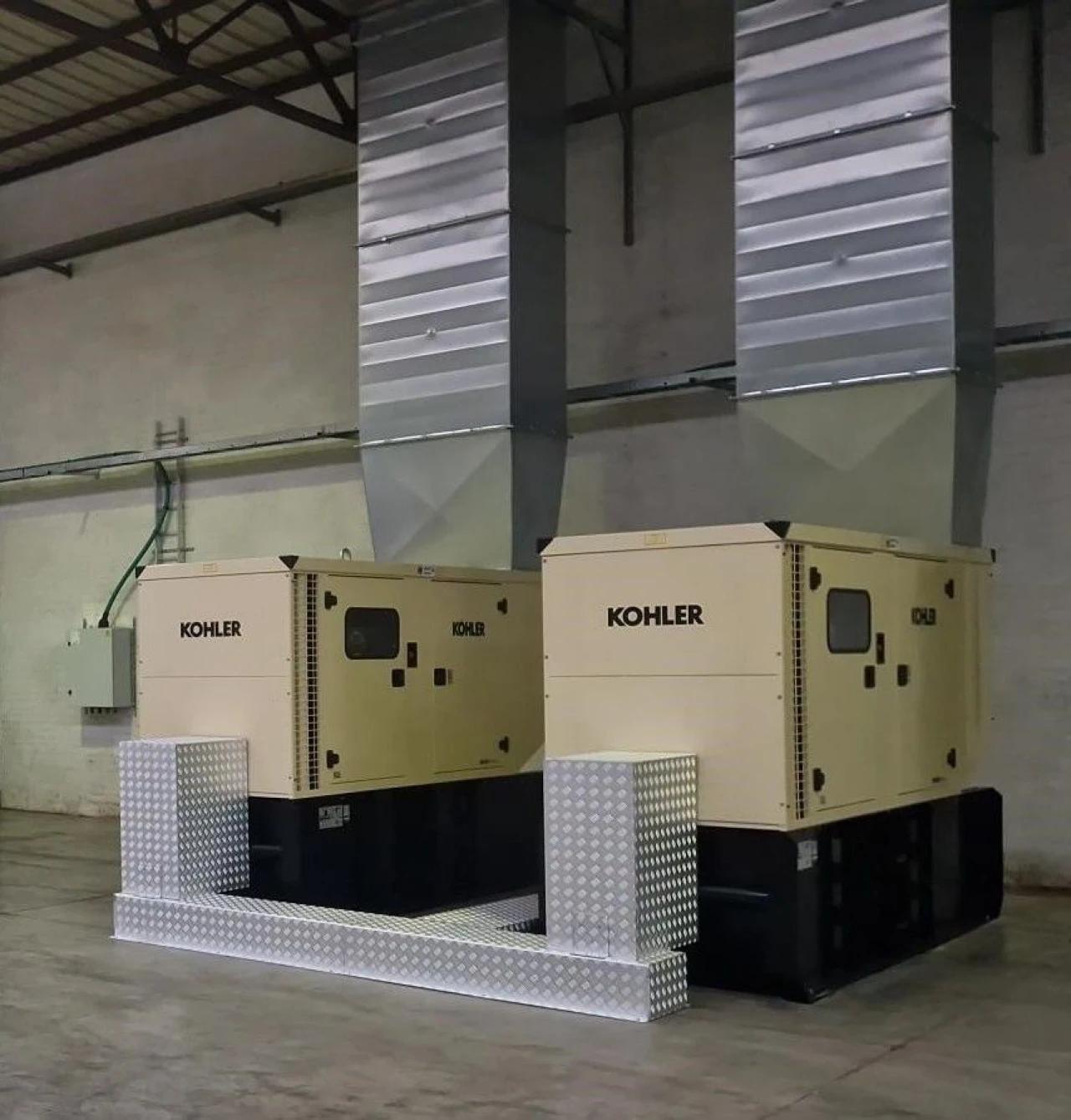
Generator Installation Checklist
Whether you’re installing a standby generator for your home, farm or business, working through a structured checklist helps ensure nothing important is overlooked. While every installation is different, the points below apply to most diesel generator projects in South Africa.
Before Installation
✔ Select the correct generator size for your expected load.
Before installation begins, it’s essential to determine the correct generator capacity. Our generator sizing guide explains how to calculate your power requirements and choose a generator that can safely handle your expected electrical load.
✔ Confirm whether you need a single-phase or three-phase generator.
✔ Choose a suitable installation location with good ventilation and easy maintenance access.
✔ Ensure there is enough space around the generator for servicing.
✔ Prepare a reinforced, level concrete foundation.
✔ Plan the cable routes and ATS location.
✔ Arrange access for future fuel deliveries if an external diesel tank will be installed.
✔ Consider future expansion if your power requirements are likely to increase.
During Installation
✔ Install the generator on a stable, level foundation.
✔ Fit the correct cable sizes.
✔ Install a manual changeover switch or Automatic Transfer Switch (ATS).
✔ Complete the earthing system correctly.
✔ Install the exhaust system safely.
✔ Check fuel connections.
✔ Protect electrical cables from physical damage.
✔ Ensure adequate airflow around the generator.
✔ Label electrical equipment clearly.
✔ Inspect every electrical connection before energising the system.
Before Handover
✔ Check engine oil.
✔ Check coolant level.
✔ Check battery voltage.
✔ Fill with clean diesel fuel.
✔ Start the generator.
✔ Test safety shutdown systems.
✔ Test ATS operation.
✔ Verify output voltage and frequency.
✔ Complete load testing.
✔ Record commissioning results.
✔ Provide maintenance instructions.
Quick Answer: How Is a Diesel Generator Installed?
This section is designed to target Google’s Featured Snippet.
A diesel generator is installed by preparing a reinforced concrete base, positioning the generator with adequate ventilation, connecting the electrical system through a manual changeover switch or Automatic Transfer Switch (ATS), completing the earthing system, installing the fuel and exhaust systems, and commissioning the generator through comprehensive testing before it is placed into service. Professional installation helps ensure safety, reliability and compliance with South African electrical requirements.
People Also Ask
Can I install a generator myself?
Portable generators may require very little setup, but permanently installed standby generators should be installed by qualified professionals. Electrical integration, earthing, ATS installation and compliance all require specialist knowledge to ensure safe operation.
Does every generator need an Automatic Transfer Switch (ATS)?
No. An ATS is recommended where uninterrupted backup power is important, such as businesses, healthcare facilities and homes where occupants may not be available to start the generator manually. A manual changeover switch is often sufficient for smaller residential installations.
Where is the best place to install a diesel generator?
For most applications, an outdoor location on a reinforced concrete foundation offers the best combination of ventilation, accessibility and safety. The generator should be positioned away from windows, doors and air-conditioning intakes while remaining easy to service.
How often should a standby generator be serviced?
Service intervals vary by manufacturer, but many diesel generators require routine maintenance every 250–500 operating hours or at least once a year, whichever comes first. Regular inspections and periodic test runs are equally important, even if the generator operates infrequently.
How long does generator installation take?
A straightforward residential installation may be completed in a day or two, while larger commercial projects involving civil works, fuel systems, ATS integration and extensive cabling can take several days or longer.
Do I need a concrete base?
Yes. A reinforced, level concrete base provides stability, reduces vibration and helps protect the generator from long-term structural movement.
What size generator do I need?
The correct size depends on the total electrical load, starting currents and whether you intend to power your entire property or only essential circuits.
Getting the installation right begins long before the generator arrives on site. Choose the right generator size for your power needs to ensure reliable performance, improved fuel efficiency and room for future expansion.
Does a generator need to be earthed?
Yes. Proper earthing forms an essential part of a safe generator installation and should always be completed according to the electrical design and applicable standards.
Can a generator run continuously during load shedding?
Many diesel generators are designed for extended operation, provided they are correctly sized, properly maintained and supplied with clean fuel. Always follow the manufacturer’s operating guidelines regarding running hours and maintenance intervals.
How can I reduce generator noise?
Choose a generator with a silenced canopy, install it in a well-planned location away from occupied areas, and consider acoustic barriers where appropriate. Maintaining adequate ventilation is important, as sound reduction measures should never restrict airflow.
Why Choose Professional Generator Installation?
A generator is more than a standalone machine—it’s part of your property’s electrical infrastructure. A professional installation helps ensure that all components work together safely and efficiently, reducing the risk of unexpected failures when backup power is needed most.
Working with experienced installers offers several advantages:
- Correct generator positioning
- Professional electrical integration
- Safe ATS installation
- Proper earthing and grounding
- Reliable fuel system design
- Correct exhaust routing
- Thorough commissioning and testing
- Ongoing maintenance support
Whether you’re installing a backup generator for your home, agricultural operation, office or industrial facility, investing in a high-quality installation is one of the best ways to protect your equipment and maximise long-term reliability.
Final Thoughts
Power interruptions have become a reality across much of South Africa, making dependable backup power an essential part of planning for many homes and businesses.
While selecting the right generator is important, the installation is what ultimately determines how well that generator performs. A carefully planned installation provides the foundation for safe operation, efficient performance and years of dependable service.
Taking shortcuts during installation can lead to unnecessary downtime, increased operating costs and avoidable repairs. On the other hand, choosing the right location, using quality materials, following sound electrical practices and maintaining the generator properly can significantly extend its service life.
If you’re investing in a diesel generator, it’s worth investing in the installation too. Done correctly, your generator will be ready to deliver reliable power whenever the grid lets you down.
N/B: Generator installations should always comply with applicable South African standards and electrical best practices. For more information on national standards and certification, visit the South African Bureau of Standards (SABS)
Need Expert Generator Installation in South Africa?
Whether you’re installing a compact residential standby generator or a large commercial diesel generator, our experienced team can help you plan, supply and install a solution that’s tailored to your requirements.
We can assist with:
- Residential generator installations
- Commercial and industrial installations
- Automatic Transfer Switch (ATS) installation
- Generator sizing assistance
- Preventative maintenance
- Generator servicing
- Replacement parts and accessories
- Technical support
Contact our team today for expert advice, a competitive quotation and professional generator installation anywhere in South Africa.
Every installation is different, and a professional site assessment helps ensure the right solution for your property. Contact our generator specialists to discuss your requirements and receive expert advice tailored to your home, business or industrial facility.