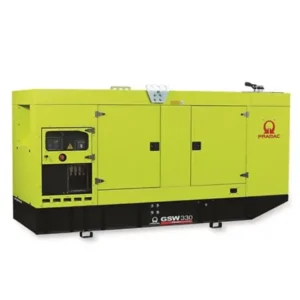
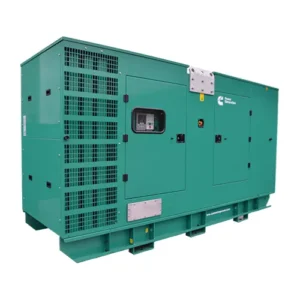
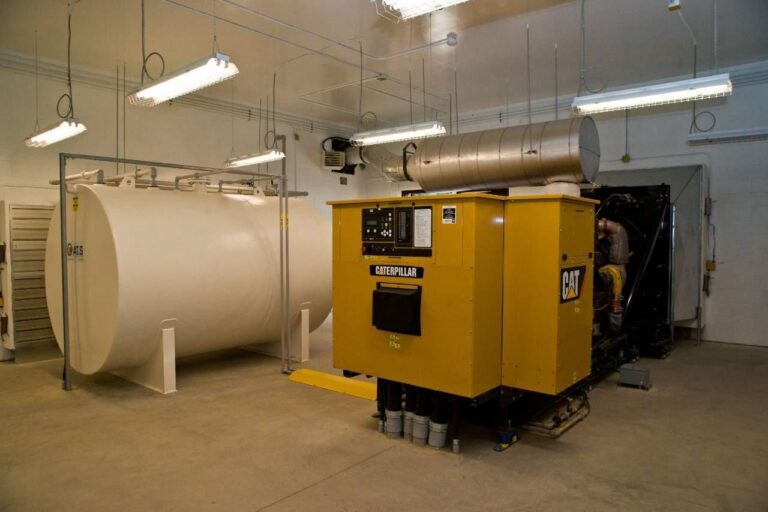
A complete expert guide to selecting the right diesel generator for homes, businesses, farms and industrial applications in South Africa.
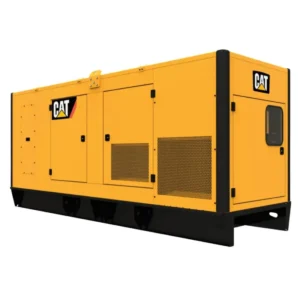
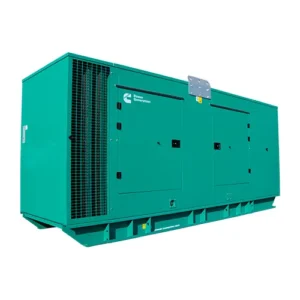
Large diesel generator supplying backup power to a commercial property in South Africa
Buying a Generator Isn’t Just About Choosing the Biggest One
If you’ve started looking for a diesel generator, you’ve probably noticed how quickly the options become overwhelming. One supplier recommends a 10kVA generator, another suggests 20kVA, while someone else insists you need three-phase power. Before long, you’re comparing fuel tanks, engine brands, noise levels and prices without really knowing which features matter for your situation.
It’s a common problem, and one that often leads people to spend far more than they need—or worse, buy a generator that struggles to power the equipment they rely on every day.
Whether you’re looking for reliable backup power for your home during load shedding, a standby generator for your business, or a heavy-duty unit for a farm, construction site or industrial facility, choosing the right generator starts with understanding your own power requirements rather than simply buying the largest model within your budget.
A generator should provide dependable electricity when the grid fails. It should start when you need it, operate efficiently, consume fuel economically and supply enough power without being overloaded. The right generator becomes a long-term investment that protects your home, business operations and productivity for many years.
This guide has been created specifically for South African buyers. It explains the factors that matter before purchasing a diesel generator, including generator sizing, fuel efficiency, generator types, installation considerations and the common mistakes buyers make. By the time you’ve finished reading, you’ll have a much clearer understanding of which generator is right for your application and why.
Why More South Africans Are Investing in Diesel Generators
Across South Africa, dependable backup power has become an essential part of running a household, business or agricultural operation. While many areas have seen improvements in grid reliability, power interruptions still occur due to maintenance, severe weather, local faults and increasing electricity demand.
For many organisations, even a short interruption can have serious consequences.
Restaurants lose refrigerated stock.
Retail stores lose sales.
Medical practices experience service disruptions.
Farmers risk interruptions to irrigation systems and livestock equipment.
Manufacturing facilities face costly production downtime.
Construction projects fall behind schedule.
Rather than waiting for the next unexpected outage, more South Africans are investing in standby diesel generators to maintain continuity whenever the main electricity supply becomes unavailable.
Diesel generators remain one of the most popular choices because they are known for their durability, fuel efficiency and ability to supply consistent power over extended operating periods. They are particularly well suited to businesses, commercial properties and industries that require dependable backup power.
Who This Generator Buying Guide Is For
This guide has been written to help buyers across a wide range of industries, including:
✔ Homeowners looking for reliable backup power
✔ Small businesses protecting daily operations
✔ Retail shops and offices
✔ Farms and agricultural operations
✔ Warehouses and distribution centres
✔ Schools and educational facilities
✔ Healthcare practices
✔ Construction companies
✔ Manufacturing plants
✔ Hospitality businesses including hotels, guest houses and lodges
Whether you’re purchasing your first generator or replacing an older unit, the same buying principles apply.
The Biggest Mistake Buyers Make
One of the most expensive mistakes people make is choosing a generator based purely on price.
A cheaper generator may seem attractive initially, but if it cannot comfortably power your equipment, you’ll likely experience nuisance tripping, voltage fluctuations, poor performance and unnecessary wear on the engine.
On the other hand, buying a generator that’s significantly larger than necessary can increase your upfront investment, fuel costs and maintenance expenses without providing any real benefit.
The goal isn’t to buy the biggest generator.
The goal is to buy the right generator.
That decision starts with understanding how much power your equipment actually requires.
The Five Questions Every Buyer Should Answer First
Before comparing brands or requesting quotations, answer these five questions:
1. What do you need to power?
Create a list of every appliance, machine or piece of equipment you want the generator to run.
For example:
| Application | Typical Equipment |
|---|---|
| Home | Lights, fridge, freezer, TV, Wi-Fi, gate motor, borehole pump |
| Office | Computers, printers, servers, networking equipment, lighting |
| Farm | Irrigation pumps, water pumps, electric fencing, cold rooms |
| Construction | Welders, compressors, power tools, lighting towers |
| Factory | Production machinery, compressors, conveyor systems |
Knowing exactly what needs power is the foundation of choosing the correct generator.
2. Will everything run at the same time?
Many buyers overestimate their requirements by assuming every appliance will operate simultaneously.
In reality, some equipment cycles on and off, while other loads are only used occasionally. Understanding your peak demand helps prevent oversizing.
3. How often will the generator be used?
Ask yourself whether the generator will be used:
- Occasionally during unexpected outages
- Daily for scheduled backup
- Every week
- As the primary power source for an off-grid site
Usage frequency influences the type of generator, engine specifications and maintenance schedule that will best suit your needs.
4. Where will the generator be installed?
The installation location affects several important decisions, including:
- Noise requirements
- Ventilation
- Exhaust routing
- Weather protection
- Security
- Ease of servicing
- Fuel storage
Planning the installation early can help avoid costly modifications later.
5. How important is fuel efficiency?
Over the life of a generator, fuel will often cost considerably more than the generator itself.
Choosing a quality diesel generator with the correct power rating can significantly reduce long-term operating costs compared with purchasing an oversized or inefficient unit.
Before You Buy, Understand This One Principle
One lesson experienced generator suppliers learn very quickly is that every customer’s application is different.
A 20kVA generator may be ideal for one business yet completely unsuitable for another, even if both spend the same amount on electricity each month. That’s because generator selection isn’t based on your electricity bill—it’s based on the type of equipment you need to power, how that equipment starts, and the total load it places on the generator.
That’s why the next step in choosing the right generator isn’t comparing brands or prices. It’s understanding generator sizing, because getting the size right is the single biggest factor in achieving reliable performance, fuel efficiency and long-term value.
How to Choose the Right Generator Size

Choosing the correct diesel generator size for a business in South Africa is easier when you follow our comprehensive Generator Sizing Guide, which explains how to calculate electrical loads, account for starting currents and select the right generator capacity.
One of the biggest misconceptions about buying a generator is that bigger is always better.
It isn’t.
An oversized generator costs more to buy, consumes more fuel than necessary and often operates inefficiently under light loads. On the other hand, an undersized generator struggles to cope with demand, increasing the risk of overloads, voltage drops and costly downtime.
The goal isn’t to buy the biggest generator available. The goal is to choose a generator that comfortably handles your expected electrical load while leaving enough spare capacity for future growth.
Getting the size right is one of the smartest investments you can make.
Understanding kVA vs kW
Before comparing generator models, it’s important to understand two terms you’ll see on almost every specification sheet:
- kVA (Kilovolt-Amps)
- kW (Kilowatts)
Although they’re closely related, they don’t mean exactly the same thing.
kW measures the actual power your equipment consumes.
kVA measures the total apparent power the generator is capable of supplying.
Most diesel generators in South Africa are rated using both values.
For example:
| Generator Rating | Typical Output |
|---|---|
| 10kVA | 8kW |
| 20kVA | 16kW |
| 40kVA | 32kW |
| 60kVA | 48kW |
| 100kVA | 80kW |
| 200kVA | 160kW |
Most commercial diesel generators are calculated using a 0.8 power factor, which means:
kVA × 0.8 = kW
As a buyer, you don’t need to perform complex electrical calculations. What matters is ensuring the generator has enough usable output for the equipment you plan to operate.
Running Power vs Starting Power
This is another area where many buyers accidentally purchase the wrong generator.
Not all electrical equipment draws the same amount of power when it starts.
Some equipment starts gently.
Others require two to three times their normal running power for a few seconds.
Examples include:
- Air compressors
- Borehole pumps
- Refrigeration compressors
- Air conditioning systems
- Electric motors
- Workshop machinery
For example:
A water pump may consume only 2kW while operating, but require 5–6kW for a few seconds when it starts.
If your generator can’t supply that additional starting current, the equipment may fail to start or repeatedly trip the generator.
That’s why experienced suppliers always calculate maximum starting demand, not just running demand.
Typical Generator Sizes for South African Applications
The following table provides a general guide.
Actual sizing depends on the equipment connected.
| Application | Recommended Generator Size |
|---|---|
| Small Apartment | 5–8kVA |
| Standard Family Home | 8–15kVA |
| Large Residential Property | 15–25kVA |
| Small Office | 15–30kVA |
| Retail Shop | 20–40kVA |
| Restaurant | 30–60kVA |
| Guest House | 40–80kVA |
| Farm | 20–100kVA |
| Construction Site | 30–150kVA |
| Factory | 100kVA+ |
This table should only be used as a starting point. A proper sizing assessment always provides the most accurate recommendation.
Step-by-Step Generator Sizing Process
Professional generator suppliers generally follow a straightforward process.
Step 1 – List Everything You Need to Power
Write down every appliance or piece of equipment.
Example:
- Lights
- Refrigerator
- Freezer
- Computers
- Printer
- Internet router
- CCTV
- Air conditioner
- Borehole pump
Don’t rely on memory—walk through the property and make a complete list.
Step 2 – Record Each Item’s Power Rating
Most appliances have a rating plate showing:
- Watts (W)
- Kilowatts (kW)
- Amps (A)
If the exact rating isn’t available, your supplier can estimate it using the equipment type and model.
Step 3 – Calculate the Running Load
Add together the running power of all equipment that will operate at the same time.
This gives you the minimum continuous output your generator must provide.
Step 4 – Allow for Starting Loads
Equipment with electric motors requires additional starting current.
Ignoring this is one of the most common sizing mistakes.
Always account for:
- Pumps
- Compressors
- Refrigeration
- Air conditioning
- Heavy workshop equipment
Step 5 – Leave Room for Future Expansion
Businesses rarely stay the same.
You might later install:
- Additional computers
- Larger pumps
- New machinery
- Security systems
- Solar battery chargers
- Air conditioning units
Choosing a generator with a sensible reserve capacity can prevent an expensive upgrade a few years later.
Common Generator Sizing Mistakes
After years of supplying generators, these are the mistakes we see most often.
Buying Based Only on Price
The cheapest generator isn’t always the most economical.
A generator that’s too small often works harder, consumes more fuel under heavy load and has a shorter service life.
Forgetting Motor Starting Current
Many buyers only total the running wattage.
Then the first time the pump starts, the generator overloads.
Always include starting demand.
Assuming Bigger Is Better
Oversized generators frequently operate below their ideal load.
This reduces efficiency and may increase maintenance requirements over time.
Correct sizing almost always delivers better value than simply buying the largest available model.
Ignoring Future Growth
A business that’s expanding may outgrow its generator surprisingly quickly.
Allowing modest spare capacity today is usually more cost-effective than replacing the generator in a few years.
Single Phase or Three Phase?
This is one of the first questions a reputable supplier should ask.
Choosing the wrong electrical phase can prevent your equipment from operating correctly.
Single-Phase Generators
Single-phase generators are typically used for:
- Houses
- Apartments
- Small offices
- Small retail shops
- Light commercial applications
If your property uses standard household electricity, a single-phase generator is often the right choice.
Three-Phase Generators
Three-phase generators are designed for heavier electrical loads.
They’re commonly used for:
- Factories
- Warehouses
- Farms
- Workshops
- Construction sites
- Manufacturing plants
- Large commercial buildings
Three-phase generators are essential where industrial machinery or high-powered motors are involved.
If you’re still unsure whether your property requires a single-phase or three-phase generator, our Generator Sizing Guide explains how to assess your electrical load and choose the right generator configuration.
Should You Leave Spare Capacity?
Absolutely—but don’t overdo it.
A good rule of thumb is to leave enough capacity to accommodate occasional peak loads and reasonable future expansion without oversizing the generator.
The ideal amount of spare capacity depends on your application, but selecting a generator that is comfortably matched to your expected demand generally provides the best balance between performance, fuel efficiency and long-term reliability.
Expert Tip
Don’t choose a generator based solely on your monthly electricity bill.
Two businesses can spend exactly the same amount on electricity yet require completely different generator sizes because their equipment, operating hours and starting loads are different.
The most reliable way to choose the correct generator is to assess the actual equipment you intend to power rather than estimating based on electricity costs.
Choosing the Right Type of Generator

We offer a wide selection of Diesel Generators for Sale, ranging from compact residential units to heavy-duty commercial and industrial generators built for demanding operating conditions.
Choosing the correct generator size is only half the decision.
The next step is selecting the right type of generator for your environment, operating hours and application.
Many buyers focus entirely on engine size while overlooking features that can have an even greater impact on day-to-day performance. Noise levels, cooling systems, automatic operation and intended usage all influence which generator will provide the best long-term value.
Let’s look at the key differences.
Diesel vs Petrol Generators
One of the first questions buyers ask is whether they should choose a diesel or petrol generator.
While both have their place, diesel generators are generally the preferred choice for businesses, farms and commercial properties in South Africa.
Diesel Generators
Advantages
✔ Better fuel efficiency
✔ Lower operating costs over time
✔ Longer engine life
✔ Built for continuous operation
✔ Excellent for standby and commercial applications
✔ Safer fuel storage compared to petrol
Best suited for
- Homes requiring reliable backup power
- Businesses
- Farms
- Offices
- Industrial facilities
- Construction sites
- Medical facilities
Petrol Generators
Petrol generators are typically smaller and more portable.
They’re often used for occasional backup power or recreational purposes rather than demanding commercial applications.
Advantages
✔ Lower initial purchase price
✔ Lightweight
✔ Portable
✔ Ideal for occasional use
Best suited for
- Camping
- Outdoor events
- DIY projects
- Temporary lighting
- Small portable equipment
Which One Should You Choose?
If your generator will be used regularly, or if dependable backup power is critical, a diesel generator is usually the better long-term investment.
Although diesel generators often cost more upfront, they generally offer lower running costs, greater durability and longer service intervals, making them the preferred choice for most residential, commercial and industrial applications.
Silent vs Open Diesel Generators
Another important decision is whether you need a silent (canopied) generator or an open-frame generator.
The right choice depends largely on where the generator will be installed.
Silent Diesel Generators
Silent generators are enclosed within a sound-attenuated canopy that helps reduce operating noise while protecting internal components from weather and dust.
Advantages
✔ Much quieter operation
✔ Weather protection
✔ Professional appearance
✔ Better suited to residential and commercial environments
✔ Reduced maintenance caused by environmental exposure
Ideal Applications
- Homes
- Offices
- Schools
- Guest houses
- Hotels
- Retail centres
- Medical practices
If the generator will operate near people, neighbouring businesses or residential properties, a silent generator is usually the best option.
Open Diesel Generators
Open generators do not have a soundproof enclosure.
Instead, the engine and alternator remain exposed, allowing easier access for servicing.
Advantages
✔ Lower purchase cost
✔ Easier maintenance access
✔ Suitable for dedicated generator rooms
✔ Popular for industrial installations
Ideal Applications
- Factories
- Engineering workshops
- Construction sites
- Mining operations
- Agricultural facilities
- Generator rooms with acoustic treatment
Open generators are generally recommended where noise is less of a concern or where the installation already includes a purpose-built enclosure.
Standby vs Prime Power Generators
Not every generator is designed to operate the same way.
Understanding the difference between standby and prime power ratings is essential before making a purchase.
Standby Generators
Standby generators are intended to operate only when utility power fails.
They remain off during normal conditions and start automatically or manually when electricity is interrupted.
Typical examples include:
- Homes
- Offices
- Retail stores
- Restaurants
- Schools
- Medical practices
For most South African businesses, a standby generator is the most practical choice.
Prime Power Generators
Prime power generators are designed to operate for extended periods as the primary electricity source.
They are commonly used where no reliable grid connection exists.
Typical applications include:
- Remote farms
- Mining operations
- Construction sites
- Rural developments
- Telecommunications infrastructure
- Off-grid facilities
These generators are engineered for continuous operation and are generally built with heavier-duty components.
Air-Cooled vs Water-Cooled Diesel Generators
Cooling systems play a major role in engine performance and reliability.
Air-Cooled Generators
Air-cooled engines use airflow to remove heat.
They’re usually found in smaller generators intended for lighter-duty applications.
Advantages
✔ Simpler design
✔ Lower maintenance
✔ Lower purchase price
Suitable for
- Smaller homes
- Light commercial applications
- Occasional standby use
Water-Cooled Generators
Water-cooled engines circulate coolant through the engine to maintain stable operating temperatures.
This design is far more effective during long operating hours.
Advantages
✔ Better cooling efficiency
✔ Longer engine life
✔ Lower operating temperatures
✔ Improved reliability
✔ Suitable for extended running periods
Water-cooled systems are commonly found in medium and large commercial diesel generators.
Manual Start or Automatic Start?
Modern diesel generators offer different starting methods depending on the application.
Manual Start
The operator starts the generator manually whenever a power outage occurs.
Suitable for:
- Farms
- Workshops
- Small businesses
- Occasional standby applications
Electric Start
Electric start generators use a battery-powered starter motor, making them quicker and easier to start than recoil or manual systems.
Many commercial diesel generators include electric start as standard.
Automatic Start (ATS Compatible)
For businesses where uninterrupted power is essential, an Automatic Transfer Switch (ATS) can start the generator within seconds of a power failure.
The ATS detects the outage, starts the generator automatically and transfers the electrical load without requiring manual intervention.
Once grid power returns, the ATS switches the load back and safely shuts the generator down.
What Is an Automatic Transfer Switch (ATS)?
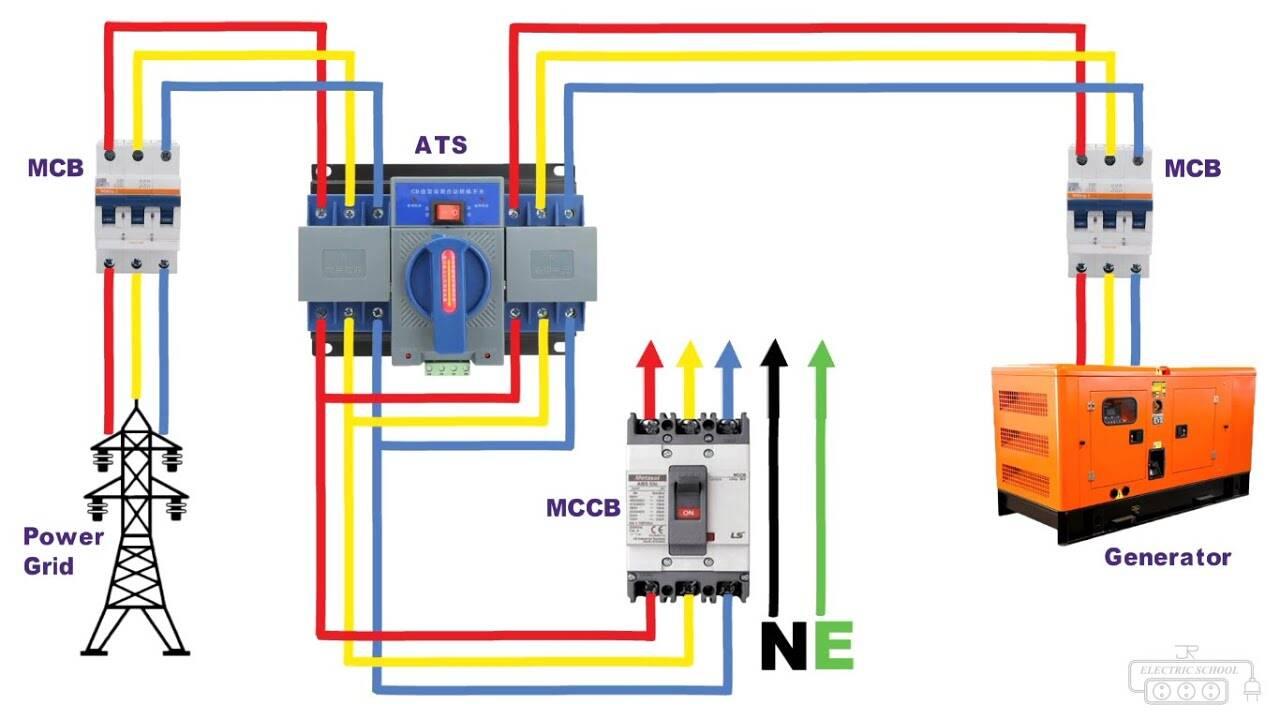
Automatic transfer switch connected to a commercial diesel generator
An Automatic Transfer Switch is one of the most valuable upgrades you can add to a standby generator.
Instead of rushing to start the generator manually during a power outage, the ATS performs the entire process automatically.
This is particularly beneficial for:
- Medical facilities
- Data rooms
- Offices
- Security systems
- Farms with automated equipment
- Cold storage facilities
- Businesses that cannot afford downtime
Although an ATS adds to the initial installation cost, it significantly improves convenience, response time and operational continuity.
Which Generator Is Right for Your Application?
Choosing the right generator becomes much easier once you match the generator type to your intended use.
| Application | Recommended Generator Type |
|---|---|
| Home | Silent standby diesel generator |
| Small Office | Silent standby diesel generator |
| Retail Store | Silent standby diesel generator |
| Farm | Water-cooled diesel generator |
| Construction Site | Open-frame prime power generator |
| Factory | Three-phase water-cooled diesel generator |
| Warehouse | Standby diesel generator with ATS |
| Guest House | Silent diesel generator with ATS |
| Medical Practice | Silent standby generator with ATS |
| Industrial Plant | Prime power three-phase diesel generator |
This table serves as a general guide. Every installation has unique power requirements, so it’s always advisable to select a generator based on a proper load assessment rather than application type alone.
Don’t Focus Only on the Purchase Price
It’s natural to compare generator prices, but the initial purchase cost is only one part of the investment.
A generator with a lower purchase price may ultimately cost more if it:
- Consumes more fuel
- Requires frequent maintenance
- Has limited spare parts availability
- Doesn’t meet your power requirements
- Experiences more downtime
When evaluating different models, consider the total cost of ownership, including fuel efficiency, servicing, reliability, warranty support and expected lifespan.
A quality diesel generator often provides better value over many years of operation than a cheaper alternative that struggles to keep up with demand.
Expert Tip
Think beyond today’s requirements.
Many businesses expand over time, adding more equipment, staff or operating hours. Choosing a generator that can comfortably support reasonable future growth can save you from replacing the unit sooner than expected.
Generator Fuel Costs, Installation & Long-Term Ownership
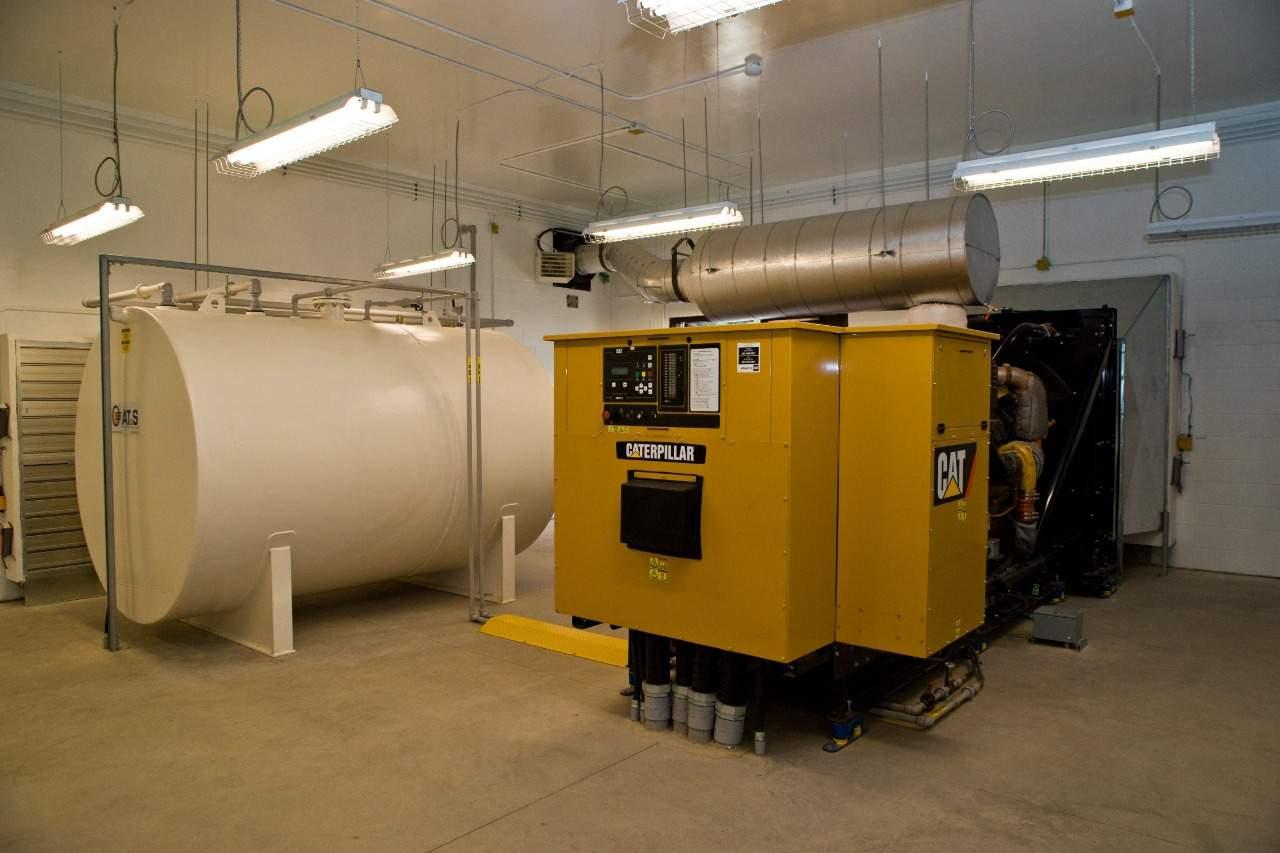
Professional installation and maintenance of a commercial diesel generator in South Africa. Read our Generator Installation Guide to learn about site preparation, ventilation, ATS integration and installation best practices.
Buying the right generator is only the beginning.
To get the best return on your investment, you also need to understand what it costs to operate, how it should be installed and what routine maintenance is required to keep it running reliably for years.
A well-maintained diesel generator can provide dependable backup power for thousands of operating hours. On the other hand, poor installation or neglected servicing can shorten its lifespan and lead to expensive repairs.
This section covers the practical aspects every buyer should know before making a purchase.
Understanding Generator Fuel Consumption
One of the first questions customers ask is:
“How much diesel will my generator use?”
The honest answer is that there isn’t a single fuel consumption figure that applies to every generator.
Fuel usage depends on several factors, including:
- Generator size
- Engine efficiency
- Electrical load
- Running hours
- Maintenance condition
- Ambient temperature
- Fuel quality
A generator running at 40% load will generally consume less fuel than the same generator operating at 80% load. Likewise, a properly maintained engine is usually more fuel-efficient than one with clogged filters or overdue servicing.
The most economical generator is not necessarily the smallest—it’s the one that’s correctly matched to your power requirements.
👉 Generator Fuel Consumption Guide
What Affects Fuel Efficiency?
Several factors influence how efficiently a diesel generator operates.
Correct Generator Sizing
An oversized generator may spend most of its life running well below its ideal operating range.
Conversely, an undersized generator may be forced to work continuously at or near full capacity, increasing fuel consumption and wear.
Selecting the correct generator size is one of the best ways to improve long-term fuel economy.
Engine Quality
Well-known engine manufacturers invest heavily in fuel efficiency, emissions control and durability.
A quality engine often delivers lower operating costs over its lifetime compared to a cheaper alternative.
Load Management
Running only the equipment you actually need can noticeably reduce diesel consumption.
Where practical, avoid connecting unnecessary loads during power outages.
Regular Servicing
Simple maintenance tasks such as replacing air filters, changing engine oil and inspecting fuel filters help maintain peak efficiency.
Skipping routine servicing often leads to higher fuel consumption and reduced engine life.
Generator Installation Matters More Than Most Buyers Realise
A quality generator deserves a quality installation.
Even the best generator can experience problems if it’s installed incorrectly.
Professional installation improves:
- Safety
- Performance
- Reliability
- Fuel efficiency
- Ventilation
- Service accessibility
- Equipment lifespan
If you’re investing in backup power for your home or business, installation should never be treated as an afterthought.
Choosing the Right Installation Location
Before installation, consider where the generator will operate.
The location should provide:
✔ Adequate airflow
✔ Easy maintenance access
✔ Weather protection
✔ Stable foundation
✔ Safe exhaust routing
✔ Security against theft
✔ Sufficient clearance around the unit
Avoid placing generators in enclosed spaces without proper ventilation, as diesel engines produce exhaust gases that must be safely dispersed.
Outdoor installations should also be protected from excessive dust, flooding and direct exposure to the elements where possible.
Why Ventilation Is So Important
Every diesel engine generates heat during operation.
Without sufficient airflow, temperatures rise quickly, increasing the risk of overheating and reducing engine efficiency.
Good ventilation helps:
- Maintain stable operating temperatures
- Improve engine performance
- Extend component life
- Reduce unnecessary shutdowns
This is especially important when generators are installed inside dedicated generator rooms or plant rooms.
Generator Noise Levels
Noise is another factor that buyers sometimes overlook.
If the generator is located close to homes, offices or neighbouring properties, excessive noise can quickly become a problem.
Silent diesel generators use specially designed acoustic canopies to reduce operating noise while protecting internal components from weather and dust.
For residential estates, office parks, schools and hospitality businesses, silent generators are usually the preferred choice.
Routine Generator Maintenance
Like any engine, a diesel generator performs best when it’s serviced regularly.
Routine maintenance helps identify small issues before they become major repairs and ensures the generator is ready whenever it’s needed.
Typical maintenance includes:
- Engine oil replacement
- Oil filter replacement
- Fuel filter replacement
- Air filter inspection or replacement
- Coolant level checks (water-cooled models)
- Battery testing
- Belt inspection
- Hose inspection
- Electrical connection checks
- General cleaning
Manufacturers usually provide recommended service intervals based on operating hours.
Keeping accurate service records also helps protect warranty coverage.
Should You Test Your Generator?
Absolutely.
One of the biggest mistakes owners make is leaving a generator unused for months and assuming it will start perfectly during an emergency.
Regular testing helps ensure:
- The battery remains healthy
- Fuel systems stay clean
- Electrical systems operate correctly
- Any faults are detected early
A short scheduled test every month can provide valuable peace of mind.
Understanding Generator Warranties
Not all generator warranties are the same.
Before purchasing, ask your supplier:
- What is the warranty period?
- What does the warranty cover?
- Are labour costs included?
- Are travel costs included?
- Are genuine replacement parts used?
- Is nationwide support available?
- What maintenance is required to keep the warranty valid?
Reading the warranty terms before buying can prevent misunderstandings later.
Spare Parts Availability
A generator is a long-term investment.
Before selecting a brand, confirm that replacement parts are readily available in South Africa.
Common service items include:
- Oil filters
- Fuel filters
- Air filters
- Starter motors
- Alternators
- Batteries
- Belts
- Water pumps
- Sensors
Choosing a reputable brand with established local support generally makes future servicing much easier.
How to Choose a Reliable Generator Supplier
Not every supplier offers the same level of expertise or after-sales support.
When comparing suppliers, look beyond the price.
A reputable supplier should be able to:
✔ Help calculate the correct generator size
✔ Explain fuel consumption
✔ Recommend suitable generator types
✔ Provide installation guidance
✔ Offer warranty support
✔ Supply spare parts
✔ Arrange servicing
✔ Answer technical questions before and after the sale
A knowledgeable supplier acts as a long-term partner rather than simply selling equipment.
Questions to Ask Before You Buy
Before accepting a quotation, ask:
- Is this generator correctly sized for my application?
- Is it single-phase or three-phase?
- Is it standby-rated or prime-rated?
- Is it ATS compatible?
- What is the expected fuel consumption under typical load?
- What warranty is included?
- Are spare parts available locally?
- What maintenance schedule is recommended?
- Can installation be arranged?
- Are commissioning and testing included?
A supplier who can confidently answer these questions is far more likely to recommend the right solution for your needs.
Common Buying Mistakes to Avoid
After helping customers choose generators for many different applications, several mistakes come up repeatedly.
Buying Based on Price Alone
A lower purchase price doesn’t always mean lower ownership costs.
Reliability, fuel efficiency and after-sales support often prove more valuable over the life of the generator.
Ignoring Future Power Requirements
Many buyers size a generator only for today’s needs.
If you expect to expand your business, install new equipment or increase production, it’s worth discussing future requirements before making a purchase.
Choosing an Unknown Brand Without Support
An inexpensive generator can become costly if replacement parts or technical support are difficult to obtain.
Buying from a supplier with reliable local support can save significant time and money in the future.
Skipping Professional Installation
Improper installation can affect performance, safety and warranty coverage.
Professional installation helps ensure the generator operates as intended from day one.
Forgetting About Ongoing Maintenance
Even the best diesel generator requires regular servicing.
Planning for routine maintenance from the outset helps protect your investment and minimise unexpected downtime.
Expert Advice
A generator isn’t something most people buy every year.
It’s an investment that’s expected to provide reliable power for many years, often in situations where failure simply isn’t an option.
Taking the time to choose the right size, the right type and a trusted supplier is far more important than saving a small amount on the initial purchase price.
A well-chosen diesel generator can deliver dependable performance, lower operating costs and confidence that your home or business will remain powered when it matters most.
Frequently Asked Questions About Buying a Generator
These are some of the most common questions we receive from customers looking for reliable backup power in South Africa.
What size generator do I need?
The correct generator size depends on the total electrical load you need to power, including the starting power required by motors, pumps and compressors.
A small home may only require an 8–10kVA generator, while a factory or agricultural operation could require 100kVA or more.
The best approach is to calculate your expected running load and allow sufficient capacity for starting currents and future expansion.
Is a diesel generator better than a petrol generator?
For most residential, commercial and industrial applications, yes.
Diesel generators generally offer:
- Better fuel efficiency
- Longer engine life
- Lower running costs
- Greater reliability
- Better performance during extended operation
Petrol generators are more suitable for light-duty or occasional portable use.
How long can a diesel generator run continuously?
Most quality diesel generators can operate for many hours, provided they are correctly sized, properly maintained and supplied with adequate fuel.
The exact running time depends on:
- Fuel tank capacity
- Generator load
- Ambient temperature
- Maintenance condition
Always follow the manufacturer’s recommendations regarding operating hours and service intervals.
Can a generator power my entire house?
Yes, provided it has sufficient capacity.
Some homeowners choose a generator capable of powering the entire property, while others prefer to operate only essential circuits such as lighting, refrigeration, security systems and selected appliances.
Choosing the right size depends on your priorities and budget.
Do I need a single-phase or three-phase generator?
Single-phase generators are suitable for most homes and many small businesses.
Three-phase generators are typically required for industrial machinery, large pumps, manufacturing equipment and other high-powered commercial applications.
If you’re unsure, your electrical installation or equipment specifications will indicate which supply is required.
Should I install an Automatic Transfer Switch (ATS)?
An ATS is highly recommended where uninterrupted power is important.
It automatically detects a power failure, starts the generator and transfers the electrical load without manual intervention.
This is particularly useful for businesses, medical facilities, offices, farms and properties where downtime is unacceptable.
How often should a generator be serviced?
Service intervals vary depending on the manufacturer and operating hours.
Routine maintenance typically includes:
- Oil changes
- Filter replacements
- Battery inspections
- Coolant checks
- General inspections
Following the recommended maintenance schedule helps maximise performance, reliability and engine life.
Where should a generator be installed?
Generators should be installed on a stable surface with adequate ventilation and sufficient clearance for servicing.
The installation location should also allow safe exhaust discharge and protection from excessive weather exposure.
Professional installation is recommended to ensure safe and reliable operation.
Generator Buying Checklist
Before purchasing a generator, use this checklist to make sure you’ve considered the most important factors.
✓ Determine Your Power Requirements
List all the appliances, machinery or equipment you want to operate.
✓ Calculate Generator Size
Allow for both running power and starting power.
✓ Choose the Correct Phase
Decide whether your installation requires single-phase or three-phase power.
✓ Select the Right Generator Type
Consider:
- Standby or prime power
- Silent or open generator
- Air-cooled or water-cooled
✓ Compare Fuel Efficiency
Look beyond the purchase price and consider long-term operating costs.
✓ Check Warranty Support
Understand exactly what is covered before buying.
✓ Confirm Spare Parts Availability
Choose brands supported by reliable parts and service networks.
✓ Plan the Installation
Ensure adequate ventilation, accessibility and safe placement.
✓ Consider Future Expansion
Allow reasonable capacity for future growth where appropriate.
✓ Buy From a Trusted Supplier
Choose a supplier that offers expert advice, technical support and after-sales service—not just competitive pricing.
Why Choosing the Right Supplier Matters
Buying a generator isn’t simply about selecting a product from a catalogue.
A reputable supplier helps ensure the generator is correctly sized, properly specified and suitable for your intended application.
From initial consultation through to delivery, installation and ongoing support, working with an experienced supplier can make the entire process simpler and more cost-effective.
If you’re unsure which generator is right for your home, business, farm or industrial facility, professional advice can help you avoid expensive mistakes and ensure you invest in a solution that meets both your current and future power requirements.
Final Thoughts
A diesel generator is more than just backup equipment—it’s an investment in continuity, productivity and peace of mind.
Whether you’re protecting your family during unexpected power outages, keeping your business operational, supporting agricultural activities or maintaining essential industrial processes, selecting the right generator is one of the most important decisions you’ll make.
Instead of focusing only on purchase price, consider the factors that truly determine long-term value:
- Correct generator sizing
- Fuel efficiency
- Reliability
- Quality components
- Professional installation
- Routine maintenance
- Warranty support
- Availability of spare parts
- Trusted after-sales service
By taking these factors into account, you’ll be far more likely to choose a generator that delivers dependable performance for years to come.
Ready to Find the Right Generator?
Choosing the right generator doesn’t have to be complicated.
Whether you need reliable backup power for a home, office, farm, construction site or industrial facility, selecting the correct generator starts with understanding your power requirements.
Our team can help you identify the most suitable solution based on your application, electrical load and budget, ensuring you invest in a generator that delivers dependable performance and long-term value.
Need expert advice or a personalised quotation?
Browse our Diesel Generators range or Get a Quote, and we’ll help you choose the right generator for your needs.