
Best Backup Generator for Home in South Africa: Sizes, Prices and What to Look For
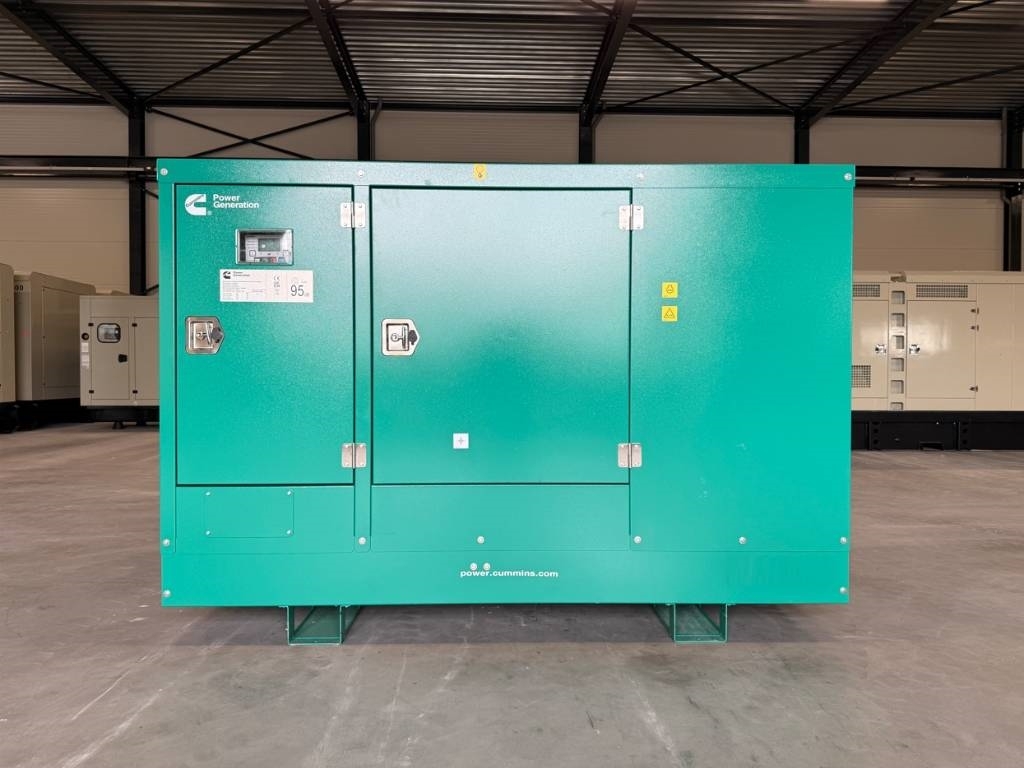
Looking for the best backup generator for home use in South Africa? For most South African homes, the best backup generator is a single-phase diesel unit of 10 to 12.5kVA, with an automatic voltage regulator and an automatic transfer switch, from a brand with parts and service support in this country. That size keeps a normal family home running through an outage without anyone having to think about what’s switched on.
Smaller homes and flats can do very well with less. Big homes with several aircons need more. Below I’ll help you work out where your house fits, what to look for beyond the size, and what it will actually cost to run.
Quick picks by type of home
| Your home | Good fit | Price |
|---|---|---|
| Flat, cottage or small house, essentials only | 7.25kVA Hyundai | R18,500 excl. VAT R21,275 incl. VAT |
| Family home, essentials plus kettle or microwave | 10kVA Hyundai | R23,800 excl. VAT R27,370 incl. VAT |
| Bigger home, or one or two aircons | 12.5kVA Hyundai | R27,900 excl. VAT R32,085 incl. VAT |
| Estate or complex where noise matters | 12kVA Stephill (59dB) | R45,800 excl. VAT R52,670 incl. VAT |
| Large home, most things running at once | 16kVA Hyundai | R35,800 excl. VAT R41,170 incl. VAT |
| Very large home, close to normal living | 25kVA single-phase Hyundai | R54,800 excl. VAT R63,020 incl. VAT |
Prices are for the generator itself. Installation, a changeover switch and delivery are quoted separately, because they depend on your property.
Step one: essentials or the whole house?
This one decision sets your budget more than anything else. An essentials setup keeps the lights, fridges, TV, Wi-Fi, security and borehole going, plus the kettle or microwave one at a time. That’s usually 3 to 6kW, which a 7.25 to 10kVA generator covers comfortably.
Whole-house backup means living as normal: aircons, cooking and the geyser, often at the same time. A geyser alone draws 3 to 4kW for hours, and a stove with everything on can pass 8kW. That’s 16kVA territory and up, and it costs more to buy and to run.
Most families land in the middle: everything except the geyser and heavy cooking. For that, 10 or 12.5kVA is the sweet spot. If you want to see the numbers, our guide to what a 10kVA generator can run walks through a real household load, and choosing a 12.5kVA for a house covers the next size up.
Single phase, not three phase
Almost every South African house has a single-phase supply, and a single-phase generator is the right match. A three-phase generator splits its output three ways, so a 10kVA three-phase unit gives you only about a third of its power on each phase. That can leave a normal house short even though the generator is barely working. Only go three-phase if your property already has a three-phase supply, and have your electrician balance the loads.
Diesel, petrol or batteries?
Small petrol generators are cheap to buy and easy to carry, and for a few hours of lights and a fridge they’re fine. For a home that wants dependable backup through long outages, diesel wins. It uses less fuel for the same work, diesel is safer to store than petrol, and diesel engines last far longer. Our diesel vs petrol comparison goes into the detail.
Inverters and batteries are quiet and run for free once installed, but they only last as long as the batteries do. Plenty of homes now use both: batteries for the short outages and the quiet evening hours, and a diesel generator for the long ones that would drain the batteries flat. If you already have an inverter, tell us, because it changes what size generator you need.
Noise: check before you buy
In an estate or complex, noise can decide the whole purchase, and some estates have rules about it. Look for the noise figure measured at 7 metres. Most canopied home generators sit around 65 to 70dB(A). The 12kVA Stephill runs at just 59dB(A), about the level of normal conversation, which is why it’s popular in complexes. Where you put the generator matters too: away from bedroom windows and your neighbour’s, with airflow around it.
Is an automatic transfer switch worth it?
With a manual changeover switch, someone has to go outside, start the generator and flip the switch. That’s cheaper and works well if someone is usually home. An automatic transfer switch (ATS) does it for you within seconds and switches back when the grid returns.
An ATS is worth the money if you travel, work away from home, have elderly family or medical equipment in the house, or rely on your gate, alarm and cameras staying on at night. Most of our home generators are ATS-ready, so you can also add one later.
What it costs to run
A 10kVA diesel uses roughly 2 litres an hour at a typical household load. A four-hour evening outage therefore costs about 8 litres of diesel. A 12.5kVA uses a little more for the same work. Buying a much bigger generator than you need doesn’t just cost more upfront; a diesel running at a very light load for long periods also runs poorly. Our fuel guides for the 10kVA and 12.5kVA break it down by load.
Choosing a brand for home backup
For home backup, a reliable diesel engine at 1500rpm, an AVR and easy access to parts matter more than the badge. Hyundai offers the best value, Stephill the quietest units, and Cummins and Cat the most robust engines. For a full brand-by-brand comparison, see our guide to the best generator brands in South Africa.
Installation is part of the purchase
A generator that feeds your house wiring must be connected through a changeover switch by a registered electrician, who issues a Certificate of Compliance. That switch also stops the generator pushing power back into the street supply, which is dangerous for anyone working on the lines. Budget for installation from the start. Our guide to generator installation requirements in South Africa explains what the rules say.
Mistakes we see most often
Buying on price alone. A cheap generator with no local parts support becomes an expensive paperweight the first time something breaks.
Guessing the size. Too small and it trips every time the borehole pump starts. Too big and you pay more for the machine and for every hour it runs. Ten minutes with a list of your appliances saves a lot of money; our sizing guide shows you how.
Forgetting starting power. Pumps, fridges and older aircons pull several times their running power for a second or two when they start. Leave headroom for that.
Skipping maintenance. A generator that sits for months and is never serviced often won’t start on the one night you need it. Run it briefly every few weeks and service it on schedule.
Our honest recommendation
If you’re not sure, start with a 10kVA for a normal family home, or a 12.5kVA if you have aircons or a big household. Add an automatic transfer switch if nobody is reliably home. If noise is a concern, look at the Stephill. And if your needs are small, don’t let anyone talk you into more generator than you need; the 7.25kVA is a genuinely good machine for essentials.
Send us a list of what you want to run and whether you have an inverter, and we’ll tell you straight which size fits. Get a quote here, or browse our full range of home generators.
Ready to compare costs? See our home generator prices guide for every size from 7.25 to 25kVA.
In Johannesburg? Our Johannesburg generators page shows which sizes Joburg homes usually pick.
In Cape Town? Our Cape Town generators page explains why heaters, not aircons, usually decide the size there.
In Durban? Our Durban generators page shows which sizes coastal homes usually pick.
Questions people ask
What size generator does a typical South African home need?
For the essentials plus the kettle or microwave, 10kVA. With aircons or a larger household, 12.5kVA. For essentials only in a small home, 7.25kVA is enough.
Can a generator power my entire house?
Yes, with a big enough generator, usually 16kVA or more. Most people save money by keeping the geyser off the generator circuit.
Can I install a generator myself?
You can plug appliances into it with extension leads. Connecting it to your house wiring must be done by a registered electrician with a Certificate of Compliance.
How often should a home generator be serviced?
Follow the manual’s service interval, which for many small diesels is every 200 to 250 running hours, and at least once a year even if it hardly runs.
Is a diesel generator better than petrol for a home?
For regular, long outages, yes: lower running costs, safer fuel storage and a much longer life. For occasional short use, a small petrol unit can do the job.