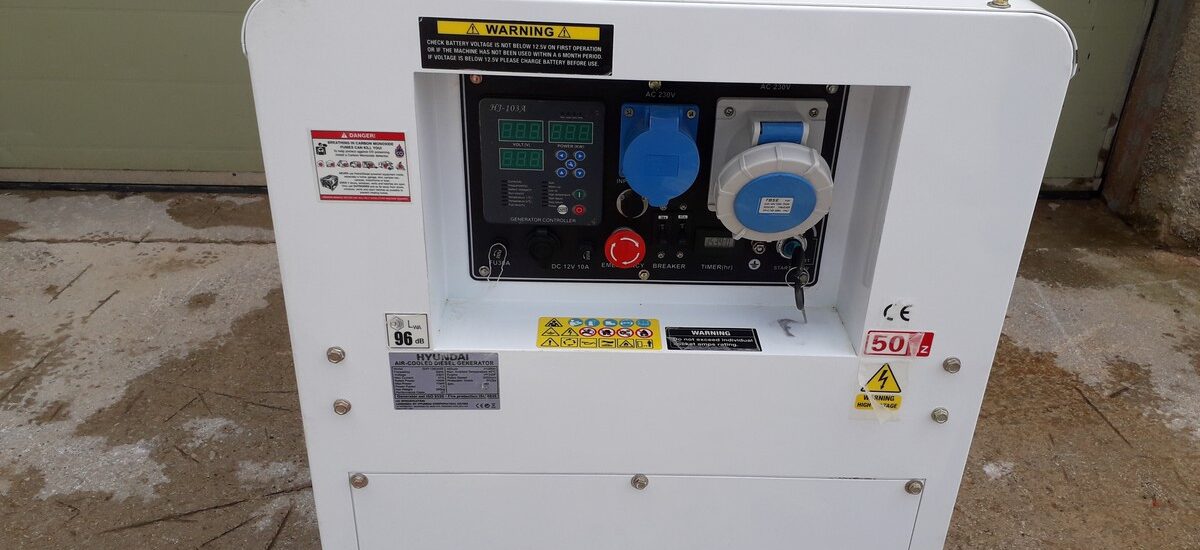
What Can a 10kVA Generator Power? (Power Capacity Explained)
People in South Africa are now more aware of how important it’s to have reliable backup power. With planned load shedding and sudden power outages a dependable diesel generator can keep equipment working and reduce disruption. A question we often get is what can a 10kVA generator power. Is it good for a home, business or farm.
The answer depends on more than just the generator’s advertised size. You need to understand usable power output, starting currents and how different appliances affect the total load. This guide explains what can a 10kVA generator power in real-world South African applications, helping you choose the right backup solution while avoiding expensive sizing mistakes.
Before investing in a backup generator, it’s worth checking the latest Eskom load shedding updates and electricity supply information to stay informed about planned outages, electricity supply notices and expected load shedding in your area. Understanding your local power situation can help you determine the most appropriate backup power solution for your home or business.
Understanding a 10kVA Generator’s Actual Power Output
When you buy a generator for the time you might think that a 10kVA generator gives you 10 kilowatts of power that you can actually use. That is not true. The thing is, generators are measured in kilovolt-amperes or kVA for short. On the other hand, the power used by most homes and businesses is measured in kilowatts or kW.
Most diesel generators work at a power factor of 0.8 which means:
| Generator Rating | Approximate Usable Power |
|---|---|
| 10kVA | 8kW |
| Continuous Output | Around 8,000 Watts |
This means a quality 10kVA diesel generator can comfortably supply approximately 8kW of continuous electrical load, making it suitable for a wide range of residential and commercial applications.
For readers who would like to explore the manufacturer’s technical information, engine features and product range in more detail, the official Hyundai Power Products generator specifications provide additional information on Hyundai generators and their performance characteristics.
Knowing this conversion is the first step in understanding what can a 10kVA generator power, because every appliance connected contributes towards that available 8kW.
Why Starting Power Matters
Many electrical appliances require significantly more power when they first start than when they are running normally.
This is known as starting current, surge load or inrush current.
Examples include:
- Borehole pumps
- Air compressors
- Refrigeration compressors
- Air conditioning units
- Electric motors
- Workshop machinery
A refrigerator usually uses 300 watts but when it first starts up it might need over 1,000 watts for a little while.
The same thing happens with a water pump that is supposed to use 1.5 kilowatts. It might need than double that for a few seconds when it starts.
That is why people who know a lot, about generators never pick a size based on how much power things use when they are running.
Starting power matters. That is why it is so important to consider Starting Power when you are choosing a generator.
Starting Power is what makes sure your appliances work right when you turn them on.
What Can a 10kVA Generator Power in a Typical South African Home?
For households the question of what a 10kVA generator can power is not about running every single electrical appliance. It is more, about keeping you comfortable, secure and able to get things done when there is load shedding.
A 10kVA diesel generator that is properly managed can power a 10kVA generator can comfortably operate:
| Appliance | Typical Running Consumption |
|---|---|
| LED Lighting (Entire Home) | 150–400W |
| Refrigerator | 150–300W |
| Freezer | 200–400W |
| Television | 80–250W |
| Fibre Router & Wi-Fi | 20–40W |
| Laptop Computers | 60–120W each |
| Desktop Computer | 250–500W |
| Microwave (Intermittent Use) | 1,000–1,500W |
| Washing Machine | 500–1,000W |
| Dishwasher | 1,200–1,500W |
| Small Water Pump | 750–1,500W |
This combination still leaves capacity available, provided high-demand appliances are managed sensibly.
Example: Load Shedding at a Family Home
Imagine a four-bedroom home experiencing Stage 6 load shedding.
The homeowner wants to keep essential services running without interruption.
Typical electrical load:
| Appliance | Power |
|---|---|
| Lighting | 300W |
| Fridge | 250W |
| Freezer | 300W |
| Television | 150W |
| Wi-Fi Router | 30W |
| Alarm System | 80W |
| Electric Gate Motor | Intermittent |
| Laptop | 100W |
| Phone Chargers | 50W |
| Borehole Pump (Occasional) | 1,200W |
Total running load:
Approximately 2.5–3kW
This is well within the continuous operating range of a quality 10kVA diesel generator, leaving additional capacity for occasional appliance use such as a microwave or kettle—provided they are not all switched on simultaneously.
This practical example demonstrates what can a 10kVA generator power in a real South African household without placing unnecessary strain on the generator.
Can a 10kVA Generator Run an Entire House?
This is one of the most common questions customers ask, and the honest answer is: it depends on the home’s electrical demand.
A 10kVA generator can often power an entire average-sized home if energy-intensive appliances are managed carefully. However, if several high-load devices operate at the same time, the generator can become overloaded.
Examples of appliances that consume significant power include:
- Electric geysers
- Underfloor heating
- Electric ovens
- Large induction cooktops
- Multiple air conditioning units
- Electric heaters
- Jacuzzi pumps
- Pool heat pumps
These appliances can quickly exceed the available capacity, even if the rest of the home’s electrical demand is relatively modest.
Many homeowners choose to exclude these non-essential circuits from their backup supply using a professionally installed changeover system. This allows the generator to prioritise lighting, refrigeration, internet connectivity, security systems, televisions and selected plug circuits while maintaining a comfortable safety margin.
If you’re unsure which generator size best suits your property’s electrical requirements, our Generator Sizing Guide explains how to calculate your expected load accurately before purchasing.
What Can a 10kVA Generator Power for a Small Business?
A 10kVA diesel generator is also a choice for South African businesses that need reliable backup power when the electricity is out. For a business like a retail store or an office or a workshop or a service-based business they usually do not need to turn on every single electrical device at the same time. They just need enough power to keep the business running.
Typical business loads that a 10kVA generator can support include:
| Equipment | Typical Consumption |
|---|---|
| Desktop Computers | 200–400W each |
| Laptops | 60–120W each |
| POS Systems | 50–150W |
| Network Equipment | 100–300W |
| CCTV Systems | 80–250W |
| Security Systems | 50–150W |
| LED Office Lighting | 300–800W |
| Printers (Occasional Use) | 500–1,000W |
| Small Display Refrigeration | 300–800W |
For many offices and retail environments, this provides more than enough capacity to continue serving customers during power interruptions.
Understanding what can a 10kVA generator power helps business owners prioritise essential equipment, ensuring productivity continues without overloading the generator.
“If these applications match your backup power needs, our 10kVA Hyundai Diesel Generator offers dependable performance for homes, offices and small businesses.”
Choosing Loads Wisely Makes All the Difference
Generator capacity isn’t just about the total wattage—it’s about how and when electricity is used. Two buildings with the same connected load can have very different backup power requirements depending on which appliances operate simultaneously.
As a general rule:
- Prioritise essential equipment first.
- Avoid running multiple high-power appliances at the same time.
- Allow for motor starting currents.
- Keep a reserve capacity of around 15–20% to improve efficiency and reduce engine stress.
- Have your generator professionally sized and installed for your specific application.
After helping customers across South Africa select backup power systems for homes, offices and commercial facilities, one recommendation remains consistent: it’s always better to choose a generator based on your actual operating load rather than the total number of appliances you own. This approach improves reliability, reduces fuel consumption and extends the lifespan of the generator.
What Can a 10kVA Generator Power on Farms and Smallholdings?
Farms and smallholdings need power for different reasons than homes do. When the power goes out the main thing is to keep the animals safe the water running and the important machines working. You do not need to power everything on the farm.
Understanding what can a 10kVA generator power on a farm starts with identifying the equipment that must continue running to avoid production losses.
A properly sized 10kVA diesel generator can typically support:
| Farm Equipment | Typical Running Power |
|---|---|
| Borehole Pump (Small to Medium) | 1,100–2,200W |
| Pressure Pump | 750–1,500W |
| Livestock Water Pumps | 500–1,500W |
| Electric Fencing Energiser | 20–100W |
| Barn or Shed Lighting | 200–800W |
| CCTV & Security Systems | 100–300W |
| Refrigeration for Dairy Products | 300–800W |
| Office Equipment | 500–1,500W |
For many smallholdings and mixed farms, this provides sufficient capacity to maintain essential operations until grid power returns.
The key is avoiding the simultaneous use of multiple heavy electric motors, particularly irrigation pumps or grain-handling equipment, which can quickly exceed the generator’s available output.
Can a 10kVA Generator Power a Workshop?
Small engineering workshops, fabrication businesses and maintenance companies often ask what can a 10kVA generator power when planning for backup power.
In many cases, a 10kVA generator is an excellent solution for keeping a workshop operational, provided equipment is managed sensibly.
Typical workshop equipment includes:
| Equipment | Typical Running Load |
|---|---|
| Bench Grinder | 400–800W |
| Drill Press | 750–1,200W |
| Air Compressor (Small) | 1,500–2,200W |
| MIG Welder (Light Duty) | Varies significantly |
| Angle Grinder | 800–1,500W |
| Office Computer | 250W |
| Workshop Lighting | 300–600W |
| Battery Chargers | 200–600W |
High-powered welding machines, large compressors and industrial machinery may require considerably larger generators due to their high starting currents and sustained electrical demand.
Businesses with higher power demands should explore our range of Commercial Diesel Generators, which includes larger-capacity models designed for workshops, manufacturing facilities, warehouses and other industrial applications.
If your workshop relies on several large machines operating together, it’s advisable to calculate the total running and starting loads before selecting a generator.
What Can a 10kVA Generator Power on a Construction Site?
Construction sites often require portable, dependable power for tools, site offices and security systems.
A quality diesel generator in the 10kVA range can comfortably operate equipment such as:
- Site office lighting
- Laptops and printers
- Battery charging stations
- Small concrete mixers
- Portable pumps
- Security lighting
- CCTV systems
- Power tools used one at a time
For contractors, understanding what can a 10kVA generator power helps prevent nuisance tripping and unnecessary fuel consumption by matching the generator to the actual workload rather than choosing an oversized unit.
Appliances That May Be Too Large for a 10kVA Generator
One of the most expensive mistakes buyers make is assuming that a generator can power every appliance simply because the total running wattage appears acceptable.
Some appliances have exceptionally high electrical demand or large startup surges.
These commonly include:
- Large central air conditioning systems
- Industrial compressors
- Large commercial refrigeration systems
- Electric boilers
- Three-phase manufacturing equipment
- Industrial welders
- Large irrigation pumps
- Electric furnaces
- Multiple electric geysers running together
These applications often require generators in the 20kVA, 30kVA or even larger range.
If you’re asking what can a 10kVA generator power, it’s equally important to understand what it cannot power reliably.
High-Demand Household Appliances
The following appliances deserve special attention because they are often responsible for generator overloads.
| Appliance | Typical Power Requirement |
|---|---|
| Electric Geyser | 3,000–4,000W |
| Electric Oven | 2,500–4,000W |
| Induction Hob | 2,000–7,000W |
| Portable Heater | 2,000W |
| Pool Heat Pump | 2,000–5,000W |
| Jacuzzi Heater | 3,000–6,000W |
Running several of these at the same time can consume most—or all—of a 10kVA generator’s available output.
For this reason, professional installations generally isolate these circuits from the emergency supply.
Load Management Makes a Bigger Difference Than Generator Size
Many people focus only on generator capacity, but good load management often delivers better results than purchasing a much larger generator.
For example, instead of running:
- Oven
- Kettle
- Microwave
- Dishwasher
- Washing machine
at the same time, simply staggering their use dramatically reduces the electrical load.
This allows a 10kVA generator to operate comfortably while using less fuel and experiencing less wear.
We have helped a lot of businesses, in South Africa choose the backup power systems.. What we have found is that load management is the key. When you manage your load properly you can get away with a generator. This means you can still use the things that matter most to you without having to buy a generator. Load management is really important. It can make a big difference when it comes to your generator and your backup power system.
How to Calculate What Your Property Needs
You are still not sure what a 10kVA generator can power for your property. So you need to do a things before you buy one.
Step 1: First you need to make a list of the things that have to keep working when the power’s out.
For example you will need to keep using these things:
Examples include:
- Refrigerators
- Freezers
- Lighting
- Internet equipment
- Security systems
- Water pumps
- Office equipment
- Medical devices
Step 2: Find Each Appliance’s Wattage
Most appliances have a rating plate showing either:
- Watts (W)
- Kilowatts (kW)
- Amps (A)
These values can be used to estimate your total electrical demand.
Step 3: Add Running Loads
Calculate the total running power of all equipment that will operate simultaneously.
Do not include appliances that will never run at the same time.
Step 4: Allow for Starting Current
Motors, pumps and compressors require additional power when starting.
Ignoring this extra demand is one of the leading causes of overloaded generators.
Step 5: Leave Spare Capacity
Avoid operating a diesel generator continuously at 100% load.
Most manufacturers recommend maintaining some reserve capacity for:
- Better fuel efficiency
- Longer engine life
- Improved voltage stability
- Future expansion
A practical target is around 80–85% continuous loading.
Should You Buy a Larger Generator Instead?
A 10kVA generator is an excellent all-round choice for many South African homes and businesses, but it’s not automatically the right answer for every application.
You should consider a larger generator if you intend to:
- Run several air conditioners together
- Operate large industrial machinery
- Supply an entire guesthouse
- Power multiple commercial refrigeration units
- Operate large irrigation systems
- Run heavy manufacturing equipment
Choosing a larger generator simply “for peace of mind” isn’t always the best investment. Oversized generators often operate inefficiently at very low loads, leading to higher fuel consumption, increased maintenance costs and potential engine issues over time.
The better approach is to match the generator to your actual operating requirements rather than your maximum theoretical electrical demand.
If you’re still deciding whether a single-phase or three-phase generator is the right choice for your application, our Generator Buying Guide explains the key differences, typical applications and how to choose the most suitable option for your power requirements.
Comparison: Typical Applications for a 10kVA Generator
| Application | Suitable? |
|---|---|
| Average Family Home | ✅ Yes |
| Home Office | ✅ Yes |
| Small Retail Shop | ✅ Yes |
| Medical Practice | ✅ Yes |
| Small Restaurant (Essential Loads) | ✅ Yes |
| Small Workshop | ✅ Yes |
| Farm Water Supply | ✅ Yes |
| Construction Site Office | ✅ Yes |
| Guesthouse (Essential Circuits) | ✅ Yes |
| Large Factory | ❌ No |
| Heavy Manufacturing | ❌ No |
| Large Irrigation System | ❌ No |
| Large Commercial Cold Room | ❌ No |
Expert Advice from Generator Specialists
After helping homeowners, farmers, contractors and businesses across South Africa choose backup power systems, one pattern appears repeatedly: many customers focus on the generator’s advertised size without first understanding their actual electrical requirements.
One of the most common mistakes we see customers make is buying a generator based on recommendations from friends or neighbours rather than calculating their own load. Two properties may both use a 10kVA generator, yet their power requirements can differ significantly depending on the appliances they operate and whether those appliances start simultaneously.
Another problem people have is not leaving any power available. A 10kVA generator can give you about 8kW of power all the time. If you use it at full power for a long time it will not work as well it will use more fuel and it will be harder, on the engine.
If you are still wondering what a 10kVA generator can power, the best way to find out is to look at how power your house uses what appliances you have that need a lot of power to start and what you might need in the future. Do not just compare it to what someone else has.
When you are picking a power system try to find a generator that can easily handle the important things you need to power and also has a little extra power available about 15-20% more. This way your generator will last longer. Cost less to run.
Common Mistakes When Choosing a 10kVA Generator
Choosing the generator is not just about matching the kVA rating. You can save a lot of money by avoiding some mistakes.
Mistake 1: Ignoring Starting Loads
Some appliances need a lot power when they start up than when they are running.
Equipment such as:
- Borehole pumps
- Air conditioners
- Compressors
- Refrigeration units
- Electric motors
can briefly draw two to three times their normal operating power.
How to avoid it:
Always include startup demand when sizing your generator.
Mistake 2: Adding Every Appliance Together
Some buyers calculate the total wattage of every electrical appliance in the building, even though many are never used simultaneously.
This often leads to purchasing a generator that is larger than necessary.
How to avoid it:
Make a list of the appliances that will actually be used at the time when the power is out. List the equipment that will realistically operate at the same time during a power outage, like the generator and the appliances that will be using the generator.
Mistake 3: Running High-Power Heating Appliances
You have to be careful with ovens and geysers and heaters and induction cooktops. These electric ovens and geysers and heaters and induction cooktops use a lot of power. They are some of the users of electricity in most homes.
Trying to operate several of these simultaneously can overload a 10kVA generator.
How to avoid it:
Exclude non-essential heating circuits from the backup supply where practical.
Mistake 4: Choosing Price Over Quality
A generator is a long-term investment. The cheapest option often costs more over time through higher fuel consumption, increased maintenance and reduced reliability.
How to avoid it:
You should pick a diesel generator from a company that is well known and has parts available locally people who can help you fix it and a good warranty, for the diesel generator.
Mistake 5: Overlooking Professional Installation
Even the best generator can perform badly if it is not installed right.
Things like cable size not enough air flow or a wrong changeover switch can cause problems and safety issues.
A professional installation should follow the relevant South African electrical standards and compliance requirements to ensure the generator system is installed safely, operates correctly and meets recognised quality and safety expectations.
How to avoid it:
Use qualified installers familiar with South African electrical regulations and generator installations.
For guidance on installation requirements and best practices, read our Generator Installation Guide.
Fuel Consumption and Running Costs
One of the questions customers ask shortly after what can a 10kVA generator power is how much fuel it will consume.
Actual fuel usage depends on several factors, including:
- Generator quality
- Engine design
- Load percentage
- Maintenance condition
- Ambient temperature
As a general guide, a quality 10kVA diesel generator may consume approximately:
| Generator Load | Estimated Fuel Consumption |
|---|---|
| 25% Load | 1.2–1.6 litres/hour |
| 50% Load | 1.8–2.3 litres/hour |
| 75% Load | 2.5–3.2 litres/hour |
| Full Load | 3.4–4.2 litres/hour |
These figures are intended as general estimates. Actual fuel consumption varies between manufacturers and engine models.
Operating a generator close to its optimum load generally provides better fuel efficiency than running a significantly oversized unit at very low load.
Keeping Your 10kVA Generator Reliable
To keep your 10kVA generator running you should do some basic maintenance. This helps protect your investment and makes sure it works when you need it during a power outage.
Here’s a simple maintenance plan:
Before Each Use
- Check the engine oil level in your 10kVA generator.
- Look at the coolant level if it has one..
- Check fuel level.
- Look for fuel or oil leaks.
- Ensure air vents are unobstructed.
Weekly
- Run the generator under load for 15–30 minutes if it is not used regularly.
- Check the battery condition.
- Inspect cables and electrical connections.
Scheduled Servicing
Follow the manufacturer’s recommended service intervals for:
- Engine oil replacement
- Oil filter replacement
- Fuel filter replacement
- Air filter replacement
- Coolant checks
- Valve adjustments where applicable
For a detailed servicing schedule, maintenance checklist and troubleshooting advice, see our Generator Maintenance Guide.
Safety Tips for Operating a Diesel Generator
Operating a diesel generator safely is just as important as picking the diesel generator.
Follow these best practices:
- Never use a diesel generator inside a house or a garage or any enclosed building.
- The diesel generator needs to have air around it so it can work properly.
- Keep things that can catch fire away from the exhaust system of the diesel generator.
- Install the generator on a stable, level surface.
- If the diesel generator is outside make sure it is protected from rain. It still needs to have air around it.
- Never refuel while the engine is running or still hot.
- Use an appropriately rated changeover switch installed by a qualified electrician.
- Schedule regular inspections to identify worn components before they cause failures.
Proper installation and maintenance not only improve safety but also maximise the generator’s service life.
Is a 10kVA Hyundai Generator the Right Choice?
For many South African homes, offices, retail stores, farms and small businesses, a 10kVA diesel generator provides an excellent balance of power, fuel efficiency and operating costs.
It is particularly well suited for:
- Residential backup power
- Home offices
- Small medical practices
- Retail stores
- Workshops with light machinery
- Farms requiring water pumps and security systems
- Guesthouses supplying essential circuits
- Construction site offices
If your calculated electrical demand aligns with the applications covered in this guide, a 10kVA Hyundai Generator offers a dependable backup power solution designed to keep essential operations running during load shedding and unexpected outages.
Frequently Asked Questions
1. Is a 10kVA generator enough for a typical South African home?
In many cases, yes. A 10kVA diesel generator can power the things you need in your home. This includes the lights, your refrigerators, freezers, televisions, internet equipment, security systems and some plug points.. If you use a lot of big appliances like electric geysers, ovens and air conditioners all at the same time the 10kVA generator might not be able to handle it. The 10kVA generator is usually enough, for a South African home but it depends on what you are using the 10kVA generator for.
2. Can a 10kVA generator run an air conditioner?
Yes, provided the air conditioner falls within the generator’s available capacity. A single residential air conditioning unit is usually not a problem, but multiple large units starting at the same time can create high surge loads. Always consider both the running power and the startup current.
3. Can a 10kVA generator power a borehole pump?
Yes. A 10kVA generator can power small to medium-sized borehole pumps. The thing is, borehole pumps use a lot of power when they start up. So it is really important to check the motor specifications of the borehole pump before you choose a 10kVA generator, for the borehole pump. This way you can be sure the 10kVA generator will work with the borehole pump.
4. How long can a 10kVA diesel generator run continuously?
A good 10kVA diesel generator can run for a time if you take care of it. The thing is, how long it runs depends on a things. It depends on the size of the fuel tank how well the engine works and how electricity it has to produce. If you service the 10kVA diesel generator regularly and do not overload it it will be very reliable.
5. How much diesel does a 10kVA generator use?
The amount of diesel a 10kVA generator uses is different every time. It really depends on how power the generator is making and how the engine is built. So a 10kVA diesel generator will probably use, between 1.2 and 4.2 litres of diesel every hour. If the 10kVA generator is working harder to make electricity then it will use more diesel.
6. Is a 10kVA generator suitable for a small business?
A 10kVA generator is an option for a small business. A small business can use a 10kVA generator. It works well for offices and retail stores and workshops and medical practices and small commercial premises.
A 10kVA generator can support things like computers and lighting and networking equipment and security systems and other important equipment for a business when the power is out. A 10kVA generator is a choice, for a small business because it can keep everything running when the power is out.
7. Should I choose a single-phase or three-phase 10kVA generator?
It really depends on the type of power supply and equipment you plan to use. Most homes just use single-phase power.. If you have a workshop, factory or some farm equipment you might need three-phase power.
If you’re unsure which option is right for you, our Generator Buying Guide includes a detailed comparison of Single-Phase vs Three-Phase Generators to help you make an informed decision.
8. Can I install a 10kVA generator myself?
It is best to get a professional to install it. A generator that is installed right needs a switch the right size cables, proper earthing good ventilation and must follow South African electrical rules so that it works safely and reliably.
9. How often should a diesel generator be serviced?
You should service a diesel generator regularly. The frequency depends on the manufacturer. How many hours it is used.
Check the engine oil, filters and other parts often. Replace them as, per the manufacturers schedule. This helps the generator work well. Keeps the warranty valid.
Regular checks are important to keep the generator running.
10. How do I know if a 10kVA generator is the right size?
The most reliable method is to calculate the combined running load of the equipment you need during a power outage and allow additional capacity for motor startup currents. This helps ensure the generator operates efficiently without becoming overloaded.
If you need assistance, our Generator Sizing Guide explains the sizing process step by step.
Conclusion
A 10kVA diesel generator offers an excellent balance of performance, reliability and efficiency for many South African homes, farms and businesses. With approximately 8kW of usable continuous power, it is capable of running essential appliances, office equipment, refrigeration, water pumps and security systems during load shedding and unexpected outages.
The key to getting the performance, from a generator is to choose one that meets your actual power needs. You need to understand what appliances you will be running at the time. You also need to consider the power needed to start some appliances. Managing high-power appliances wisely will help you have backup power. It will also help keep fuel consumption and operating costs low.
Before you make a decision take time to calculate how much power you will need. Think about whether you may need power in the future. Choosing the generator now can save you money and trouble later on. A 10kVA diesel generator offers a balance of power and efficiency. A 10kVA diesel generator can be a backup power source.
Request a Quote from Power Stay Solutions
If you’re looking for a reliable backup power solution, explore our range of 10kVA Hyundai Generators to compare specifications and find the model best suited to your requirements.
If you’re unsure which generator size is right for your home or business, Contact Power Stay Solutions for expert advice and a no-obligation quotation. Our team can help you choose the most suitable generator based on your electrical load, application and budget.