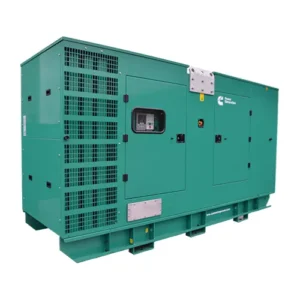
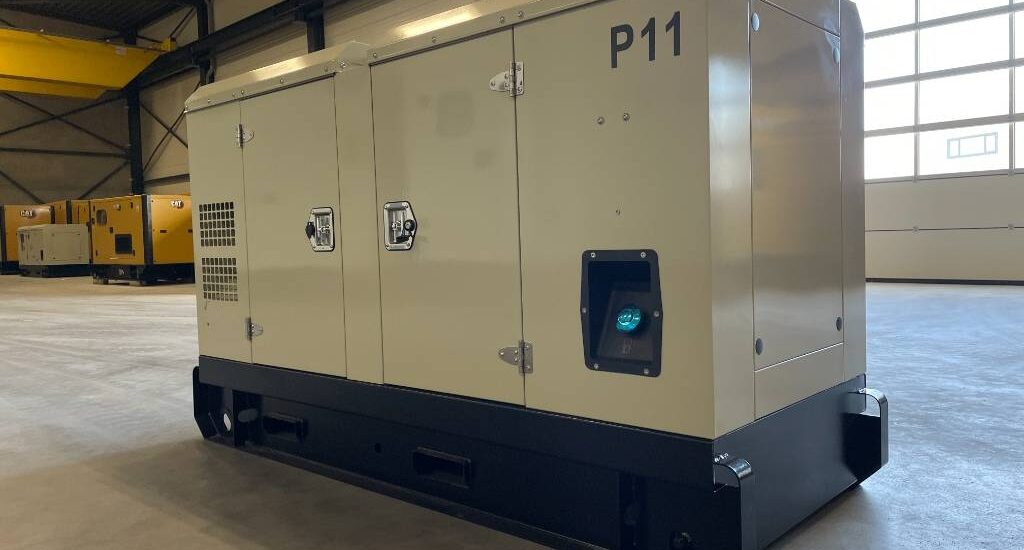
Single Phase vs Three Phase 10kVA Generator Explained
Choosing the right generator is about far more than selecting the correct power rating. One of the most common questions we receive is whether a single phase vs three phase 10kVA generator is the better choice.
Selecting the wrong electrical configuration can lead to unnecessary costs, poor performance or equipment compatibility issues. This guide is here to explain the differences between a single phase and three phase 10kVA generators in a way that is easy to understand. We will look at how people’re using these generators in real life in places like South Africa and we will give you some helpful tips so you can make a good decision when you are buying a backup power system. We will talk about a single phase 10kVA generators and three phase 10kVA generators to help you understand which one is the best choice, for you.
Understanding Single-Phase and Three-Phase Power
Before comparing generators, it helps to understand the type of electricity your property already uses.
Although both systems deliver electrical power, they distribute it differently. Your generator should match your property’s electrical installation unless major electrical modifications are planned.
What Is Single-Phase Power?
Single-phase electricity is the standard electrical supply used by most South African homes.
It provides one alternating current waveform and is perfectly suited to everyday household appliances such as:
- Lighting circuits
- Televisions
- Refrigerators
- Freezers
- Wi-Fi equipment
- Home office equipment
- Security systems
- Small air conditioners
- Electric gates and garage doors
If your property receives a standard residential Eskom or municipal electricity connection, there’s a strong chance it operates on single-phase power.
For people who have to deal with load shedding a lot a single-phase diesel generator is often the cheapest way to have backup electricity.
Single-phase power is what these generators use to give you the electricity you need when the power is out.
What Is Three-Phase Power?
Three-phase power delivers electricity through three separate alternating current waveforms working together.
Instead of supplying power through one electrical phase, the load is distributed across three phases. This creates smoother power delivery and allows larger electrical equipment to operate more efficiently.
Three-phase power is commonly found in:
- Factories
- Warehouses
- Farms
- Workshops
- Commercial buildings
- Office complexes
- Manufacturing plants
- Irrigation systems
- Large retail centres
Many industrial machines simply cannot operate correctly without a three-phase electrical supply.
What Does 10kVA Actually Mean?
One mistake buyers often make is assuming that every 10kVA generator produces exactly the same usable power.
In reality, 10kVA refers to the generator’s apparent power rating rather than its usable electrical output.
For most diesel generators operating at a power factor of 0.8, a 10kVA unit provides approximately:
- 8kW continuous usable power
- Suitable for running multiple appliances or business equipment simultaneously
- Enough capacity for many homes and small commercial operations
The important point is that electrical phase configuration and generator size are two separate considerations.
A 10kVA generator may be available as either:
- Single phase
- Three phase
This means two generators with the same engine size can serve completely different applications.
Does Generator Phase Affect Power Output?
This is another area where buyers are often confused.
The total generating capacity remains close to 10kVA regardless of whether the generator is single phase or three phase.
The difference lies in how that power is distributed.
Single-Phase Generator
A single-phase generator delivers its full output through one phase.
This makes it ideal for properties where every appliance is connected to the same electrical supply.
For example:
A home requiring approximately 7kW during load shedding can comfortably use a properly sized 10kVA single-phase generator without worrying about balancing electrical loads.
Three-Phase Generator
A three-phase generator divides its output evenly across three electrical phases.
For a 10kVA model, each phase supplies only part of the total capacity.
If one phase is used much and the other two are not used very much the generator might turn off its protection system even if it is not working at its maximum.
So it is very important to make sure the power is spread out evenly when you are using a three-phase generator.
Single Phase vs Three Phase 10kVA Generator Comparison
When comparing a single phase vs three phase 10kVA generator, it’s important to look beyond the purchase price. You need to think about the system you have at your place what you want to use the generator for and if you will be using it for lots of things at the same time. Single phase 10kVA generators and three phase 10kVA generators are different.
The table below highlights the key differences.
| Feature | Single-Phase 10kVA Generator | Three-Phase 10kVA Generator |
|---|---|---|
| Typical application | Residential homes | Commercial and industrial premises |
| Electrical supply | One phase | Three phases |
| Appliance compatibility | Standard household appliances | Industrial and commercial equipment |
| Load balancing required | No | Yes |
| Installation complexity | Simpler | More complex |
| Best suited for | Homes, offices, small shops | Factories, farms, workshops |
| Running heavy motors | Limited | Excellent |
| Risk of phase imbalance | None | Must be managed |
| Typical installation cost | Lower | Higher |
| Recommended user | Residential customers | Businesses with three-phase infrastructure |
Is One Better Than the Other?
Not necessarily.
A common misconception is that a three-phase generator is automatically more powerful or more advanced than a single-phase model.
In reality, the best option depends entirely on your existing electrical system.
For example:
A family home in Johannesburg with standard residential wiring will almost always benefit from a single-phase 10kVA generator. It provides straightforward installation, powers essential household appliances efficiently, and avoids the complexity of balancing electrical loads.
On the hand if you have a workshop in Durban with big machines like compressors and motors a single-phase generator is not a good idea. In that case you need a three-phase generator because it works with the wiring in the building and it can handle the machines safely.
Comparing a single phase vs three phase 10kVA generator should therefore focus on compatibility rather than assuming one option is universally better.
Why Your Existing Electrical Supply Matters
One of the first questions a reputable generator supplier should ask is:
“Is your property connected to a single-phase or three-phase electrical supply?”
This answer determines almost every recommendation that follows.
Installing the wrong generator configuration can lead to:
- Expensive electrical modifications
- Equipment compatibility issues
- Uneven power distribution
- Generator overloads
- Reduced efficiency
- Increased installation costs
Before requesting quotations, it’s worth confirming your property’s electrical supply with your electrician or by checking your main distribution board.
Doing so ensures you’re comparing the right single phase vs three phase 10kVA generator options from the outset rather than investing in a system that doesn’t suit your property’s requirements.
Which Applications Suit a Single-Phase 10kVA Generator?
For most South African households, a single-phase generator is the obvious choice.
One of the biggest misconceptions we encounter is homeowners requesting a three-phase generator simply because they believe it is “stronger”. In reality, if the property uses a standard single-phase electrical supply, a three-phase generator often adds unnecessary complexity without providing any practical benefit.
A properly sized single-phase 10kVA generator can comfortably support many essential loads during load shedding, including:
- Lighting circuits
- Refrigerators and freezers
- Televisions and entertainment systems
- Fibre routers and Wi-Fi equipment
- Alarm systems and electric fencing
- Home office equipment
- Borehole pumps (depending on starting current)
- Gate motors and garage doors
- Small air-conditioning units
- Kitchen appliances used selectively
For many families, a 10kVA unit provides enough backup capacity to keep daily life running normally without trying to power every appliance simultaneously.
Typical Single-Phase Applications in South Africa
A single-phase 10kVA generator is commonly suitable for:
- Residential homes
- Townhouses
- Small guest houses
- Home offices
- Small retail stores
- Restaurants with moderate electrical demand
- Pharmacies
- Small medical practices
- Security estates
- Small workshops using standard equipment
In many load shedding scenarios, these generators offer an excellent balance between power output, fuel efficiency and purchase cost.
If you’re considering backup power for these applications, a suitable single-phase diesel generator range for residential and light commercial backup applications can help you compare available options.
Advantages of a Single-Phase 10kVA Generator
Easier Installation
Most homes already operate on single-phase electricity, making installation simpler and more cost-effective.
Full Power Available on One Phase
All the generator’s usable output is delivered through a single supply, eliminating phase balancing concerns.
Lower Installation Costs
Switchgear, cabling and changeover arrangements are generally less complex than comparable three-phase systems.
Ideal for Load Shedding
For South African homeowners dealing with recurring power outages, single-phase generators often provide the most practical standby solution.
Less Risk of Operator Error
Because there are no phase balancing requirements, there is less chance of accidental overload caused by uneven electrical distribution.
Limitations of Single-Phase Generators
Despite their popularity, single-phase generators are not suitable for every application.
They may struggle with:
- Large industrial motors
- Heavy manufacturing equipment
- Large irrigation systems
- Certain compressors
- Industrial welding equipment
- Buildings supplied exclusively with three-phase electricity
If your property requires three-phase power, installing a single-phase generator may leave critical equipment unusable regardless of available generator capacity.
Which Applications Suit a Three-Phase 10kVA Generator?
A three-phase generator becomes necessary when the building itself is supplied with three-phase electricity or when the equipment being powered requires three-phase operation.
This is especially common in agriculture, manufacturing and commercial operations across South Africa.
Typical applications include:
- Farms
- Irrigation systems
- Cold rooms
- Industrial workshops
- Factories
- Commercial buildings
- Warehouses
- Large offices
- Engineering facilities
- Processing plants
- Larger retail operations
- Heavy-duty compressors
- Industrial pumps
In these environments, choosing between a single phase vs three phase 10kVA generator is often straightforward because the electrical infrastructure dictates the correct option.
Typical Farm Example
Consider a farm using:
- Three-phase irrigation pumps
- Cold storage facilities
- Workshop equipment
- Feed processing machinery
Even if the overall power requirement falls within a 10kVA capacity range, the farm may still require a three-phase generator because the equipment itself is designed for three-phase operation.
This is one of the clearest examples where generator size alone does not determine suitability.
Advantages of a Three-Phase 10kVA Generator
Supports Industrial Equipment
Many motors and heavy-duty machines are designed exclusively for three-phase power.
Better Motor Starting Performance
Three-phase systems typically provide smoother and more efficient motor operation.
Suitable for Existing Three-Phase Infrastructure
Matching the generator to the building’s electrical supply avoids expensive electrical modifications.
Future Expansion
Businesses planning to add larger machinery may benefit from maintaining a three-phase electrical system.
Limitations of a Three-Phase 10kVA Generator
Three-phase generators are highly effective when correctly applied, but they are not automatically the best choice.
Potential disadvantages include:
- Higher installation costs
- More complex electrical integration
- Load balancing requirements
- Greater risk of phase overload
- Additional planning during generator sizing
A poorly balanced three-phase generator can trip even when total power consumption appears well below the generator’s rated capacity.
Understanding Phase Balancing
Phase balancing is one of the most overlooked aspects of generator selection.
With a three-phase generator, electrical demand should be distributed as evenly as possible across all three phases.
For example:
| Phase | Load |
|---|---|
| Phase A | 3kW |
| Phase B | 2.5kW |
| Phase C | 2.5kW |
This is generally acceptable.
However:
| Phase | Load |
|---|---|
| Phase A | 6kW |
| Phase B | 1kW |
| Phase C | 1kW |
Even though total demand remains within the generator’s overall capacity, the overloaded phase may cause protection systems to activate.
This is one reason why professional load assessments are so important before purchasing a three-phase generator.
For a detailed explanation of correctly calculating electrical demand, our generator sizing guide for diesel backup power systems provides a step-by-step approach to selecting the right generator capacity.
How to Choose the Right Generator for Your Property
If you’re comparing a single phase vs three phase 10kVA generator, ask these questions first:
1. What Type of Electrical Supply Does My Property Have?
Check your distribution board or ask your electrician.
This is usually the most important factor.
2. What Equipment Needs Backup Power?
List every critical load you intend to operate during outages.
3. Are Any Motors or Pumps Three-Phase?
If yes, a three-phase generator may be essential.
4. Will I Power the Entire Property or Only Essential Circuits?
Many homeowners reduce costs by backing up only critical circuits rather than the entire property.
5. Is Future Expansion Likely?
Businesses expecting increased electrical demand should consider future requirements before purchasing.
Quick Selection Guide
Choose a single-phase 10kVA generator if:
✓ Your property has single-phase electricity.
✓ You need backup power for a home.
✓ You operate a small office or retail shop.
✓ You want simpler installation.
✓ You want straightforward load management.
Choose a three-phase 10kVA generator if:
✓ Your building has three-phase electricity.
✓ You operate industrial equipment.
✓ You use three-phase pumps or compressors.
✓ Your workshop or farm already runs on three-phase power.
✓ Your electrician confirms three-phase compatibility is required.
Cost Differences: Single Phase vs Three Phase
Purchase price is only one part of the overall investment.
When comparing a single phase vs three phase 10kVA generator, buyers should consider:
- Generator cost
- Installation cost
- Automatic changeover equipment
- Cabling requirements
- Distribution board modifications
- Fuel consumption
- Future maintenance costs
In many residential applications, a single-phase installation can be considerably more affordable because the electrical integration is simpler.
However, choosing a single-phase generator solely to save money can become extremely expensive if your equipment actually requires three-phase power.
The cheapest generator is rarely the most economical generator.
The correct generator usually is.
Practical Buying Advice
Before requesting quotations, prepare the following information:
- Your property’s electrical supply type
- A list of essential loads
- Starting wattage requirements for motors
- Whether you need automatic operation
- The number of hours you expect to run during load shedding
- Future expansion plans
- Available installation space
- Noise restrictions if located in a residential area
Providing this information allows suppliers to recommend the correct generator rather than simply the largest one.
After helping businesses, farms and homeowners compare single phase vs three phase 10kVA generator options, we’ve found that customers who start with a proper load assessment almost always make better long-term purchasing decisions.
Expert Advice
After helping homeowners, farmers and businesses across South Africa choose backup power systems, one pattern stands out: the biggest problems rarely come from buying a generator that is too small. They usually come from buying the wrong type of generator for the property’s electrical supply.
We’ve seen customers purchase a three-phase generator because they assumed it would provide more power, only to discover that their single-phase home could not make full use of it without additional electrical work. On the other hand, we’ve also advised businesses that initially considered a single-phase generator to reduce costs, only to realise it would not safely operate their three-phase machinery.
Before comparing a single phase vs three phase 10kVA generator, always confirm three things:
- Your property’s electrical supply.
- The equipment you need to power during an outage.
- The total running and starting load of your appliances.
Getting these right from the beginning saves time, avoids unnecessary expense and results in a backup power system that performs reliably when you need it most.
If you’re unsure about the correct generator configuration, speaking to an experienced supplier before purchasing is usually far less expensive than correcting an unsuitable installation later. For personalised guidance, you can contact the Power Stay Solutions team for expert generator advice and quotations.
Common Mistakes to Avoid
When you are picking a generator it is not just, about picking a brand that you know or the one that costs the least amount of money. The mistakes that people make when they are buying a generator are the ones that we see people make all the time when they are choosing a generator.
1. Assuming Three-Phase Is Always Better
Many buyers believe a three-phase generator automatically delivers more usable power than a single-phase model.
In reality, the generator should match the electrical supply of your property. Installing a three-phase generator at a standard residential home often adds unnecessary complexity without delivering any practical benefit.
2. Ignoring Starting Loads
Some equipment requires significantly more power to start than it does to keep running.
Examples include:
- Borehole pumps
- Air compressors
- Refrigeration equipment
- Electric motors
Failing to account for starting current can result in nuisance tripping, even if the generator appears large enough on paper.
3. Choosing a Generator Based Only on Price
You should not pick a generator just because it is cheap. A cheap generator can actually cost you a lot money later on. This is because you might need to make some upgrades or it might not be able to run the things you really need it to.
Consider the total cost of ownership, including:
- Installation
- Fuel consumption
- Maintenance
- Spare parts availability
- Long-term reliability
4. Forgetting About Future Growth
Many businesses purchase a generator based only on their current electrical demand.
If you think you will be adding machines or making your office bigger or making more things in the next few years you should talk about what you will need for electricity before you make a final decision about the generator.
5. Overlooking Professional Installation
Even the highest-quality generator can perform poorly if it is installed incorrectly.
Professional installation helps ensure:
- Safe operation
- Correct generator sizing
- Proper cable selection
- Reliable changeover switching
- Compliance with applicable South African electrical installation standards.
Professional installations should comply with the relevant South African electrical installation standards to help ensure safe and reliable operation.
Installation and Safety Considerations
Generator installation should never be treated as a simple plug-and-play exercise.
Before installation, consider:
- Generator location
- Ventilation requirements
- Exhaust direction
- Fuel storage
- Noise levels
- Weather protection
- Maintenance access
- Electrical changeover equipment
For standby installations, an Automatic Transfer Switch (ATS) can automatically detect a power outage and start the generator without manual intervention.
A professionally designed installation also makes routine servicing much easier throughout the generator’s lifespan.
If you’d like to understand the installation process in more detail, our complete diesel generator installation guide for South African properties explains the key planning steps before installation begins.
Maintenance Tips for Reliable Backup Power
Routine maintenance has a direct impact on generator reliability.
Even a generator that runs only during load shedding should be serviced according to the manufacturer’s recommended schedule.
A simple maintenance checklist includes:
- Check engine oil levels.
- Inspect coolant levels.
- Drain water from the fuel system if required.
- Replace fuel and air filters as scheduled.
- Test the battery regularly.
- Inspect belts and hoses.
- Run the generator under load periodically.
- Keep the generator clean and well ventilated.
Generators that sit unused for extended periods are often more likely to develop problems than those that are exercised regularly.
For a detailed servicing schedule, see our diesel generator maintenance guide for long-term reliability.
Backup Power in the South African Context
South Africa’s ongoing load shedding has changed how many households and businesses approach backup power.
Rather than purchasing generators solely for emergencies, many customers now consider standby power an essential part of their electrical infrastructure.
Before selecting a generator, it can be helpful to review the latest Eskom load shedding schedules and electricity supply information to better understand outage patterns in your area and plan your backup power requirements accordingly.
When the power goes out people at home usually want to keep the lights on the fridge running and the internet working. Businesses have needs. They may need to keep their machines running the fridge on the security systems working or the customer service operating.
Selecting the correct generator configuration ensures these critical operations continue safely and efficiently.
Frequently Asked Questions
1. Can a single-phase generator power a three-phase building?
No a single-phase generator can not power a three-phase building. Some things, in the building that use single-phase power might work.. Things that need three-phase power will not work right. A three-phase building needs a three-phase generator to work properly. A single-phase generator is not enough to power a three-phase building.
2. Is a three-phase generator more powerful than a single-phase generator?
That is not always the case. A three-phase generator and a single-phase generator that are both 10kVA will have about the total power. The main difference is, in how the three-phase generator and the single-phase generator supply the power. The three-phase generator gives power in a way than the single-phase generator does.
3. Which generator is best for a South African home?
Most homes supplied with standard residential electricity are best suited to a single-phase generator. However, always confirm your property’s electrical supply before purchasing.
4. Can I convert a single-phase supply to three-phase?
You can do this in some cases. You usually need to get permission, from the electricity supplier. You will also have to make some upgrades and it will cost you a lot of money to install. You should not do this just to be able to use a generator with your three-phase supply.
5. Why does a three-phase generator require load balancing?
A three-phase generator splits its power into three parts which’re the three phases. If the three-phase generator has one phase that is working a lot harder than the phases of the three-phase generator the three-phase generator will shut down for safety even if the total amount of power used is not too much, for the three-phase generator.
6. Can a 10kVA generator run my entire business?
That depends on your total electrical demand, the starting current of your equipment and whether your business uses single-phase or three-phase power. A professional load assessment is the best way to determine the correct generator size.
7. What is the difference between a single-phase and three-phase 10kVA generator?
The main difference is how electrical power is delivered.
A single-phase 10kVA generator supplies electricity through one phase and is commonly used for homes, offices and small businesses.
A three-phase 10kVA generator sends power through three lines.
This type of 10kVA generator is better for places that need a lot of power like factories and farms and big businesses.
When you compare a single phase vs three phase 10kVA generator, you should choose based on what your electrical system can handle not just the one, with more phases.
8. Can a 10kVA generator run a house during load shedding?
Yes, a 10kVA generator can run many South African homes, provided the electrical load is correctly managed.
A typical home may use a 10kVA generator for:
- Lights
- Refrigeration
- Security systems
- Internet equipment
- Entertainment systems
- Kitchen appliances
- Small pumps
- Selected air-conditioning units
However, running every appliance simultaneously, especially high-power heating appliances such as geysers, electric ovens and pool heaters, may exceed the generator’s practical capacity.
A proper load assessment will determine whether a 10kVA generator is suitable for your household.
9. Should I choose a silent diesel generator for my home?
For residential applications, noise is an important consideration.
Silent or acoustic canopy diesel generators are designed to reduce operating noise through sound insulation and improved enclosure design.
They are often preferred for:
- Residential properties
- Estates
- Guest houses
- Offices
- Urban environments
The correct generator location is also important. Even a silent generator should be installed with proper ventilation and sufficient distance from living areas.
10. Do three-phase generators use more fuel than single-phase generators?
Fuel consumption is mainly influenced by the engine size, load percentage and operating conditions rather than whether the generator is single phase or three phase.
A three-phase and single-phase 10kVA generator with similar engines will generally have comparable fuel consumption when operating under similar loads.
The bigger concern is selecting a generator that operates efficiently at your expected load range.
An oversized generator running lightly loaded for long periods may waste fuel and experience reduced efficiency.
11. Do I need an electrician to install a 10kVA generator?
Yes.
A 10kVA generator installation should be completed by a qualified professional who understands generator connections, changeover systems and electrical safety requirements.
Professional installation ensures:
- Correct wiring
- Safe isolation from the grid supply
- Proper earthing
- Correct protection devices
- Compliance with electrical regulations
If you do not install a 10kVA generator correctly it can create serious safety risks.
These risks are, for the people who live in the house the technicians who work on the 10kVA generator and the utility workers who work on the grid supply.
12. How do I know which 10kVA generator is right for me?
Start with your property’s electrical requirements.
Ask yourself:
- Is my electrical supply single phase or three phase?
- What equipment must continue operating during outages?
- Are any motors, pumps or machinery involved?
- Do I need automatic backup operation?
- Will my electricity requirements increase in the future?
For many homeowners, a single-phase unit is the practical solution. For businesses and industrial users, a three-phase generator may be essential.
A professional assessment is the safest way to choose between a single phase vs three phase 10kVA generator.
Conclusion
Selecting the correct generator is not simply about choosing the biggest capacity available. The generator must match the electrical system, the equipment being powered and the way the property uses electricity.
A single-phase 10kVA generator is usually the preferred option for homes, small offices and light commercial applications where standard single-phase electricity is available.
A three-phase 10kVA generator is better suited to businesses, farms and industrial environments where three-phase equipment and electrical systems are already in use.
The most important step is understanding your actual power requirements before making a purchase decision. A correctly selected generator will provide better reliability, improved efficiency and fewer problems throughout its operating life.
If you are still unsure whether a single-phase or three-phase solution is right for your property, the Power Stay Solutions team can help assess your requirements and recommend a suitable backup power system.
Looking for a reliable 10kVA diesel generator solution in South Africa?
Explore our range of diesel generators designed for residential, commercial and industrial backup power applications, or contact Power Stay Solutions for professional guidance on selecting the correct generator for your needs.