How to Choose the Best Generator for Home Backup Power in South Africa
South Africans have become all too familiar with unexpected power interruptions. While load shedding has eased at times, ageing infrastructure, severe weather and local faults still leave many households without electricity. Choosing the best generator for home backup power is no longer simply about buying the biggest machine you can afford. You need to find a generator that’s just right for the amount of power your household uses. It has to work well and keep working for a long time.
This guide will tell you what you need to think about before you buy a generator so you can get a power solution that is right, for your home and the money you have to spend on it.
Why Choosing the Right Home Backup Generator Matters
Many homeowners begin their search by asking, “Which generator is the best?” In reality, there isn’t one generator that suits every household. The best generator for home backup power depends on your electricity usage, the appliances you need to run, your budget and how often you expect to experience outages.
If you buy a generator that’s too small it can cause a lot of problems. The circuits can get overloaded the generator can shut down a lot and your equipment can even get damaged. On the hand if you buy a generator that is way too big for your needs you will end up paying too much money upfront using more fuel than you need to and spending more money on maintenance over time.
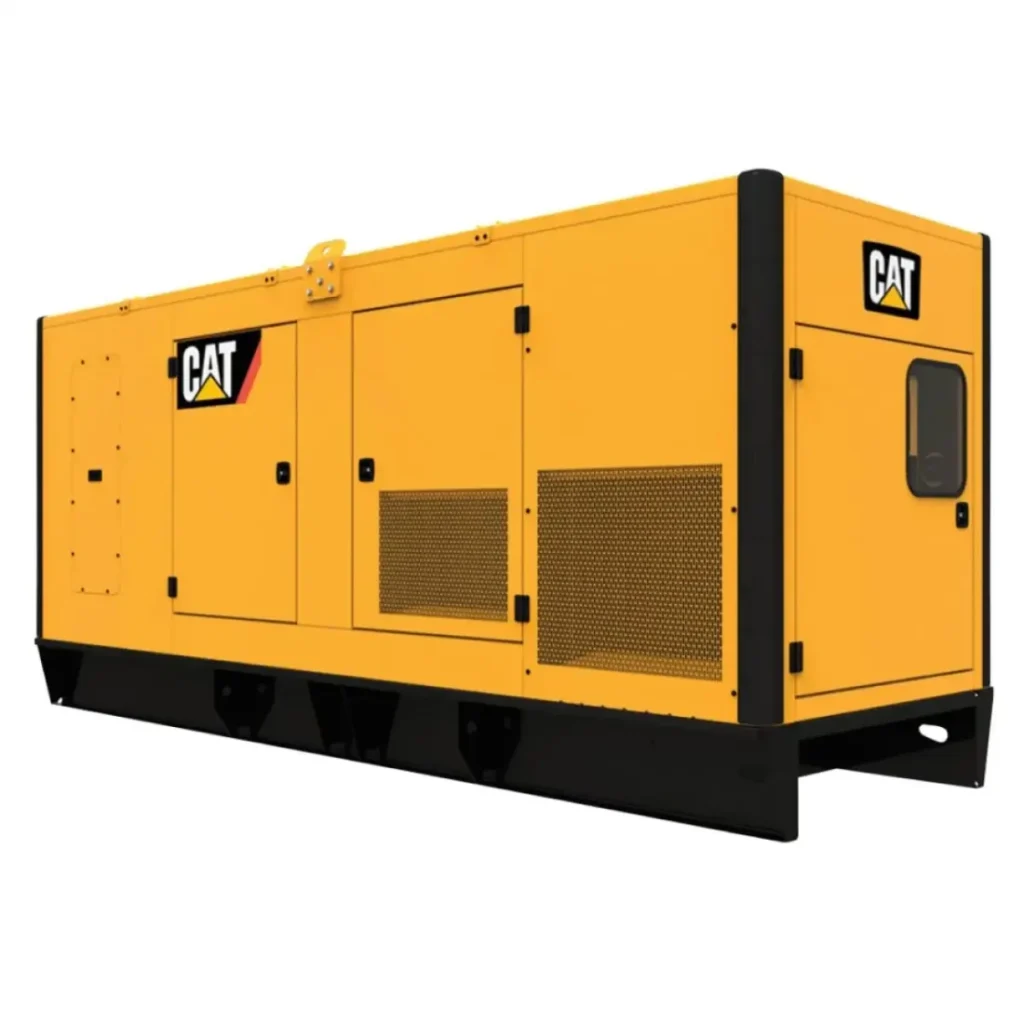
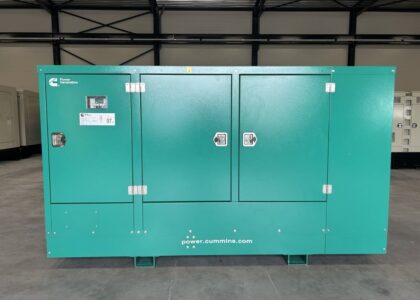
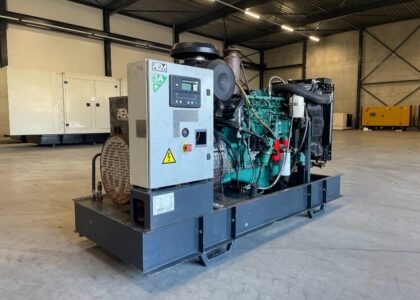
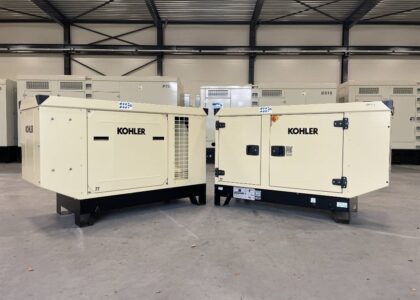
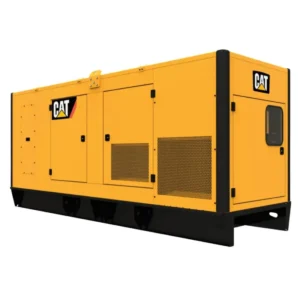
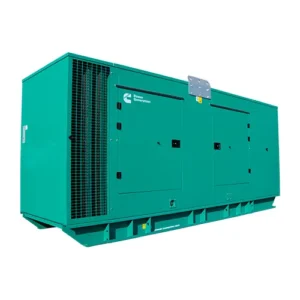
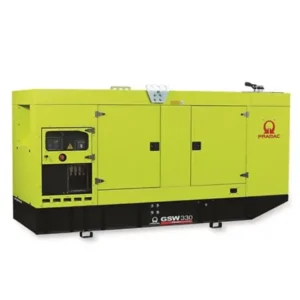
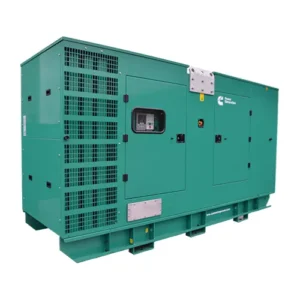
A properly sized diesel generator provides dependable electricity without wasting fuel or reducing engine lifespan.
Homes in South Africa are all very different. A small townhouse with the basic appliances needs a lot less power than a big house with many air conditioners pumps for the well electric gates and security systems. So the first thing you need to do when you are looking for a generator is figure out how much electricity your home really needs.
Before selecting a generator, it’s worth using our complete generator sizing guide to calculate your household’s actual power requirements.
Why Diesel Generators Are Popular for Home Backup
While petrol and inverter generators have their place, diesel generators remain one of the most dependable choices for long-term residential backup power across South Africa.
They are particularly well suited to homes that experience frequent outages or require several hours of uninterrupted electricity.
Some of the biggest advantages include:
- Excellent fuel efficiency under sustained loads
- Longer engine life compared with many petrol models
- Lower maintenance requirements over extended use
- Better suitability for powering larger household loads
- Reliable performance during prolonged outages
- Safer fuel storage due to diesel’s lower flammability
Many people like that Diesel Generators can power many important things in the house at the same time. They do not have to choose which things to turn off and which to leave on.
Diesel Generators are usually bigger and heavier than petrol generators that can be moved around. This makes them better, for homes that want to install them in one place for a time.
What Makes the Best Generator for Home Backup Power?
Rather than focusing on a particular brand, experienced generator suppliers assess several practical factors before recommending the best generator for home backup power.
Generator Size
Generator capacity remains the single most important consideration.
A quality generator that’s correctly sized will comfortably supply your home’s essential electrical loads while maintaining stable voltage and frequency.
If you get a generator that’s too big it will not be used to its full ability. This can make it less efficient. Cause problems with the engine over time. On the hand if you get a generator that is too small it will have a hard time handling the power needed to start appliances. This can cause the generator to shut down because it is overloaded. The best generator for home backup power is one that’s the right size, for your home.
Reliability
Your backup generator should start quickly whenever utility power fails.
Look for proven diesel engines, robust alternators and manufacturers with established service networks in South Africa.
Reliable equipment usually provides:
- Consistent voltage output
- Stable frequency
- Easy servicing
- Genuine spare parts availability
- Long operating life
For many homeowners, reliability becomes far more valuable than saving a small amount on the initial purchase price.
Fuel Efficiency
Fuel consumption varies considerably between generator sizes.
An efficient generator allows you to run your home for longer periods while keeping operating costs under control.
Fuel efficiency depends on factors such as:
- Engine design
- Generator loading
- Maintenance condition
- Operating temperature
- Service intervals
Running a correctly sized generator is usually far more economical than purchasing a much larger unit “just in case.”
Noise Levels
Noise is often overlooked until the generator is actually installed.
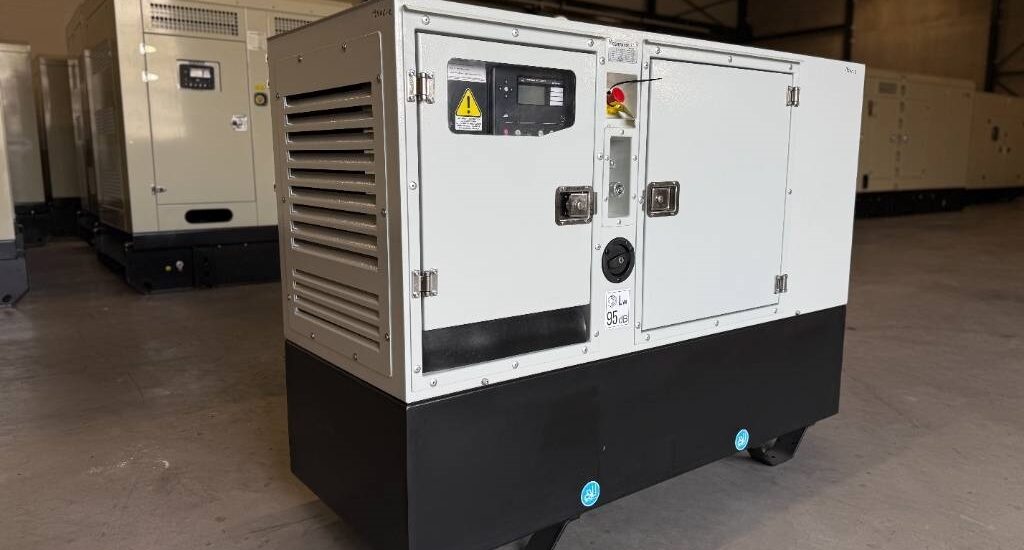
Modern silent diesel generators use enclosed canopies, improved exhaust systems and acoustic insulation to reduce operating noise significantly.
For homes quieter generators make life more comfortable for your family and the people who live in the houses, around you.
Automatic Backup Operation
Many homeowners now choose generators that work together with an Automatic Transfer Switch (ATS).
The Automatic Transfer Switch helps when the regular power from the utility company fails. It automatically starts the generator. Moves the electrical supply to the generator without you having to do anything.
When the regular power from the grid comes on the system safely connects your home back to the grid and turns the generator off automatically.
Learn how automatic transfer switches are installed safely in our generator installation guide.
This level of convenience is particularly valuable when:
- Nobody is home
- Outages occur overnight
- Elderly family members are present
- Security systems must remain operational
How Much Generator Capacity Does Your Home Need?
One of the most common questions we receive is:
“What size generator should I buy for my house?”
The answer to this question is really simple: it depends on the things you want to keep running when the power’s out.
Some homeowners only want to keep lighting, refrigeration and internet services running during outages.
Others expect the generator to power the entire property, including:
- Air conditioners
- Borehole pumps
- Swimming pool pumps
- Electric fencing
- Security systems
- Home offices
- Kitchen appliances
To figure out what size generator you need you should make a list of all the things you want to use at the time.
This will give you an idea of where to start.
Typical Power Requirements for South African Homes
| Appliance | Typical Running Power |
|---|---|
| LED Lighting Circuit | 100–300 W |
| Refrigerator | 150–400 W |
| Upright Freezer | 200–500 W |
| Television | 100–250 W |
| Fibre Router & Wi-Fi | 20–40 W |
| Laptop Computer | 50–120 W |
| Desktop Computer | 250–500 W |
| Microwave Oven | 1,000–1,500 W |
| Kettle | 2,000–3,000 W |
| Washing Machine | 500–2,000 W |
| Dishwasher | 1,200–1,800 W |
| Borehole Pump | 750–2,200 W |
| Air Conditioner | 900–3,000 W |
| Electric Garage Door | 300–800 W |
| Home Security System | 50–150 W |
Our comprehensive generator buying guide explains how appliance starting currents affect generator selection.”
These numbers are not exact. Some things like motors and pumps need a lot more power when you first turn them on than when they are running normally.
Certain appliances, like these require a lot power during start-up.
Ignoring these power needs is one reason people buy generators that are too small and do not work well when they really need them to.
Why Starting Power Matters More Than Running Power
Many household appliances don’t draw a constant amount of electricity.
Equipment with electric motors—such as refrigerators, freezers, borehole pumps and air conditioners—typically requires a brief surge of power when starting.
For example:
- A refrigerator may normally consume only 250 watts.
- When it is starting up it can use two or three times that amount of power for a very short time.
If several of these things start at the time they can use so much power that it can be too much for a generator that is too small even if the normal amount of power they use seems okay.
This is why experienced suppliers always calculate both running load and starting load before recommending the best generator for home backup power. Proper sizing ensures smoother operation, protects sensitive electronics and reduces unnecessary strain on the engine.
Use our detailed generator sizing guide to calculate both running watts and appliance starting loads before choosing a generator.
Expert Tip: Plan for Future Power Needs
Many homeowners purchase a generator based only on their current electricity requirements. A year or two later, they install a borehole pump, add an air conditioner, build a home office or expand their security system, only to discover that the generator no longer has enough capacity.
It is better to get a generator that’s a little bigger than you need right now. This way you will have some power, for the things you might add later. You do not want to get a generator that’s too big but you want one that can handle the things you will add in the future. The goal is to get a generator that can handle what you need now and what you will need later and still work well.
Diesel vs Petrol vs Inverter Generators: Which Is Best for Home Backup?
One of the first decisions you’ll face is choosing between a diesel, petrol or inverter generator. While each has its strengths, the best generator for home backup power depends on how you intend to use it and how often you expect to rely on backup electricity.
For people in South Africa who want a generator that will work well for a time diesel generators are usually the best choice. They are reliable do not cost much to run and last a long time. Diesel generators are an option, for home backup power.
Diesel Generators
Diesel generators are designed for regular use and extended operating hours. They are commonly installed in homes, farms, businesses and commercial buildings where dependable power is essential.
Advantages
- Excellent fuel economy
- Longer engine life
- Lower fuel consumption over extended periods
- Better suited to larger household electrical loads
- Reliable during prolonged power outages
- Lower fire risk due to diesel fuel’s higher flash point
Considerations
- Higher initial purchase price
- Heavier and less portable
- Professional installation is recommended for permanent systems
For homeowners planning a fixed backup power solution, diesel generators generally provide the lowest long-term ownership costs.
Petrol Generators
Petrol generators remain popular for occasional household use because they are affordable and easy to transport.
They are suitable for powering a few essential appliances during short outages but are not usually intended for daily or prolonged operation.
Advantages
- Lower purchase price
- Lightweight
- Easy to move
- Suitable for occasional use
Considerations
- Higher fuel consumption
- Shorter engine lifespan
- More frequent maintenance
- Less economical for regular load shedding
If the power in your house only goes out sometimes and you need a backup for lights and a fridge a petrol generator might be okay, for you.
Inverter Generators
Inverter generators produce very clean electrical power, making them ideal for sensitive electronics.
They’re commonly used for camping, mobile businesses or powering laptops, televisions and communication equipment.
Advantages
- Very quiet
- Excellent fuel efficiency at light loads
- Stable power for sensitive electronics
- Compact design
Considerations
- Lower power output
- More expensive per kilowatt
- Not suitable for powering an entire home
Most inverter generators cannot comfortably operate larger household loads such as pumps, multiple kitchen appliances or air conditioning systems simultaneously.
Comparison Table
| Feature | Diesel Generator | Petrol Generator | Inverter Generator |
|---|---|---|---|
| Fuel Economy | Excellent | Moderate | Excellent |
| Long Running Hours | Excellent | Moderate | Good |
| Heavy Household Loads | Excellent | Fair | Limited |
| Noise Levels | Low (Silent Models) | Moderate | Very Low |
| Purchase Price | Higher | Lower | Moderate to High |
| Maintenance | Low | Moderate | Low |
| Whole House Backup | Yes | Limited | No |
| Engine Life | Excellent | Moderate | Good |
For most South African homes requiring dependable standby electricity, diesel generators remain the preferred option because they combine durability with lower operating costs over time.
Choosing the Right Generator Size for Your Home
The best generator will not work well if it is not the size for your home.
Selecting the best generator for home backup power starts with understanding exactly how much electricity your household needs—not simply choosing the largest generator available.
Here are some typical recommendations, for the right generator size based on the size of your home and how electricity you think you will need.
| Home Type | Recommended Generator Size | Typical Applications |
|---|---|---|
| Apartment | 5–8kVA | Lights, TV, Wi-Fi, fridge |
| Small Home | 8–10kVA | Essential household appliances |
| Medium Family Home | 10–15kVA | Kitchen, security, pumps, home office |
| Large Home | 15–20kVA | Air conditioners, multiple appliances |
| Luxury Property | 20kVA+ | Whole-house backup |
Larger homes with higher electricity demands may require additional capacity to support appliances such as multiple air conditioners, borehole pumps, pool equipment and other high-load systems. For these properties, a 15kVA diesel generator solution can provide dependable backup power while offering enough capacity for future household requirements.
Many medium-sized households find our 10kVA diesel generator range provides an excellent balance between capacity and fuel efficiency.
These recommendations provide a useful starting point, but every property should be assessed individually.
Factors such as borehole pumps, workshop equipment, pool pumps and electric heating can significantly increase the required generator capacity.
Single-Phase or Three-Phase?
People who own homes often want to know if they need a single-phase generator or a three-phase generator.
The good thing is that the answer is usually easy to understand.
Single-Phase Generators
Most homes in South Africa use single-phase electricity.
Single-phase generators are good for things like:
- Lighting
- Refrigerators
- Televisions
- Security systems
- Internet equipment
- Household appliances
- Small pumps
For most homes a single-phase diesel generator is the best single-phase generator for backup power, at home. Single-phase generators are what you need for single-phase generator backup power.
Three-Phase Generators
Three-phase generators are normally installed where larger electrical loads are present.
Typical applications include:
- Farms
- Workshops
- Commercial buildings
- Manufacturing facilities
- Large borehole systems
- Industrial machinery
Installing a three-phase generator in a standard residential property usually provides no practical advantage unless your home’s electrical supply is already three-phase.
Not sure which electrical supply your property uses? Our single-phase vs three-phase generator guide explains the differences in more detail.
Manual or Automatic Generator Operation?
The best generator for home backup power isn’t determined solely by generator size. You should also consider how the system will operate when electricity fails.
Manual Operation
With a manual system, you’ll need to:
- Detect the power failure.
- Start the generator.
- Operate the changeover switch.
- Restore utility power once electricity returns.
Manual systems cost less and suit homeowners who are usually present during outages.
Automatic Transfer Switch (ATS)
An Automatic Transfer Switch monitors the electrical supply continuously.
If utility power fails, the ATS:
- Starts the generator automatically
- Transfers electrical supply safely
- Monitors utility restoration
- Switches the property back once electricity returns
- Shuts the generator down safely
Automatic systems provide uninterrupted backup for:
- Security systems
- Medical equipment
- Home offices
- Refrigeration
- Remote properties
Although they cost more initially, ATS systems deliver greater convenience and reduce downtime during unexpected outages.
Permanent standby generators and Automatic Transfer Switches should always be installed by a qualified professional and in accordance with South African electrical standards and compliance requirements to ensure safe operation, reliable performance and compliance with national installation practices.
Fuel Consumption: What Should You Expect?
One of the biggest misconceptions is that all generators consume large amounts of diesel regardless of the electrical load.
In reality, fuel consumption depends on several factors:
- Generator capacity
- Percentage loading
- Engine efficiency
- Operating conditions
- Maintenance history
A generator operating at around 60–80% of its rated capacity is generally more fuel-efficient than one running continuously at very low loads.
Our generator fuel consumption guide explains how loading affects diesel usage and long-term operating costs.
Choosing the best generator for home backup power therefore involves balancing present electricity requirements with realistic future growth, rather than simply buying the largest available model.
Practical Buying Advice Before You Decide
Before requesting quotations, make sure you can answer these questions:
✔ Which appliances must remain operational during an outage?
✔ What is their combined running load?
✔ Which appliances have high starting currents?
✔ Is your property supplied with single-phase or three-phase electricity?
✔ How long do outages typically last in your area?
✔ Will the generator be permanently installed?
✔ Do you require automatic backup using an ATS?
✔ Is future household expansion likely?
Having these answers allows a generator supplier to recommend the best generator for home backup power without oversizing or undersizing the system.
Expert Advice: Choosing the Right Generator for Your Home
After helping customers evaluate backup power requirements across South Africa, one thing becomes clear: the biggest mistakes usually happen before the generator is even purchased.
Many homeowners focus only on the generator’s kVA rating or price, but the right backup solution requires looking at the complete system — generator capacity, installation quality, fuel requirements, maintenance and future power needs.
The best generator for home backup power is not necessarily the largest or most expensive model. It is the generator that matches your actual electrical requirements while providing reliable performance when you need it most.
One of the most common mistakes we see customers make is buying a generator based only on the appliances they remember using during normal conditions. They forget about starting currents from motors, future electrical additions and the importance of professional installation.
A properly planned generator system provides better reliability, lower running costs and fewer problems throughout its operating life.
Common Mistakes Homeowners Make When Buying a Generator
Mistake 1: Buying a Generator Based Only on Price
Price is naturally an important consideration, but choosing the cheapest generator available can create expensive problems later.
Lower-cost units may have:
- Limited spare parts availability
- Poor after-sales support
- Higher fuel consumption
- Shorter operating life
- Reduced reliability during extended outages
Buying a generator is something you do for the haul. When you are thinking about buying one you should think about all the costs that come with owning it like how much it costs to service it how fuel it uses and if you can get help from the people who made it.
A slightly higher initial investment in a reliable diesel generator often results in better value over many years.
Mistake 2: Choosing the Wrong Generator Size
Oversizing and undersizing are both common problems.
A generator that is too small may:
- Overload frequently
- Trip during appliance start-up
- Struggle with voltage stability
- Experience unnecessary engine stress
A generator that is too large may:
- Cost significantly more
- Consume more fuel than necessary
- Operate inefficiently at low loads
- Increase installation costs
The correct approach is to calculate your actual household load and allow a sensible margin for future requirements.
For accurate load calculations, our professional generator sizing services can help ensure your backup system matches your home’s actual requirements.”
This is why professional sizing advice is valuable when selecting the best generator for home backup power.
Mistake 3: Ignoring Generator Installation Requirements
A generator is not simply a machine that sits outside your home and connects to a wall socket.
Poor installation can create serious problems, including:
- Unsafe electrical connections
- Incorrect changeover operation
- Carbon monoxide risks
- Poor ventilation
- Excessive noise
- Reduced generator lifespan
A proper installation should consider:
- Generator location
- Exhaust direction
- Ventilation
- Cable sizing
- Earthing requirements
- Changeover equipment
- Accessibility for servicing
Read our diesel generator installation guide to understand the key requirements for safe and reliable backup power installation.”
The installation quality directly affects how safely and reliably your generator operates.
Generator Maintenance Tips for Long-Term Reliability
Even the best generator for home backup power requires regular maintenance.
If you do not use your generator for a time and only start it when there is an emergency it may not work properly.
To keep your generator in condition you should do some simple things. Here are some things you can do:
Run the Generator Regularly
Generators should be tested periodically under load.
Regular operation helps:
- Confirm reliable starting
- Keep engine components lubricated
- Identify potential issues early
- Maintain battery condition
Follow Service Intervals
Routine servicing normally includes checking:
- Engine oil
- Oil filters
- Fuel filters
- Air filters
- Coolant levels
- Battery condition
- Electrical connections
Service intervals depend on the manufacturer and operating hours.
Keep Fuel Fresh
Diesel fuel can degrade over time, particularly when stored for long periods.
Good fuel management includes:
- Purchasing quality diesel
- Keeping the fuel system clean
- Monitoring fuel storage conditions
- Avoiding contamination
Keep the Generator Area Clean
The generator installation area should remain free from:
- Dust buildup
- Leaves
- Stored materials
- Water exposure
- Obstructions around ventilation points
A clean environment improves cooling and reduces operating issues.
For a complete maintenance schedule, follow our generator maintenance guide to protect your investment and improve reliability.
Generator Safety Advice for Homeowners
Safety should always be a priority when installing and operating backup power equipment.
You should never use a generator inside your garage or a room that is closed. This is not an idea because it is not well ventilated.
Generators make carbon monoxide. This is a bad gas. You cannot see it. Smell it.
Important safety practices include:
✔ Install the generator outdoors in a properly ventilated location.
✔ Keep exhaust gases away from windows, doors and air vents.
✔ Use a qualified electrician for permanent connections.
✔ Never connect a generator directly to household wiring without approved changeover equipment.
✔ Keep children and pets away from operating equipment.
✔ Allow the generator to cool before refuelling.
Following these precautions helps protect your family and your property.
How Much Does a Home Backup Generator Cost in South Africa?
The cost of a home generator system depends on several factors:
- Generator size
- Diesel or petrol technology
- Brand
- Installation requirements
- Automatic or manual operation
- Additional equipment such as ATS systems
Typical price considerations:
| Generator Type | Approximate Application |
|---|---|
| Small petrol generators | Basic essential loads |
| 5–8kVA generators | Smaller homes and apartments |
| 10–15kVA diesel generators | Medium family homes |
| 20kVA+ diesel generators | Larger homes and properties |
A complete installation may include additional costs for:
- Electrical installation
- Changeover switch
- Cabling
- Concrete base
- Weather protection
- Commissioning
The cheapest quotation is not always the best choice. A reliable supplier should explain what is included, what equipment is being supplied and how the system will perform during real-world conditions.
When Should You Consider a Diesel Generator for Your Home?
You should think about getting a diesel generator for your home if you have these problems.
A diesel generator is a choice for your home if you:
✔ Experience frequent or extended outages
✔ Need reliable power for security systems
✔ Work from home
✔ Have medical equipment requiring continuous electricity
✔ Own a larger property
✔ Need to operate pumps or high-demand appliances
✔ Want a permanent backup power solution
For occasional short interruptions, smaller alternatives may be practical. However, for homeowners wanting dependable long-term backup capability, diesel generators remain one of the strongest options available.
For homeowners wanting a dependable long-term backup capability, diesel generators remain one of the strongest options available. Power Stay Solutions supplies reliable diesel generators for home backup power designed for residential backup applications, helping homeowners maintain essential electricity supply during outages.
Choosing a Reliable Generator Supplier
The generator itself is only part of the solution.
A reliable supplier should provide:
- Correct load assessment
- Professional recommendations
- Quality equipment
- Installation support
- Spare parts availability
- Maintenance assistance
Avoid suppliers who recommend a generator size without asking about your household requirements.
A professional consultation should always begin with questions about your property, appliances and expectations.
Frequently Asked Questions About Choosing the Best Generator for Home Backup Power
1. What is the best generator for home backup power in South Africa?
The best generator for home backup power depends on your home’s electricity requirements, the appliances you need to operate and how frequently you experience outages.
For a lot of homes in South Africa diesel generators are a choice. They are very reliable use fuel last a long time.
If you live in a home you might only need a generator that can handle 8kVA to 10kVA.. If you have a big house with a lot of things like pumps, air conditioners and many appliances you will need a generator that can handle 15kVA or more.
When choosing a generator for home backup power you should always pick the one that’s right for your needs not just the biggest one you can find. You need to figure out how power you need and then choose a generator that can handle that. The best generator, for home backup power is the one that is chosen based on an assessment of your homes power needs.
2. What size generator do I need to power my house?
The generator size depends on the total electrical load you need during an outage.
A general guide:
- 5–8kVA: Essential loads in smaller homes
- 8–10kVA: Average households running basic appliances
- 10–15kVA: Larger family homes with additional electrical equipment
- 15–20kVA+: Large homes with higher power requirements
I also need to remember that some things, like borehole pumps and refrigerators and air conditioners use more power when they first start up.
A professional can help me figure out what size generator I need for my house.
3. Can a diesel generator power my entire house?
Yes, a correctly sized diesel generator can power an entire home, but the generator capacity must match the property’s electrical demand.
Many homeowners choose to power selected essential circuits instead of the entire house to reduce generator size and operating costs.
Essential circuits commonly include:
- Lights
- Refrigeration
- Security systems
- Internet equipment
- Kitchen appliances
- Home office equipment
- Water pumps
A professional assessment can determine whether whole-house backup or essential-load backup is the better option.
4. Is a diesel generator better than a petrol generator for home use?
For regular backup power, diesel generators are generally better suited because they provide:
- Longer engine life
- Better fuel efficiency
- Improved performance during extended operation
- Greater durability under heavier loads
Petrol generators are okay if you only need them every now and then for a time.
If you need a generator that you can count on to work every time the power goes out then a petrol generator is not the best choice.
For people who need power a lot, diesel generators are the better option.
5. How much diesel does a home generator use?
Fuel consumption depends on the generator size, electrical load and engine efficiency.
A lightly loaded generator will consume less fuel than one operating near maximum capacity.
Factors affecting diesel consumption include:
- Generator size
- Percentage loading
- Engine technology
- Maintenance condition
- Operating environment
The most efficient approach is selecting a generator that matches your actual household requirements.
An oversized generator may consume more fuel than necessary, while an undersized generator may operate inefficiently due to excessive strain.
6. Should I install an automatic transfer switch with my home generator?
An Automatic Transfer Switch (ATS) is highly recommended for homeowners who want a seamless backup power experience.
An ATS automatically:
- Detects power failure
- Starts the generator
- Transfers electricity supply
- Restores grid power when available
- Shuts down the generator safely
This is especially useful for:
- Remote properties
- Home offices
- Security systems
- Medical equipment
- Families who are away from home frequently
For maximum convenience, an ATS is often the preferred choice for permanent residential generator installations.
7. Can I install a generator myself?
Portable generators may appear simple to operate, but permanent home generator installations should be completed by qualified professionals.
Incorrect installation can result in:
- Electrical hazards
- Unsafe back-feeding into the grid
- Equipment damage
- Poor generator performance
- Compliance issues
A professional installation ensures correct:
- Changeover equipment
- Cable sizing
- Earthing
- Ventilation
- Generator positioning
8. How often should a home generator be serviced?
Service frequency depends on the generator manufacturer, operating hours and usage conditions.
Regular maintenance typically includes:
- Engine oil checks
- Filter replacement
- Battery inspection
- Cooling system checks
- Electrical inspections
- Fuel system checks
Even if you have a home generator that does not run very often it is still important to test it regularly.
This is so you can be sure that the home generator will start correctly when you really need it to, like during an emergency, with your home generator.
9. How long can a diesel generator run continuously?
A quality diesel generator can operate for extended periods when correctly maintained and operated within its rated capacity.
The diesel generator can run for a time if you do things right. But how long it can run without stopping really depends on a things:
- Fuel tank size
- Generator loading
- Cooling system performance
- Maintenance condition
- Manufacturer recommendations
For prolonged outages, proper fuel planning and regular maintenance are essential.
10. Where should a home generator be installed?
A generator should be installed in a location that provides:
- Adequate ventilation
- Safe exhaust discharge
- Protection from weather
- Easy servicing access
- Distance from living areas
You should never use a home generator inside your garage or a room with no windows because home generators can make bad air that can hurt you. Home generators can give off carbon monoxide. That is very bad, for you. So you have to be careful where you put a home generator.
Conclusion: Choosing the Right Generator for Your Home
Selecting the best generator for home backup power requires more than comparing prices or choosing the highest kVA rating.
The right solution depends on understanding your home’s electrical requirements, selecting the correct generator size, considering future power needs and ensuring professional installation.
For people in South Africa a diesel generator that is the right size is a good choice because it gives you power you can count on it is reliable when the electricity is out and it is a good value in the long run.
Before making a purchase, consider:
✔ What appliances you need to keep running
✔ Your home’s electrical supply type
✔ Whether automatic backup is required
✔ Future electricity requirements
✔ Maintenance and servicing support
If you plan carefully you can be sure that the important things in your home will keep working even when the power is out. A good generator gives you peace of mind. Choosing the generator for your home is important because it means you get a generator that really works for you and your home and that is what the right generator for your home is all, about.
Call To Action
Choosing the right backup power system starts with understanding your actual needs.
Power Stay Solutions helps South African homeowners select reliable generator solutions based on household requirements, expected usage and long-term performance goals.
Whether you need advice on generator sizing, installation requirements or choosing the right diesel generator for your home, our team can help you find a practical solution.
View our diesel generator range or contact Power Stay Solutions for expert assistance with your home backup power requirements.