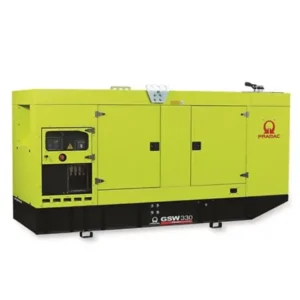
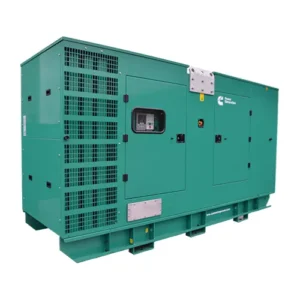
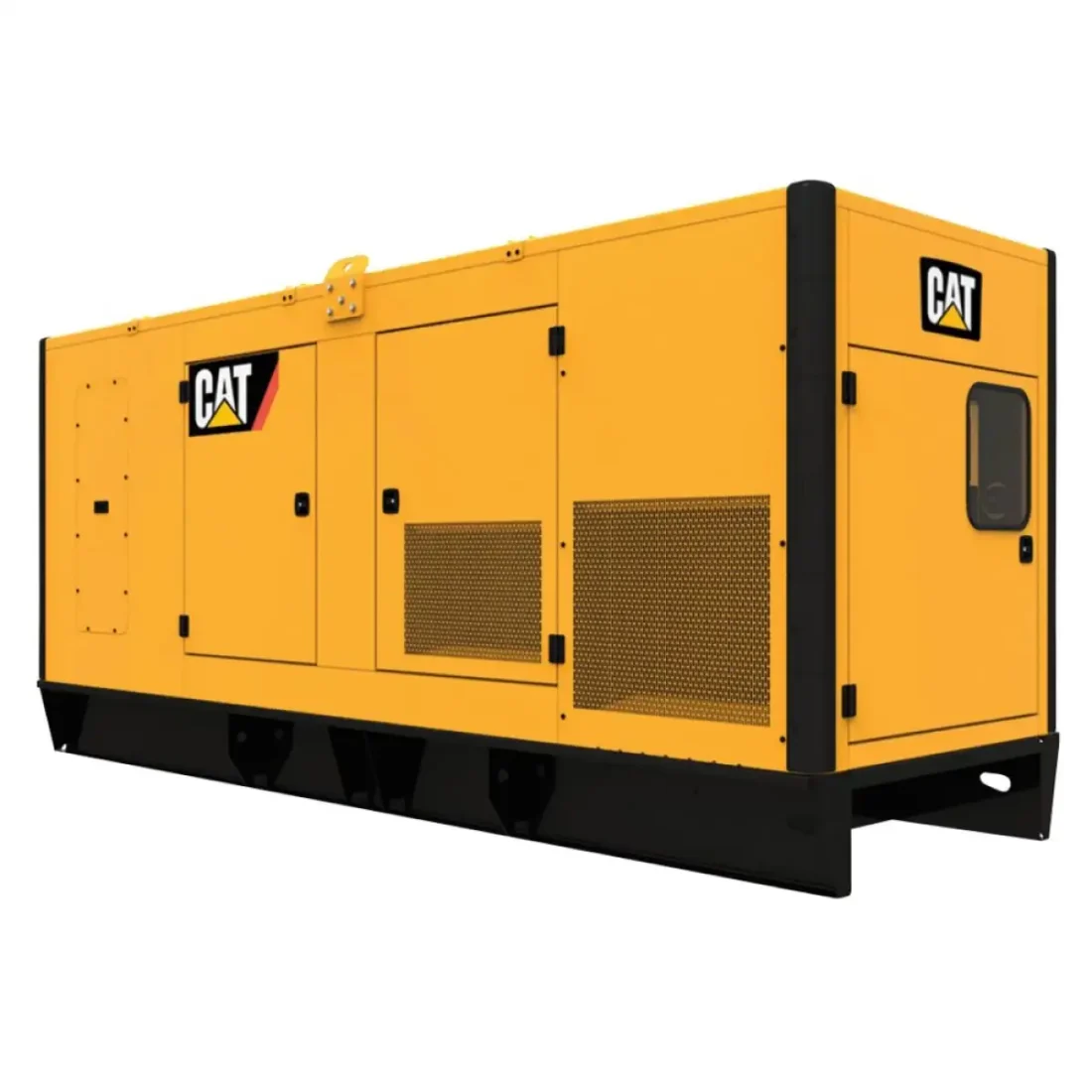

Description
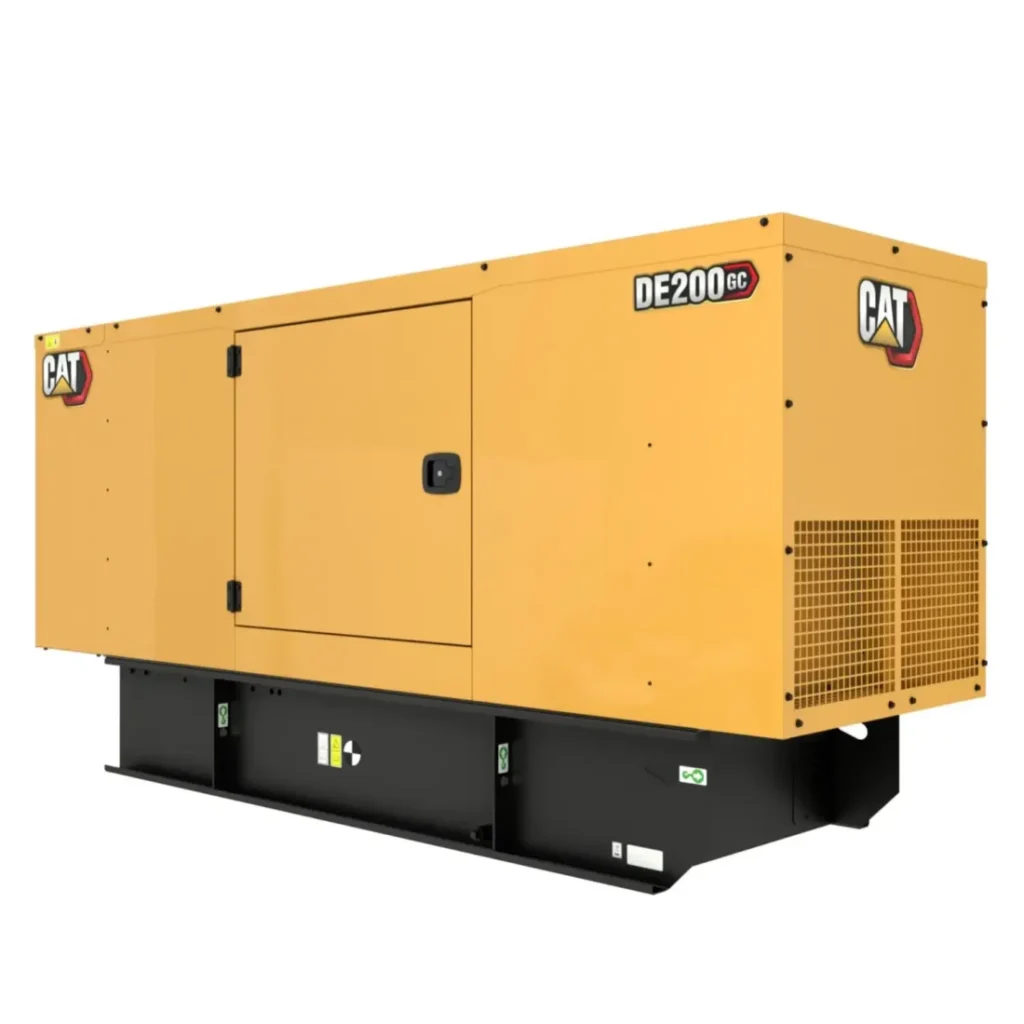
500kVA Cat Generator for Sale South Africa – Real-World Industrial Power (Not Theory)
If you’re looking at a 500kVA generator in South Africa right now, it’s probably not because things are going great with Eskom. Most buyers don’t wake up one morning and say, “You know what would be nice? A massive diesel generator.”
It usually starts with something going wrong. Production stops. Cold rooms warm up. Servers crash. Or a client walks out because the power went off for the third time in a day.
That’s where a 500kVA Cat generator for sale in South Africa starts making sense.
Not as a “nice backup plan,” but as survival equipment for a business.
And yes, people still underestimate it all the time. Then they call back after trying to run a whole facility on a 150kVA unit. I’ve seen that movie too many times.
What You’re Actually Buying Here (No Marketing Fluff)
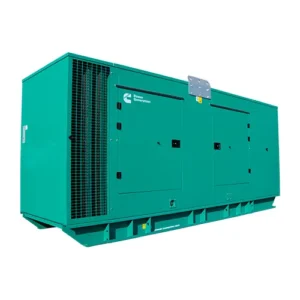
A 500kVA Caterpillar generator is not a small machine pretending to be big. It’s heavy industrial power.
Built around Caterpillar engine systems, this set is designed to sit for hours under load without complaining.
Typical use cases I’ve personally seen it used for:
- Factories running multiple production lines
- Mining operations with crushers and conveyors
- Large farms pumping irrigation systems non-stop
- Shopping centres during peak load shedding
- Private hospitals where “no power” is not an option
- Warehouses with cold storage and automation systems
And here’s the truth nobody likes saying out loud:
A 500kVA unit is usually bought after a smaller generator failed.
Technical Specs (Realistic Field Configuration)
Not brochure fantasy—this is what you’ll typically see installed:
| Item | Specification |
|---|---|
| Generator Type | Industrial Diesel Genset |
| Engine Brand | Caterpillar |
| Engine Series | C15 / C18 (depending on build) |
| Prime Power | ~450–500kVA |
| Standby Power | ~500–550kVA |
| Voltage | 400/230V |
| Phase | 3-Phase |
| Frequency | 50Hz |
| Alternator | Stamford / Leroy-Somer |
| Control Panel | DSE 7320 / 7420 |
| Fuel Type | Diesel |
| Fuel Tank | 500L – 1000L base tank |
| Weight | Around 4.5–5.2 tons |
| Enclosure | Open / Silent canopy optional |
One thing to understand: specs are flexible. Real builds depend on budget, application, and how honest the supplier is being with you.
Why This Size Actually Matters in South Africa
A lot of people either go too small or way too big. There’s rarely a “perfect guess.”
A 500kVA generator usually fits that awkward but important middle ground:
- Big enough for industrial operations
- Not overkill like 1000kVA systems
- Still manageable on fuel and maintenance
- Flexible for both standby and prime use
In South Africa, especially with load shedding cycling unpredictably, this size has become a kind of “default serious business backup.”
Not because it’s trendy—because it works.
Configurations You’ll Actually See in the Field
Open Set (Industrial Room Install)
This is the bare machine.
It’s loud, exposed, and honest.
Good for:
- Mines
- Workshops
- Plant rooms
No nonsense. Just power.
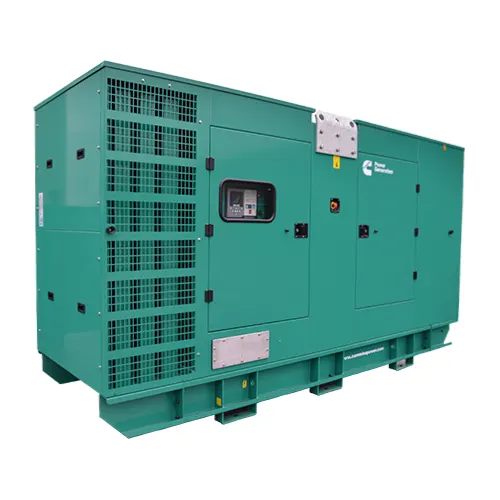
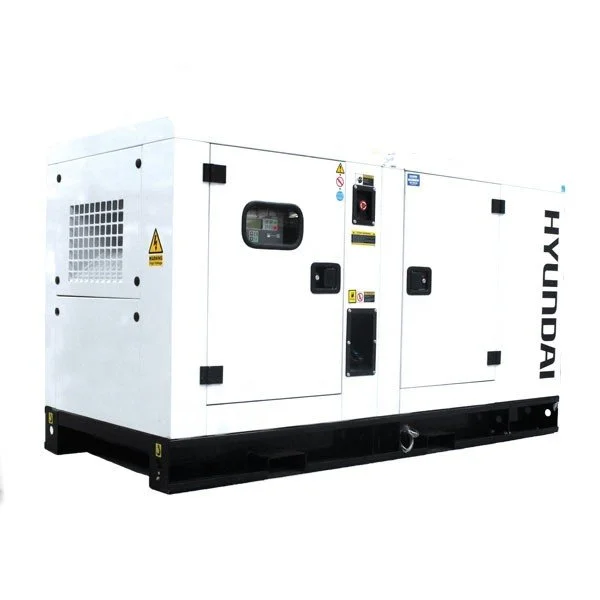
Silent Canopy Version
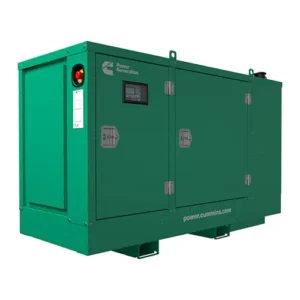
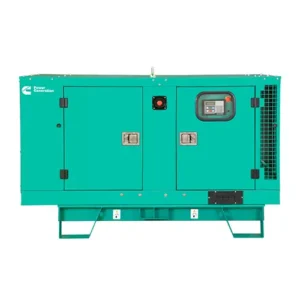
This is the one shopping centres and offices prefer.
It’s still loud-ish if you stand next to it, but not “neighbors calling security” loud.
Good for:
- Hospitals
- Retail
- Offices
- Estates
Trailer Mounted
This one is underrated.
Mostly used by contractors who move from site to site.
Good for:
- Construction
- Events
- Emergency backup fleets
Fuel Consumption (Let’s Talk Reality)
People always ask this like it’s a minor detail. It’s not.
A 500kVA diesel generator will typically burn:
- Light load: ~25L/hour
- Half load: ~40L/hour
- Heavy load: ~60L/hour
- Full load: ~75–85L/hour
Now here’s the part most buyers don’t calculate:
Fuel cost over 12–18 hours of load shedding adds up faster than people expect.
And no, there’s no clever trick around it. Diesel is diesel.
Sizing Mistakes I See All the Time
This is where things usually go wrong.
Someone says:
“My total load is 300kVA, so I’ll buy 300kVA.”
That’s how you burn alternators.
Because motors don’t start gently. They hit hard.
Pumps, compressors, HVAC systems—they all spike.
So a 500kVA unit is often chosen not because you need 500kVA running load… but because your startup load behaves like 700kVA for a few seconds.
That’s what kills undersized systems.
Engine & Alternator Reality Check
The engine matters more than people think.
Common engines used:
- Perkins
- Cummins
- Caterpillar
- Volvo Penta
- Baudouin
- Weichai
Alternators:
- Stamford
- Leroy-Somer
- Mecc Alte
In South Africa, the practical difference shows up in servicing.
Perkins and Cummins? Easier parts.
Caterpillar? More expensive, but extremely tough.
Pick your pain.
Testing Before Delivery (If It’s Done Properly)
A serious supplier doesn’t just “switch it on.”
You want:
- Load bank testing under real load
- Voltage stability checks
- Frequency control testing
- Safety shutdown simulation
- ATS compatibility checks
If someone skips this, you’re basically doing your own testing after purchase—which usually involves a breakdown at the worst possible time.
Delivery Across South Africa
These units don’t ship like appliances.
They go out on proper trucks, sometimes cranes depending on site.
Common delivery routes:
Johannesburg, Pretoria, Durban, Cape Town, Port Elizabeth, Bloemfontein, Polokwane, Nelspruit, East London, Kimberley.
And yes, access matters more than people expect. I’ve seen deliveries delayed because a gate was 20cm too narrow. That kind of thing happens more often than it should.
Installation (Where Most Problems Actually Start)
A generator is only as good as its installation.
You need:
- Solid concrete base
- Proper airflow (this is huge)
- Correct exhaust routing
- Fuel system setup
- ATS integration
- Proper earthing
If airflow is wrong, the generator will overheat. And once that starts happening, everything else becomes irrelevant.
Maintenance (The Part Everyone Ignores)
A 500kVA generator is not “fit and forget.”
It needs:
- Oil changes
- Filter replacements
- Battery checks
- Cooling system inspection
- Load testing
Most breakdowns don’t happen because the generator is bad.
They happen because maintenance was delayed “just a little bit.”
That “little bit” is expensive later.
What Actually Affects Price in South Africa
Not just “size.”
- Engine brand (big one)
- Canopy vs open
- Alternator quality
- Exchange rate swings
- Transport distance
- ATS inclusion
- Installation complexity
Anyone giving you a fixed price without asking questions is guessing. And guessing with generators is how people lose money.
FAQ
Is 500kVA enough for a factory?
Yes, but only if it’s sized properly. Don’t assume—calculate properly.
How long can it run?
As long as fuel and maintenance allow. 24–72 hours is common.
Is it good for load shedding?
Yes, it’s widely used for that across South Africa.
How much fuel does it use?
Anywhere from 25–85L/hour depending on load.
Do you deliver nationwide?
Yes, all major provinces and cities.
Can it run sensitive equipment?
Yes, if properly configured.
What’s the lifespan?
15–25 years with proper care.
Final Word (No Sales Talk)
A 500kVA Cat generator for sale in South Africa isn’t something you buy casually.
It’s infrastructure. Same category as your electrical system or water supply.
If it’s chosen right, you forget about power problems.
If it’s chosen wrong, you end up calling suppliers at 2am during load shedding asking why everything shut down.
And honestly—that second situation is far more common than it should be.
If you want, I can also tighten this further for Google rankings or rewrite it specifically for a landing page that converts better on ads.
Pieter Willem De Bruyn, Polokwane – Limpopo –
At first I thought 500kVA was overkill for what we needed… turns out I was wrong. The generator handles everything without even sounding stressed. There was a small issue with the initial setup, but the team sorted it quicker than I expected. Respect where it’s due. I’d definitely recommend them just make sure you size properly from the start.