Introduction
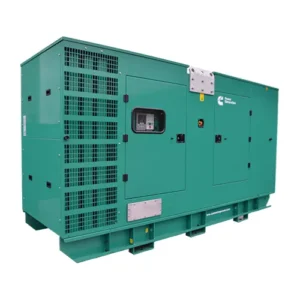
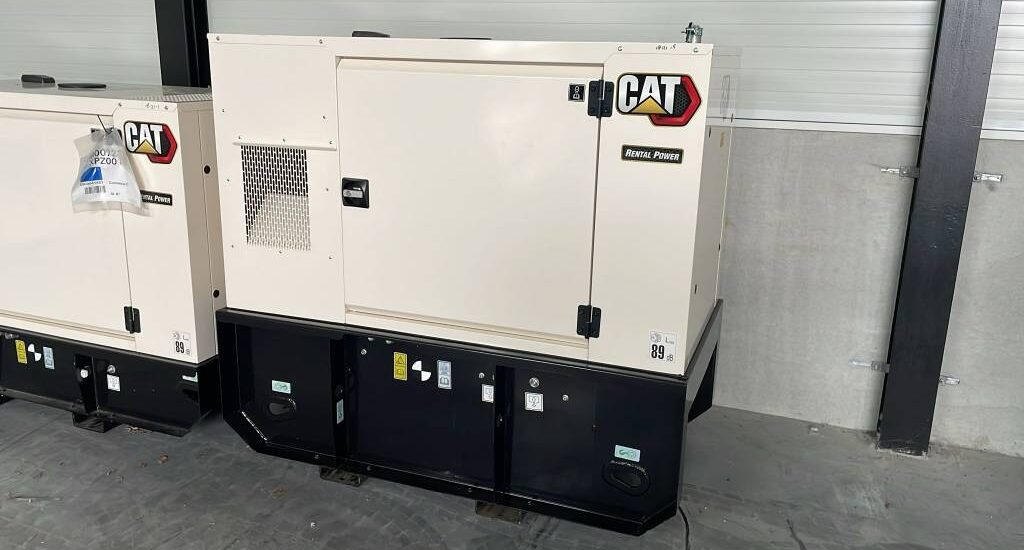
Choosing the right generator size isn’t just about buying the biggest unit you can afford. It’s about matching your power requirements, budget and future plans to a generator that will deliver dependable performance without unnecessary operating costs. That’s why many South African businesses compare the 17kVA Generator vs 20kVA Generator before making a purchasing decision.
South Africa continues to experience periodic load shedding and unexpected power outages, making dependable backup power an essential investment for many homes, farms and businesses. For the latest updates on planned electricity supply interruptions, visit Eskom Load Shedding to monitor schedules affecting your area.
Even though these two generators seem similar they are actually good for things. The 17kVA generator is usually enough for businesses and farms.. The 20kVA generator can handle more power and is good if you think you will need more power in the future.
In this guide, we’ll compare both generator sizes in practical terms, including power output, typical applications, operating costs and buying considerations. By the end, you’ll have a much clearer idea of which generator is the better investment for your specific needs.
17kVA Generator vs 20kVA Generator at a Glance
| Feature | 17kVA Generator | 20kVA Generator |
|---|---|---|
| Typical Power Output | Around 13.6kW | Around 16kW |
| Best For | Small businesses, homes, farms | Larger businesses, workshops, commercial facilities |
| Fuel Consumption | Lower | Slightly higher |
| Purchase Cost | More affordable | Higher initial investment |
| Operating Costs | Lower | Higher but supports larger loads |
| Future Expansion | Limited | Better suited for business growth |
| Common Engine Options | Cummins, Perkins, Kubota | Cummins, Perkins, Doosan, Baudouin |
| Typical Usage | Backup power | Backup and heavier standby applications |
While both generators provide reliable standby power, the additional capacity of a 20kVA generator can make a significant difference if your electrical demand is close to the limits of a 17kVA unit.
Why Compare a 17kVA Generator and a 20kVA Generator?
One of the most common questions we receive is:
“Should I spend a little more on a larger generator, or will a 17kVA model be enough?”
It’s a sensible question because choosing the wrong size can become an expensive mistake.
An undersized generator may struggle during periods of high electrical demand, causing nuisance trips, voltage fluctuations and unnecessary strain on the engine. Over time, consistent overloading can reduce the generator’s lifespan and increase maintenance costs.
If you buy a generator that’s much bigger than what you really need it can use more fuel cost more to fix and work less well when it is not being used a lot.
The aim is not to get the generator possible – it is to pick the one that is best for what you need.
This is why understanding the differences between a 17kVA and 20kVA generator is so important before requesting quotations.
Understanding the Difference in Power Output
When you look at it at first the difference between 17kVA and 20kVA does not seem like a deal.. The truth is, that little extra power can make a big difference, in what your generator can handle safely.
Using a standard power factor of 0.8:
| Generator Size | Approximate Power Output |
|---|---|
| 17kVA | 13.6kW |
| 20kVA | 16kW |
That extra 2.4kW may not sound significant, but it often provides enough capacity to power additional equipment such as:
- Multiple air conditioning units
- Commercial refrigeration
- Larger compressors
- Water pumps
- Workshop machinery
- Additional office equipment
- Kitchen appliances in restaurants and hospitality venues
It’s also worth remembering that electric motors require higher starting currents than their normal running loads. Equipment such as pumps, compressors and air conditioners can briefly draw two to three times their normal operating current during start-up.
A generator with a little extra capacity is therefore less likely to experience excessive voltage drops or overload conditions when these appliances start simultaneously.
What Can a 17kVA Generator Power?
A 17kVA generator is a choice across South Africa because it offers an excellent balance between affordability, fuel efficiency and dependable backup power.
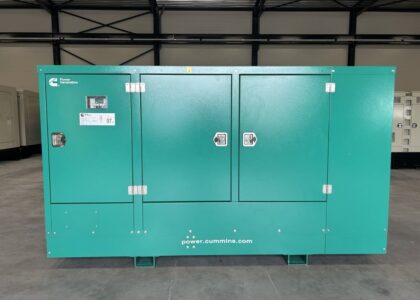
Depending on the load a quality Cummins 17kVA generator can comfortably support applications such as:
Small Offices
A 17kVA generator can typically power:
- Desktop computers
- Servers
- Wi-Fi equipment
- Printers
- LED lighting
- Security systems
- Small kitchen appliances
This makes it an excellent solution, for offices that need to remain operational during load shedding or unexpected outages.
Retail Shops
Retail businesses often require continuous operation to protect sales and customer service.
A 17kVA generator is commonly suitable for:
- Point-of-sale systems
- Display lighting
- CCTV
- Refrigeration units
- Computers
- Alarm systems
- Internet equipment
Farms
Many South African farms rely on generators to maintain productivity during power interruptions.
Typical farm applications include:
- Borehole pumps
- Livestock water systems
- Electric fencing
- Small irrigation pumps
- Lighting
- Farm offices
- Cold storage (depending on load requirements)
Medical Practices
Small healthcare facilities often use generators to protect critical equipment.
A properly sized 17kVA unit can support:
- Examination rooms
- Computers
- Medical refrigeration
- Diagnostic equipment
- Reception areas
- Essential lighting
Accurate load calculations remain essential, particularly where life-critical equipment is involved.
If a 17kVA generator matches your power requirements, explore our 17kVA Cummins diesel generator to learn more about its specifications, performance and suitability for offices, farms, retail businesses and other commercial applications across South Africa.
What Can a 20kVA Generator Power?
A 20kVA generator offers additional capacity for businesses expecting higher electrical demand or future expansion.
Typical applications include:
Restaurants and Cafés
A 20kVA generator can often power:
- Commercial refrigeration
- Ice machines
- Kitchen extraction systems
- Coffee machines
- Point-of-sale equipment
- Interior and exterior lighting
- Security systems
The additional power reserve helps manage the simultaneous operation of multiple high-demand appliances during busy service periods.
Workshops and Light Manufacturing
Many workshops require enough power to operate several machines at the same time.
A 20kVA generator may comfortably support:
- Air compressors
- Welders (depending on specification)
- Bench machinery
- Lighting
- Dust extraction systems
- Office equipment
The extra capacity also provides greater flexibility as equipment requirements grow.
Larger Commercial Buildings
Businesses operating from larger premises often need additional capacity for:
- Air conditioning systems
- Multiple office workstations
- Security infrastructure
- IT equipment
- Elevators (subject to load calculations)
- Emergency lighting
- Communication systems
In these situations, a 20kVA generator can provide a more comfortable operating margin than a 17kVA model, reducing the likelihood of overloads during peak demand.
If your business requires additional capacity for future growth, explore our 20kVA diesel generator range to compare reliable standby power solutions designed for larger commercial, industrial and agricultural applications.
Fuel Consumption Comparison
Fuel consumption is one of the biggest long-term costs of owning a diesel generator. While the purchase price often receives the most attention, the amount of diesel a generator uses over several years can have a much greater impact on the total cost of ownership.
The actual fuel consumption of a generator depends on several factors, including engine efficiency, load percentage, maintenance, ambient temperature and the quality of the diesel being used. A generator operating at 50–75% of its rated capacity is generally more fuel-efficient than one that is consistently underloaded or overloaded.
The figures below are typical estimates for modern diesel generators fitted with reputable engines such as Cummins. Actual consumption will vary depending on the manufacturer and operating conditions.
| Load Level | 17kVA Generator | 20kVA Generator |
|---|---|---|
| 25% Load | 1.4–1.8 L/hr | 1.6–2.0 L/hr |
| 50% Load | 2.2–2.8 L/hr | 2.5–3.2 L/hr |
| 75% Load | 3.0–3.8 L/hr | 3.5–4.3 L/hr |
| 100% Load | 3.8–4.8 L/hr | 4.5–5.5 L/hr |
For businesses operating a generator during frequent load shedding or extended outages, these differences can add up over time. However, fuel efficiency should never be the sole deciding factor. A generator that is too small for your electrical load will often consume more fuel relative to the work it performs and may experience increased wear due to constant high-load operation.
To better understand how generator size, electrical load and operating conditions affect diesel consumption, read our Generator Fuel Consumption Guide. It explains the factors that influence fuel usage and provides practical advice to help reduce long-term operating costs.
Purchase Price Comparison
Budget naturally plays an important role when choosing between a 17kVA and a 20kVA generator.
In most cases, a 17kVA generator has a lower purchase price because it uses a smaller engine and alternator. Installation costs may also be slightly lower due to reduced transport and handling requirements.
A 20kVA generator generally commands a higher initial investment, but that additional cost provides extra power capacity, allowing the generator to accommodate larger electrical loads and future expansion without immediately requiring another upgrade.
Rather than focusing solely on the purchase price, consider the total cost of ownership, including:
- Fuel consumption
- Routine servicing
- Replacement parts
- Installation costs
- Generator lifespan
- Future business growth
For a lot of businesses that are getting bigger it is better to buy a generator that’s a little bigger. This is because it can be cheaper, than buying an one a few years later because the old one is not big enough. A 17kVA generator or a 20kVA generator that is the size can make a big difference.
Running Costs Over the Long Term
Beyond the initial purchase price, running costs should form a key part of your decision.
Typical ongoing expenses include:
- Diesel fuel
- Scheduled servicing
- Engine oil and filters
- Coolant replacement
- Air and fuel filters
- Battery maintenance
- Load bank testing where required
The difference in servicing costs between a 17kVA and 20kVA generator is generally modest, particularly when both units are maintained according to the manufacturer’s recommendations.
Where businesses often incur unnecessary costs is by selecting the wrong generator size. A generator operating close to its maximum capacity for prolonged periods will usually require more frequent maintenance and may experience a shorter service life.
Choosing the correct size from the outset can therefore reduce operating costs over many years.
Which Generator Is Better for Different Applications?
Every business has different power requirements. The right choice depends on the equipment you need to keep running during a power outage, as well as any future expansion plans.
Small Offices
For most professional offices with computers, networking equipment, lighting and security systems, a 17kVA generator is often sufficient.
If additional air conditioning units or server infrastructure are expected in the future, a 20kVA generator may provide greater flexibility.
Recommended: 17kVA Generator
Retail Shops
Retail stores typically require reliable power for:
- Point-of-sale systems
- Refrigeration
- Display lighting
- Security systems
- Internet connectivity
Small to medium-sized shops usually operate comfortably with a 17kVA generator, while larger supermarkets and retail outlets often benefit from the additional capacity of a 20kVA model.
Recommended: 17kVA for small shops, 20kVA for larger retail premises.
Farms and Agricultural Operations
Power requirements on farms vary considerably depending on the equipment in use.
A 17kVA generator may be suitable for:
- Borehole pumps
- Electric fencing
- Farm offices
- Livestock watering systems
A 20kVA generator becomes the better choice where multiple pumps, irrigation systems, workshops or cold storage facilities operate simultaneously.
Recommended: Depends on the overall electrical load.
Restaurants and Hospitality
When you think about restaurants you have to consider all the appliances they use at the same time. This includes things like refrigerators, kitchen equipment, extraction systems and lighting.
These appliances need a lot of power to run. That is why a 20kVA generator is an idea. It helps restaurants handle the power they need when they are really busy.
The extra power from a 20kVA generator reduces the risk of overloads. This is especially important during times.
Recommended: 20kVA Generator
Workshops and Light Manufacturing
Workshops use a lot of machinery that needs a lot of power to start up. This includes things like compressors, pumps and electric motors.
A 17kVA generator might be enough for workshops.. If you have a lot of machines running at the same time a 20kVA generator is a better idea. It can handle the power you need.
So if you have a workshop with a lot of machinery you should consider a 20kVA generator.
Recommended: 20kVA Generator
Medical Practices and Clinics
Healthcare facilities require dependable standby power for critical equipment.
The appropriate generator size depends entirely on the electrical load, but many smaller practices operate efficiently with a 17kVA generator, while larger clinics often require a 20kVA unit.
A professional load assessment is strongly recommended before purchasing a generator for any medical environment.
Recommended: Based on a professional load calculation.
Expert Advice
After helping businesses across South Africa choose backup power solutions, one of the most common mistakes we see is customers selecting a generator based solely on price or kVA rating.
The better approach is to calculate your actual electrical demand, including the starting current of motors, compressors and air conditioning systems. It’s also wise to allow a reasonable margin for future expansion rather than operating the generator continuously at its maximum capacity.
When you are looking for a generator you have to think about the quality of the generator. Companies like Cummins are well known for making engines. They have parts that you can get easily and their engines work well for a time. That is why people like to use them when they need power all the time or as a backup. For more information about engine technology, product specifications and global power solutions, visit Cummins, one of the world’s leading diesel engine and generator manufacturers.
Another important consideration is generator quality. Well-established manufacturers such as Cummins have earned a strong reputation for reliable engines, readily available replacement parts and dependable long-term performance, making them a popular choice for standby and prime power applications.
If you’re still unsure which generator size is best for your application, our Generator Sizing Guide explains how to calculate your electrical load, account for motor starting currents and choose a generator that delivers reliable performance while allowing for future growth.
Common Buying Mistakes to Avoid
Avoiding these mistakes can save thousands of rand over the life of your generator.
Choosing the Cheapest Generator
A purchase price doesn’t always represent better value. Reliability, fuel efficiency and servicing costs are equally important.
Ignoring Future Growth
Many businesses underestimate how quickly their power requirements increase. If expansion is planned within the few years it may be worth considering a slightly larger generator now.
Not Calculating Starting Loads
Electric motors draw more power when starting than when running. Failing to account for this can result in trips and poor generator performance.
Overloading the Generator
Regularly operating near maximum capacity places unnecessary stress on the engine and alternator increasing wear and maintenance requirements.
Buying Without Professional Advice
Every installation is different. A qualified generator specialist can assess your load recommend the correct generator size and ensure the installation complies, with South African electrical standards.
Quick Decision Guide
If you’re still deciding between these two generator sizes, this simple guide can help.
Choose a 17kVA Generator if:
- You operate a small office or retail business.
- Your electrical load comfortably falls within the generator’s capacity.
- Fuel efficiency is a priority.
- You want a lower upfront investment.
- Significant business expansion isn’t expected in the near future.
Choose a 20kVA Generator if:
- You operate a larger commercial premises.
- Multiple motors or air conditioning units start simultaneously.
- Your business is expected to grow.
- You need additional capacity for future equipment.
- You prefer greater flexibility and a larger operating margin.
Frequently Asked Questions
1. Is a 17kVA generator powerful enough for a small business?
In many cases yes. A 17kVA generator can comfortably provide power for small offices, retail shops, medical practices, farms and similar businesses. The right choice depends on the electrical load, including the starting current of equipment such, as pumps, compressors and air conditioning systems.
2. Is a 20kVA generator worth the extra cost?
If your business needs power or expects to grow a 20kVA generator is often a good choice. The extra power gives options lowers the chance of overloading and lets you add more machines as your business expands.
3. Which generator uses less diesel?
When you compare them a 17kVA generator usually uses diesel than a 20kVA generator. This is because the 17kVA generator has an engine.. If you choose a generator that is too small, for what you need it will not work well and you will spend more money to run it over time. The 17kVA generator and the 20kVA generator have fuel needs. The 17kVA generator is a choice if you want to use less diesel.
4. Can both generators run air conditioning systems?
Yes, provided the generator has sufficient capacity for both the running load and the higher starting current of the air conditioning units. Larger commercial HVAC systems may require a 20kVA generator or an even larger model, depending on the overall electrical demand.
5. Which generator is better for load shedding?
The 17kVA generator and the 20kVA generator both give us backup power when we have load shedding. The 17kVA generator is usually a choice for smaller businesses. On the hand the 20kVA generator is better for larger businesses that use a lot of electricity. This is because the 20kVA generator has power to handle the bigger electrical loads of larger commercial premises. So when we compare the 17kVA generator and the 20kVA generator we see that the 20kVA generator is an option, for bigger places.
6. Can I use either generator for continuous operation?
Many diesel generators can be used for both prime power purposes depending on what they are rated for. If the generator will run for a time make sure to pick a model that is suitable, for the work you plan to do and follow the manufacturers maintenance schedule.
7. Should I choose single-phase or three-phase?
The choice depends on your setup. Most houses have single-phase power whereas many businesses, factories and farms use three-phase systems. Getting a generator that goes with your supply is important, for safe and efficient use.
Not sure which electrical configuration you need? Our Single-Phase vs Three-Phase Generator Guide explains the key differences and helps you choose the right generator for your property.
8. How long will a 17kVA or 20kVA generator run on a full tank?
The amount of time a 17kVA generator or a 20kVA generator can run on a tank depends on the size of the fuel tank and the electrical load that is being used. A 17kVA generator or a 20kVA generator that is not heavily used will usually run longer than a 17kVA generator or a 20kVA generator that is working near its power. Always look at the manufacturers specifications, for a 17kVA generator or a 20kVA generator to find out how long it can run under conditions.
9. Which generator requires less maintenance?
Both of these generators need to be taken care of from time to time. This means they need things like oil changes and new filters. They also need to be looked at. How often they need to be serviced is much the same for both.. The real thing that affects how much maintenance they need is how many hours they are used and the kind of environment they are, in, not really how big the generator is.
10. Can I install the generator myself?
It is really best if you do not try to install the generator by yourself. The generator needs to be installed and this includes doing the electrical work and making sure the generator is properly connected to the earth. The generator also needs to have ventilation and the exhaust needs to be routed correctly. The generator must also meet the rules for things, in South Africa.
If you use someone who has installed generators before this will help to keep the generator safe and working well. It will also help to protect the money you spent on the generator. Installing the generator the right way is very important for the generator to work safely.
Before installing your new generator, read our Generator Installation Guide to learn about site preparation, ventilation requirements, exhaust system design, electrical connections and installation best practices for reliable, long-term performance.
Professional generator installations should comply with the relevant electrical standards published by the South African Bureau of Standards (SABS) to help promote safe, compliant and reliable operation.
11. Which generator offers better value for money?
It really depends on how power you need. If you need a generator for things a 17kVA generator is a good choice because it offers excellent value, for smaller applications.. If your business is going to need more power in the future a 20kVA generator may be a better choice because it can deliver better value over time for the generator. The 17kVA generator and the 20kVA generator are both options to consider when thinking about the generator.
12. How do I know which generator size is right for me?
The most reliable approach is to calculate the total electrical load of all equipment you intend to operate, including motor starting currents and any planned future expansion. A professional load assessment helps ensure you invest in the right generator from the outset.
Conclusion
Choosing between a 17kVA Generator vs 20kVA Generator ultimately comes down to your current power requirements, expected future growth and operating budget.
A 17kVA Generator is a choice for many small businesses, retail shops, offices, farms and medical practices that require dependable standby power without excessive running costs. On the hand a 20kVA Generator provides additional capacity for larger commercial premises, workshops, restaurants and businesses planning to expand their operations.
Than focusing solely on purchase price consider the total cost of ownership including fuel consumption, maintenance, installation and future scalability. Investing in the generator today can improve reliability reduce operating costs and minimise the risk of costly downtime during power outages.
If you are unsure which generator is best suited, to your application obtaining advice and a detailed load assessment is the most effective way to make an informed decision.
Request Expert Advice
Selecting the right generator doesn’t have to be complicated. At Power Stay Solutions, we help businesses, farms and commercial property owners across South Africa choose reliable backup power solutions based on their actual electrical requirements.
If you’re still comparing different generator sizes, explore our Diesel Generators for Sale to compare reliable standby power solutions for homes, farms, commercial and industrial applications across South Africa.
Whether you’re comparing a 17kVA or 20kVA generator, our team can assess your power needs, recommend the most suitable solution and provide a competitive quotation.
Contact Power Stay Solutions today to discuss your backup power requirements or explore our range of reliable diesel generators for sale.