Introduction
It is not about buying the largest generator that you can pay for when you are choosing the correct backup power system. A generator that is too big uses fuel and makes the cost of running it higher. A generator that is too small might not be able to help equipment when the power goes out. If you are thinking about getting a 17kVA diesel generator the main question is whether it can easily deal with the power needs of your business without making things less reliable.
Many businesses in South Africa that have power cuts and sudden outages find that a 17kVA generator offers a good balance between how much power it gives how much fuel it uses and how much it costs.. It is not the best choice for every situation. This guide explains what a 17kVA diesel generator can run, which businesses it is best, for, how to figure out how power you need and when you should think about getting a bigger generator.
Why Generator Size Matters More Than Most Businesses Realise
Selecting the correct generator size is one of the most important decisions you’ll make when investing in backup power. While price often attracts the most attention, the long-term performance of your generator depends on whether it’s correctly matched to your electrical load.
A generator that is too small may:
- Trip circuit breakers during startup
- Overload when several appliances start together
- Experience excessive engine wear
- Consume more fuel than expected because it constantly operates at maximum capacity
- Shorten component life through continuous overloading
On the other hand, an oversized generator can also create problems.
Using a diesel generator at very low levels for a long time can cause poor burning, build-up of carbon and more work to keep it running. The aim is to pick a generator that works with how you use power every day and still has space for more needs later.
For most businesses, the ideal operating range is typically between 60% and 80% of the generator’s rated capacity.
How Much Power Does a 17kVA Diesel Generator Produce?
A lot of people think that kVA and kW are the same thing. Well, They are not at all.
The capacity of a diesel generator is usually talked about in terms of kVA, which’s kilovolt-amperes.
The things that are plugged into the diesel generator use kW, which is kilowatts.
A typical 17kVA diesel generator can make about:
| Specification | Typical Value |
|---|---|
| Generator Rating | 17kVA |
| Real Power Output | Around 13.6kW |
| Voltage | 400V / 230V |
| Frequency | 50Hz |
| Phase | Three Phase |
| Fuel Type | Diesel |
The exact output depends on the manufacturer’s specifications and the generator’s power factor, but most commercial 17kVA units deliver approximately 13–14kW of usable electrical power.
This makes them suitable for many small to medium-sized commercial applications throughout South Africa.
What Can a 17kVA Diesel Generator Power?
One of the most common questions we receive is, “Will a 17kVA generator run my business?”
The answer depends on the total electrical load rather than the size of the building.
In many cases, a 17kVA generator can comfortably power essential business operations, including:
- Office computers
- Fibre and networking equipment
- Security systems
- LED lighting
- Point-of-sale systems
- Refrigeration equipment
- Small workshop machinery
- Air conditioning units (depending on size)
- Water pumps
- Automatic gates
- CCTV systems
Rather than attempting to run every electrical device simultaneously, many businesses prioritise essential circuits during power outages. This approach allows a correctly sized generator to provide reliable backup power without unnecessary expense.
Businesses That Are Well Suited to a 17kVA Diesel Generator
A 17kVA diesel generator is a good option for businesses that use a moderate amount of electricity. This 17kVA diesel generator gives them power to keep everything running without having to pay a lot of money for a bigger generator.
Typical applications include:
Small Offices
Small offices need a 17kVA diesel generator to keep their computers and printers and internet working. They also need it for the lights and security systems and air conditioning. A 17kVA diesel generator can usually handle all of these things without any problems.
Retail Stores
Retail businesses need uninterrupted power for tills, payment terminals, security systems, refrigeration, lighting and internet connectivity. Maintaining these services helps minimise lost sales during load shedding.
Medical Practices
Doctors’ rooms, dental surgeries and consulting practices often require continuous power for computers, lighting, refrigeration for medicines and selected medical equipment. Careful load calculations remain essential where specialised equipment is involved.
Restaurants and Cafés
Smaller restaurants can use a 17kVA generator to keep refrigeration, lighting, payment systems and selected kitchen equipment operational. However, large commercial kitchens with multiple ovens, fryers and extraction systems may require a higher-capacity generator.
Farms
Many farms use generators for:
- Water pumps
- Boreholes
- Electric fencing
- Workshops
- Staff accommodation
- Farm offices
- Irrigation controls
Provided high-demand irrigation pumps are managed correctly, a 17kVA unit can often meet the needs of smaller farming operations.
Workshops
Engineering workshops, woodworking businesses and automotive repair centres frequently use 17kVA generators to maintain lighting, compressors, diagnostic equipment and selected machinery during outages.
The deciding factor is always the combined running and starting load of the equipment—not simply the type of business.
When a 17kVA Generator May Not Be Large Enough
Although a 17kVA diesel generator is highly versatile, there are situations where it simply won’t provide sufficient capacity.
You should consider a larger generator if your business operates:
- Large industrial machinery
- Heavy-duty compressors
- Multiple welders
- Large cold rooms
- High-capacity air conditioning systems
- Manufacturing equipment
- Large irrigation pumps
- Commercial kitchens with extensive electrical cooking equipment
- Large office buildings
- Warehouses with significant electrical loads
Another factor often overlooked is motor starting current.
Electric motors can draw two to seven times their normal running current during startup. If several motors start simultaneously, the temporary surge may exceed the generator’s available capacity, even though the normal running load appears acceptable.
This is one of the main reasons professional load assessments are recommended before purchasing any commercial generator.
How to Determine if a 17kVA Generator Is the Right Size
Many business owners estimate their power requirements based on guesswork or by looking at previous electricity bills. Unfortunately, neither approach provides an accurate picture of the actual electrical load your generator must support.
A proper generator sizing assessment should include:
- The running wattage of every essential appliance
- Starting current for motors and compressors
- Single-phase and three-phase equipment
- Equipment that must operate simultaneously
- Future business expansion plans
- Load priorities during outages
- Any sensitive electronic equipment that requires stable voltage
Creating a list of all essential electrical equipment is an excellent starting point, but accurate sizing usually requires more than adding up appliance ratings. Starting loads, diversity factors and the sequence in which equipment operates can significantly affect the generator capacity required.
If you’re unsure how to calculate your total electrical demand, our guide on how to size a diesel generator correctly explains the process step by step and helps you choose the right generator capacity for your business.
Typical Equipment a 17kVA Diesel Generator Can Run
Every business has power needs so there isn’t one list that works for everyone. The table below gives a guide to what a 17kVA diesel generator can usually run when it is the right size.
| Equipment | Typical Power Demand | Suitable for a 17kVA Generator? |
|---|---|---|
| 10–15 office computers | 2–4kW | ✓ Yes |
| Fibre, Wi-Fi and networking equipment | Less than 1kW | ✓ Yes |
| LED office lighting | 1–2kW | ✓ Yes |
| CCTV and alarm systems | Less than 1kW | ✓ Yes |
| Point-of-sale systems | Less than 1kW | ✓ Yes |
| Commercial refrigerators | 1–3kW | ✓ Yes |
| Small cold room | 3–5kW | ✓ Usually |
| Borehole pump | Varies | ✓ Often |
| Small air compressor | Varies | ✓ Check starting current |
| Split-unit air conditioners | Varies | ✓ Depends on quantity |
| Large industrial machinery | High | ✗ Usually No |
These figures are only intended as a guide. Always calculate the combined running load and the starting load before selecting a generator.
Single-Phase or Three-Phase – Which One Do You Need?
Most 17kVA diesel generators supplied for commercial use in South Africa are three-phase models, making them suitable for businesses that operate a mix of three-phase and single-phase equipment.
Single-phase generators are generally suited to lighter electrical loads, while three-phase generators are designed for applications requiring greater power distribution and equipment such as:
- Industrial compressors
- Large water pumps
- Workshop machinery
- Manufacturing equipment
- Commercial refrigeration systems
So before you buy a generator you need to find out what kind of electricity your building gets. If you get it wrong you might waste money. Not be able to use it like you want to. You should check if you have phase or three-phase electricity. Diesel generators are an investment so you want to make sure you get the right one either a single-phase or three-phase model, to power your business.
If you’re not sure which electrical supply your business has or which generator configuration is most suitable, our single-phase vs three-phase generator guide explains the key differences and helps you choose the right option for your application.
Fuel Consumption – What Should You Expect?
Running costs are an important consideration for any business investing in backup power.
Although fuel consumption varies between manufacturers and engine sizes, a quality 17kVA diesel generator operating at around 75% load typically offers excellent fuel efficiency compared with larger generators running well below their intended capacity.
Fuel usage is influenced by several factors:
- Generator load
- Engine efficiency
- Maintenance history
- Ambient temperature
- Fuel quality
- Operating hours
Rather than selecting a larger generator “just in case”, choosing the correct size often results in lower fuel costs over the life of the generator.
Should You Choose an Open or Silent Generator?
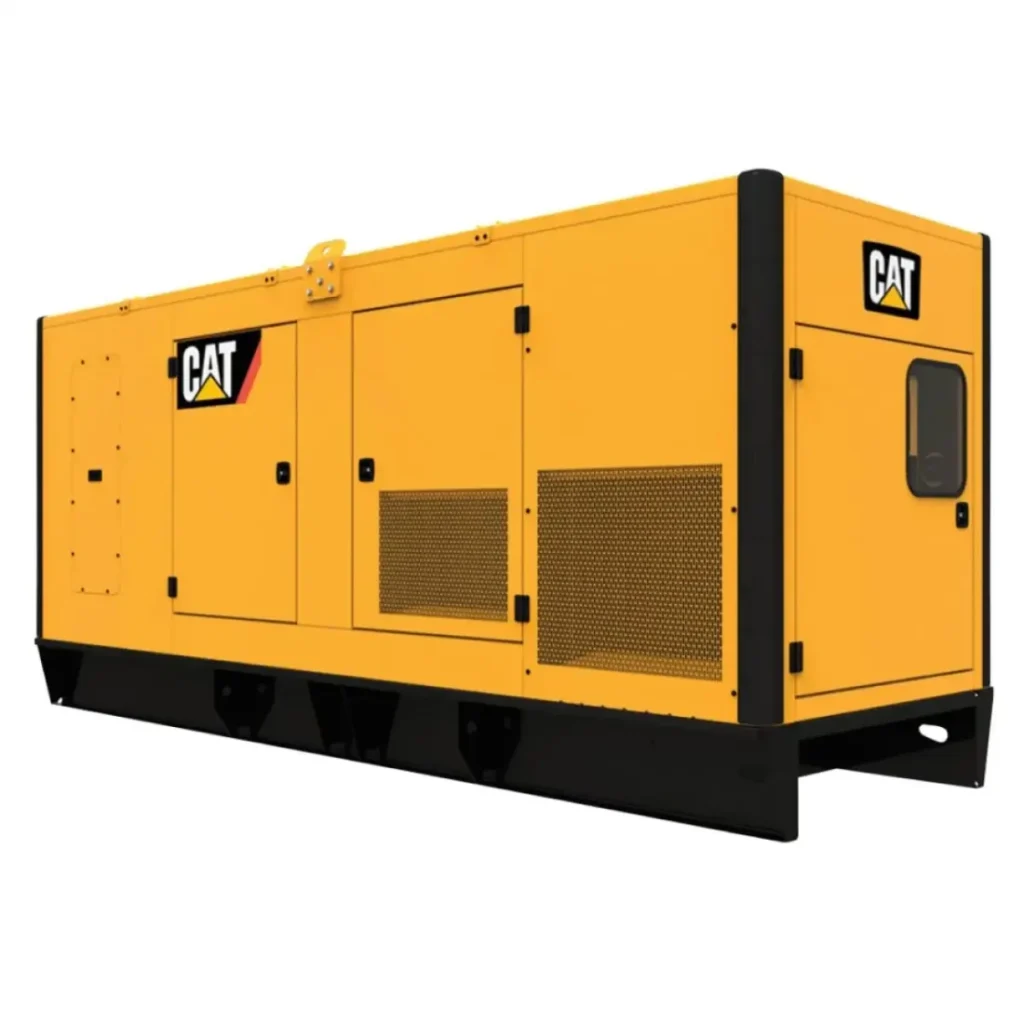
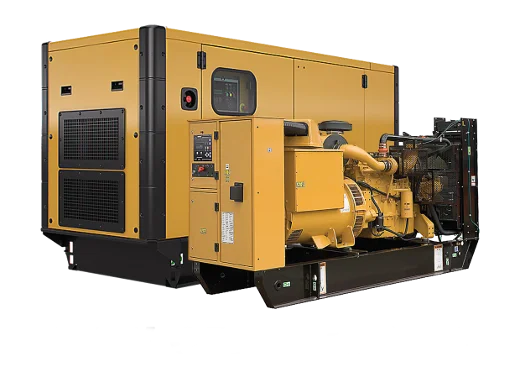
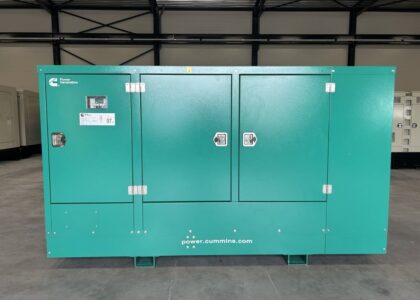
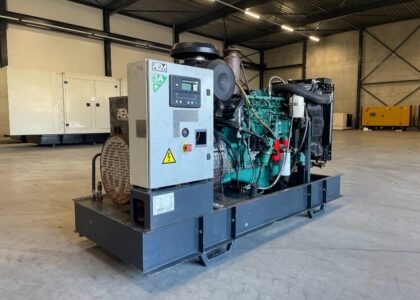
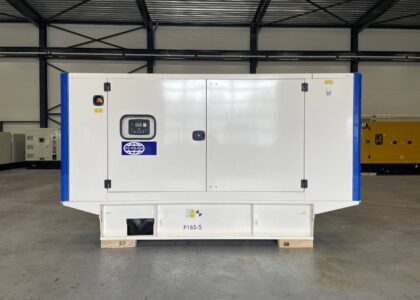
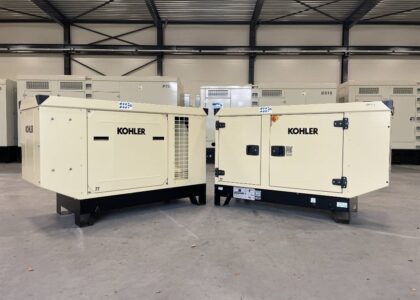
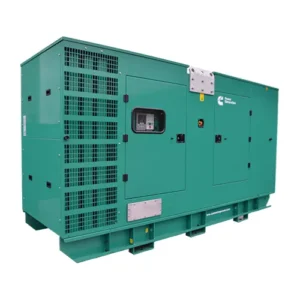
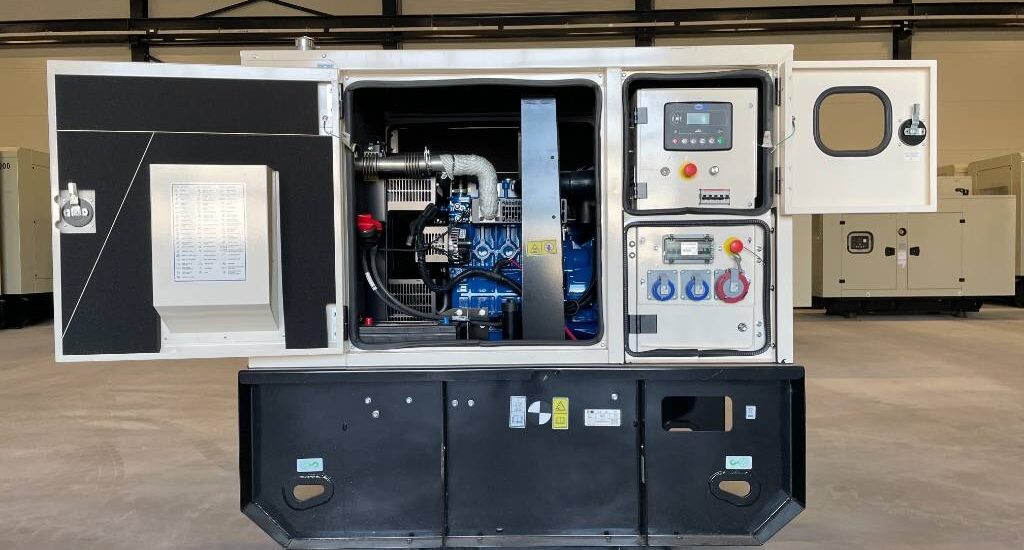
For most commercial applications, a sound-attenuated (silent) diesel generator is the preferred option.
Silent Generator
Advantages
- Significantly quieter operation
- Better suited to offices, retail centres and residential areas
- Improved weather protection
- Enhanced security
- More professional appearance
Disadvantages
- Higher purchase price
- Slightly larger footprint
Open Generator
Advantages
- Lower initial cost
- Easier access during servicing
- Suitable for plant rooms or dedicated generator buildings
Disadvantages
- Considerably louder
- Requires additional weather protection
- Less suitable for populated areas
For companies that are in towns, shopping centres, schools or office parks a silent diesel generator is usually the better choice, for the long run.
Expert Advice: Choosing the Right Generator the First Time
One of the most common mistakes we see customers make is selecting a generator based solely on its advertised kVA rating.
After helping businesses across South Africa choose backup power systems, it’s clear that successful generator installations begin with a proper understanding of the electrical load—not the budget alone.
A generator should comfortably support your essential operations during outages while allowing for normal starting currents and a reasonable margin for future expansion. Oversizing “for safety” can reduce efficiency, while undersizing often leads to nuisance trips, unnecessary wear and frustrated staff.
If you think your business will get bigger and need power in the next few years you should think about that now. You should not just get a generator. Then have to replace it sooner than you thought.
Professional load assessments often save businesses money by preventing expensive sizing mistakes.
Common Mistakes Businesses Make When Buying a Generator
Investing in a generator is a long-term decision, and avoiding a few common mistakes can prevent unnecessary costs and operational problems.
Buying Based on Price Alone
A lower purchase price may seem attractive, but ongoing fuel consumption, maintenance costs and reliability often have a far greater impact on the total cost of ownership.
Ignoring Starting Loads
Many appliances require significantly more power when starting than when running. Compressors, pumps and electric motors are common examples.
Trying to Run Everything
Not every electrical circuit needs backup power. Prioritising essential equipment often allows businesses to purchase a more appropriately sized generator.
Overlooking Installation Requirements
Generator installation involves more than simply connecting cables. Ventilation, exhaust routing, earthing, changeover equipment and compliance with electrical regulations all contribute to a safe and reliable installation.
Before installing a commercial generator, businesses should understand the technical and safety requirements involved. Our guide on generator installation requirements in South Africa explains the key considerations to ensure a safe, compliant and reliable installation.
Forgetting Ongoing Maintenance
Even the best diesel generator requires routine servicing to remain dependable.
Changing the oil replacing filters checking batteries looking at coolant and doing regular tests are all very important, for making the generator last longer
Following a structured maintenance schedule is one of the easiest ways to prevent unexpected breakdowns and extend the operating life of your generator. Our diesel generator maintenance guide explains the essential servicing tasks businesses should follow to keep their backup power system reliable.
Buying Advice: Is a 17kVA Diesel Generator the Right Investment?
A 17kVA diesel generator is an excellent choice if your business needs dependable backup power without stepping up to a much larger commercial unit. It suits many offices, retail stores, workshops, farms and small industrial operations, provided the electrical load has been assessed correctly.
Before making a purchase, ask yourself:
- What equipment must continue operating during a power outage?
- What is the combined running load?
- Are there motors or compressors with high starting currents?
- Will the business expand within the next few years?
- Is the generator intended for standby or frequent daily use?
- Does the installation require a silent canopy?
- Will an Automatic Transfer Switch (ATS) improve operational continuity?
If you are not sure about any of these things it is an idea to get some advice from a professional before you buy a 17kVA diesel generator. This can save you money in the run because you will not have to replace a generator that is not the right size for your business.
For businesses whose power requirements exceed the capabilities of a 17kVA unit, moving to a larger generator is usually a better investment than operating a smaller machine continuously at its maximum capacity.
If your business requirements match the applications discussed above, a 17kVA diesel generator for commercial backup power can provide a reliable solution for maintaining essential operations during outages. View the available generator specifications and features to determine if this capacity is suitable for your business needs.
Frequently Asked Questions About 17kVA Diesel Generators
1. Is a 17kVA diesel generator enough to run a small business?
In many cases yes. A 17kVA diesel generator is suitable for small businesses, including offices, retail stores, workshops, restaurants and smaller farms. However the correct size depends on the equipment that must operate during an outage.
A business running computers, lighting, security systems, refrigeration and small equipment may have no problem with a 17kVA unit while a business, with motors, compressors or industrial machinery may require a larger generator.
2. How many appliances can a 17kVA generator run?
There is no number of appliances a 17kVA generator can run because electrical equipment varies significantly in power consumption.
For example a generator may run dozens of lights and computers easily but a single large motor or compressor could require more starting power than several smaller devices combined.
The correct approach is to calculate the running load and consider the starting requirements of equipment, with motors.
3. Can a 17kVA generator power a three-phase business?
Yes most commercial 17kVA diesel generator are three-phase units. Are designed for businesses using three-phase electrical supplies.
They are commonly used for applications such as workshops, farms, offices and small commercial facilities where three-phase equipment needs backup power.
However the generator must be correctly matched to the sites requirements, before installation.
4. How much fuel does a 17kVA diesel generator use?
Fuel consumption depends on the generator brand, engine efficiency, operating load and maintenance condition.
A 17kVA generator operating at a moderate load will consume significantly less fuel than the same generator operating continuously near full capacity.
The most efficient operation usually occurs when the generator is appropriately sized and not consistently overloaded or lightly loaded.
5. Should I buy a bigger generator than I currently need?
Buying a slightly larger generator can make sense if you expect your business to grow or add additional electrical equipment in the future.
However, choosing a generator that is far larger than required is not always better. Oversized generators often operate inefficiently, cost more to purchase and may consume more fuel than necessary.
The best thing to do is to get a generator that will be able to handle what I need in the future but still work well and not waste energy. I should get a generator that’s just big enough to handle what I need so my generator will work well and use the right amount of fuel which is what I want for my generator.
6. Can a 17kVA generator run air conditioners?
Yes, but it depends on the number and size of the air conditioning units.
Small split-unit air conditioners may be supported by a 17kVA generator, but multiple large commercial air conditioning systems can create high starting loads that require additional generator capacity.
A proper load assessment should always include HVAC equipment.
7. Is a silent 17kVA diesel generator better for a business?
For many businesses, yes.
Silent generators are enclosed in sound-attenuated canopies that reduce operating noise and provide additional protection from weather conditions.
These silent 17kVA diesel generators are great, for offices and stores and schools and medical offices and businesses that’re near homes where people live because they do not make a lot of noise.
8. Do I need an Automatic Transfer Switch (ATS) with a 17kVA generator?
An ATS is not always required, but it is highly recommended for businesses that need automatic power restoration.
An ATS automatically detects a mains failure, starts the generator and transfers the electrical load without requiring someone to manually operate the changeover system.
For businesses where being closed for a while can hurt them an Automatic Transfer Switch is very helpful. This is because it makes the power supply more reliable. If your business needs to keep running to make money keep people safe or help customers then an Automatic Transfer Switch is a thing to have. It helps make sure the power stays on.
If your business requires uninterrupted power changeover during outages, understanding how an automatic transfer switch installation works can help you determine whether an ATS is the right solution for your generator system.
South African Considerations When Choosing a 17kVA Generator
Businesses in South Africa face unique backup power challenges, particularly due to ongoing electricity supply interruptions and load shedding.
A generator should not only be viewed as emergency equipment but as part of a business continuity plan.
Before purchasing a 17kVA diesel generator, consider:
Load Shedding Frequency
Businesses experiencing frequent outages need a reliable system that can start quickly and operate for extended periods when required. Businesses planning backup power solutions should monitor official Eskom load shedding schedules and electricity supply updates to better understand expected power interruptions and prepare accordingly.
Local Installation Conditions
South African environments vary significantly. A generator installed in a coastal area may require additional protection against corrosion, while units installed in dusty or agricultural environments may need more frequent maintenance.
Fuel Availability
Diesel remains widely available throughout South Africa, making diesel generators practical for businesses requiring dependable backup power.
Professional Installation
A generator installation should include correct electrical connections, protection equipment, ventilation, exhaust management and safe fuel arrangements.
Poor installation can reduce generator reliability and create unnecessary safety risks.
Understanding Generator Installation and Compliance Requirements
Purchasing the correct generator is only the beginning. A reliable backup power system depends heavily on professional installation.
A commercial generator installation should consider:
- Correct generator positioning
- Adequate ventilation
- Safe exhaust discharge
- Proper earthing
- Correct cable sizing
- Protection equipment
- Changeover systems
- Fuel storage considerations
- Noise management
Electrical work should always be completed by qualified professionals familiar with generator systems and South African electrical requirements.
Generator installations should comply with applicable South African electrical installation standards and be completed by qualified professionals to ensure safety and compliance.
Final Recommendation: Is a 17kVA Diesel Generator Right for Your Business?
A 17kVA diesel generator is one of the most practical backup power options for many small and medium-sized businesses in South Africa. It provides enough capacity for essential operations without the higher fuel consumption and purchase cost associated with larger commercial generators.
It is particularly well suited to businesses such as:
- Offices
- Retail shops
- Small workshops
- Restaurants
- Farms
- Medical practices
- Small commercial facilities
However, the right choice depends on your actual electrical requirements. A generator should be selected based on your equipment, starting loads, future expansion plans and the level of reliability your business requires.
The most expensive mistake is not buying a generator that is too small or too large — it is buying one without properly understanding your power needs.
A professional assessment before purchase can help ensure your investment delivers reliable performance for many years.
Finally
If you are unsure whether a 17kVA diesel generator is suitable for your business, the team at Power Stay Solutions can help you evaluate your requirements and recommend the correct backup power solution.
View our available 17kVA generator solutions or request a generator quotation from Power Stay Solutions for expert advice and a customised backup power solution based on your business requirements.