The Complete Guide to Buying Generators for Sale in South Africa
Introduction
Power outages remain a reality across South Africa, making a reliable backup power solution more important than ever. If you’re searching for generators for sale in South Africa, choosing the right model involves more than comparing prices. You need to find the generator for your needs. The generator you pick should give you the power you need. It should use the kind of fuel you like. It should work well in the place you want to put it.. It should be good for what you want to do with generators for sale in South Africa.
If you are planning a backup power system, keeping up to date with Eskom load shedding schedules and electricity supply updates can help you understand your electricity requirements and prepare for future outages.
This guide will tell you what to think about before you buy a generator. It will help people who own homes businesses and farms get a generator that will work well for a time.
Why Buying the Right Generator Matters in South Africa
A generator is a long-term investment rather than an emergency purchase. Selecting the wrong size or type can lead to unnecessary fuel costs, unreliable performance or expensive upgrades later.
South African customers often contact us after purchasing a generator that either cannot handle their electrical load or is significantly larger than they actually need. Both situations increase operating costs and reduce the overall value of the investment.
Power interruptions affect more than convenience. For many businesses, every hour without electricity can result in lost productivity, interrupted operations and dissatisfied customers. Farms rely on continuous power for irrigation systems, refrigeration and livestock operations, while homeowners increasingly depend on backup power to support remote work, security systems and essential household appliances.
Choosing the correct generator from the beginning provides:
- Reliable backup power during load shedding and unexpected outages
- Better fuel efficiency
- Lower maintenance costs
- Longer engine life
- Improved safety
- Greater return on investment
So instead of just looking at the price you should think about how much it will cost to run the generator over time how well it will work and if it is right, for what you need to use it for.
Understanding the Different Types of Generators
Not every generator is designed for the same purpose. Understanding the main categories makes it easier to narrow your options.
Portable Generators
Portable generators are designed for temporary use and can be moved where power is needed.
They are commonly used for:
- Home emergencies
- Construction sites
- Outdoor events
- Small workshops
- DIY projects
Although portable generators are generally more affordable, they usually require manual starting and manual connection to the electrical load.
They are best suited for short-duration power requirements rather than continuous standby operation.
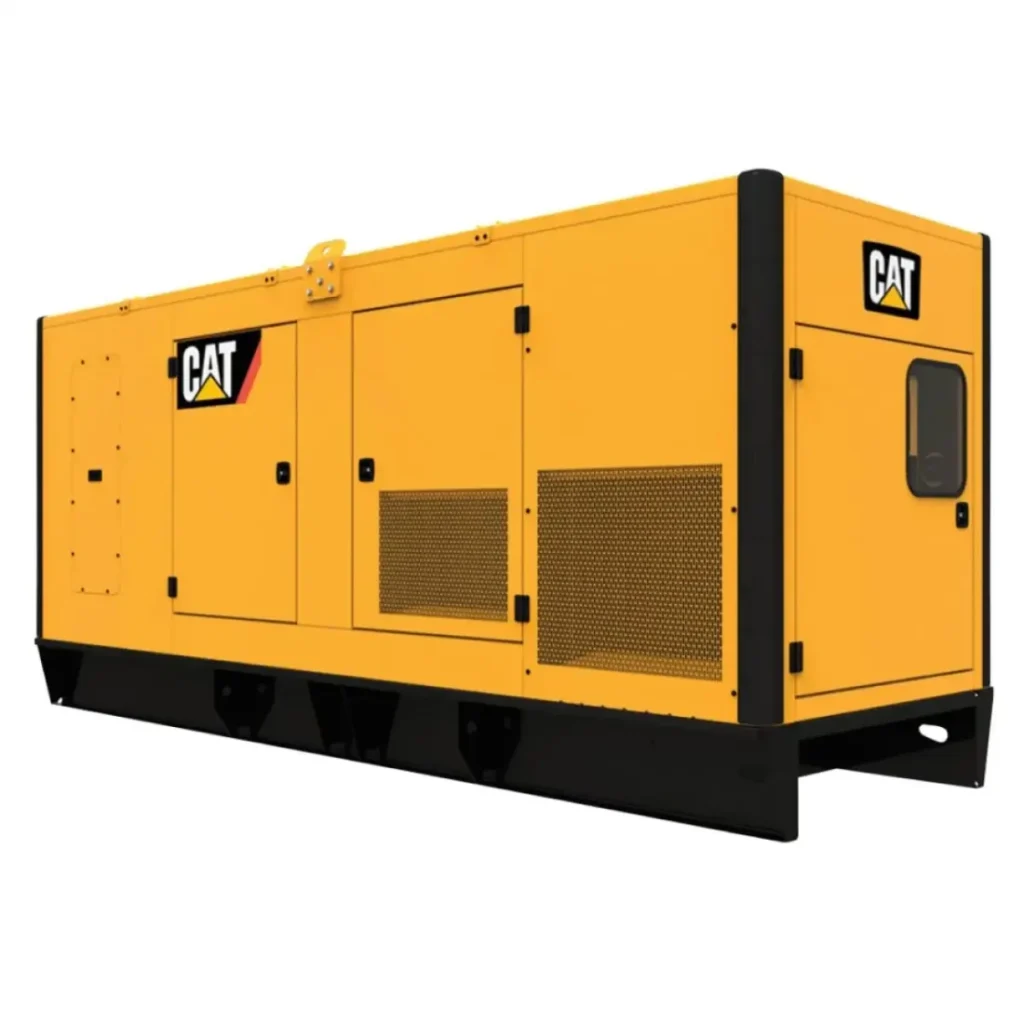
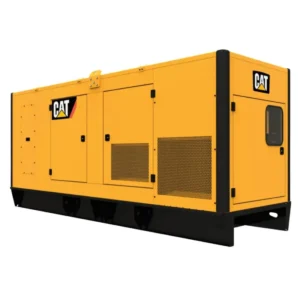
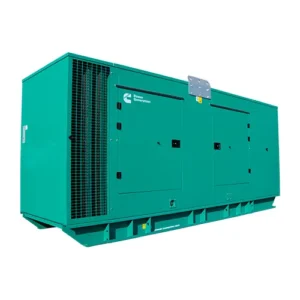
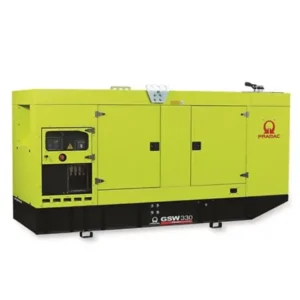
Standby Diesel Generators
Standby generators are permanently installed and automatically start when utility power fails.
These systems are commonly found in:
- Offices
- Warehouses
- Medical facilities
- Retail centres
- Factories
- Residential properties requiring uninterrupted backup power
Many standby systems are paired with an Automatic Transfer Switch (ATS), allowing the generator to restore power within seconds without manual intervention.
For areas experiencing frequent load shedding, standby diesel generators provide significantly greater convenience and reliability than portable alternatives.
Industrial Generators
Industrial generators are built for demanding environments where continuous operation and high electrical loads are expected.
Typical applications include:
- Manufacturing plants
- Mining operations
- Agricultural facilities
- Processing plants
- Commercial complexes
- Large construction projects
These generators are designed for durability, higher fuel capacity and extended operating hours.
Diesel vs Petrol Generators
One of the first decisions buyers face is choosing between diesel and petrol power.
For most commercial and long-term standby applications in South Africa, diesel generators remain the preferred choice.
| Feature | Diesel Generator | Petrol Generator |
|---|---|---|
| Fuel efficiency | Excellent | Moderate |
| Running costs | Lower over time | Higher |
| Engine lifespan | Longer | Shorter |
| Maintenance | Less frequent | More frequent |
| Heavy-duty operation | Excellent | Limited |
| Continuous use | Ideal | Better for occasional use |
| Initial purchase cost | Higher | Lower |
Although petrol generators have a lower upfront cost, diesel models generally deliver lower operating costs over their lifetime.
For businesses operating during regular power interruptions, diesel generators usually offer the best balance between reliability, durability and fuel economy.
How to Choose the Right Generator Size
Generator sizing is one of the most important parts of the buying process.
Choosing a generator that’s too small can cause overloads, nuisance shutdowns and potential damage to sensitive equipment.
Choosing one that’s too large increases purchase costs and may result in inefficient engine operation.
The starting point is calculating your total electrical load.
Consider:
- Essential appliances
- Starting current for motors
- Air conditioning systems
- Water pumps
- Refrigeration equipment
- Lighting
- Computers and office equipment
- Future expansion
For example, a typical South African household may only need enough capacity to operate:
- Refrigerator
- Lights
- Wi-Fi
- Television
- Security system
- Gate motor
- A few plug points
A workshop or retail business, however, may also need to power:
- Compressors
- Point-of-sale systems
- Servers
- Air conditioning
- CCTV
- Freezers
- Production equipment
Rather than estimating, calculate your actual load or consult a generator specialist before purchasing.
If you’re unsure how much power your property requires, our complete generator sizing guide explains how to calculate your electrical load accurately and choose a generator that meets your current and future power needs.
Understanding Generator Ratings
Generators are usually measured in kilovolt-amperes, which is also known as kVA.
When you are buying a generator you probably look at this number.
The amount of power you can actually use from the generator depends on the generators power factor and the type of equipment it is powering.
As a guide:
| Generator Size | Typical Applications |
|---|---|
| 10kVA | Small homes, security systems, home offices |
| 15kVA | Larger homes, guest houses, small offices |
| 17–22kVA | Retail shops, restaurants, workshops |
| 33kVA | Farms, commercial buildings, medium businesses |
| 50kVA+ | Industrial facilities, manufacturing, agricultural operations |
The correct size always depends on your actual electrical demand rather than the size of the property.
A professional load assessment remains the most reliable way to avoid under-sizing or oversizing a generator.
What to Look for Before Buying a Generator
Choosing from the many generators for sale in South Africa can feel overwhelming, especially when different brands, sizes and specifications appear similar on paper. Thinking past the cost of the generator will help you choose a generator that offers performance and fewer expenses over time.
1. Generator Capacity
The generator must comfortably support your expected electrical load, including the higher starting current required by equipment such as air conditioners, borehole pumps, compressors and refrigeration systems.
Buying a generator based solely on its advertised kVA rating without calculating your actual demand is one of the biggest causes of performance problems.
If you’re unsure where to start, our guide on how to size a diesel generator correctly walks you through calculating your power requirements, understanding starting loads and selecting the right generator capacity for your home or business.
2. Engine Quality
The engine is the heart of any generator. A high-quality diesel engine generally offers:
- Better fuel economy
- Longer service life
- Lower maintenance requirements
- Improved reliability during extended outages
Established manufacturers often provide better access to replacement parts and technical support throughout South Africa.
If you’re comparing engine options, it’s worth understanding Perkins diesel engine technology, which is known for durable performance, fuel efficiency and reliable operation across standby and prime power applications.
3. Fuel Consumption
A lower purchase price can quickly be offset by higher fuel costs.
Ask your supplier for fuel consumption figures at:
- 25% load
- 50% load
- 75% load
- Full load
This provides a far more accurate picture of long-term operating costs than comparing purchase prices alone.
4. Noise Levels
Noise is often overlooked until the generator is installed.
If the generator will operate near:
- Homes
- Offices
- Schools
- Guest houses
- Restaurants
consider a sound-attenuated (silent) canopy to minimise disruption.
5. Availability of Spare Parts
Even the most reliable generator requires routine servicing.
Before buying, check that replacement parts such as:
- Filters
- Belts
- Batteries
- Alternator components
- Control panels
are readily available within South Africa.
You should buy the generator from a supplier because they will give you technical support and scheduled maintenance services for the generator.
6. Warranty and After-Sales Support
A full warranty shows confidence in the product. Support after the sale is just as important.
Ask questions such as:
- Is technical support available locally?
- Are qualified technicians available?
- How quickly can spare parts be supplied?
- Is preventative maintenance offered?
Good support usually turns out to be more helpful, than a bit lower cost.
Generator Prices in South Africa
One of the first questions customers ask is, “How much does a generator cost?”
The answer depends on several factors rather than generator size alone.
The main factors affecting price include:
- Generator capacity (kVA)
- Engine manufacturer
- Alternator quality
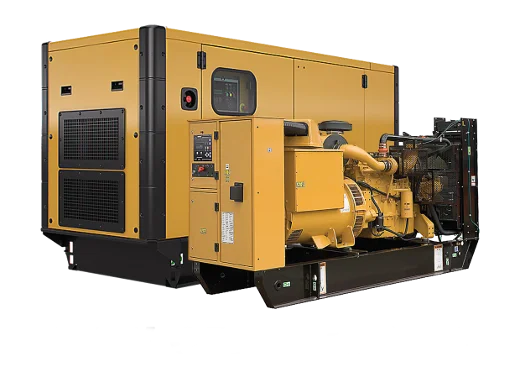
- Open-frame or silent canopy design
- Automatic Transfer Switch (ATS)
- Fuel tank capacity
- Installation complexity
- Delivery location
- Additional safety and control systems
To understand the full cost involved before making a purchase decision, our generator prices in South Africa guide explains typical pricing factors, installation costs, running expenses and what you should expect when budgeting for a backup power solution.
A small residential generator naturally costs less than a commercial standby system designed to power an office, farm or manufacturing facility.
Instead of comparing prices alone, consider the generator’s total cost of ownership, including fuel, servicing, maintenance and expected lifespan.
Installation Requirements in South Africa
Purchasing the generator is only one part of the project. Proper installation is essential for safe, reliable operation.
A professionally installed generator should include:
- Suitable foundation
- Safe ventilation
- Exhaust routing
- Electrical protection
- Earthing
- Fuel system installation
- Weather protection where required
- Automatic Transfer Switch (if applicable)
Permanent standby generator installations should comply with applicable South African Bureau of Standards electrical installation standards and be completed by qualified professionals.
For a better understanding of the installation process, safety considerations and compliance requirements, read our guide covering generator installation requirements in South Africa before installing your backup power system.
Incorrect installation can reduce performance, increase maintenance costs and create serious safety risks.
Permanent standby generators should always be installed by qualified professionals familiar with local electrical regulations.
Maintenance and Running Costs
Routine maintenance is one of the simplest ways to maximise the life of a diesel generator.
A typical maintenance schedule includes:
- Engine oil changes
- Oil filter replacement
- Fuel filter replacement
- Air filter inspection
- Coolant checks
- Battery testing
- Belt inspection
- Load testing
Servicing intervals vary depending on operating hours and manufacturer recommendations.
Ignoring scheduled maintenance often leads to increased fuel consumption, reduced reliability and expensive repairs that could have been avoided.
Following a proper maintenance schedule is one of the best ways to protect your investment. Our diesel generator maintenance guide explains recommended service intervals, essential maintenance checks and practical steps to keep your generator operating reliably.
Many standby generators spend long periods unused between power outages. Regular inspections help identify battery issues, fuel degradation and other problems before an emergency occurs.
Expert Advice
After helping businesses, farms and homeowners across South Africa choose backup power systems, one pattern appears repeatedly: customers often focus almost entirely on the purchase price while overlooking the costs they’ll incur over the next ten or fifteen years.
A slightly more expensive generator with a reliable engine, better fuel efficiency and readily available spare parts will often cost significantly less to own over its lifetime than a cheaper alternative that consumes more fuel and requires frequent repairs.
People also make another mistake when they choose a generator. They often pick one without knowing if it is the right size. I have seen people buy generators that have trouble working when they need to start a motor.. I have seen others buy generators that are too big so they do not work well because they are not being used enough.
It is better to take your time and figure out how electricity you need. You should also think about if you might need electricity in the future.. You should choose equipment from a company that you can trust. This will usually give you a deal, than just buying the cheapest generator you can find.
Generator Buying Checklist
Before making your final decision, confirm that you can answer yes to the following questions:
- ✔ Have I calculated my total electrical load?
- ✔ Is the generator suitable for my application?
- ✔ Have I compared fuel consumption figures?
- ✔ Are spare parts readily available in South Africa?
- ✔ Does the supplier offer installation services?
- ✔ Is preventative maintenance available?
- ✔ Does the warranty meet my expectations?
- ✔ Will the generator accommodate future power requirements?
- ✔ Have I received professional advice before purchasing?
If you go through this list you will be able to pick a generator that gives you power when you need it does not cost much to run and lasts a long time. It is better to think about these things than looking for the cheapest generator.
Common Mistakes Customers Make When Buying a Generator
Buying a generator is a big decision and a lot of problems happen because people look only at the price instead of thinking about the whole power solution. Knowing the mistakes before you buy can help you stay away from extra costs and problems, with how well the generator works.
1. Choosing a Generator Based Only on Price
One of the most common mistakes is selecting the cheapest option without considering quality, fuel consumption, support and long-term reliability.
A generator that costs less might look good at first but if it uses a lot of fuel doesn’t have parts you can find easily or doesn’t have help after you buy it the cost, over time can be much higher.
A good generator should be seen as something you buy for the term that keeps your home your business or your work safe when the power goes out.
2. Buying the Wrong Generator Size
Many customers either underestimate or overestimate their power requirements.
An undersized generator may:
- Trip frequently
- Struggle with starting heavy equipment
- Experience excessive wear
- Fail to provide reliable backup power
An oversized generator can also create problems because diesel engines operate most efficiently under appropriate load conditions.
Before choosing from available generators for sale in South Africa, calculate your actual electrical requirements and consider future expansion.
Another important consideration is whether your application requires single-phase or three-phase power. Our single-phase vs three-phase generator guide explains the differences, advantages and suitable applications to help you choose the correct generator configuration.
3. Ignoring Installation Requirements
Some buyers assume purchasing the generator is the final step. In reality, installation quality directly affects safety, reliability and performance.
Common installation mistakes include:
- Incorrect electrical connections
- Poor ventilation
- Incorrect exhaust installation
- No proper earthing
- Incorrect generator positioning
- Missing safety protection
A professional installation ensures the generator operates correctly and protects both the equipment and the people using it.
4. Not Considering Future Power Needs
A generator should meet your current requirements, but it should also allow room for future growth.
For example:
- A homeowner may later add an inverter air conditioner or borehole pump.
- A business may install additional equipment.
- A farm may expand irrigation or refrigeration systems.
Buying a generator with some additional capacity can prevent the need for replacing the system sooner than expected.
Choosing the Right Generator for Different Applications
The best generator depends heavily on where and how it will be used.
Home Backup Generators
Residential customers usually want to keep essential systems running during outages rather than power every appliance in the house.
Typical backup loads include:
- Lighting
- Refrigerators and freezers
- Wi-Fi routers
- Security systems
- Television
- Computers
- Gate motors
- Essential plug points
For homeowners who need reliable electricity during load shedding, diesel generators for home backup power provide a practical solution for keeping essential household systems running while reducing the disruption caused by power interruptions.
For smaller homes requiring reliable backup for essential appliances, a 10kVA diesel generator for home backup can provide sufficient capacity for lighting, security systems, refrigeration, internet equipment and other household essentials when correctly sized.
For many South African homes, a properly sized diesel generator provides dependable backup power without unnecessary fuel consumption.
Larger homes with higher electrical demands or properties that include additional equipment such as borehole pumps, larger appliances or home offices may require a 17kVA diesel generator solution to provide additional capacity and flexibility.
Small Business and Commercial Applications
Businesses often require more reliable backup power because outages directly affect revenue and customer service.
Common applications include:
- Retail stores
- Restaurants
- Offices
- Workshops
- Small factories
- Medical practices
For businesses that cannot afford extended downtime, commercial diesel generators provide a dependable backup power solution designed to support offices, retail stores, workshops and other commercial operations during power interruptions.
Commercial users should consider not only the equipment they need today but also operational continuity during longer outages.
Depending on the application, options such as:
- Automatic Transfer Switches
- Remote monitoring
- Larger fuel tanks
- Weatherproof enclosures
may provide additional reliability.
Farms and Agricultural Operations
Agricultural businesses depend heavily on continuous electricity.
Generators are commonly used for:
- Borehole pumps
- Irrigation systems
- Poultry houses
- Dairy equipment
- Refrigeration
- Feed systems
- Workshops
A generator failure at the wrong time can result in serious operational losses.
Farm owners should consider generators designed for demanding environments, with durable engines and sufficient fuel capacity for extended operation.
For farms, workshops and medium-sized businesses with higher electrical requirements, a 33kVA diesel generator for commercial applications can provide dependable backup power for equipment such as pumps, refrigeration systems and essential machinery.
Industrial and Heavy-Duty Applications
Industrial facilities often require generators capable of supporting large electrical loads and sensitive equipment.
Applications include:
- Manufacturing plants
- Processing facilities
- Warehouses
- Mining operations
- Large commercial buildings
These installations typically require detailed load assessments, professional installation and ongoing maintenance planning.
Product Selection Guide: Matching Generator Size to Applications
| Generator Size | Suitable Applications |
|---|---|
| 10kVA diesel generator | Smaller homes, security systems, home offices |
| 15kVA diesel generator | Larger homes, guest houses and small businesses |
| 17kVA–22kVA generator | Retail shops, workshops and commercial properties |
| 33kVA diesel generator | Farms, medium businesses and larger facilities |
| 50kVA+ generator | Industrial operations and high-demand applications |
The correct choice depends on actual load requirements, not only the size of the building.
Expert Buying Advice: What Experienced Buyers Consider
When customers compare generators for sale in South Africa, the most successful purchases usually come from looking beyond the initial price.
Experienced buyers consider:
- Generator reliability
- Engine reputation
- Local technical support
- Spare parts availability
- Fuel efficiency
- Installation quality
- Maintenance requirements
A generator that performs well during a short demonstration is not necessarily the same as a generator designed to operate reliably during repeated power failures.
Before purchasing, ask the supplier detailed questions about servicing, warranty support and recommended operating conditions.
The right supplier should help you select a generator based on your actual needs rather than simply selling the largest available unit.
Final Buying Checklist Before Purchasing a Generator
Before committing to a generator purchase, confirm the following:
✅ Your electrical load has been calculated correctly
✅ The generator size matches your application
✅ The engine and alternator brands are reliable
✅ Fuel consumption figures have been reviewed
✅ Installation requirements are understood
✅ Spare parts and technical support are available
✅ Maintenance schedules are clear
✅ The supplier provides proper documentation
✅ The generator has room for future expansion
Taking these steps will help you choose a backup power system that delivers dependable performance and better value over many years.
Frequently Asked Questions About Buying Generators in South Africa
1. What is the best generator to buy in South Africa?
The best generator depends on your application, required power capacity and operating conditions. A reliable diesel generator from a reputable manufacturer is usually the preferred choice for homes, businesses and industrial users requiring regular backup power.
2. How much does a generator cost in South Africa?
Generator prices vary depending on size, engine brand, features, installation requirements and accessories such as Automatic Transfer Switches. Smaller residential units cost less, while commercial and industrial systems require a larger investment.
3. What size generator do I need for my house?
The required size depends on the appliances and electrical systems you want to operate during an outage. Many homes require between 10kVA and 20kVA, but a proper load assessment is recommended before purchasing.
4. Is a diesel generator better than a petrol generator?
For frequent use, diesel generators are generally preferred because they offer better fuel efficiency, longer engine life and improved durability for extended operation.
5. Can a generator power my entire house?
Yes, but the generator must be correctly sized for your home’s total electrical demand. Many homeowners choose to power essential circuits instead of every appliance to reduce fuel consumption and installation costs.
6. Do I need professional generator installation?
Yes. Professional installation ensures correct electrical connections, safe operation, compliance with regulations and reliable performance.
7. How often should a diesel generator be serviced?
Service intervals depend on the manufacturer, operating hours and usage conditions. Regular inspections and scheduled servicing help prevent unexpected failures and extend generator lifespan.
8. Can a generator run continuously during load shedding?
Many diesel generators are designed for extended operation, but continuous running depends on the generator rating, cooling system, fuel supply and maintenance schedule.
9. What is an Automatic Transfer Switch (ATS)?
An ATS automatically switches between utility power and generator power during an outage. It allows standby generators to start and restore power without manual intervention.
(INTERNAL LINK OPPORTUNITY)
Anchor text: automatic transfer switch installation
Best placement: After explaining how ATS systems work.
10. Where can I buy reliable generators in South Africa?
Customers should purchase from established suppliers that provide quality equipment, installation support, spare parts availability and after-sales service.
Conclusion: Choosing the Right Generator for Your Needs
Buying a generator is not simply about finding the lowest-priced option available. A reliable backup power system should match your actual electrical requirements, operating environment and future needs.
The best generators for sale in South Africa are those selected based on proper load calculations, quality components, reliable engine performance and professional installation support.
Homeowners, businesses and farmers all have different power requirements. A small residential property may only need enough capacity for essential appliances, while a commercial operation may require a larger standby system capable of supporting critical equipment for extended periods.
Before making a final decision, consider:
- The generator size required
- Single-phase or three-phase power needs
- Fuel consumption
- Installation requirements
- Maintenance support
- Spare parts availability
- Long-term operating costs
A generator is something you buy to make sure you have power when you need it. If you take the time to choose the one you will have power you can count on when the electricity goes out when there are problems, with the power or when you cannot get electricity for some reason. Choosing the generator will help you have dependable power during these times and that is very important.
Request a Generator Quotation from Power Stay Solutions
Choosing the correct generator can be difficult without understanding your exact power requirements. At Power Stay Solutions, we help homeowners, businesses and agricultural customers select suitable backup power systems based on their application, load requirements and budget.
Explore our range of diesel generators for sale in South Africa and find a reliable backup power solution designed for your home, business or industrial requirements.
Whether you need a compact residential solution or a larger commercial standby generator, our team can assist with generator selection, installation guidance and ongoing support.
If you need help selecting the right generator size and configuration, you can request a generator quotation from our experienced team for professional advice and a tailored solution.