Introduction
Power outages have become part of everyday life in South Africa, making backup power less of a luxury and more of a necessity. Choosing between standby generators and portable generators isn’t always straightforward, especially when both promise reliable electricity during load shedding and unexpected outages.
The best option, for you depends on what you need to power how often you will use the generator, your budget and your future plans. This guide explains the differences shows the pros and cons of each choice and helps you make a smart decision when buying. If you’re planning your backup power strategy, it’s also worth keeping up to date with Eskom load shedding schedules and electricity supply updates to better understand current electricity supply conditions and plan for future outages.
Standby Generators vs Portable Generators: Understanding the Difference
At first glance, standby and portable generators appear to do the same job—they both generate electricity when the grid fails. The difference lies in how they are installed, operated and intended to be used.
A portable generator is a movable unit that is started manually and connected to appliances using extension leads or a suitable changeover system. It is designed for temporary backup power and can be stored away when not in use.
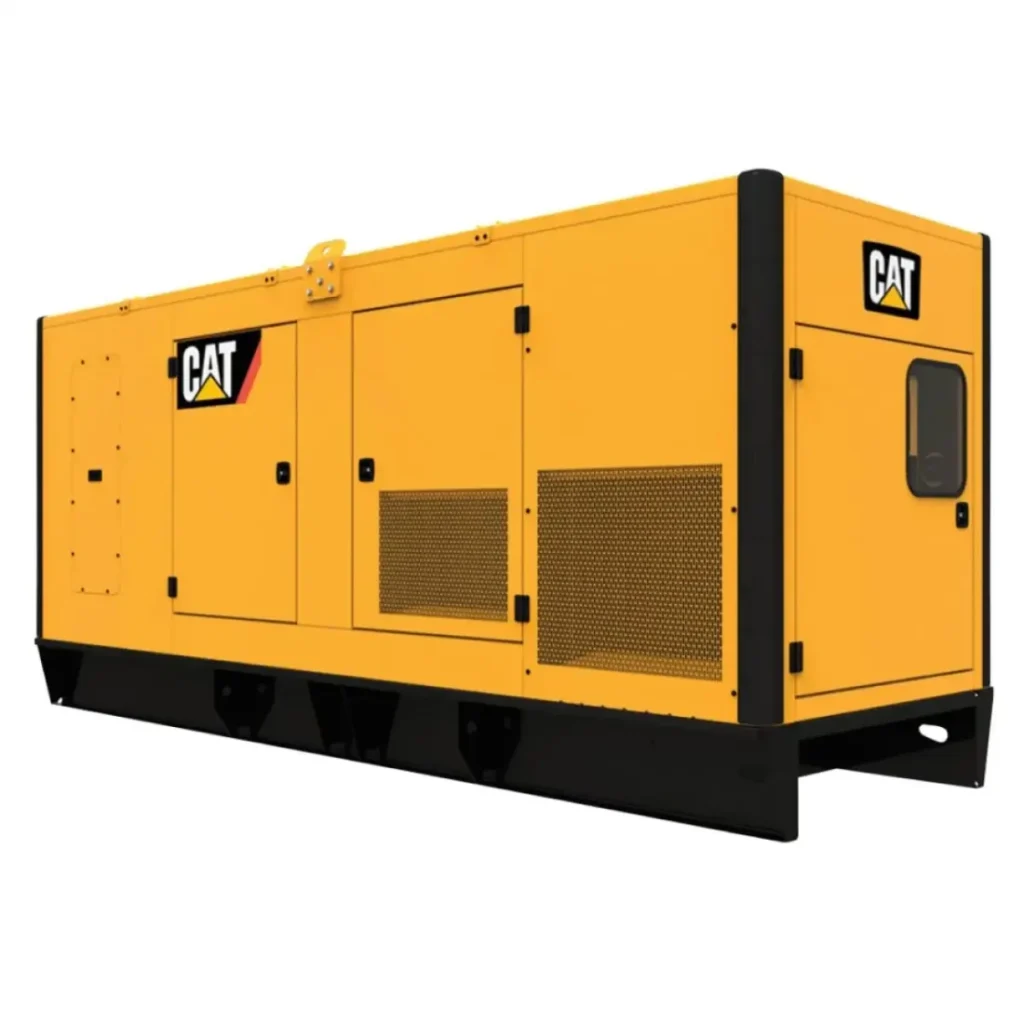
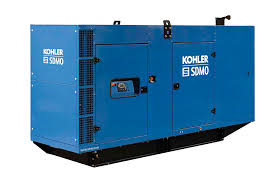
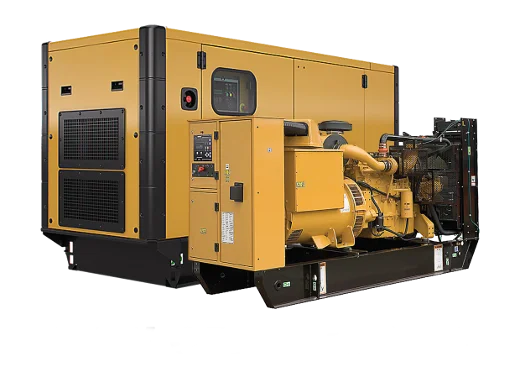
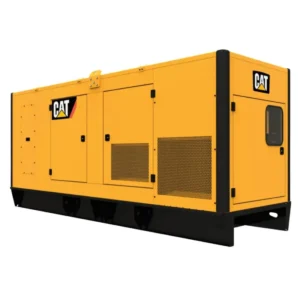
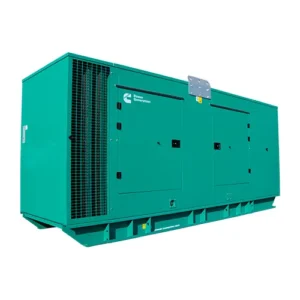
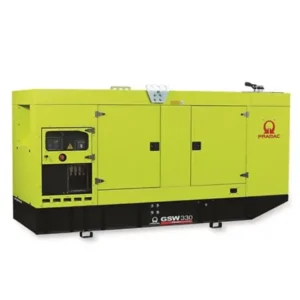
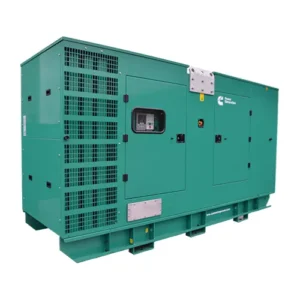
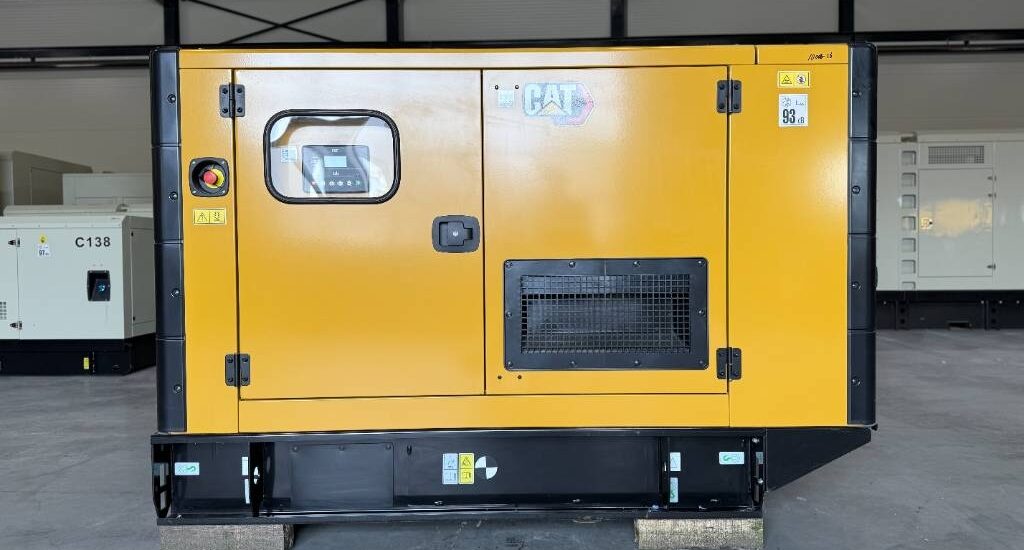
Standby generators are different from generators. They are put outside your house or building. Connected to the wiring in your house. When the power goes out standby generators start up automatically. Give you power again in just a few seconds. You do not even have to go to make it work.
This is a deal for a lot of people who are trying to decide between standby generators and portable generators. They think about how they live and work and which one’s better, for them. Standby generators and portable generators are both options. They are used in different ways.
How a Portable Generator Works
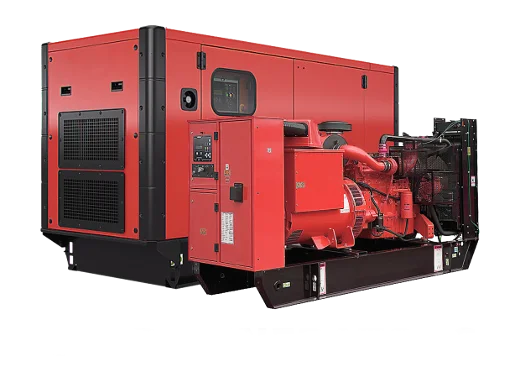
A portable generator uses either a petrol or diesel engine to drive an alternator that produces electricity. Before it can supply power, someone must:
- Move the generator into a safe outdoor position.
- Check fuel and oil levels.
- Start the engine manually or with electric start.
- Connect appliances safely or switch selected circuits through a manual changeover switch.
Portable generators are ideal for occasional power interruptions, camping, outdoor events and locations where mobility is important.
They are also commonly used by:
- Homeowners needing emergency backup
- Small contractors
- Mobile workshops
- Outdoor vendors
- Construction sites
The thing, about generators is that you have to do more work to use them. This is because they are not connected to the house all the time. So when the power goes out you have to get the generator and start it up.
How Standby Generators Work
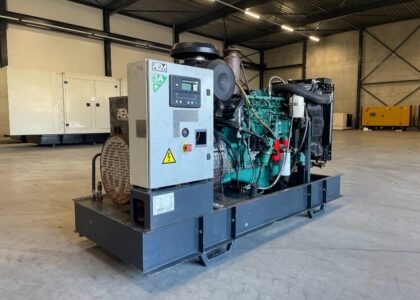
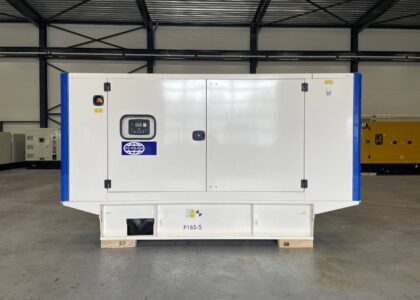
Unlike portable units, standby generators are designed to protect an entire property automatically.
A standby system usually consists of:
- Diesel generator
- Automatic Transfer Switch (ATS)
- Battery charging system
- Control panel
- Fuel tank
- Weatherproof enclosure
When Eskom power fails, the ATS detects the outage almost immediately.
The generator automatically starts, reaches operating speed and transfers the electrical load to the generator. Once utility power returns, the system transfers the load back to the grid, allows the engine to cool down and then shuts itself off.
For businesses this smooth working keeps them going keeps machines safe and keeps work moving without needing people to do anything.
For homeowners, it means lights, security systems, refrigeration, internet and essential appliances continue operating with minimal interruption.
Quick Comparison: Standby vs Portable Generators
| Feature | Standby Generator | Portable Generator |
|---|---|---|
| Installation | Permanently installed | Temporary setup |
| Starts automatically | ✔ Yes | ✖ No |
| Manual operation required | No | Yes |
| Powers whole building | Often | Usually selected appliances |
| Weather protection | Built-in enclosure | Must be operated outdoors under suitable protection |
| Fuel source | Mostly diesel | Petrol or diesel |
| Maintenance | Scheduled servicing | User maintenance |
| Security | Fixed installation | Can be moved or stolen more easily |
| Initial cost | Higher | Lower |
| Best for | Frequent outages and critical loads | Occasional backup |
Which Generator Is Better for South African Homes?
For many South African households, the answer depends on how disruptive power outages are to daily life.
A portable generator can be a practical option if you only need to power a few essentials such as:
- Refrigerator
- Television
- Wi-Fi router
- Lights
- Phone chargers
If you’re looking for a permanent solution that can comfortably power these essential household circuits during load shedding, our 10kVA diesel generator for home backup is a popular choice for South African homeowners who want reliable automatic backup power.
However, many homeowners quickly discover its limitations.
But a lot of people find that it is not enough. Running cables through windows is a hassle, especially when it is raining. Starting the generator, at night is not easy. Filling it up with fuel when there is no power is frustrating.
For larger homes or families working remotely, standby generators provide a far more convenient solution. Once installed correctly, the entire backup process happens automatically, allowing normal routines to continue with minimal disruption.
Properties with higher electricity demands, including multiple air conditioners, borehole pumps or home offices, often benefit from a 17kVA diesel generator for larger homes, providing additional capacity for essential appliances and future power needs.
If you’re unsure what size generator your home requires, our Generator Sizing Guide explains how to calculate your power requirements accurately before purchasing.
Which Option Is Better for Businesses?
Businesses generally have far less tolerance for downtime than households.
Even a short interruption can affect:
- Point-of-sale systems
- Internet connectivity
- Manufacturing equipment
- Security systems
- Refrigeration
- Customer service
For offices, retail stores, medical practices, warehouses and industrial facilities, standby generators are usually the preferred choice because they restore power automatically and reduce operational interruptions.
Many growing businesses choose a 22kVA commercial diesel generator because it provides dependable backup power for offices, retail stores and other commercial premises without oversizing the system.
Portable generators may still be suitable for:
- Mobile service providers
- Temporary construction sites
- Outdoor events
- Agricultural field work
- Emergency maintenance crews
Farms, engineering workshops and larger agricultural operations with higher power requirements often achieve better long-term reliability with a 33kVA diesel generator for farms and workshops, particularly where pumps, refrigeration or machinery need dependable backup power.
If companies need to keep working all the time it is better to spend money on a generator that always works. This is better than using a generator that someone has to start. Over time standby generators are usually cheaper, for companies.
Fuel Efficiency and Running Costs
Fuel costs are an important consideration when comparing backup power options.
Diesel standby generators are widely recognised for their fuel efficiency, particularly when running for extended periods under consistent loads. They also tend to offer a longer service life than comparable petrol-powered portable units, making them a popular choice for businesses and homeowners who experience frequent load shedding.
Portable generators use fuel because they are smaller and do not power as many things.. If you use a portable generator a lot and it has to work really hard it can become expensive to run. This is because it uses fuel per unit of electricity it produces.
Beyond fuel, it’s worth considering the broader operating costs:
- Routine servicing
- Oil and filter changes
- Battery replacement (where applicable)
- Fuel storage
- Long-term reliability
If you take good care of a diesel standby generator it can cost less to own over time. This is true even though it costs more to buy at first. Diesel standby generators are a choice because they are fuel efficient and last a long time.
Installation Requirements You Should Know
Installation is one of the biggest differences between portable and standby generators.
Portable generators require careful positioning outdoors to prevent carbon monoxide exposure and should never be operated inside garages, enclosed patios or buildings. If they are connected to household circuits, a properly installed manual changeover switch should be used to protect occupants and utility workers.
Standby generators require professional installation, including the generator foundation, electrical connections, fuel system, ventilation, earthing and an automatic transfer switch. Compliance with relevant electrical standards is essential to ensure safe and reliable operation.
Permanent standby generator installations should comply with applicable South African Bureau of Standards electrical installation standards and should always be completed by qualified professionals to ensure the system operates safely and correctly.
Our comprehensive Generator Installation Guide explains the installation process, site preparation and key considerations before purchasing a backup power system.
Expert Advice from Our Generator Specialists
After helping homeowners, farmers and businesses across South Africa choose backup power systems, we’ve found that the generator itself is rarely the biggest problem. More often, the issue is selecting the wrong type of generator for the application.
One of the most common mistakes we see customers make is buying a portable generator because it has a lower purchase price, only to realise a few months later that manually setting it up during every power outage has become inconvenient. This is especially true for households that experience frequent load shedding or businesses that cannot afford even a few minutes of downtime.
On the other hand, not every customer needs a permanently installed standby system. If you only experience occasional outages and need to power a few essential appliances, a quality portable generator can be a sensible and cost-effective investment.
Our advice is always the same: first think about what you need to keep running when the power’s out how often the power goes out and how much you care about it being easy to use. When you know the answers, to these questions it is much easier to pick the solution. We talk about generators. How to pick the right generator for you. You need to think about what you need to use the generator for.
Common Mistakes to Avoid
Buying a generator is a long-term investment, and avoiding these common mistakes can save you money and frustration.
Choosing a Generator Based on Price Alone
The cheapest generator isn’t always the most economical. A unit that is too small may struggle under load, while an oversized generator can waste fuel and cost more to maintain.
Ignoring Starting Power Requirements
Many appliances, including air conditioners, borehole pumps and compressors, require more power to start than they do to run. Failing to account for this can overload the generator.
Underestimating Future Power Needs
A lot of people only think about what they need now.. If you think you might add more things to your home or office in the future like more equipment or machinery you should get a generator that is a little bigger. This way you will not have to spend a lot of money to upgrade it. You should think about what you will need in the future when you buy a generator.
Forgetting About Maintenance
Like any engine, generators require regular servicing. Oil changes, filter replacements and routine inspections help ensure reliable performance when you need backup power most.
Our Generator Maintenance Guide explains how to keep your generator operating safely and efficiently.
Attempting DIY Installation
Do not try to connect a generator to your homes system by yourself. This is very dangerous. Can hurt you or damage your appliances. You should always get a professional to do this kind of work. They know what they are doing. Can do it safely. Generators are not something you should try to install by yourself.
How to Choose the Right Generator for Your Needs
Before making a purchase, ask yourself these practical questions:
✔ How often do power outages occur?
✔ Do I need to power the entire property or only essential appliances?
✔ Is automatic operation important?
✔ What is my available budget?
✔ How long do outages usually last?
✔ Will the generator be used daily, weekly or only occasionally?
✔ Do I have enough outdoor space for installation?
Your answers will quickly indicate which solution is likely to offer the best value.
Our Recommendation for Different Applications
| Application | Recommended Option |
|---|---|
| Small apartment | Portable generator |
| Holiday home | Portable generator |
| Family home with frequent load shedding | Standby generator |
| Home office | Standby generator |
| Medical practice | Standby generator |
| Retail shop | Standby generator |
| Farm | Standby generator |
| Construction site | Portable generator |
| Outdoor events | Portable generator |
| Manufacturing facility | Standby generator |
Frequently Asked Questions
1. Are standby generators worth the extra cost?
If your property has a lot of power outages or you need to have electricity all the time for your business then a standby generator is usually an idea. The standby generator will turn on by itself. It is more reliable. This is very convenient. It gives you peace of mind. You do not get this with generators. Standby generators are really good because they work automatically and they are very reliable. You can count on a generator to give you the electricity you need.
2. Can a portable generator power an entire house?
No it usually can not. Portable generators are meant to power a things like a refrigerator or a light. They are not made to power a house. To power a house you need a bigger generator like a standby generator and it needs to be installed by a professional with a special switch called a transfer switch. Portable generators are good for a things but not, for an entire house.
3. Which is safer: a standby or portable generator?
Both can be safe when they are installed and used the right way. However a standby generator is permanently installed by experts, which helps lower the chance of being used the way. A portable generator needs to be placed outside and must never be used in closed areas.
4. Are diesel generators better than petrol generators?
When it comes to getting power when you need it diesel generators are usually the way to go. Diesel generators are better than petrol generators because they use fuel in a way they last a long time and they can run for a long time without stopping. This makes diesel generators a good choice for when you need power all the time. Diesel generators are also good, at handling use, which is why people like to use them for regular backup power.
5. How long can a standby generator run continuously?
It really depends on the standby generators size and the fuel supply it has. The maintenance schedule of the standby generator is also very important. Many diesel standby generators can run for a long time as long as they get the proper servicing and have enough fuel, for the standby generator.
6. Do standby generators start automatically?
Yes. When the power goes out a standby generator that is connected to an Automatic Transfer Switch starts the standby generator away. The standby generator gets the electricity on in just a few seconds. This is because the standby generator is able to detect that the power is out. So the standby generator starts up. Gets everything working again.
7. Can I install a standby generator myself?
It is strongly advised to have a professional do the installation. Making sure the electrical connections are correct the generator is properly earthed there is ventilation and it follows South African rules and regulations is very important for safe use. It is important to make sure the electrical connections are correct.
It is important to make sure the generator is properly earthed. It is important to make sure there is ventilation. It is important to make sure it follows African rules and regulations. All of these things are very important, for use.
8. What size standby generator do I need?
The correct size depends on the total electrical load you want to power, including the starting requirements of motors and compressors. A professional load assessment is the best way to determine the right generator size.
For a detailed explanation, see our Generator Sizing Guide .
9. Do standby generators require regular servicing?
Yes. Standby generators require servicing. This means you have to do things like change the oil in the generators replace the filters in the standby generators check the coolant in the standby generators test the batteries of the standby generators and look at the electrical parts of the standby generators to make sure the standby generators work properly.
10. Can a standby generator increase property value?
A standby generator that is installed by a professional can be a good thing for some people who want to buy a house. These people think that a standby generator is a thing to have, especially in places where the power goes out a lot. A standby generator can be very useful in these areas so people who are looking to buy a house may think that a house, with a standby generator is a choice.
Conclusion
Choosing between standby generators and portable generators comes down to how you use electricity, how often you experience outages and how important uninterrupted power is to your home or business.
Portable generators are great if you only need power every now and then. If you need to use them on a work site for a short time. They are also good if you need to move them. Portable generators do not cost much to buy at first and they can power the important things in your home during short outages.
For properties that rely heavily on continuous electricity, standby generators provide a more dependable and convenient solution. Automatic operation, greater capacity and seamless integration with your electrical system make them the preferred choice for many South African homes, commercial buildings, farms and industrial facilities.
Do not just think about how much the generator costs to buy. Think about how it will work over time how reliable it is and how easy it is to use. If you get a generator that’s the right size, for your needs and have it installed by a professional it will give you backup power that you can count on for a long time.
Need Help Choosing the Right Generator?
If you’re still unsure whether a standby or portable generator is the best fit for your property, the team at Power Stay Solutions can help.
We provide high-quality diesel generators for homes, businesses, farms and factories. We will suggest a solution based on your real power needs—not just the largest generator that is available.
You may also find these resources helpful before making your decision:
- Generator Sizing Guide
- Generator Installation Guide
- Generator Maintenance Guide
- Single-Phase vs Three-Phase Generator Guide
If you are ready to look into your options check out our diesel generator product range or request for a quote. If you’re ready to compare available models, browse our diesel generator range to find backup power solutions for homes, businesses, farms and industrial applications, or request a personalised quotation from our team.