Industrial Generators: Everything South African Businesses Need to Know
Introduction
Reliable electricity is essential for keeping South African businesses productive, profitable and safe. With ongoing power interruptions, ageing infrastructure and operations that cannot afford downtime, industrial generators have become a critical investment rather than a luxury. Choosing the right generator, however, involves far more than selecting the largest model available.
Generator size, fuel efficiency, installation requirements, operating costs and future expansion all play a role. This guide will tell you everything you need to know before you buy a generator. It is for people who own businesses manage facilities and buy equipment.
It will help you make a decision so you can have power you can count on for a long time. Industrial generators are an investment and you want to make sure you get the right one for your business so you can have dependable power, from your industrial generator for years to come with your industrial generator.
What Are Industrial Generators?
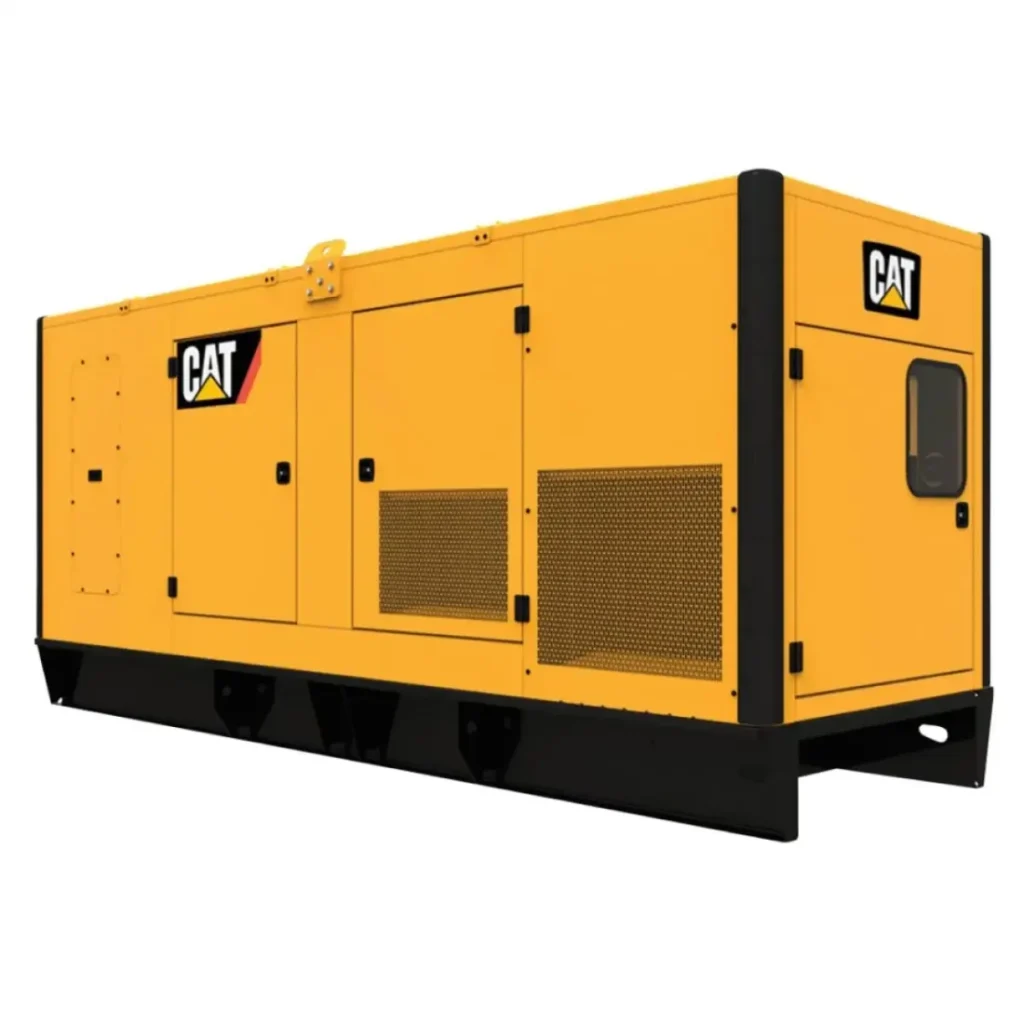
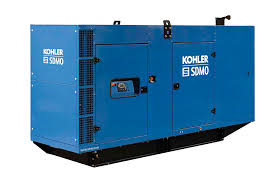
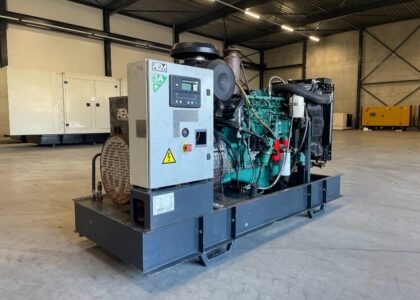
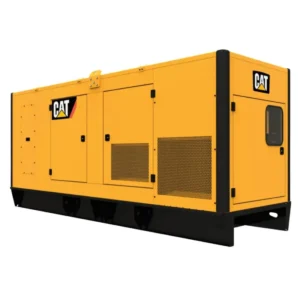
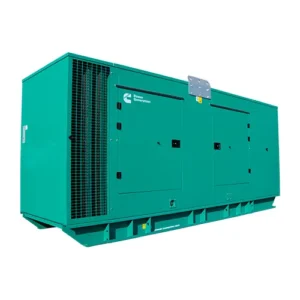
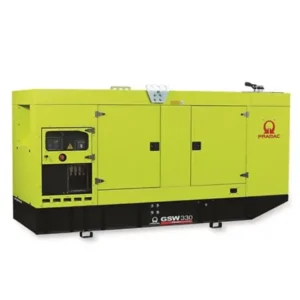
Industrial generators are heavy-duty power generation systems designed to supply electricity to commercial and industrial operations during power outages or in locations without a reliable grid connection. Unlike portable generators intended for occasional domestic use, industrial units are engineered for continuous or standby operation under demanding conditions.
Most industrial generators used across South Africa are powered by diesel engines because they offer:
- High reliability
- Excellent fuel efficiency
- Long service life
- Strong performance under heavy electrical loads
- Lower maintenance requirements than many alternative fuel types
Industrial generators are available in capacities ranging from approximately 10kVA for smaller commercial premises to several hundred kVA for factories, mining operations and large industrial facilities.
Their primary purpose is simple: keep critical business operations running when utility power fails.
Standby vs Prime Power Generators
One of the first decisions businesses need to make is whether they require a standby generator or a prime power generator.
| Generator Type | Best For | Typical Use |
|---|---|---|
| Standby Generator | Businesses connected to Eskom | Automatically starts during power failures |
| Prime Power Generator | Remote sites without reliable grid electricity | Operates as the main source of electricity |
| Continuous Power Generator | Industrial plants with constant electrical demand | Runs continuously under stable load conditions |
Most businesses in South Africa purchase standby industrial generators because they already have a grid connection but require reliable backup power during outages.
Why Industrial Generators Have Become Essential in South Africa
For many businesses, power interruptions no longer represent an occasional inconvenience—they directly affect profitability, customer service and operational efficiency.
Industries that depend on refrigeration machines used in manufacturing computers that hold data or machines that work on their own often lose thousands of rand during a short power cut.
Common business risks caused by power failures include:
- Production downtime
- Lost revenue
- Spoiled stock
- Damaged equipment
- Interrupted customer service
- Security system failures
- Data loss
- Delayed deliveries
South Africa’s ongoing electricity supply challenges have encouraged businesses to invest in permanent backup power systems rather than relying on temporary solutions.
For current information about the national electricity supply and planned outages, businesses can monitor Eskom load shedding updates, helping them plan operations more effectively.
Why Diesel Remains the Preferred Choice
Although gas and petrol generators are available, diesel remains the preferred fuel for industrial applications.
Some of the reasons include:
Better Fuel Economy
Diesel engines typically consume less fuel for the amount of electricity they produce, reducing long-term operating costs.
Longer Engine Life
Industrial diesel engines are built to withstand thousands of operating hours when maintained correctly.
High Torque Performance
Heavy industrial equipment often creates significant starting loads.
Diesel generators handle these loads far better than many petrol alternatives.
Proven Reliability
Manufacturing plants, hospitals, logistics companies and mines have relied on diesel-powered backup systems for decades because they consistently perform under demanding operating conditions.
Which South African Businesses Need Industrial Generators?
Industrial generators are used across almost every sector of the South African economy.
The required generator size depends on electrical demand rather than business type alone.
Below are some common applications.
Manufacturing Facilities
Factories often operate machinery that cannot simply restart after a power interruption.
Unexpected shutdowns may result in:
- Lost production
- Damaged materials
- Equipment faults
- Missed customer deadlines
Industrial generators help maintain uninterrupted production throughout scheduled and unexpected outages.
Small manufacturing workshops with moderate machinery loads may find a 30kVA diesel generator for manufacturing facilities provides reliable backup power while leaving capacity for future equipment expansion.
Warehouses and Distribution Centres
Modern warehouses rely heavily on:
- Barcode scanners
- Warehouse management software
- Conveyor systems
- Security systems
- Cold storage
- Loading equipment
A generator ensures deliveries continue even when the grid fails.
Businesses operating distribution centres often choose commercial diesel generators that can support warehouse equipment, security systems and loading operations throughout extended outages.
Mining Operations
Mining sites frequently operate in remote areas where reliable grid electricity cannot be guaranteed.
Prime power industrial generators often supply electricity for:
- Drilling equipment
- Ventilation systems
- Site offices
- Lighting towers
- Worker accommodation
These environments demand generators built for continuous operation under harsh conditions.
Construction Sites
Large construction projects often begin before permanent electrical infrastructure has been installed.
Industrial generators power:
- Cranes
- Welders
- Compressors
- Pumps
- Temporary offices
- Lighting systems
Their mobility and reliability make them indispensable on construction sites across South Africa.
Agricultural Processing Facilities
Many agricultural businesses rely on uninterrupted power during harvesting and processing seasons.
Power failures can interrupt:
- Grain handling
- Irrigation control systems
- Refrigeration
- Dairy processing
- Packaging lines
Reliable standby power protects both productivity and perishable products.
Healthcare Facilities
Hospitals, clinics and medical laboratories cannot tolerate power interruptions.
Backup generators protect critical systems including:
- Operating theatres
- Intensive care equipment
- Medical refrigeration
- Diagnostic imaging
- Emergency lighting
- Patient monitoring systems
For Healthcare Facilities it is very important to have generators that work well and start up automatically very quickly.
Healthcare Facilities really need to have generators that work well and start up quickly. Generator reliability and rapid automatic startup are essential, for Healthcare Facilities.
How Much Power Does Your Business Actually Need?
One of the biggest misconceptions is that a larger generator is always the safer option. In reality, both undersized and oversized generators can lead to unnecessary costs and performance issues.
The correct generator size depends on factors such as:
- Total running load (kW or kVA)
- Starting current of motors and compressors
- Future business expansion
- Single-phase or three-phase equipment
- Continuous or standby operation
- Load prioritisation for essential systems
A professional load assessment ensures your generator is matched to your actual operational requirements rather than guesswork.
Before selecting any industrial generator, our generator sizing guide explains how to calculate your electrical load accurately and avoid expensive sizing mistakes.
Signs Your Existing Generator May Be Undersized
Many businesses only discover their generator is inadequate during an actual power outage. Watch for these warning signs:
- Frequent circuit breaker trips during startup.
- Engine struggling when multiple machines start together.
- Noticeable voltage drops affecting sensitive equipment.
- Inability to power all essential systems simultaneously.
- Excessive fuel consumption caused by operating at full load for extended periods.
If you see any of these things happening with your generator then you should check the load calculations, for your generator before you buy equipment or replace the generator.
Choosing the Right Industrial Generator
Buying a generator is a big decision that you will have to live with for a long time. You need to find the right industrial generator that meets the power needs you have now and also works for your business as it gets bigger. If you only look at how much it costs to buy you might end up spending money to run it having it break down when you need it or having to replace it too soon.
When comparing industrial generators, consider the following factors:
- Required power output (kVA and kW)
- Standby or prime power application
- Single-phase or three-phase supply
- Fuel consumption
- Engine and alternator quality
- Noise level
- Automatic Transfer Switch (ATS) compatibility
- Serviceability and spare parts availability
- Warranty and after-sales support
A well-specified generator will provide dependable performance for many years when installed and maintained correctly.
Understanding Generator Ratings
One area that often causes confusion is generator ratings. Manufacturers usually publish several power ratings, each intended for a different operating condition.
| Rating | Typical Application | Suitable For |
|---|---|---|
| Standby Power | Backup during utility outages | Most South African businesses |
| Prime Power | Main electricity source | Mines, farms and remote operations |
| Continuous Power | Constant load without interruption | Specialised industrial processes |
For businesses connected to the Eskom grid, a standby-rated generator is generally the most appropriate choice.
How to Choose the Right Generator Size
Selecting the correct generator size is about more than adding together the wattage of your equipment. Industrial sites often include electric motors, compressors and pumps that draw a much higher starting current than their normal running load.
A professional load assessment should take into account:
- Running load
- Motor starting currents
- Power factor
- Future expansion
- Essential versus non-essential circuits
- Simultaneous equipment usage
Buying a generator based solely on today’s minimum requirements may leave little room for future growth.
General Guide to Common Business Applications
| Business Type | Typical Generator Size* |
|---|---|
| Small workshop | 15–20kVA |
| Retail store | 20–30kVA |
| Restaurant | 20–40kVA |
| Office building | 30–60kVA |
| Manufacturing workshop | 50–100kVA+ |
| Warehouse | 50–150kVA+ |
A small engineering workshop or office with moderate electrical demand may find a 17kVA standby diesel generator provides dependable backup power without paying for unnecessary capacity.
*Actual sizing should always be based on a professional load calculation.
Single-Phase vs Three-Phase Industrial Generators
Choosing the correct electrical configuration is just as important as selecting the right generator size.
Single-Phase Generators
Single-phase generators are generally suitable for:
- Small offices
- Retail shops
- Small workshops
- Security systems
- Lighting
- Basic office equipment
Advantages include:
- Lower purchase cost
- Simpler installation
- Ideal for smaller electrical loads
Three-Phase Generators
Most industrial businesses require three-phase generators because they can efficiently power:
- Manufacturing machinery
- Large compressors
- Pumps
- Conveyor systems
- Industrial refrigeration
- CNC equipment
- Heavy-duty motors
Advantages include:
- Higher power capacity
- Better load balancing
- Improved motor performance
- Greater efficiency for industrial applications
Installing a single-phase generator where three-phase equipment is required can result in operational problems and equipment damage.
If you’re unsure which electrical supply your business requires, our single-phase vs three-phase generator guide explains the differences and helps you choose the correct system.
Fuel Consumption and Running Costs
Fuel costs represent one of the largest ongoing expenses associated with industrial generators.
Consumption depends on several factors, including:
- Generator size
- Load percentage
- Engine efficiency
- Operating hours
- Maintenance condition
Running a generator at an extremely light load is often less efficient than operating it within its recommended load range. Likewise, consistently running at or near maximum capacity can increase wear and fuel consumption.
Choosing a correctly sized generator helps reduce lifetime operating costs.
Tips to Improve Fuel Efficiency
- Match the generator to the actual load.
- Avoid unnecessary idling.
- Keep air and fuel filters clean.
- Follow the manufacturer’s maintenance schedule.
- Use high-quality diesel fuel.
- Monitor fuel consumption for unusual increases.
Businesses operating generators for extended periods often recover significant savings through efficient sizing and regular servicing.
Regular servicing plays a major role in fuel economy. Our diesel generator maintenance guide explains how routine maintenance helps improve reliability and reduce operating costs.
Automatic Transfer Switch (ATS): Is It Worth It?
An Automatic Transfer Switch (ATS) continuously monitors the incoming utility supply. If power fails, it automatically starts the generator and transfers the electrical load without manual intervention.
When grid power returns, the ATS switches the load back safely and shuts the generator down after an appropriate cooling period.
Businesses That Benefit Most from ATS
- Hospitals
- Data centres
- Cold storage facilities
- Manufacturing plants
- Security companies
- Telecommunications infrastructure
- Financial institutions
For businesses where even a short loss of power can cause problems an Automatic Transfer Switch is usually a good thing to invest in. An Automatic Transfer Switch can help these businesses keep running. Businesses that use an Automatic Transfer Switch can avoid losing money because of power outages. An Automatic Transfer Switch is an idea for businesses, like these because it helps keep everything running without any interruptions.
Silent vs Open Industrial Generators
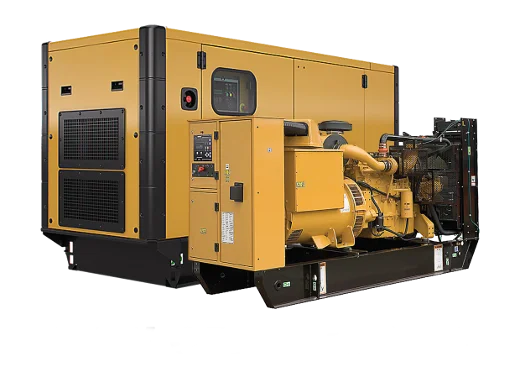
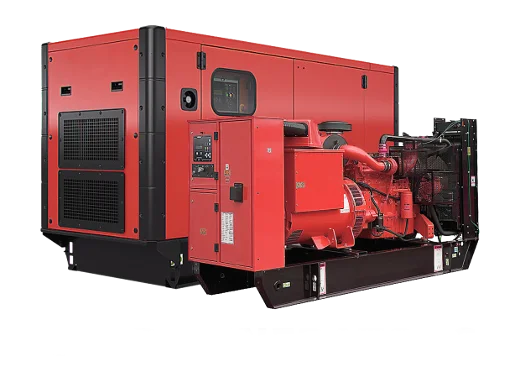
Industrial generators are generally available in two configurations.
| Feature | Silent Generator | Open Generator |
|---|---|---|
| Noise Level | Low | High |
| Weather Protection | Yes | No |
| Outdoor Installation | Suitable | Requires enclosure |
| Security | Better | Lower |
| Purchase Price | Higher | Lower |
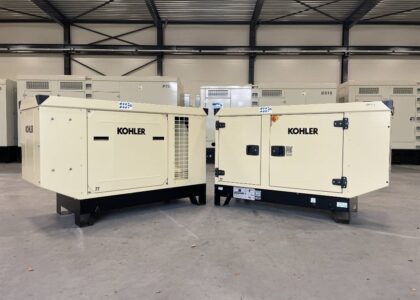
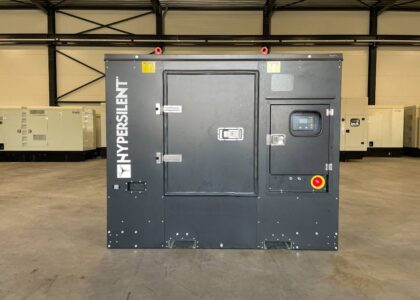
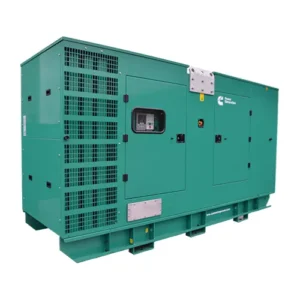
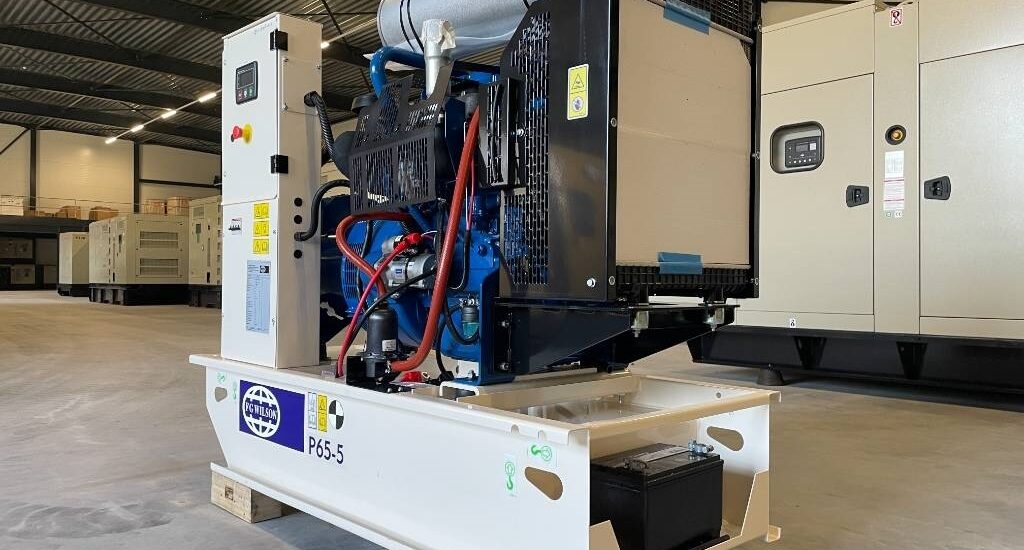
Businesses operating in commercial or residential areas often prefer silent diesel generators to minimise noise while maintaining reliable backup power.
Silent generators are increasingly popular in urban areas where noise restrictions apply or where neighbouring properties may be affected.
Installation Considerations Before You Buy
The generator itself is only one part of the overall backup power system. Proper installation has a significant impact on safety, reliability and long-term performance.
Before installation, consider:
- Adequate ventilation
- Foundation design
- Fuel storage
- Cable sizing
- Earthing requirements
- Exhaust routing
- Access for servicing
- Future maintenance space
- Compliance with South African electrical standards
Planning these requirements early helps avoid costly modifications after the generator has been delivered.
Working with experienced professionals ensures your backup power system is installed safely and performs as intended. Learn more about our professional generator installation services before purchasing your equipment.
Planning for Future Expansion
Many businesses purchase a generator based solely on their current electricity demand. While this may reduce the initial investment, it can become expensive if additional machinery, production lines or office space are added within a few years.
When assessing your future requirements, consider:
- Planned business growth
- Additional machinery
- Warehouse extensions
- New refrigeration or HVAC systems
- Electric vehicle charging infrastructure
- Expanded office facilities
Allowing reasonable spare capacity today can help avoid replacing the generator sooner than expected.
Comparing Industrial Generator Options
| Consideration | Recommendation |
|---|---|
| Business with reliable grid power | Standby generator |
| Remote operation | Prime power generator |
| Heavy industrial machinery | Three-phase generator |
| Urban commercial property | Silent enclosed generator |
| Continuous operation | Industrial diesel generator with appropriate prime rating |
| Business expecting future expansion | Allow additional capacity during sizing |
Choosing the right industrial generator involves balancing current operational needs, future growth, installation requirements and long-term running costs—not simply selecting the biggest or cheapest unit available.
Installation, Compliance and Safety
A high-quality industrial generator will only perform as intended if it is installed correctly. Poor installation can reduce efficiency, create safety risks and even void the manufacturer’s warranty.
A typical industrial generator installation includes:
- Site inspection and load assessment
- Concrete foundation or mounting base
- Generator positioning and ventilation
- Fuel system installation
- Exhaust routing
- Electrical cabling
- Earthing and protection
- Automatic Transfer Switch (ATS) integration (where required)
- Commissioning and load testing
Businesses should also ensure there is adequate space around the generator for servicing and future maintenance. Restricted access often increases maintenance costs and prolongs repair times.
Complying with South African Standards
Industrial generator installations should comply with the relevant South African electrical standards and be carried out by qualified professionals.
Compliance helps ensure:
- Safe operation
- Reliable performance
- Electrical protection
- Insurance compliance
- Reduced risk of equipment damage
For information on South African electrical standards, refer to the South African Bureau of Standards (SABS).
Expert Advice
After helping businesses across South Africa choose backup power systems, one of the most common mistakes we see is customers focusing almost entirely on the generator’s purchase price.
The generator itself is only one part of the investment.
Fuel efficiency, installation quality, maintenance costs, spare parts availability and correct sizing have a much greater impact on the total cost of ownership over the next 10 to 20 years.
Another common issue is buying a generator that only meets today’s electrical demand. Businesses often expand by adding machinery, refrigeration, office space or production equipment. A generator with no spare capacity can quickly become inadequate, forcing an expensive upgrade much sooner than expected.
The best thing to do is to get a professional to check how power you need make sure you have some extra capacity, for when your business grows and choose a generator from a company that makes good products and has people nearby who can help you if you need it.
Common Mistakes Businesses Make
Avoiding these common mistakes can save thousands of rand over the life of your generator.
Buying Based Only on Price
A cheaper generator may consume more fuel, require more maintenance or have limited spare parts support.
Instead, consider the total lifetime operating cost.
Choosing the Wrong Size
Oversized generators often operate inefficiently.
Undersized generators struggle under heavy loads and may experience premature wear.
Professional sizing is always the safest investment.
Ignoring Installation Costs
Some businesses budget only for the generator itself.
Installation may include:
- ATS
- Cabling
- Civil works
- Fuel systems
- Electrical upgrades
- Commissioning
These costs should be included in the overall project budget.
Delaying Maintenance
Skipping routine servicing increases the likelihood of unexpected failures when backup power is needed most.
Preventative maintenance is considerably less expensive than emergency repairs.
Buying Without Considering Future Growth
Businesses rarely remain the same size forever.
Allowing additional capacity today is often much cheaper than replacing an undersized generator later.
Practical Buying Advice
Before requesting quotations, gather the following information:
✔ Your monthly electricity usage (if available)
✔ List of equipment requiring backup power
✔ Motor sizes
✔ Starting currents
✔ Existing electrical supply (single-phase or three-phase)
✔ Required runtime during outages
✔ Available installation space
✔ Noise restrictions
✔ Future expansion plans
If you give this information to the people selling generators they can help you pick one that is right, for you. They can recommend a generator that matches what you need of just suggesting one that is available.
Frequently Asked Questions
1. What size industrial generator does my business need?
The correct size depends on your total electrical load, starting currents, future expansion and whether the generator will operate as standby or prime power. A professional load assessment provides the most accurate recommendation.
2. Are diesel generators better than petrol generators for industrial use?
Yes. Diesel generators usually have fuel efficiency, longer engine life, more reliability and better performance when dealing with heavy industrial loads.
3. How long can an industrial generator run continuously?
This depends on its rating, maintenance schedule and fuel capacity. Prime power generators are made for running for a time while standby generators are meant mostly for backup when there is a power cut.
4. How often should an industrial generator be serviced?
Most manufacturers say that servicing should happen based on how hours the generator has been running or how much time has passed. Sticking to the maintenance plan helps make sure the generator works well and lasts a time.
5. Can one generator power an entire factory?
Yes, if the generator is the size for all the electricity needed and, for the motors that start up when the factory is running.
6. Should I install an Automatic Transfer Switch (ATS)?
I think about businesses that really need power all the time. Hospitals and factories and places that store food. These businesses should get an Automatic Transfer Switch (ATS) because it helps when the power goes out. The Automatic Transfer Switch (ATS) turns the power on by itself.
7. How long do industrial diesel generators last?
If I take care of my industrial diesel generator it will work well for a very long time. Thousands of hours, over many years. My industrial diesel generator will keep going if I do what I need to do to keep it working properly.
8. Can industrial generators operate during load shedding?
Yes. Industrial generators are made to give us electricity when the power goes out no matter if it is planned or not.
9. Are industrial generators noisy?
New industrial generators that are closed in are much quieter than the kind that are open. This makes them okay to use in places where people work.
10. How much fuel does an industrial generator use?
It depends on how big the industrial generator’s how well the engine works and how much power it is using. If we pick the size industrial generator it can really help us save money on fuel, for the industrial generator.
Conclusion
Industrial generators have become an essential investment for many South African businesses looking to protect productivity, maintain customer service and minimise the financial impact of power interruptions.
Selecting the right generator involves more than comparing kVA ratings. Factors such as electrical load, future expansion, fuel efficiency, installation quality and ongoing maintenance all influence long-term performance and operating costs.
If you take the time to figure out what you really need you can be sure that your industrial generator will give you power when you need it for a time. This way you can avoid spending money that you do not need to spend on your industrial generator.
Request Expert Advice
If you’re planning to invest in an industrial generator, speaking to an experienced supplier before making a decision can save both time and money.
At Power Stay Solutions, we help businesses across South Africa select reliable diesel generators based on their actual power requirements—not guesswork.
Whether you need backup power for a workshop, warehouse, factory, farm or commercial facility, our team can recommend a solution that matches your operational needs.
Request a quotation, explore our range of industrial diesel generators, or contact our team for expert guidance on choosing the right backup power system.