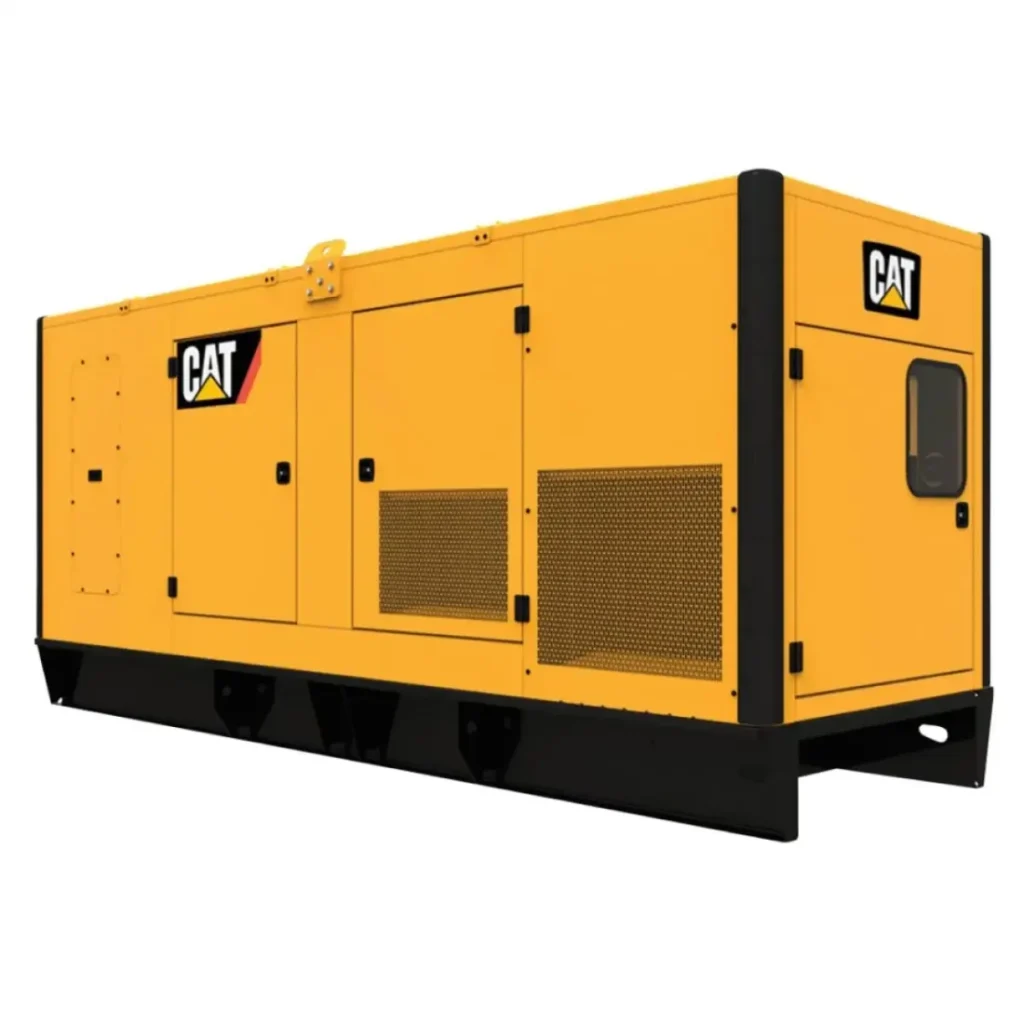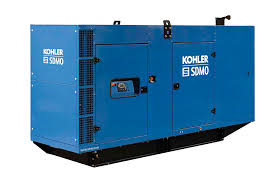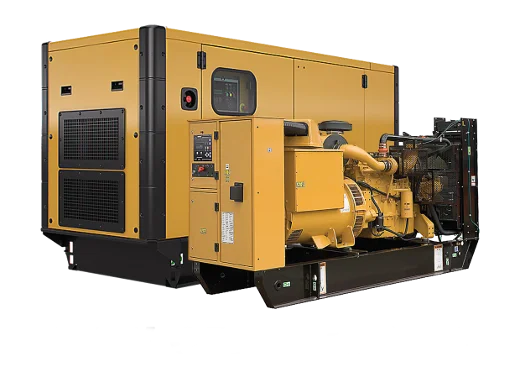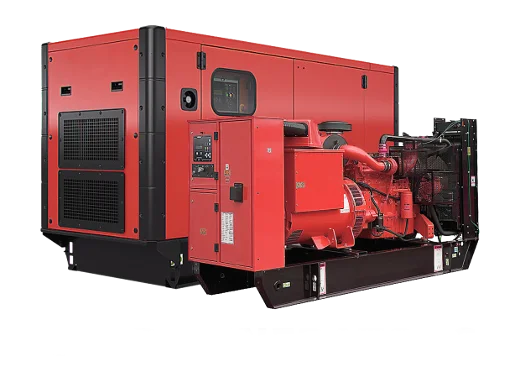
Commercial Generators for Businesses: How to Choose the Right Size
Introduction
Power interruptions have become a normal part of doing business in South Africa. From manufacturing plants and retail stores to farms, offices and hospitality venues, losing electricity can mean lost revenue, interrupted operations and unhappy customers. Choosing the right commercial generators is one of the most important decisions a business owner can make, but selecting the correct size is not as straightforward as adding up the wattage on a few appliances.
If you get a generator that’s too small it will have trouble handling the load. On the hand if you get one that is too big it will waste fuel and cost more to maintain.. This guide will show you how to choose the size for your commercial generator what things you need to think about and what mistakes to avoid when you are looking for a backup power solution, for your commercial generator.
Why Generator Size Matters
Many businesses begin their search by asking a simple question:
“What size generator do I need?”
The answer depends on far more than the total electrical load.
A properly sized generator should comfortably supply your essential equipment during a power outage while allowing enough capacity for motors, future expansion and safe operation. Correct sizing improves:
- Fuel efficiency
- Engine lifespan
- Voltage stability
- Equipment protection
- Lower operating costs
- Reduced maintenance
Oversizing can be just as costly as undersizing. Diesel engines perform best when operating within their recommended load range, rather than running lightly loaded for long periods.
Understanding Generator Ratings
One of the first things you’ll notice when comparing commercial generators is that they are available in different kVA ratings.
Unlike household generators, commercial systems are normally specified in kVA (kilovolt-amperes) rather than kilowatts (kW). This measurement represents the generator’s apparent power and is commonly used throughout South Africa.
As a general guide:
| Generator Size | Typical Business Applications |
|---|---|
| 20kVA | Small offices, retail shops, medical practices |
| 30kVA | Restaurants, workshops, supermarkets |
| 50kVA | Larger offices, guest houses, small factories |
| 100kVA+ | Manufacturing plants, agricultural operations, commercial buildings |
These are only starting points. Two businesses of similar size can have completely different power requirements depending on the equipment they operate.
Step 1: Identify Your Essential Loads
The biggest mistake businesses make is trying to power everything.
Instead, separate equipment into two categories:
Essential Loads
These are the systems your business cannot operate without.
Examples include:
- Point-of-sale systems
- Computers and servers
- Security systems
- Refrigeration
- Internet equipment
- Emergency lighting
- Water pumps
- Fire protection systems
- Medical equipment
Non-Essential Loads
These can remain switched off during load shedding or power failures.
Examples include:
- Decorative lighting
- Staff kitchens
- Air conditioning in unused areas
- Non-essential machinery
- Electric geysers
- EV chargers
Prioritising essential loads often allows a business to install a smaller, more economical generator without compromising operations.
If you’re unsure how to calculate the total electrical demand of your business, our generator sizing guide explains the process step by step and helps you determine the right generator capacity before requesting a quotation.
Step 2: Calculate Your Total Power Requirement
Once you have found the equipment figure out how much electricity each item uses.
This details are usually available, on:
- Equipment nameplates
- User manuals
- Manufacturer specification sheets
Create a list showing:
| Equipment | Running Power |
|---|---|
| Lighting | 3 kW |
| Computers | 5 kW |
| Server | 2 kW |
| Refrigeration | 8 kW |
| Security System | 1 kW |
The combined running load provides the starting point for sizing your backup system.
However, the calculation doesn’t stop there.
Step 3: Consider Starting Loads
Many commercial appliances require significantly more power when starting than when running normally.
This is particularly important for:
- Air compressors
- Refrigeration units
- Pumps
- Conveyor systems
- Cold rooms
- Large HVAC equipment
- Industrial machinery
For example, a refrigeration compressor that normally consumes 4kW may briefly require two to three times that amount during startup.
Ignoring these temporary surges can cause:
- Generator overload
- Voltage drops
- Equipment shutdown
- Circuit breaker trips
This is one reason experienced suppliers perform detailed load assessments before recommending commercial generators.
Single-Phase or Three-Phase?
South African businesses generally operate on either:
Single-Phase Power
Typically found in:
- Small offices
- Retail stores
- Small cafés
- Professional practices
Suitable for smaller backup systems with lighter electrical loads.
Three-Phase Power
Required for:
- Factories
- Warehouses
- Workshops
- Agricultural facilities
- Manufacturing plants
- Commercial refrigeration
- Heavy-duty machinery
Three-phase generators provide more balanced power distribution and are designed to operate larger motors and industrial equipment efficiently.
Before purchasing a generator, confirm your incoming electrical supply with your electrician or electrical contractor. If you’re still unsure which electrical supply is right for your premises, read our single-phase vs three-phase generator guide to understand the differences, typical applications and how each option affects generator selection.
How Different Businesses Have Different Power Needs
Choosing commercial generators isn’t simply about the size of your building. The type of business often has a much greater influence on the required capacity.
Retail Shops
Retail environments typically prioritise:
- Lighting
- Point-of-sale systems
- Security
- Refrigeration
- Internet connectivity
Many independent retailers can operate effectively using generators between 20kVA and 30kVA, depending on the size of the premises and the number of refrigeration units.
Internal Link Opportunity
Anchor text:
20kVA diesel generators for retail businesses
Placement:
After discussing retail applications.
Restaurants and Cafés
Restaurants rely heavily on continuous power.
A backup generator may need to support:
- Refrigeration
- Freezers
- Kitchen extraction systems
- Lighting
- Payment systems
- Coffee machines
- Ice makers
Starting loads from refrigeration equipment must be considered carefully when sizing the generator.
Offices
Office buildings generally have predictable electrical loads consisting of:
- Computers
- Servers
- Network equipment
- Lighting
- Security systems
- Printers
Businesses operating from a single office floor often find that generators between 20kVA and 50kVA provide adequate backup, depending on staff numbers and IT infrastructure.
For businesses that need dependable backup power for medium-sized offices, our 33kVA standby diesel generator offers a reliable solution for keeping critical systems running during load shedding and unexpected power outages.
Workshops and Manufacturing
Industrial workshops present very different challenges.
Equipment may include:
- Welders
- Compressors
- CNC machines
- Large electric motors
- Extraction systems
- Hydraulic equipment
These applications usually require larger commercial generators with sufficient reserve capacity to manage heavy startup currents without affecting sensitive equipment.
Farms and Agricultural Operations
Agricultural businesses often depend on reliable electricity for:
- Irrigation pumps
- Dairy equipment
- Borehole pumps
- Cold storage
- Feed processing
- Security systems
Because many farms are located far from major service centres, reliability and fuel efficiency are often more important than purchasing the cheapest generator available.
If your farm requires dependable backup power for irrigation, cold storage or other essential equipment, explore our 50kVA diesel generator for agricultural operations to see whether it’s the right fit for your power requirements.
Planning for Future Growth
A generator should not only meet today’s requirements but also accommodate future expansion where practical.
Ask yourself:
- Will additional machinery be installed within the next few years?
- Are you planning to expand your premises?
- Will your workforce increase?
- Will refrigeration capacity grow?
- Could production volumes increase?
Allowing a reasonable margin for future growth can prevent the costly replacement of an undersized generator later. However, avoid excessive oversizing, as diesel generators operate most efficiently when carrying a healthy proportion of their rated load.
Understanding Fuel Consumption and Running Costs
When investing in commercial generators, many businesses focus only on the purchase price. While the initial cost matters, the long-term operating expenses often have a greater impact on the total cost of ownership.
Diesel consumption, servicing intervals, spare parts availability and generator loading all influence how much your backup power system will cost over its working life.
A properly sized generator will generally consume fuel more efficiently because the engine operates within its designed performance range.
Factors that affect diesel fuel consumption include:
- Generator size and engine efficiency
- Percentage of load being carried
- Operating hours
- Maintenance condition
- Fuel quality
- Ambient temperature
- Altitude above sea level
For example, a generator running continuously at a very low load may consume fuel inefficiently and experience increased maintenance issues due to incomplete combustion.
Avoid Choosing a Generator Based Only on kVA Rating
A common mistake is comparing generators purely by their kVA number.
Two generators with the same rating can perform differently depending on:
- Engine manufacturer
- Alternator quality
- Controller system
- Cooling design
- Fuel system
- Build quality
- Local support availability
A reliable commercial generator is not simply a box that produces electricity. It is a complete power system designed to start quickly, maintain stable voltage and operate safely under demanding conditions.
The Role of an Automatic Transfer Switch (ATS)
For many businesses, manually starting a generator during a power failure is not practical.
An Automatic Transfer Switch (ATS) monitors the incoming electricity supply and automatically starts the generator when mains power fails.
The process typically works as follows:
- The ATS detects a power interruption.
- It sends a signal to start the generator.
- The generator reaches operating speed and stabilises.
- The ATS transfers the electrical load to generator power.
- When mains electricity returns, the system transfers back automatically.
- The generator cools down and shuts off.
ATS systems are especially valuable for businesses where downtime has financial consequences.
For businesses that require seamless power changeover during outages, professional automatic transfer switch installation ensures the generator starts, transfers the load safely and returns to standby mode correctly when mains power is restored.
Examples include:
- Retail stores
- Medical facilities
- Server rooms
- Security operations
- Cold storage facilities
- Manufacturing plants
Installation Requirements for Commercial Generators
Selecting the correct generator size is only part of the process. A poorly installed generator can create safety risks, reliability problems and unnecessary operating costs.
Commercial generator installations should consider:
Generator Location
The installation area should provide:
- Adequate ventilation
- Safe exhaust gas discharge
- Protection from weather exposure
- Easy access for maintenance
- Sufficient space around the generator
Generators should never be installed in enclosed areas without proper ventilation because exhaust gases contain carbon monoxide, which is dangerous.
Electrical Installation
The electrical connection must be completed by qualified professionals.
Important considerations include:
- Correct cable sizing
- Proper earthing
- Circuit protection
- Generator changeover equipment
- Load balancing
- Compliance with electrical regulations
Permanent standby generator installations should comply with applicable South African electrical installation requirements and should be completed by qualified professionals.
For further information on electrical standards and compliance requirements, businesses can refer to the South African Bureau of Standards electrical installation standards.
Generator Maintenance Requirements for Businesses
A commercial generator is a major business asset, and regular maintenance is essential to ensure it starts when needed.
A generator that sits unused for months can still develop problems.
A proper maintenance programme should include:
Daily or Weekly Checks
Depending on operating conditions:
- Check fuel level
- Inspect for leaks
- Check coolant level
- Inspect warning indicators
- Run the generator periodically
Scheduled Servicing
Typical service items include:
- Engine oil replacement
- Oil filter replacement
- Fuel filter replacement
- Air filter inspection
- Battery testing
- Cooling system inspection
- Electrical connection checks
Maintenance intervals depend on the manufacturer, operating hours and working environment.
Following a structured maintenance programme can significantly extend generator lifespan and reduce unexpected failures. Our diesel generator maintenance guide explains the recommended service intervals, inspection points and best practices for keeping your backup power system reliable.
Choosing Between Standby and Prime Power Generators
Not every business uses generators in the same way.
The correct generator duty rating depends on the application.
Standby Generators
Standby generators are designed for emergency backup when mains electricity fails.
Common applications:
- Offices
- Shops
- Hotels
- Farms
- Commercial buildings
They are not intended to operate continuously as the primary power source.
Prime Power Generators
Prime power generators are designed for applications where the generator supplies electricity as the main power source.
Examples include:
- Remote mining operations
- Construction sites
- Rural facilities
- Off-grid businesses
These systems are built for longer operating periods and require careful load management.
Choosing the wrong duty rating can reduce generator lifespan and increase operating costs.
Common Mistakes Businesses Make When Buying Commercial Generators
Many generator problems are caused by incorrect planning before the purchase.
Below are some of the mistakes we commonly see businesses make.
Mistake 1: Buying a Generator That Is Too Small
This is one of the most expensive mistakes.
An undersized generator may:
- Overload frequently
- Produce unstable power
- Damage connected equipment
- Experience excessive wear
A generator should have enough capacity to handle normal operating loads plus starting requirements.
Mistake 2: Oversizing Without Considering Operating Conditions
While having extra capacity sounds attractive, a significantly oversized generator can create problems.
Benefits of correct sizing include:
- Lower fuel consumption
- Better engine performance
- Improved efficiency
- Reduced maintenance costs
A 100kVA generator is not automatically better than a 50kVA generator if the business only requires 50kVA.
Mistake 3: Ignoring Starting Currents
Businesses often calculate only running power requirements.
However, equipment such as pumps, compressors and motors can require several times their normal power during startup.
Professional sizing should consider:
- Motor starting methods
- Equipment sequence
- Maximum starting load
- Generator response capability
Mistake 4: Choosing Based Only on Price
The cheapest generator may become the most expensive option over time.
Consider:
- Engine reliability
- Warranty support
- Spare parts availability
- Local technical assistance
- Fuel efficiency
- Service requirements
A commercial generator is a long-term investment, not simply an emergency purchase.
Expert Advice: Choosing the Right Generator Size
After helping businesses evaluate backup power requirements, one of the most common mistakes we see is customers selecting a generator based only on the size of their building or the total number of electrical appliances.
The correct approach is to understand what equipment must continue operating during an outage and how that equipment behaves when starting.
A small office with sensitive IT equipment may require a different solution from a larger workshop with heavy motors.
Before purchasing commercial generators, businesses should consider completing a proper load assessment. This provides a realistic picture of the required capacity and prevents unnecessary spending on a system that does not match the application.
The best generator is not always the largest one available. It is the one correctly matched to the business’s electrical requirements, operating conditions and future plans.
Buying Advice: What to Check Before Purchasing Commercial Generators
Before you buy a generator you need to think about a few things. Businesses should ask themselves these questions:
1. Has the load been professionally calculated?
Avoid relying only on estimates. Proper sizing reduces future problems.
2. Does the supplier provide installation support?
A generator requires more than delivery. Installation, testing and commissioning are critical.
3. Are spare parts available?
A generator may operate for many years, so access to filters, batteries and service components matters.
4. What warranty and after-sales support is included?
Reliable technical support is essential when your business depends on backup power.
5. Does the generator have room for future expansion?
A small capacity allowance can help accommodate future business growth.
Frequently Asked Questions About Commercial Generators
1. What size generator does a business need?
The size of the Commercial Generators that a business needs depends on the things that the business needs to keep running when the power’s out.
A small office might only need a Commercial Generator like a 20kVA or 30kVA generator.. A big place like a manufacturing facility or a farm or an industrial operation is going to need a lot bigger Commercial Generators, like 50kVA, 100kVA or even more.
The correct approach is to calculate:
- Essential electrical loads
- Starting currents
- Future expansion requirements
- Generator duty requirements
A professional load assessment is the most accurate way to determine the correct generator size.
2. How do I calculate the kVA size of a commercial generator?
Generator sizing involves converting the required electrical load into kVA while considering power factor and starting requirements.
A basic calculation starts with determining the total running load in kilowatts (kW), then allowing additional capacity for:
- Motor starting currents
- Future growth
- Load fluctuations
Because electrical loads behave differently, businesses should avoid choosing a generator based only on a simple calculation.
Professional sizing ensures the generator performs reliably under real operating conditions.
3. Is a bigger commercial generator always better?
No.
A larger generator is not automatically the best choice.
Oversizing can result in:
- Higher purchase costs
- Increased fuel consumption
- Poor engine loading
- Reduced efficiency
The ideal generator is one that matches your actual business requirements while allowing reasonable room for future growth.
4. What is the difference between standby and prime power generators?
Standby generators are designed to provide emergency backup power when mains electricity fails.
Prime power generators are made to work as the source of electricity for places where the grid power is not available or not dependable.
For South African businesses that have power cuts standby generators are the usual choice.
Places that are far away, like farms building sites and mines might need prime power systems.
5. How much diesel does a commercial generator use?
Fuel consumption depends on:
- Generator size
- Engine efficiency
- Electrical load
- Operating hours
- Maintenance condition
A commercial generator that is running at a percentage of what it is capable of will generally use diesel more efficiently, than a commercial generator that is not being used much.
For accurate fuel estimates, always check the manufacturer’s fuel consumption data for the specific generator model.
6. Do commercial generators need an automatic transfer switch?
An ATS is not required for every installation, but it is highly recommended for businesses where downtime is costly.
Commercial generators and an automatic transfer switch go hand in hand because the automatic transfer switch lets the commercial generator start up and switch to its power all by itself without needing someone to do it manually.
Businesses that commonly benefit from ATS systems include:
- Offices
- Retail stores
- Medical facilities
- Server rooms
- Hotels
- Manufacturing facilities
7. How often should a commercial generator be serviced?
Service intervals depend on:
- Manufacturer recommendations
- Operating hours
- Environment
- Load conditions
Most diesel generators require scheduled servicing based on operating hours rather than calendar time alone.
A maintenance plan normally includes:
- Engine oil changes
- Filter replacement
- Battery inspection
- Cooling system checks
- Electrical inspections
Regular servicing helps prevent unexpected downtime and protects your investment.
8. Can a commercial generator run continuously?
Some generators are designed for extended operation, while others are intended only for standby use.
A generator’s duty rating determines how long it can operate safely.
If you have a business that needs power all the time you should get a generator that is made for constant use like a commercial generator and make sure you take care of it properly so your commercial generator will last longer.
9. Should a business choose diesel or petrol generators?
For commercial applications, diesel generators are generally preferred because they offer:
- Better fuel efficiency
- Longer engine lifespan
- Higher durability
- Better performance under heavy loads
Petrol generators may suit small temporary applications, but businesses requiring dependable backup power normally choose diesel systems.
10. What information should I provide when requesting a generator quotation?
To receive an accurate recommendation, provide:
- Business type
- Location
- Current electrical supply (single-phase or three-phase)
- Equipment that must remain operational
- Required backup duration
- Generator installation requirements
- Whether automatic changeover is required
The more information provided, the more accurately the generator can be sized.
Conclusion: Choosing the Right Commercial Generator for Your Business
Selecting the correct commercial generators solution requires more than choosing the largest available model or the cheapest quotation.
The right system should match your business’s actual electrical requirements, operating environment and future plans.
A properly sized generator will:
- Provide reliable backup power
- Protect sensitive equipment
- Reduce unnecessary fuel costs
- Improve operational continuity
- Deliver better long-term value
Businesses should consider essential loads, starting requirements, installation conditions and ongoing maintenance before making a decision.
From small offices requiring dependable backup power to industrial facilities needing high-capacity solutions, the correct generator size makes the difference between a system that simply starts and one that performs reliably when your business needs it most.
Need Help Choosing the Right Commercial Generator?
Choosing the correct generator size can be difficult without a proper understanding of your electrical requirements.
At Power Stay Solutions, we help businesses evaluate their backup power needs and recommend suitable diesel generator solutions based on application, load requirements and operating conditions.
Explore our range of diesel generators for businesses designed to support offices, retail stores, farms, workshops and commercial facilities with reliable backup power during electricity interruptions.
Whether you need a smaller business backup generator or a larger industrial system, our team can assist with generator selection, installation and ongoing support.
Explore our available diesel generator solutions or request a generator quotation from Power Stay Solutions for a backup power system professionally matched to your business requirements.