How to Choose the Right Commercial Diesel Generator for Your Business
Introduction
Reliable electricity is essential for almost every business in South Africa. Whether you operate a retail shop, warehouse, manufacturing plant, office, farm or healthcare facility, an unexpected power outage can interrupt operations, damage equipment and cost thousands in lost productivity. With ongoing pressure on the national grid and the possibility of unexpected outages, investing in a commercial diesel generator South Africa businesses can depend on is no longer just a precaution—it is a practical business decision.
The problem is picking the generator. If you get one that’s not big enough it may not be able to handle the power you need. If you choose one that’s too big you will pay more than needed for the first cost and, for the fuel. This guide shows how to pick the diesel generator for your business the things that are most important mistakes that people often make and how to make a smart choice that gives you power when you need it for many years.
Why Businesses Across South Africa Need Reliable Backup Power
Every minute that Businesses in South Africa do not have electricity can affect their revenue, productivity and customer confidence. The impact of this is different for types of Businesses in South Africa but the consequences are often very significant for these Businesses.
For example:
- Retail stores risk losing sales when payment systems, refrigeration or lighting stop working.
- Restaurants can lose refrigerated stock and disrupt food preparation.
- Offices may experience network failures, interrupted communication and reduced staff productivity.
- Manufacturing facilities can suffer costly production downtime.
- Farms depend on electricity for irrigation systems, pumps, cold rooms and livestock operations.
- Medical practices and clinics require continuous power for essential equipment.
Even though the electricity supply in the country has gotten better than, in the past many businesses still buy power systems to lower the chances of problems and keep running. Businesses can also monitor the latest Eskom load shedding updates to stay informed about planned outages and better prepare their backup power strategy.
Understanding Your Business Power Requirements
The first question customers often ask is:
“What size generator do I need?”
The answer depends entirely on the equipment your business needs to operate during a power outage.
Before requesting quotations, create a list of all critical electrical equipment.
Typical items include:
- Computers
- Servers
- Lighting
- Air conditioning
- Refrigeration
- Pumps
- Compressors
- Manufacturing machinery
- Security systems
- Internet equipment
- Point-of-sale systems
Record the power rating of each item in either:
- Watts (W)
- Kilowatts (kW)
- Kilovolt-amps (kVA)
Remember that some equipment, particularly electric motors, compressors and pumps, requires additional starting power. Ignoring these surge loads is one of the main reasons generators become overloaded. If you’re unsure how to calculate your total electrical load, our generator sizing guide explains how to determine the correct generator capacity before buying.
Generator Size Guide by Business Type
The following table provides a general starting point. Actual generator sizing should always be based on your site’s total electrical load.
| Business Type | Typical Generator Size | Suitable Applications |
|---|---|---|
| Small Office | 10–15kVA | Computers, lighting, networking |
| Retail Shop | 15–20kVA | POS systems, refrigeration, lighting |
| Restaurant or Café | 20–30kVA | Kitchen equipment, cold rooms, lighting |
| Medical Practice | 20–40kVA | Medical equipment, IT systems, lighting |
| Workshop | 30–50kVA | Power tools, compressors, machinery |
| Farm | 30–60kVA | Pumps, irrigation, cold rooms |
| Warehouse | 50–100kVA | Lighting, forklifts, security systems |
| Manufacturing Plant | 100kVA+ | Industrial machinery and production lines |
These are general recommendations. Every business has different power requirements, which is why a professional load assessment is recommended before making a purchase.
Choosing the Right Generator Capacity
Generator capacity affects far more than whether your equipment turns on. It influences fuel consumption, operating efficiency, maintenance costs and the lifespan of the generator itself.
Undersized Generators
A generator that is too small may:
- Trip frequently
- Overheat
- Struggle with motor starting currents
- Wear out prematurely
- Damage sensitive equipment through unstable voltage
Although a smaller unit may cost less initially, it often becomes the more expensive option over time due to increased maintenance and reduced reliability.
Oversized Generators
Buying the largest generator available isn’t the answer either.
Oversized generators often:
- Consume more fuel than necessary
- Operate inefficiently under light loads
- Increase servicing costs
- Require a larger initial investment
The goal is to select a generator that comfortably handles your expected load while allowing reasonable capacity for future business growth.
Single-Phase or Three-Phase?
One of the most overlooked decisions when purchasing a diesel generator is choosing between a single-phase and a three-phase model.
Single-Phase Generators
Single-phase generators are commonly used for:
- Small offices
- Retail shops
- Small cafés
- Residential properties
- Light commercial applications
They are generally suitable where equipment operates on standard 230V power.
Three-Phase Generators
Three-phase generators are designed for businesses using:
- Industrial machinery
- Large compressors
- Manufacturing equipment
- Heavy-duty pumps
- Large HVAC systems
These generators offer a more steady electrical supply and are better for higher power needs.
If your business uses three-phase equipment putting in a single-phase generator will not give the power you need.
Not sure which option is right for your business? Our single-phase vs three-phase generator guide explains the key differences, typical applications and how to choose the correct generator for your electrical system.
Key Features to Look for in a Commercial Diesel Generator
When you are looking for a Commercial Diesel Generator there are some things you need to consider. Not all Commercial Diesel Generators are the same they do not all give you the performance, reliability or convenience. You should look at more than the power rating of the Commercial Diesel Generator to make sure you get one that is going to be good for a long time.
Fuel Efficiency
Fuel Efficiency is important because fuel costs are a part of how much it costs to run a Commercial Diesel Generator over its whole life. New engines are made to give you power while using less fuel so it is a good idea to think about efficiency if you are going to be using the Commercial Diesel Generator a lot.
Automatic Transfer Switch (ATS)
An Automatic Transfer Switch detects a power failure and starts the generator automatically before transferring the electrical load. Once the utility supply returns, the ATS switches the load back and safely shuts the generator down.
For businesses that cannot afford downtime—such as medical facilities, security companies and data centres—an ATS is often a worthwhile investment.
Noise Levels
Noise Levels are also something to think about when you’re choosing a Commercial Diesel Generator. If you have a business in a place where people live or in an office park or in a hotel you should think about getting a Commercial Diesel Generator that’s quiet or has a special covering to reduce the noise. This way you can still have power but it will not be too loud.
Fuel Tank Capacity
A larger fuel tank allows the generator to operate for longer periods without refuelling. This is particularly useful during extended outages or in remote locations where fuel deliveries may be less frequent.
Quality Components
Look for generators powered by reputable engines and supported by readily available spare parts and technical support in South Africa. Investing in a recognised brand often reduces maintenance costs and improves long-term reliability.
If you’re ready to compare different generator sizes and specifications, explore our range of diesel generators for sale to find a solution suited to your business’s power requirements.
Running Costs: Looking Beyond the Purchase Price
The purchase price is only one part of the total cost of owning a commercial diesel generator. A lower-priced unit may seem attractive initially, but operating costs over the next 10–15 years can have a much greater impact on your budget.
Before making a decision, consider:
- Fuel consumption
- Routine servicing costs
- Availability of spare parts
- Engine reliability
- Warranty support
- Installation costs
- Expected operating hours
- Resale value
For companies that use power a lot buying a good quality generator is often the best choice because it can cost less to own over time.
How Fuel Consumption Affects Operating Costs
Diesel generators do not consume fuel at a constant rate. Fuel usage depends on:
- Generator size
- Engine efficiency
- Load percentage
- Operating conditions
- Maintenance
A generator running at around 70–80% of its rated capacity is generally more fuel-efficient than one operating at very low loads or close to its maximum output.
For example a 30kVA generator that is used to power a few lights and computers may use more fuel than needed because it is much bigger than the actual load. On the hand a generator that always works at 100 percent capacity has more wear and uses more fuel.
Selecting the correct generator size helps balance performance, efficiency and long-term operating costs.
If you’d like to estimate your operating expenses more accurately, our diesel generator fuel consumption guide explains how generator size, load percentage and running hours affect fuel usage and long-term operating costs.
Diesel or Petrol: Which Is Better for Businesses?
While petrol generators may suit occasional residential use, diesel generators remain the preferred choice for most commercial applications.
| Diesel Generator | Petrol Generator |
|---|---|
| Better fuel economy | Higher fuel consumption |
| Longer engine life | Shorter engine lifespan |
| Designed for continuous operation | Better suited for occasional use |
| Lower maintenance over time | More frequent servicing |
| Higher torque for demanding applications | Less suitable for heavy loads |
For businesses that depend on reliable backup power, diesel generators generally provide better long-term value despite their higher initial purchase price.
Should You Choose an Open or Silent Diesel Generator?
The environment where the generator will operate should influence your decision.
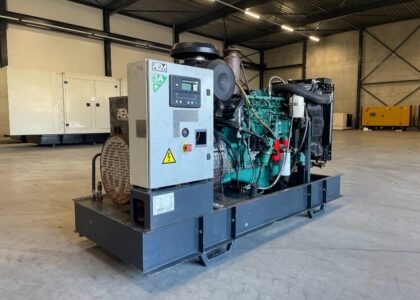
Open Generators
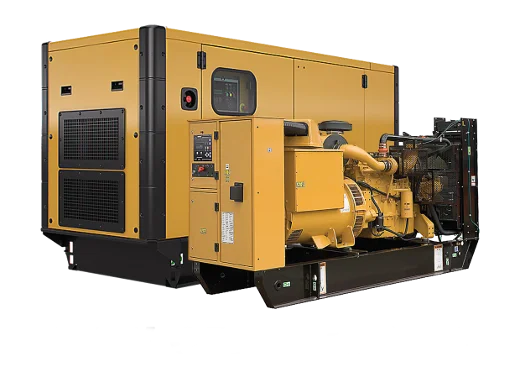
Open-frame generators are commonly installed in:
- Industrial facilities
- Construction sites
- Agricultural operations
- Remote locations
Advantages include:
- Lower purchase price
- Easier maintenance access
- Improved airflow around the engine
However, they produce considerably more noise and usually require installation in a dedicated plant room or enclosed area.
Silent Diesel Generators
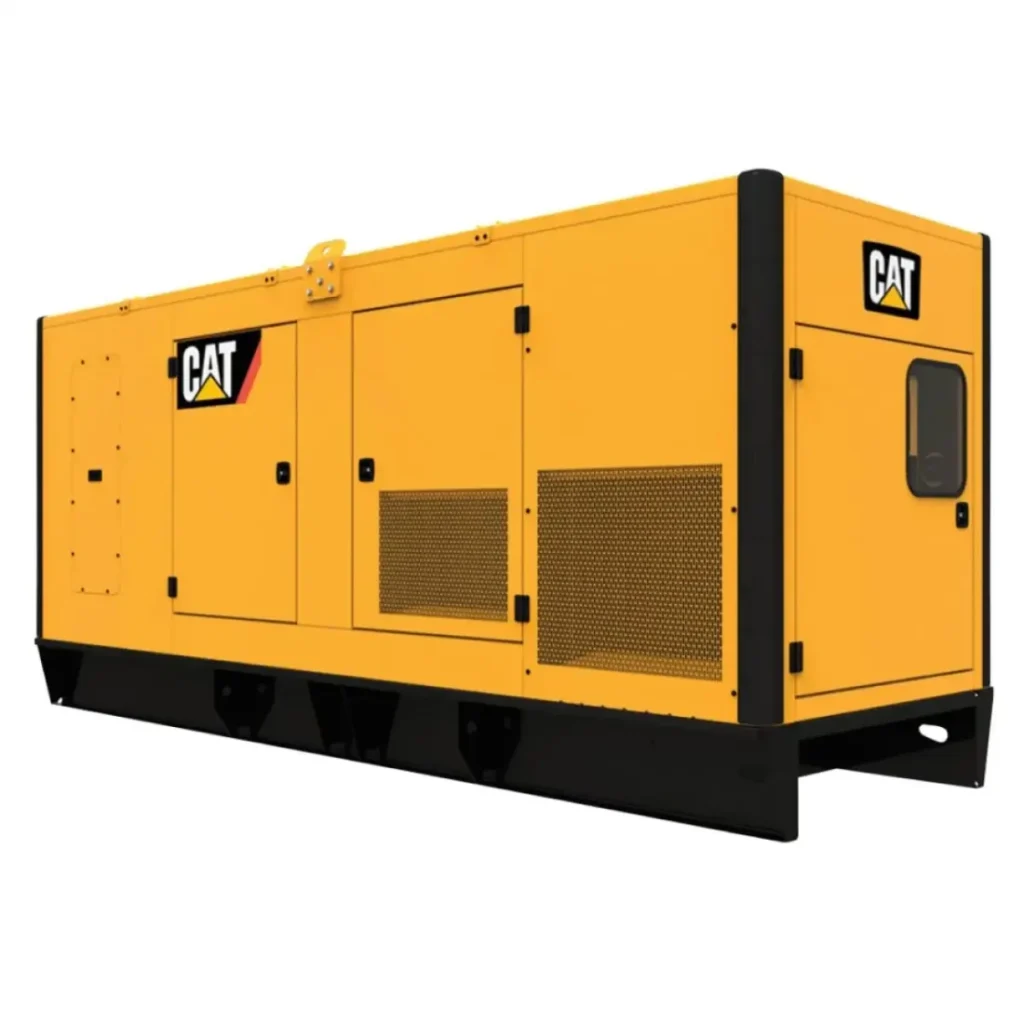
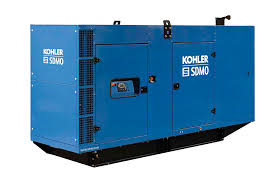
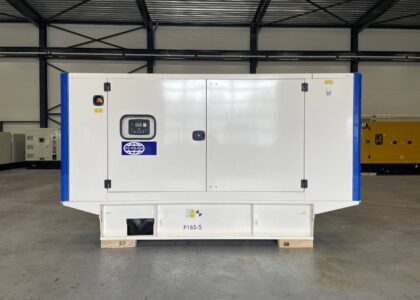
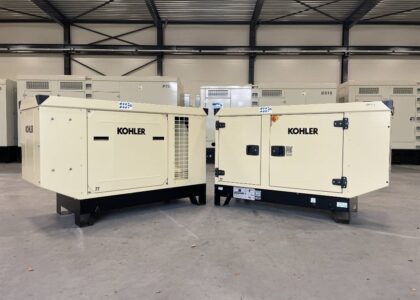
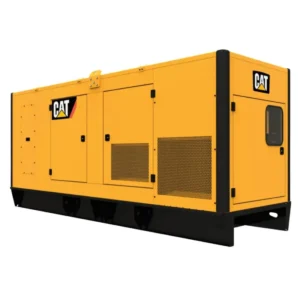
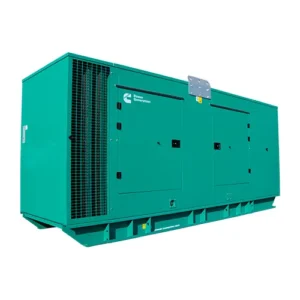
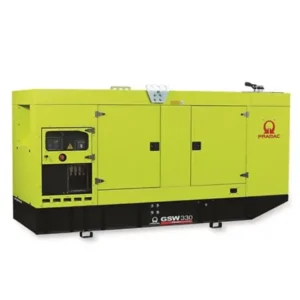
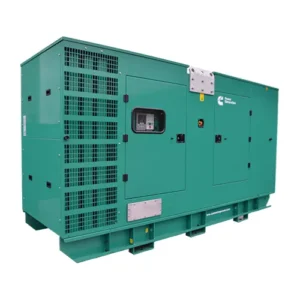
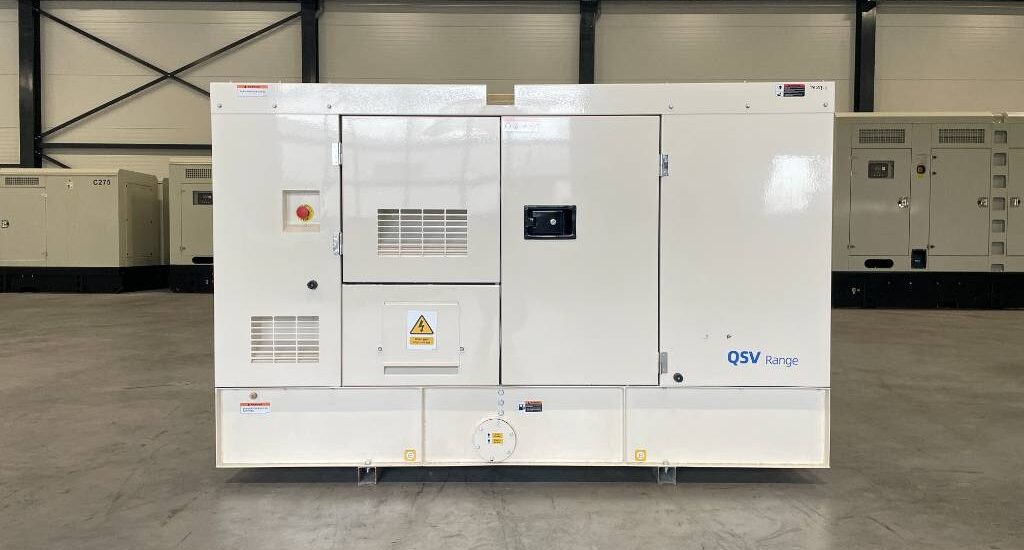
Silent generators are enclosed within an acoustic canopy that significantly reduces operating noise.
They are ideal for:
- Office parks
- Hotels
- Restaurants
- Schools
- Hospitals
- Residential estates
- Retail centres
Although silent generators typically cost more, they improve comfort for staff, customers and neighbouring properties.
If your business operates in a noise-sensitive environment, explore our range of silent diesel generators engineered to deliver reliable backup power with reduced operating noise.
Expert Advice from Our Industry Experience
After helping businesses across South Africa select backup power solutions, one of the most common mistakes we see is customers choosing a generator based solely on price.
A generator that is less expensive might seem like a deal but the costs over time can be much higher if it is hard to get spare parts if maintenance is costly or if the generator is not strong enough to handle the power needed.
Another frequent problem is when businesses guess how electricity they need instead of doing the math properly. Companies often forget about the power needed when pumps, compressors and refrigeration units start up. This can lead to generators that do not work well when demand is highest.
The best results usually come from taking the time to look at the electricity needs and also making sure there is enough space for more power, in the future. This way there is chance of having to spend a lot on changes as the business gets bigger.
Common Mistakes Businesses Make
Avoiding these common mistakes can save significant time and money.
Buying Based on Price Alone
The cheapest generator is not always the most economical over its lifetime.
Consider:
- Fuel efficiency
- Build quality
- Warranty
- Local support
- Spare parts availability
Ignoring Future Growth
Many businesses purchase a generator that only meets their current needs.
If you expect to add machinery, refrigeration, computers or production equipment within the next few years, allow additional capacity when selecting your generator.
Overlooking Installation Requirements
A quality generator still requires professional installation.
Factors such as:
- Ventilation
- Exhaust routing
- Cable sizing
- Earthing
- Fuel storage
- Automatic transfer switching
all influence the safety and reliability of the installation.
Electrical installations should comply with the relevant standards published by the South African Bureau of Standards (SABS) to help ensure safe, compliant and reliable generator operation.
Neglecting Regular Maintenance
Even the highest-quality diesel generator requires routine servicing.
Ignoring scheduled maintenance can lead to:
- Hard starting
- Increased fuel consumption
- Reduced engine life
- Unexpected breakdowns
- Expensive repairs
Routine inspections help identify minor issues before they become major failures.
To keep your generator operating at peak performance, follow the recommendations in our diesel generator maintenance guide, which covers service intervals, routine inspections and preventative maintenance for commercial diesel generators.
Installation Considerations for South African Businesses
Proper installation is just as important as selecting the right generator.
A professional installation should consider:
- Generator location
- Ventilation
- Noise management
- Foundation requirements
- Fuel storage
- Cable routing
- Changeover switching
- Environmental conditions
- Future maintenance access
Businesses installing generators with automatic transfer switches should also ensure compatibility with their existing electrical infrastructure.
If you’re planning a new installation, our professional generator installation guide explains the installation process, site preparation, safety requirements and best practices for commercial diesel generators.
Choosing the Right Generator for Your Business Type
Different businesses have different backup power requirements.
| Business Type | Recommended Generator | Best Suited |
|---|---|---|
| Small Office | 10kVA | A 10kVA diesel generator is usually the choice for small offices that need backup power for things like computers and lighting and networking equipment. |
| Convenience Store | 17kVA | Some places like stores and convenience shops often use a 17kVA diesel generator for backup power. This diesel generator can handle things like refrigeration and lighting and the machines they use to take payments. |
| Restaurant | 22kVA | Restaurants that have kitchens usually need a 22kVA diesel generator. This diesel generator keeps the refrigeration and kitchen equipment and other important things running when the power is out. |
| Workshop | 33kVA | Workshops that use machines like compressors and power tools usually choose a 33kVA diesel generator. This diesel generator gives them the power they need to keep working every day. |
| Warehouse | 50kVA | Big places, like warehouses and farms and light industrial sites usually need a 50kVA diesel generator. This diesel generator can handle the electrical loads and any future growth. |
These recommendations are intended as general guidance. A professional load assessment should always be carried out before selecting a generator.
Frequently Asked Questions
1. What size commercial diesel generator do I need?
The right size generator for your business depends on the amount of electricity your business uses. This includes the power needed when machines, like motors pumps and compressors start up. The best way to know the size is to have a professional check how much power your business needs. This helps make sure you don’t use much power or spend more on fuel than you need to.
2. Is a diesel generator better than a petrol generator for business use?
Yes. Diesel generators are usually better for business because they use fuel and they last longer. They are also good for businesses that need to use them a lot. For businesses in South Africa diesel generators are a good choice because they save you money in the long run even though they cost more to buy, at first.
3. How long can a commercial diesel generator run continuously?
This depends on the diesel generators design and the commercial diesel generators fuel tank capacity and the commercial diesel generators maintenance schedule. Many commercial diesel generators can run for a long time when people take care of them properly and put fuel in them safely. You should always do what the people who made the diesel generator say to do when you are using the commercial diesel generator.
4. Should I buy a silent diesel generator?
If your generator will operate near offices, residential properties, hotels, schools or healthcare facilities, a silent diesel generator is usually the better option because it significantly reduces operating noise while providing the same dependable performance.
5. Do I need an Automatic Transfer Switch (ATS)?
So what is an Automatic Transfer Switch? An Automatic Transfer Switch automatically starts the generator when the mains power fails. It also transfers the load without you having to do anything. This is really useful for businesses like facilities security companies and data centres. These businesses cannot afford to be offline for any amount of time. An Automatic Transfer Switch is very helpful, for them because it keeps everything running smoothly.
6. How often should a commercial diesel generator be serviced?
Service intervals vary depending on the manufacturer and operating hours. It is important to do oil changes replace filters check coolant levels and inspect batteries to keep the generator working properly and avoid sudden failures.
7. Can one generator power my entire business?
It is possible for one generator to power my business if the generator is the right size for the amount of electricity my business uses. Some businesses only use a generator to power the important things, like computers and lights to save money. Other businesses get a generator that can power my entire business.
8. Are diesel generators suitable for load shedding?
Yes. Diesel generators that companies use are really good at giving us power when we need it like when the power company’s doing maintenance and cuts off the power or when the power just goes out for no reason. Commercial diesel generators are one of the ways for businesses, in South Africa to get power when they need it during these times.
9. What is the lifespan of a commercial diesel generator?
A commercial diesel generator that is of quality and is installed properly and kept in good condition can work well for many years. It is important to do maintenance and to use the generator within the load range that is suggested. This helps to make sure the generator lasts a time.
10. Where can I buy a commercial diesel generator in South Africa?
Choose a supplier that offers professional advice, quality equipment, installation support, servicing and access, to spare parts. Purchasing from a supplier helps ensure you select the correct generator for your business and receive ongoing technical support.
Conclusion
When you are looking for a diesel generator it is not just about picking the biggest one or the cheapest one. You need to find the commercial diesel generator that fits your businesss electrical needs works well meets the installation rules in South Africa and keeps working properly for a long time.
Before you buy a diesel generator you should figure out how much power you need think about how your business might grow in the future look at what different commercial diesel generators can do and work with someone who knows about commercial backup power. If you take the time to choose the commercial diesel generator now you can save money on costs have less downtime and keep your business safe from power cuts, in the future.
If you’re looking for a reliable commercial diesel generator in South Africa, our team at Power Stay Solutions SA can help you choose the right solution for your business. Whether you need backup power for a small office, retail store, warehouse, farm or industrial facility, we’ll recommend a generator that matches your operational requirements and budget.
Browse our diesel generators for sale, request a quotation, or contact Power Stay Solutions SA for professional advice tailored to your business.