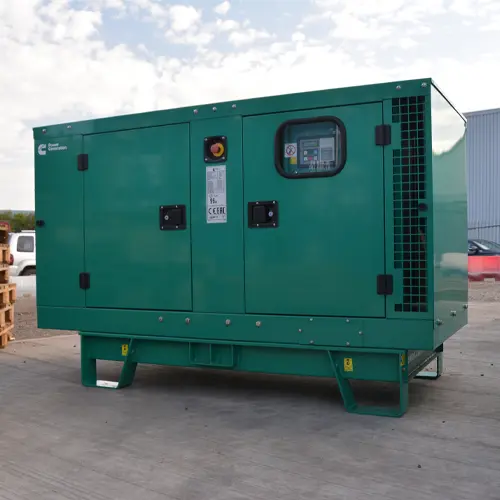
How to Install a 17kVA Generator Safely in South Africa
Introduction
Power interruptions remain a reality for many South African businesses. For manufacturers, farms, healthcare facilities, hotels, mines, warehouses and commercial buildings, even a short outage can stop operations, damage equipment or interrupt essential services. Businesses planning long-term backup power solutions should stay informed about Eskom load shedding schedules and electricity supply updates to better prepare for planned outages.
A professionally planned 17kVA generator installation provides dependable backup power, but achieving reliable performance involves far more than simply placing a generator outside and connecting a few cables.
This guide shows how a 17kVA diesel generator should be put in safely what businesses, in South Africa need to think about before starting the setup and the usual errors that cause problems. At the end you will know the things to plan for the electrical needs and the safety steps needed for a reliable backup power system.
Is a 17kVA Generator Suitable for Your Business?
Before planning any installation, it’s important to confirm that a 17kVA generator is correctly sized for your electrical load. Installing an undersized generator can lead to overloads, nuisance shutdowns and shortened engine life, while an oversized unit increases purchase and operating costs unnecessarily.
A 17kVA diesel generator is commonly used to supply standby power for:
- Small manufacturing workshops
- Agricultural businesses and irrigation systems
- Commercial office buildings
- Medical clinics and healthcare facilities
- Retail stores and shopping centres
- Restaurants and hospitality businesses
- Construction site offices
- Warehouses
- Security estates
- Telecommunications equipment
businesses in South Africa choose a 17kVA generator because it gives them a good balance between the cost of running it how well it uses fuel and the amount of power it can provide for important things when the electricity is out like during load shedding or when the power goes out unexpectedly. A 17kVA generator is a choice, for businesses that need a reliable source of power.
If you’re ready to compare specifications and see whether this model suits your power requirements, explore our 17kVA diesel generator for detailed specifications, available configurations and optional accessories.
Why Professional Installation Matters
Purchasing a quality generator is only part of the investment. Even the most reliable diesel generator can perform poorly if it’s installed incorrectly.
A proper 17kVA generator installation ensures:
- Safe operation
- Reliable automatic starting
- Correct electrical protection
- Efficient engine cooling
- Proper fuel supply
- Reduced noise levels
- Compliance with South African electrical requirements
- Longer equipment life
Professional installation also makes routine servicing easier, reducing maintenance costs over the life of the generator.
A lot of people think that their generator is broken. Really the problem is that it was not installed correctly. This can happen when the air does not flow well the cables are the size or the grounding is not done right.
Planning Your 17kVA Generator Installation
Successful installations begin long before the generator arrives on site.
An experienced installer will first assess the property to determine:
- Total electrical demand
- Essential versus non-essential loads
- Existing electrical infrastructure
- Suitable cable routes
- Fuel storage requirements
- Exhaust discharge location
- Access for future servicing
- Noise considerations
- Space available for maintenance
For commercial and industrial sites, this assessment helps prevent costly modifications after installation has already started.
Identify the Essential Loads
One of the biggest mistakes businesses make is attempting to power everything during an outage.
Instead, identify the equipment that genuinely needs backup power.
Examples include:
| Business Type | Essential Loads |
|---|---|
| Manufacturing | Production machinery, compressors, control systems |
| Mining | Pumps, ventilation equipment, communications |
| Healthcare | Medical equipment, refrigeration, emergency lighting |
| Hotels | Reception, kitchens, security, water pumps |
| Farms | Irrigation pumps, cold rooms, livestock systems |
| Warehouses | Security systems, loading equipment, lighting |
| Telecommunications | Base stations, servers, networking equipment |
| Commercial Offices | Computers, internet, access control, lighting |
Separating critical circuits from non-essential loads often reduces generator size requirements while improving overall efficiency.
Not sure if a 17kVA generator is the right choice? Our generator sizing guide explains how to calculate your total electrical load and select the correct generator size for your business.
Choosing the Best Installation Location
Generator location has a major impact on safety, performance and maintenance.
A well-positioned generator provides good airflow, easy servicing and safe operation throughout its lifespan.
When selecting an installation site, consider:
Adequate Ventilation
Diesel engines generate significant heat during operation.
Restricted airflow causes higher operating temperatures, reduced efficiency and possible engine shutdowns.
Always leave sufficient clearance around the generator according to the manufacturer’s recommendations.
Safe Exhaust Routing
Generator exhaust gases contain carbon monoxide and other harmful emissions.
The exhaust should discharge well away from:
- Building entrances
- Air-conditioning intakes
- Office windows
- Staff working areas
- Public walkways
Poor exhaust placement can create serious health risks.
Flood Protection
Avoid installing generators in low-lying areas that collect rainwater.
South African summer storms can quickly flood poorly positioned equipment.
If you have to put the generator on a concrete base that is higher, than the ground to stop it from getting flooded.
Security
Diesel generators represent a significant investment.
Protect the installation by considering:
- Security fencing
- Lockable access gates
- CCTV coverage
- Anti-theft fuel caps
- Adequate lighting
These measures help reduce theft, vandalism and fuel siphoning.
Accessibility for Maintenance
Routine servicing should never require dismantling walls or removing surrounding equipment.
Ensure technicians can easily access:
- Oil filters
- Fuel filters
- Battery
- Radiator
- Control panel
- Air filter
- Fuel tank
Good access reduces maintenance time and servicing costs over the life of the generator.
Preparing the Installation Site
A stable foundation is essential for long-term reliability.
Most permanent 17kVA generator installation projects use a reinforced concrete base designed to support both the generator’s weight and engine vibration.
The foundation should:
- Be level and structurally sound
- Extend beyond the generator footprint
- Allow proper drainage
- Prevent standing water
- Support the generator under full operating load
Anti-vibration mounts are commonly fitted between the generator frame and concrete base to minimise vibration transfer into nearby structures.
Cable trenches, fuel pipe routes and drainage should also be planned before the generator arrives to avoid unnecessary delays during installation.
Understanding South African Installation Requirements
Installing a standby generator involves more than connecting electrical cables. Commercial installations must comply with applicable safety requirements and should always be completed by qualified professionals.
Key considerations include:
- Correct generator sizing
- Suitable automatic transfer equipment
- Proper earthing and bonding
- Safe cable sizing
- Circuit protection
- Adequate ventilation
- Safe fuel storage
- Fire protection measures
- Routine inspection and maintenance planning
If you do all these things you will be safer. Your standby generator will work well when the main power is not working. This is important because a standby generator is supposed to provide power when you need it most. It has to be set up correctly. Setting up a generator, in South Africa is a big job and following these steps will help you get it right.
For a broader overview of planning, installation requirements and compliance considerations, read our comprehensive Generator Installation Guide, which explains the installation process for standby generators across different applications.
Step-by-Step 17kVA Generator Installation Process
A successful 17kVA generator installation follows a structured process. Skipping steps or rushing the installation can create safety risks, unreliable performance and unnecessary operating costs.
The way you install a 17kVA generator is a little different depending on the kind of 17kVA generator you have where it is going and what kind of electricity it needs.. Most of the time people who install 17kVA generators for a living follow the same basic steps when they are installing a 17kVA generator.
Step 1: Transporting and Positioning the Generator
Once the installation site has been prepared, the generator is carefully positioned onto the prepared foundation.
Before final placement, installers should confirm:
- The generator can be safely delivered to the site
- The concrete base is fully cured and level
- Access is available for lifting equipment if required
- There is enough clearance around the unit
- Fuel, electrical and exhaust connections can be routed correctly
A common mistake is installing the generator first and only later discovering that there is insufficient space for servicing or cable installation.
For commercial sites such as factories, warehouses and farms, planning access routes beforehand prevents expensive modifications.
Step 2: Installing the Automatic Transfer Switch (ATS)
For businesses requiring uninterrupted backup power, an Automatic Transfer Switch (ATS) is one of the most important components of the installation.
An ATS automatically detects a utility power failure and transfers the electrical load from the grid supply to the generator.
When utility power returns, the ATS safely transfers the load back and allows the generator to cool down before shutting off.
A typical ATS sequence:
- Eskom or utility power fails.
- The ATS detects the interruption.
- The generator receives a start signal.
- The generator reaches operating voltage and frequency.
- The ATS transfers power to the backup supply.
- The ATS returns the load to utility power once supply is stable.
For places, like healthcare centers, telecommunications sites, server rooms and manufacturing plants an ATS is usually very important because it helps reduce time without power and takes away the need for people to start the generator manually.
Businesses that require automatic backup power should consider professional automatic transfer switch installation to ensure the generator starts and transfers power safely during outages.
Electrical Connection Requirements for a 17kVA Generator
The electrical connection is one of the most critical stages of any generator installation.
A generator must be correctly integrated with the building’s electrical system to prevent equipment damage, electrical faults and dangerous back-feeding into the utility network.
A professional electrician will assess:
- Generator output voltage
- Single-phase or three-phase requirements
- Cable size requirements
- Circuit breaker ratings
- Earthing arrangements
- Protection systems
- Load distribution
A 17kVA generator installation for a commercial facility will typically require three-phase electrical connections, especially where equipment such as motors, pumps and industrial machinery are involved.
Incorrect cable sizing is a common problem. Cables that are too small can overheat, reduce efficiency and create a potential fire hazard.
Generator Earthing and Electrical Safety
Proper earthing is essential for protecting people, equipment and the generator itself.
The installation should include:
- Correct grounding of the generator frame
- Proper bonding between electrical components
- Suitable protection devices
- Compliance with local electrical requirements
Never assume that connecting the generator to an existing building earth system is automatically correct. The earthing arrangement must be assessed based on the installation design.
This is one reason generator installations should always be completed and certified by qualified electrical professionals.
Generator installations should comply with applicable South African electrical installation standards and be completed by qualified professionals to ensure safety and compliance.
Fuel System Installation Requirements
A reliable fuel supply is essential for generator performance.
Although a 17kVA generator generally includes an integrated fuel tank, businesses should consider fuel storage requirements based on expected runtime and operational needs.
Important fuel system considerations include:
- Correct diesel fuel quality
- Secure fuel storage
- Protection against contamination
- Easy access for refilling
- Prevention of fuel leaks
- Safe fuel handling procedures
For businesses affected by extended load shedding or operating in remote areas, additional fuel capacity may be required.
Examples:
- Farms may need longer runtime during irrigation cycles.
- Telecommunications sites may require extended autonomy.
- Construction sites may operate generators throughout working hours.
- Commercial facilities may require backup during prolonged outages.
Poor fuel management is one of the biggest causes of generator problems. Water contamination, dirty fuel and blocked filters can lead to starting problems and reduced engine life.
Ventilation and Exhaust Requirements
Diesel generators produce significant heat and exhaust gases during operation. Proper ventilation is therefore a key part of a safe 17kVA generator installation.
A generator room or enclosure must allow:
- Cool air intake
- Hot air discharge
- Adequate airflow around the engine
- Safe exhaust removal
Poor ventilation can cause:
- Engine overheating
- Reduced performance
- Increased fuel consumption
- Automatic shutdowns
- Damage to components
For indoor installations, airflow calculations should be completed according to manufacturer requirements.
The exhaust system must also be professionally installed to ensure fumes are safely discharged away from occupied areas.
Never position exhaust outlets near:
- Office windows
- Building entrances
- Air-conditioning systems
- Public areas
Carbon monoxide exposure is a serious safety risk and must always be considered during planning.
Generator Testing and Commissioning
A generator installation is not complete once the wiring has been connected.
Proper commissioning confirms that the system operates correctly under real conditions.
A professional commissioning process normally includes:
Visual Inspection
Checking:
- Fuel connections
- Electrical connections
- Battery installation
- Coolant levels
- Oil levels
- Exhaust system
- Mounting points
Functional Testing
Testing:
- Manual start operation
- Automatic start operation
- ATS transfer operation
- Emergency shutdown functions
- Control panel alarms
Load Testing
The generator should be tested under load to confirm it can handle the expected electrical demand.
This helps identify issues before the generator is needed during an actual outage.
17kVA Generator Installation Checklist
Before handing over the system, confirm the following:
| Installation Area | Check Completed |
|---|---|
| Generator positioned on suitable foundation | ✓ |
| Adequate ventilation provided | ✓ |
| Exhaust safely routed | ✓ |
| Fuel system inspected | ✓ |
| Correct electrical connections completed | ✓ |
| Earthing verified | ✓ |
| ATS tested | ✓ |
| Emergency shutdown tested | ✓ |
| Control panel configured | ✓ |
| User training completed | ✓ |
| Maintenance schedule provided | ✓ |
A professional handover should include operating instructions, maintenance recommendations and contact details for ongoing technical support.
Expert Advice from Our Generator Specialists
After helping businesses across South Africa select and install standby power systems, one of the most common mistakes we see is customers focusing almost entirely on the generator itself while overlooking the installation.
A quality diesel generator can only perform as well as the installation behind it. Incorrect cable sizing, poor ventilation, inadequate fuel planning or the wrong transfer equipment can all reduce reliability and increase operating costs.
We also encourage businesses to think beyond today’s power requirements. If you’re planning to expand your operations within the next few years, discuss this with your installer before selecting a generator. Designing the installation with future growth in mind is often far more cost-effective than modifying the entire system later.
Finally, don’t overlook ongoing maintenance. Even a professionally installed generator should be exercised regularly and serviced according to the manufacturer’s recommendations to ensure it’s ready when the next power outage occurs.
Common 17kVA Generator Installation Mistakes
Avoiding these common mistakes can improve safety, reliability and the lifespan of your investment.
| Mistake | Why It’s a Problem | How to Avoid It |
|---|---|---|
| Choosing the wrong generator size | Overloading or unnecessary fuel costs | Carry out a professional load assessment |
| Installing in an enclosed space | Overheating and poor ventilation | Allow adequate airflow around the generator |
| Poor exhaust positioning | Carbon monoxide risk | Route exhaust safely away from occupied areas |
| Incorrect cable sizing | Voltage drop and overheating | Use correctly sized cables for the electrical load |
| Skipping regular testing | Generator may fail during an outage | Perform routine testing and maintenance |
| Ignoring fuel quality | Engine damage and blocked filters | Store clean diesel and inspect fuel regularly |
| No Automatic Transfer Switch | Delayed response during outages | Install an ATS where uninterrupted power is required |
| Poor access for servicing | Increased maintenance costs | Leave sufficient clearance around the generator |
Buying Advice: Choosing the Right 17kVA Generator
Not every 17kVA generator offers the same level of performance or suitability for commercial use.
Before making a purchase, consider:
- Whether the generator provides standby or prime power ratings suitable for your application.
- Fuel tank capacity and expected runtime.
- Noise levels if the generator will operate near offices, residential properties or guest accommodation.
- The reputation of the engine manufacturer and the availability of spare parts in South Africa.
When comparing generator brands, reviewing Perkins diesel engine technology can help you understand why modern diesel engines are recognised for their fuel efficiency, durability and long-term reliability.
- Warranty cover and after-sales technical support.
- Compatibility with an Automatic Transfer Switch.
- Ease of servicing and maintenance access.
You should also think about if you will need power in the future. If your business is going to get bigger or add machines it might be better to get a 17kVA generator that is a little bigger now. This way you will not have to buy an one later which could be more expensive.
If you’re comparing reliable standby power solutions, browse our range of diesel generators for sale to find commercial, industrial and agricultural generators designed for dependable backup power across a wide range of applications.
Frequently Asked Questions
1. Can I install a 17kVA generator myself?
No. You should get a professional to install a permanent standby generator. This is because they know how to do it and make sure everything works properly. A professional will make sure the installation is done correctly so you do not have to worry about safety or if it is working right. You want a 17kVA generator that is installed correctly so it will work when you need it to.
2. Does a 17kVA generator need an Automatic Transfer Switch?
Not always. However, an ATS is highly recommended for businesses that require automatic backup power without manual intervention.
3. How long does a 17kVA generator installation take?
So when we do a 17kVA generator installation, for businesses it usually takes one to three days to finish. This is because we need to get the site ready do the work and make sure everything is working properly before we are done with the 17kVA generator installation.
4. Can a 17kVA generator power an entire business?
That really depends on how electricity the business uses. To figure this out you should get a professional to check how power everything needs. They can do an assessment to see what the total demand is. This is something you should always do before you pick a generator, like a 17kVA generator.
5. Where should a diesel generator be installed?
Ideally outdoors on a reinforced concrete base with adequate ventilation, safe exhaust routing and easy access for servicing.
6. How often should a standby generator be serviced?
You should service a standby generator regularly. The people who make these generators say you should do this based on how hours it has been running or after a certain amount of time whichever happens first. It is an idea to always follow the schedule that the manufacturer of your standby generator recommends for your specific standby generator.
To keep your generator performing reliably, read our diesel generator maintenance guide, which explains recommended service intervals, routine inspections and practical maintenance tips to help extend the lifespan of your generator.
7. What fuel does a 17kVA generator use?
commercial 17kVA standby generators use diesel. Diesel provides fuel efficiency. Diesel offers performance over a long period of time.
8. Does a 17kVA generator require planning permission?
The rules are different depending on where you put the 17kVA generator and what you use it for. If you are doing a project with a 17kVA generator you should get a professional to check that you are doing everything right with the 17kVA generator so you do not get in trouble, with the law.
9. Can a 17kVA generator run continuously?
A 17kVA generator is usually meant for power when the main power is out. It is not meant to run a 17kVA generator. You should look at what the people who made the 17kVA generator say about using it for a time. They will tell you if you can run the 17kVA generator all the time or not.
10. How can I make my generator last longer?
To make your generator last longer you should make sure it is installed correctly give it maintenance test it with a load, on a regular basis use clean fuel and operate it within the limits it was designed for.
Conclusion
A properly planned 17kVA generator installation provides dependable backup power for businesses across South Africa, helping minimise downtime and protect critical operations during power interruptions.
From choosing the correct place for the installation and getting the site ready to making sure the electrical connections are safe and the ventilation is proper and doing the final testing each step is important for lasting performance. Putting money into installation and regular checks not only makes things safer but also helps get the most, out of the generator investment.
If you’re planning a 17kVA generator installation for your business, Power Stay Solutions can help you choose the right standby power solution for your application. Our team can assist with generator selection, professional installation, commissioning and ongoing maintenance support.
Browse our range of commercial diesel generators or contact us for expert advice and a tailored quotation based on your power requirements.
Contact Power Stay Solutions today to discuss your backup power requirements and request a customised quotation.