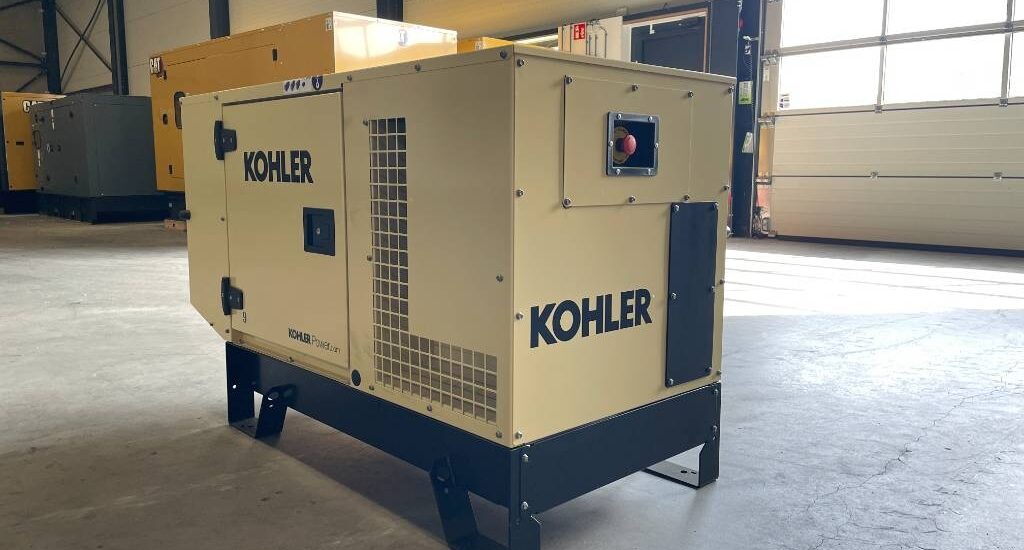
Diesel vs Petrol 17kVA Generators: Which Is Better?
Introduction
When you are trying to decide between a diesel vs petrol 17kVA generator, it is not about how much it costs to buy. The kind of fuel you choose will affect how much it costs to run how often you need to do maintenance how reliable it is, how long it lasts and how good it is overall. In South Africa a lot of businesses have to deal with load shedding working in areas and power from the grid that is not always working. If you choose the generator it can be very expensive.
Businesses planning long-term backup power solutions should monitor Eskom load shedding schedules and electricity supply updates to better understand outage patterns and prepare accordingly.
This guide compares 17kVA diesel generators and 17kVA petrol generators across the factors that matter most, including fuel efficiency, operating costs, durability, maintenance and real-world performance. Whether you’re buying backup power for a farm, factory, lodge, construction site or commercial premises, you’ll have the information you need to make an informed decision.
Diesel vs Petrol 17kVA Generator Comparison at a Glance
| Feature | 17kVA Diesel Generator | 17kVA Petrol Generator |
|---|---|---|
| Initial Purchase Price | Higher | Lower |
| Fuel Consumption | Lower | Higher |
| Fuel Cost Over Time | Lower | Higher |
| Lifespan | Excellent | Moderate |
| Heavy Load Performance | Excellent | Good |
| Continuous Operation | Ideal | Limited |
| Maintenance Frequency | Less frequent | More frequent |
| Torque Output | High | Moderate |
| Fuel Availability | Widely available | Widely available |
| Best For | Commercial and industrial backup | Occasional residential or light commercial use |
Overall recommendation: For most South African businesses requiring dependable standby or prime power, a 17kVA diesel generator offers better long-term value despite its higher upfront cost.
Understanding the Difference Between Diesel and Petrol 17kVA Generators
Although both generator types produce electricity using an internal combustion engine, they are designed with different priorities in mind.
A 17kVA diesel generator works by squeezing the air inside the engine then putting in diesel fuel. This makes it ignite. It gives us more power, better fuel use and it lasts longer when we use it a lot.
A 17kVA petrol generator, by comparison, uses spark plugs to ignite a petrol-air mixture. Petrol engines are generally lighter, quieter and less expensive to manufacture, making them attractive for occasional or light-duty applications.
The biggest difference becomes apparent once the generator is used regularly.
For companies that have power cuts often or are in places where the electricity’s not reliable 17kVA diesel generators are usually cheaper to run and last much longer. 17KVA Petrol generators are fine if we only use them sometimes. They cost more to run if we use them for a long time.
For this reason, most commercial generators South Africa supplied to industries such as mining, manufacturing, agriculture and telecommunications are diesel powered.
Diesel Generator vs Petrol Generator: Fuel Efficiency Compared
Fuel consumption is one of the largest ongoing expenses associated with owning a generator.
One of the reasons companies choose diesel generators is that they use fuel more efficiently. Diesel generators are better at turning fuel into power that you can actually use. This means they can run for a time on less fuel.
A typical 17kVA diesel generator operating at around 75% load can often consume between 2.5 and 3.5 litres of diesel per hour, depending on the engine manufacturer and operating conditions.
A comparable 17kVA petrol generator generally consumes considerably more fuel to produce the same electrical output.
This difference might not seem like a lot for one day. Diesel generators save you a lot of money over time like months or years because diesel generators are more fuel efficient, than petrol generators.
Example
Imagine a generator operating:
- 8 hours per day
- 20 days per month
- Throughout a year of regular load shedding
A diesel generator could save hundreds or even thousands of litres of fuel annually compared to a petrol equivalent.
For businesses with high operating hours, diesel generator fuel efficiency often offsets the higher purchase price surprisingly quickly.
When comparing generator brands, reviewing Perkins diesel engine technology can help you understand why modern diesel engines deliver excellent fuel economy and long-term reliability.
Why Diesel Engines Are More Efficient
Several engineering factors contribute to diesel’s superior efficiency:
- Higher compression ratios
- Greater thermal efficiency
- Higher energy density in diesel fuel
- Stronger torque at lower engine speeds
- Reduced fuel consumption under sustained loads
These characteristics make diesel particularly well suited to continuous standby and prime power applications.
Running Costs: Which Generator Is Cheaper to Own?
Many buyers focus almost entirely on the purchase price.
Experts who work with generators usually say it’s better to think about the total cost of owning the generator. This includes things like:
- Fuel
- Scheduled servicing
- Engine lifespan
- Spare parts
- Repairs
- Downtime
- Resale value
A 17kVA petrol generator that runs on petrol usually costs less at first.. It uses more fuel and the engine doesn’t last as long. This often means the cost of owning it is higher over the years.
A 17kVA diesel generator typically requires a larger upfront investment but rewards owners with:
- Lower fuel bills
- Longer service intervals
- Better durability
- Higher resale value
- Reduced operating costs over time
Thats why many companies see diesel generators as something they buy for the long term. They don’t just think of them as something to use when theres an emergency.
Estimated Ownership Comparison
| Cost Factor | Diesel | Petrol |
|---|---|---|
| Purchase Price | Higher | Lower |
| Fuel Costs | Lower | Higher |
| Annual Servicing | Moderate | Moderate to High |
| Engine Longevity | Excellent | Moderate |
| Cost Per Operating Hour | Lower | Higher |
| Long-Term Value | Excellent | Fair |
For businesses running generators regularly during load shedding, a diesel unit almost always delivers the lower cost per operating hour.
Is Petrol Ever the Better Choice?
Yes—but only in certain situations.
If your generator will operate only a handful of times each year for short power outages, the lower purchase price of a petrol model may make financial sense.
For example, a small retail shop or workshop that experiences only occasional interruptions may never accumulate enough operating hours for diesel’s fuel savings to outweigh its higher initial cost.
However, once a generator becomes part of your daily operations—as is increasingly common across South Africa—a diesel generator almost always proves to be the more economical option over its lifetime.
Performance Under Heavy Loads
One of the biggest differences between a 17kVA diesel generator and a 17kVA petrol generator becomes apparent when powering equipment with high starting currents or operating for extended periods.
Many commercial applications require generators to supply power to machinery that draws significantly more electricity during start-up than during normal operation. Examples include:
- Air compressors
- Water pumps
- Refrigeration systems
- Industrial motors
- HVAC equipment
- Welding machines
Diesel engines produce higher torque at lower engine speeds, allowing them to handle these sudden load increases more effectively without excessive strain.
Petrol generators can still work well if you do not use them much.. If you use them a lot, for heavy work the engine can get really stressed.
For businesses that need power all day without any breaks diesel generators are still the choice.
Continuous Operation and Load Shedding Performance
South African businesses often need generators to run for several hours at a time during load shedding or planned maintenance.
This is where the diesel generator vs petrol generator debate becomes less about theory and more about practical reliability.
Diesel generators are specifically designed for long operating hours. Their engines run at lower RPMs, generate less heat under load and are engineered to withstand continuous use.
Petrol generators are better suited to shorter operating periods. Although they can provide reliable backup power, prolonged daily operation generally leads to increased fuel consumption, more frequent servicing and faster engine wear.
For businesses, like manufacturing, agriculture, mining and hospitality diesel generators are a choice. This is because these businesses cannot afford to lose power or they will lose money. Diesel generators give them peace of mind because they are more reliable and can run for a time without stopping.
Reliability During South African Load Shedding
South Africa’s ongoing electricity challenges have changed how many businesses approach backup power.
Instead of treating generators as emergency equipment used only a few times each year, many companies now depend on them as an essential part of their daily operations.
A 17kVA diesel generator is better equipped for this demanding role because it offers:
- Stable power output during extended outages
- Better fuel economy during long operating periods
- Reduced risk of overheating
- Longer engine life under frequent use
- Greater reliability for automatic standby systems
Businesses that experience multiple outages each week generally recover the higher purchase price of a diesel generator through lower operating costs and improved reliability.
Maintenance Requirements
No generator is maintenance-free, but the type of maintenance and the frequency required vary between diesel and petrol models.
Diesel generators typically require routine servicing based on operating hours. This usually includes:
- Engine oil changes
- Oil filter replacement
- Fuel filter replacement
- Air filter inspection
- Coolant checks
- Battery inspection
Because diesel engines are built with heavier-duty components, they often require fewer major repairs over their service life.
Petrol generators require similar routine maintenance but also include ignition system components such as:
- Spark plugs
- Ignition coils
- Fuel system cleaning
- Carburettor servicing (where applicable)
These additional components increase maintenance requirements over time, particularly if the generator is used frequently.
It is very important to service your generator no matter what kind of fuel it uses. If you follow the schedule that the manufacturer gives you your generator will be more reliable. You will be protecting your investment. Regular maintenance is necessary, for diesel generators and petrol generators. It helps to keep them running well.
Which Generator Lasts Longer?
If you want something that will last a long time, then diesel is the way to go.
A well-maintained 17kVA diesel generator can often provide many thousands of operating hours before major engine work is required.
Petrol generators do not last long because they run at higher speeds and are not made for constant use in commercial settings.
The exact lifespan of a generator depends on how it is maintained and the conditions it is used in but diesel generators are always better than petrol ones in tough situations.
This is one of the main reasons industries such as:
- Manufacturing
- Mining
- Agriculture
- Telecommunications
- Healthcare
- Construction
almost exclusively invest in diesel-powered backup systems.
Noise Levels: Is Petrol Quieter?
Many buyers assume diesel generators are always much louder than petrol generators.
It is true that older diesel units were often much noisier but new generators that have attenuated features have made a big difference, in reducing the noise during operation.
In general:
| Factor | Diesel | Petrol |
|---|---|---|
| Engine Noise | Slightly Higher | Lower |
| Acoustic Canopy Performance | Excellent | Good |
| Commercial Installations | Very Suitable | Suitable |
| Residential Areas | Suitable with soundproof enclosure | Often quieter |
For most commercial premises, the difference is relatively small when both generators are fitted with quality acoustic enclosures.
If low noise is a critical requirement—such as for guest lodges, medical facilities or residential estates—it is worth comparing the manufacturer’s quoted decibel (dB) rating rather than assuming one fuel type is automatically quieter.
Environmental Considerations
Environmental performance has become increasingly important for businesses looking to reduce emissions and improve energy efficiency.
Diesel engines generally emit less carbon dioxide (CO₂) per kilowatt-hour because they consume less fuel to produce the same amount of electricity.
However, diesel engines also produce nitrogen oxides (NOx) and particulate matter, which modern emission control technologies help to reduce.
On the hand petrol generators make fewer of these tiny particles. However they use fuel when they are running, which means they are not as good for the environment, in the long run.
For organisations operating generators regularly, improved diesel generator fuel efficiency often translates into lower overall fuel consumption and reduced operating costs.
Which Industries Should Choose a Diesel 17kVA Generator?
For most commercial applications, diesel remains the preferred choice.
A 17kVA diesel generator is particularly well suited to:
- Manufacturing facilities running production equipment
- Farms powering irrigation systems, cold rooms and pumps
- Hotels and guest lodges requiring uninterrupted guest services
- Medical clinics protecting essential equipment
- Construction companies operating power tools and site offices
- Warehouses maintaining lighting and security systems
- Telecommunications sites requiring continuous uptime
- Small commercial buildings with automatic standby systems
For larger commercial facilities, factories or businesses with higher power demands, a 33kVA commercial generator may be a more suitable option, providing additional capacity for larger equipment, increased electrical loads and future business expansion.
The combination of lower running costs, longer lifespan and excellent reliability makes diesel the logical investment where generators operate frequently.
When Is a Petrol 17kVA Generator the Better Option?
Although diesel dominates the commercial market, a 17kVA petrol generator still has its place.
It may be the better option if you:
- Need backup power only a few times each year
- Have a limited budget for the initial purchase
- Require a generator for occasional temporary use
- Do not expect long daily operating hours
- Want a simpler solution for light-duty applications
For example, a community hall, occasional event venue or workshop with infrequent power interruptions may find that a petrol generator offers an acceptable balance between purchase price and performance.
However, if your generator is expected to become a daily source of power due to ongoing load shedding, investing in diesel is likely to provide greater value over the life of the equipment.
Diesel or Petrol: Which Offers Better Value?
When you think about how diesel and petrol generators cost to own not just to buy diesel generators are usually a better deal for companies in the long run.
You might save some money when you buy a petrol generator. It will probably cost you more in the long run. This is because petrol generators use fuel the engine does not last as long and they need to be fixed more often.
For organisations that rely on dependable backup generators South Africa to keep operations running during power outages, diesel remains the benchmark for reliability, efficiency and durability.
Expert Advice
After helping businesses across South Africa select backup power solutions for a wide range of applications, one pattern stands out: many buyers focus on the generator’s purchase price instead of its long-term operating costs.
A diesel generator may require a higher initial investment, but if it will run several hours each week during load shedding, that investment is often recovered through lower fuel consumption, greater reliability and a longer service life.
Another common oversight is buying a generator based solely on its kVA rating. It’s equally important to understand the type of equipment it will power. Motors, pumps, compressors and refrigeration systems have high starting currents, which must be considered when sizing a generator.
If your business depends on uninterrupted power, it’s worth investing in a quality diesel generator from a reputable manufacturer and ensuring it is installed correctly with the appropriate protection systems.
Common Mistakes Buyers Make
Purchasing a generator is a significant investment, and avoiding these common mistakes can save considerable time and money.
Buying Based on Price Alone
You might think a cheaper generator is an idea.. You have to think about the money you will spend on fuel and maintenance over time. These costs can really add up. The price you pay to buy the generator is not the thing that matters.
Ignoring Fuel Consumption
A lot of people do not think about how fuel their generator will use. Generators use a lot of fuel over time. This is especially true when you have to use your generator a lot. The generator will cost you money if it uses a lot of fuel.
Choosing the Wrong Generator Size
An undersized generator may overload and shut down, while an oversized unit can operate inefficiently and consume unnecessary fuel.
(INTERNAL LINK OPPORTUNITY)
Anchor Text: generator sizing guide
Best Placement: After the paragraph above discussing correct generator sizing.
Overlooking Future Power Requirements
Companies grow as time passes. Buying a generator without considering what the electrical needs might be, in the future can mean having to replace it earlier than planned.
For businesses expecting increased electrical demand, upgrading to a 22kVA diesel generator for larger power demands can provide additional capacity and reduce the risk of outgrowing your backup power solution.
Neglecting Maintenance
Skipping routine servicing increases the risk of breakdowns and shortens the lifespan of any generator, regardless of fuel type.
(INTERNAL LINK OPPORTUNITY)
Anchor Text: diesel generator maintenance guide
Best Placement: At the end of the maintenance mistake section.
Buying Advice: Which 17kVA Generator Should You Choose?
The right choice depends on how you plan to use the generator.
If you expect frequent load shedding or need dependable backup power for your business, a 17kVA diesel generator offers the best balance of fuel efficiency, reliability and long-term operating costs.
- Experience regular load shedding
- Operate a business that cannot afford downtime
- Need long running hours
- Want lower fuel costs over time
- Require maximum reliability
- Plan to use an Automatic Transfer Switch (ATS)
If your business has slightly lower power requirements and doesn’t need the full capacity of a 17kVA unit, a 16kVA diesel generator may provide a more cost-effective solution while still delivering reliable backup power for smaller commercial premises, workshops, offices and retail businesses.
Choose a 17kVA petrol generator if you:
- Require occasional emergency backup
- Have relatively low annual running hours
- Need a lower upfront purchase price
- Are powering lighter electrical loads
For most commercial and industrial users, diesel remains the better long-term investment due to its efficiency, durability and lower operating costs.
Frequently Asked Questions
1. Is a diesel or petrol 17kVA generator better for South African businesses?
For African businesses that have to deal with power outages or load shedding all the time a diesel 17kVA generator is usually the way to go. This is because a diesel 17kVA generator uses fuel is more durable and is more reliable when it has to run for a long time. A diesel 17kVA generator is a choice, for South African businesses that need a generator they can count on.
2. Which generator costs less to run?
A diesel generator usually costs less to run because diesel engines use fuel to produce the same amount of electricity.
3. Does a diesel generator last longer than a petrol generator?
Yes. A diesel generator is built to handle jobs and it will last a lot longer than a petrol generator if you take good care of it and follow what the people who made it say to do. This means a diesel generator will keep working for a long time if you use it the way you are supposed to. Diesel generators are really good, at lasting a time.
4. Are diesel generators more expensive?
The cost to buy them is usually higher. Lower costs to run them often make diesel the better choice financially over the years. Diesel generators tend to be more expensive when you first buy them. They can save money in the long run because they cost less to operate. This makes diesel generators an economical choice, over time.
5. Which generator is better for load shedding?
For power cuts a diesel generator is usually the best choice because it works well over long periods without using too much fuel.
6. Is a 17kVA generator suitable for a business?
Yes. A 17kVA generator is often used to power offices, farms, workshops, retail stores, medical facilities and small to medium-sized commercial operations. A 17kVA generator is often used to power offices, farms, workshops, retail stores, medical facilities and small to medium-sized commercial operations.
7. Which generator requires less maintenance?
Diesel generators and other generators both need to be checked regularly but diesel generators do not get as worn out when they are running all the time. Diesel generators usually need to be fixed often when something big breaks. This means diesel generators need maintenance over time.
8. Can a diesel generator run continuously?
Yes. Most diesel generators that people use for business can run for a time if you take care of them and do not overload them.
9. Is petrol cheaper than diesel for generators?
When you buy a generator petrol generators are usually cheaper. But petrol generators use a lot of fuel so they can be expensive in the run. This means that even though petrol generators cost less at first diesel generators might be cheaper for you to own over time because petrol generators use fuel. Petrol generators are still a choice, for some people but you have to think about how much fuel they use and how much that will cost you.
10. How do I choose the best 17kVA generator?
You need to think about how hours you will use the 17kVA generator. You also need to think about what you will use the 17kVA generator for and how much it will cost you to buy fuel for the 17kVA generator. You should think about how work it will take to keep the 17kVA generator running smoothly.. You should think about if you will need a bigger 17kVA generator later on. If you are going to use the 17kVA generator all the time diesel is usually the choice, for the 17kVA generator.
Conclusion
When comparing a diesel vs petrol 17kVA generator, there is no universal answer for every buyer. The right choice depends on how frequently the generator will be used, the type of equipment it needs to power and your long-term operating budget.
If you only need a generator for emergencies every now and then a petrol generator is an option because it is cheaper to buy at first.
For businesses, in South Africa that need backup power all the time because of load shedding or power outages a 17kVA diesel generator is a better choice. Diesel generators use fuel efficiently cost less to run last longer and work better when they have to power a lot of things at the same time. This is why most businesses prefer diesel generators.
If you think about what you need and what you will need in the future instead of just looking at the price of the generator you will be able to make a better decision. You will be able to buy a generator that will work well for a time.
If you are not sure which generator is best for your business, the team at Power Stay Solutions can help you. They will look at how power you need tell you which generator is the best for you and give you good advice based on what you are using the generator for and where you are using it.
Browse our range of diesel generators or request a generator quotation to find the right backup power solution for your needs.