Can a 17kVA Generator Power an Entire House? Complete South African Guide
South Africans have become all too familiar with unexpected power outages and load shedding. For many homeowners, the question isn’t whether to buy a backup generator, but how large it should be. Homeowners planning backup power should monitor Eskom load shedding schedules and electricity supply updates to understand how extended outages may affect their backup power requirements.
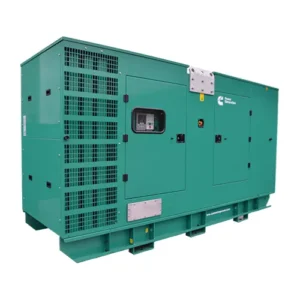
A 17kVA generator for house applications is often considered the ideal middle ground, offering enough capacity to power most essential circuits and, in many cases, an entire home. This guide explains exactly what a 17kVA generator can run, how to determine if it’s the right size for your property, and the key factors to consider before investing in a standby diesel generator.
Can a 17kVA Generator Power an Entire House?
The short answer is yes—but it depends on the size of your home and your electrical load.
A 17kVA diesel generator produces approximately 13.6kW of usable electrical power after allowing for a typical power factor of 0.8. That is more than enough for many average South African homes, but it may not be sufficient if several high-power appliances operate simultaneously.
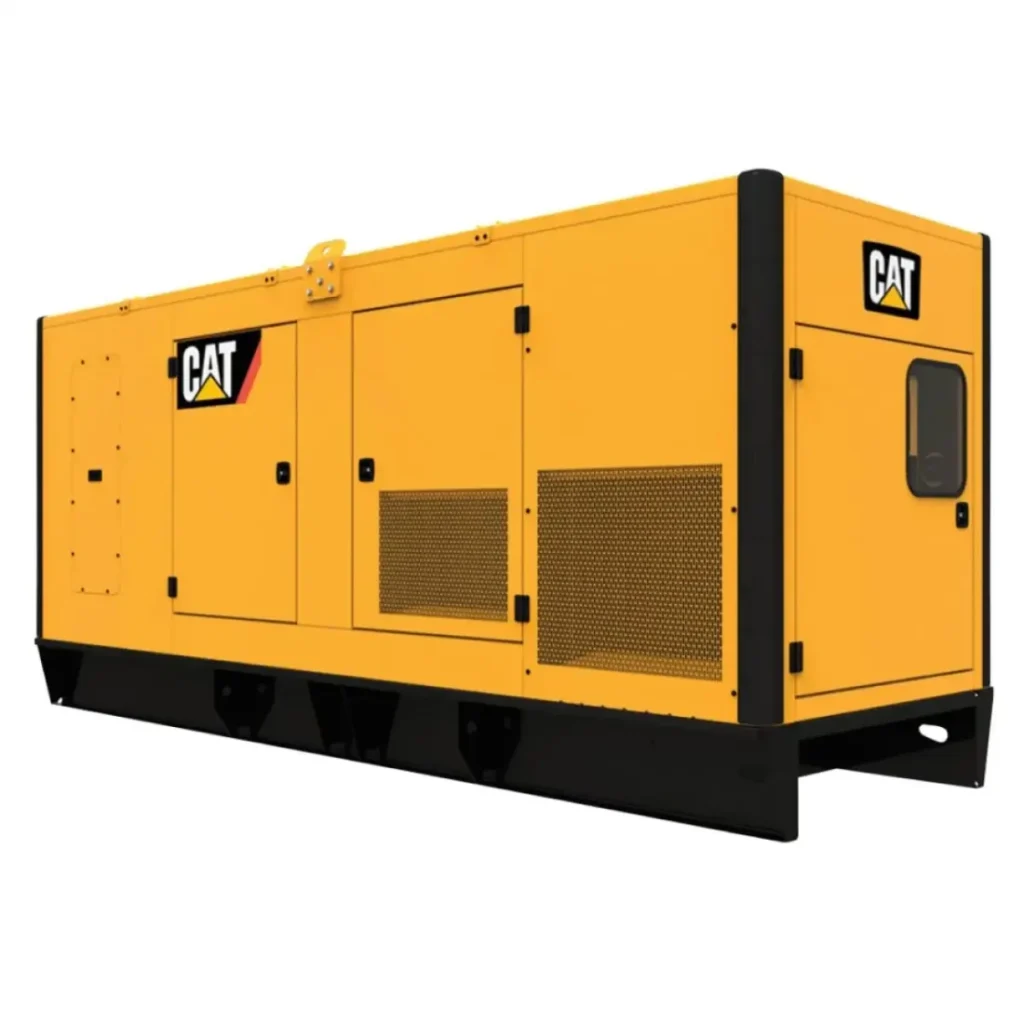
Unlike portable petrol generators that are designed to run a few lights and appliances, a 17kVA standby diesel generator is capable of supplying power to an entire distribution board when correctly sized and professionally installed.
The key is understanding your home’s maximum demand, rather than simply adding together the wattage of every appliance you own.
If you’re unsure how to calculate your property’s electrical demand, our generator sizing guide explains how to determine the correct generator capacity based on your appliances, starting loads and future power requirements.
Understanding What 17kVA Actually Means
Many buyers confuse kVA and kW, yet the difference is important when selecting a generator.
- kVA (kilovolt-amperes) measures apparent power.
- kW (kilowatts) measures the real power available to operate equipment.
For most residential applications:
17kVA × 0.8 = approximately 13.6kW
This means your generator can comfortably supply around 13,600 watts under normal operating conditions.
The power that our 17kVA generator can supply is shared by all the appliances that are running at the time. We need to think about how things we will be using at the same time when we choose a 17kVA generator.
What Can a 17kVA Generator Power?
One of the biggest advantages of a 17kVA generator for house applications is its versatility. When loads are managed correctly, it can keep almost every essential service operating during an outage.
Typical appliances include:
| Appliance | Typical Power Requirement |
|---|---|
| LED lighting throughout the house | 200–600W |
| Refrigerator | 150–300W |
| Chest freezer | 150–300W |
| Television | 100–250W |
| Fibre router and Wi-Fi | 20–50W |
| Home office equipment | 300–600W |
| Security system | 100–300W |
| Electric gate motor | 500–800W (intermittent) |
| Borehole pump | 750–2,200W |
| Pool pump | 750–1,500W |
| Microwave | 1,000–1,500W |
| Kettle | 2,000–3,000W |
| Washing machine | 500–2,000W |
| Dishwasher | 1,500–2,000W |
| Air conditioner | 1,200–3,500W |
Because many of these appliances cycle on and off, they rarely all operate at full power simultaneously.
Can It Really Run an Entire House?
For many South African homes, the answer is yes.
A typical four-bedroom home may include:
- Interior and exterior lighting
- Refrigerator and freezer
- Television and entertainment systems
- Fibre internet
- Alarm system and CCTV
- Electric fencing
- Gate motor
- Borehole pump
- Pool pump
- Several plug circuits
- Home office equipment
A correctly sized 17kVA generator can comfortably support these loads, provided that several heavy-demand appliances are not all switched on at the same time.
For homes with lower electrical requirements, a 16kVA diesel generator may provide a more cost-effective backup power solution while still supporting essential household appliances during load shedding.
Appliances That Require Careful Load Management
Certain appliances consume significantly more electricity than others.
Examples include:
- Electric ovens
- Electric stoves
- Instant water heaters
- Large geysers
- Central air-conditioning systems
- Underfloor heating
- Industrial workshop machinery
- EV chargers
Running several of these together can quickly exceed the generator’s available capacity.
This is why experienced generator suppliers perform a load assessment before recommending a particular model.
How Load Management Makes a Huge Difference
Many homeowners assume they need a much larger generator than they actually do.
In practice, good load management often allows a 17kVA unit to perform exceptionally well.
For example:
Instead of running:
- Oven
- Dishwasher
- Washing machine
- Tumble dryer
- Two geysers
all at once, these loads can simply be staggered.
This significantly reduces the required generator size while lowering fuel consumption and purchase costs.
Modern Automatic Transfer Switches or load management systems can also choose which things are really important.
This means that the things you really need, like your fridge will still have power even if you start using things at the same time. Load management is really important. It makes a huge difference.
Single-Phase or Three-Phase?
This is one of the most common questions we receive.
Most South African residential properties use single-phase electricity, while larger homes, agricultural properties and luxury residences may have three-phase electrical supplies.
Before purchasing any generator, always confirm:
- Your incoming electrical supply
- Main breaker size
- Distribution board configuration
- Largest motor loads
- Future electrical expansion plans
Installing the wrong phase configuration can lead to unnecessary costs and compatibility issues.
If you are unsure which electrical configuration is suitable for your property, our Single-Phase vs Three-Phase Generator Guide explains the differences and helps you choose the correct generator setup.
Is a 17kVA Generator Suitable for Load Shedding?
Absolutely.
A 17kVA generator for house installations has become increasingly popular because it provides enough capacity for comfortable living during extended Eskom outages without moving into the much higher purchase price of larger industrial generators.
For many homeowners, it strikes an excellent balance between:
- Purchase cost
- Fuel efficiency
- Maintenance costs
- Noise levels
- Available power
Rather than choosing the biggest generator available, selecting one that closely matches your actual electrical demand often delivers better long-term value and lower operating costs.
Factors That Determine Whether a 17kVA Generator Is Large Enough
No two homes have identical power requirements.
Several factors influence whether this generator size is suitable.
Size of the Property
A modern three-bedroom home with gas cooking and gas water heating requires far less electrical power than a large luxury residence relying entirely on electricity.
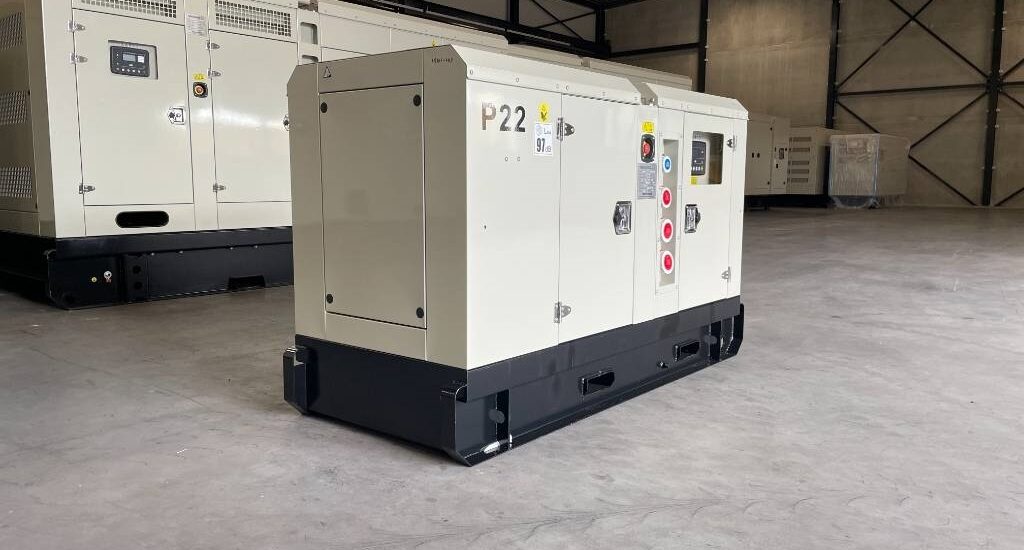
Larger homes with multiple air conditioners, electric appliances, borehole systems and higher electrical demand may require additional capacity. In these cases, a 22kVA diesel generator may provide the extra power reserve needed for reliable whole-house backup.
Number of Occupants
More occupants generally mean more appliances operating simultaneously.
Morning and evening peak demand often determines the generator size required.
Heating and Cooking Methods
Homes using:
- Gas stoves
- Gas geysers
- Solar water heating
typically require a much smaller generator than all-electric homes.
Conversely, if your home relies heavily on electric ovens, geysers and underfloor heating, your peak electrical demand increases significantly.
Starting Current of Motors
Many appliances draw a much higher current during start-up than during normal operation.
Examples include:
- Borehole pumps
- Pool pumps
- Air compressors
- Refrigeration systems
- Large air-conditioning units
A professional sizing calculation considers both running load and starting load to ensure the generator can handle these short bursts without tripping or experiencing excessive voltage drop.
Expert Advice from Power Stay Solutions
After helping customers across South Africa select backup power systems for homes, farms, offices and commercial properties, one of the most common mistakes we see is choosing a generator based purely on its kVA rating.
A generator should never be selected because a neighbour has the same size or because an online forum recommends it. Every property has a different electrical demand.
A professional load assessment considers:
- Total running load
- Peak starting current
- Single-phase or three-phase supply
- Future expansion
- Automatic Transfer Switch (ATS) requirements
- Fuel consumption expectations
- Runtime requirements during prolonged outages
In many cases, a properly sized 17kVA generator provides better performance and lower operating costs than an oversized generator running well below its optimal load.
Common Mistakes When Choosing a Home Generator
Avoiding these mistakes can save thousands of rands and prevent ongoing reliability issues.
1. Adding Every Appliance Together
Many people total the wattage of every appliance in the house and assume they all run simultaneously.
In reality, most appliances cycle on and off throughout the day. A professional demand calculation gives a far more accurate picture.
2. Ignoring Starting Loads
Electric motors can draw two to three times their normal running current when starting.
If this isn’t considered, the generator may struggle to start pumps or compressors, even if the running load appears acceptable.
3. Buying the Cheapest Generator
Price is important, but it shouldn’t be the only deciding factor.
A quality diesel generator generally offers:
- Better fuel efficiency
- Longer engine life
- Improved voltage regulation
- Easier access to spare parts
- Lower lifetime operating costs
A cheaper unit can quickly become expensive if reliability, servicing or parts availability become an issue.
4. Overlooking Installation Requirements
A generator works only if it is set up correctly.
Using cables that’re too thin, not enough air flow, not enough grounding or a generator that is not connected properly can cause dangers and bad performance. Standby generators should always be installed in accordance with applicable South African electrical installation standards by qualified professionals.
Always hire trained people who know the rules, in South Africa.
For a detailed explanation of the electrical, safety and compliance requirements involved, read our Generator Installation Requirements in South Africa guide before installing a standby generator.
Always use qualified professionals familiar with South African electrical standards.
5. Forgetting About Future Growth
Think beyond today’s needs.
If you’re planning to add:
- Solar integration
- A borehole
- Additional air conditioners
- Home offices
- Workshops
- EV charging
your generator should be sized with some spare capacity rather than operating continuously at its maximum output.
Buying Advice: Is a 17kVA Generator the Right Choice?
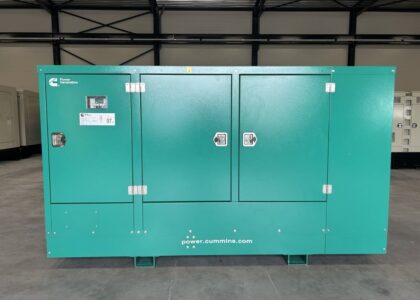
A 17kVA generator is an excellent option if your priority is reliable backup power for a medium to large home without paying for unnecessary capacity. For homeowners looking for a dependable standby power solution, our 17kVA diesel generator provides the capacity and reliability required for many residential applications, including larger homes, smallholdings and properties affected by regular power interruptions.
It is particularly well suited to:
- Four to five-bedroom homes
- Smallholdings
- Farms
- Guest houses
- Home offices
- Luxury homes with sensible load management
But if you use a lot of appliances at the same time like electric geysers, ovens, air conditioning and machinery you might want a bigger generator. It could be a choice in the long run.
The best way to decide is to get an electrical load assessment. Do not just guess, get an assessment to make the right decision, about a 17kVA generator.
Pros and Cons of a 17kVA Generator
| Advantages | Considerations |
|---|---|
| Powers most medium to large homes | Heavy electrical loads may require careful management |
| Fuel-efficient compared with larger generators | Professional installation is essential |
| Suitable for standby and extended outages | Higher initial cost than portable generators |
| Can support Automatic Transfer Switch (ATS) systems | Requires routine servicing to maintain reliability |
| Ideal for residential and light commercial use | Incorrect sizing can limit performance |
Frequently Asked Questions
1. Can a 17kVA generator run a whole house during load shedding?
Yes. A 17kVA generator can run a house in many South African homes. This is because a 17kVA generator can power the property.. The total electrical demand has to be, within the 17kVA generators capacity.
2. How many appliances can a 17kVA generator run?
There is no number of appliances that a 17kVA generator can run. It really depends on the combined power demand of the appliances that are operating at the time. It does not matter how many appliances are connected to the 17kVA generator. What matters is the power demand of the appliances that are running.
3. Can it run an electric geyser?
Yes a 17kVA generator can run a geyser.. Electric geysers use a lot of power. So if you are running other heavy appliances you need to manage the load of the 17kVA generator.
4. Will a 17kVA generator power an air conditioner?
Yes a 17kVA generator can power an air conditioner. Most residential air conditioners can be powered by a 17kVA generator.. If you have a larger central air conditioning system you may need a bigger 17kVA generator or an additional capacity to power the air conditioner.
5. Is diesel better than petrol for home backup power?
For standby installations diesel generators generally offer better fuel efficiency longer service life and improved durability compared with petrol models.
6. How much fuel does a 17kVA diesel generator use?
Fuel consumption varies depending on the load. At 75% load many 17kVA diesel generators consume between 2.5 and 4 litres per hour although this differs between manufacturers and engine models.
7. Can I connect the generator directly to my house?
No. A standby generator should be connected through an installed changeover switch or Automatic Transfer Switch (ATS) by a qualified electrician. This protects your home. Prevents electricity from feeding back into the utility network.
8. Is a 17kVA generator noisy?
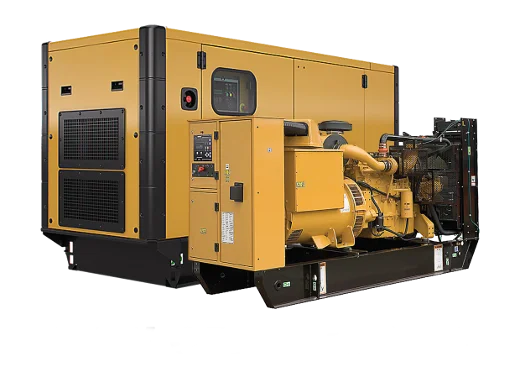
Modern canopy-enclosed diesel generators are significantly quieter than open-frame models. Noise levels vary by manufacturer. Are generally suitable, for residential installations when correctly positioned.
9. Does a generator need regular servicing?
Yes. Routine maintenance, including oil changes, filter replacement and periodic testing is essential to ensure performance during power outages.
For a detailed maintenance schedule and expert tips on extending equipment lifespan, read our How to Maintain a Diesel Generator for Long Life guide.
10. How do I know if 17kVA is the correct size?
The reliable method is to have your propertys electrical load professionally assessed. This ensures the generator is neither undersized nor unnecessarily oversized.
Conclusion
A 17kVA generator for house installations offers an excellent balance of power, efficiency and value for many South African homeowners. It is capable of running most essential household appliances—and, in many cases, an entire home—provided the generator has been correctly sized and heavy electrical loads are managed sensibly.
Picking the generator is not just about the kVA number. The electrical system of your property the highest amount of power used at one time plans for growing in the future. The setup needed all are very important when choosing a system that gives reliable performance for many years.
If you are not sure if a 17kVA generator is the choice getting help, from an expert before buying can save you extra money and make sure your backup power system fits what you need.
Speak with the Power Stay Solutions team for expert guidance on generator sizing, installation requirements and the best backup power option for your property, or request a generator quotation tailored to your specific requirements.
Request Expert Advice
If you’re considering a 17kVA generator for house use or need guidance on selecting the right standby generator for your property, the team at Power Stay Solutions can help.
We can assess your electrical requirements, recommend the most suitable generator size and provide advice on installation, Automatic Transfer Switch (ATS) options and ongoing maintenance.
To understand more about our experience, services and commitment to reliable backup power solutions, you can learn more about Power Stay Solutions.
Explore our diesel generator range to compare available models for homes, farms, businesses and industrial applications, or request a tailored quotation based on your specific power requirements.