Introduction
If you’re wondering what can a 12.5kVA generator run, the short answer is: quite a lot—but not necessarily everything in a home or business at the same time. The real answer depends on the generator’s kW rating, the running load of your equipment and, crucially, the starting current of motors such as pumps, compressors and air conditioners.
For South African homes, farms, offices, shops and small businesses, a 12.5kVA diesel generator can be a very useful backup-power size. The trick is sizing it against your actual electrical load, rather than simply adding the numbers printed on appliances.
This guide explains exactly how to approach the calculation and where a 12.5kVA generator starts to become too small.
How Much Power Does a 12.5kVA Generator Actually Produce?
The first mistake customers make is treating 12.5kVA as 12.5kW. They are related, but they aren’t the same measurement.
kVA represents apparent power, while kW represents the usable real power consumed by electrical equipment. The relationship depends on the power factor of the load.
For a generator operating at a power factor of 0.8:
12.5kVA × 0.8 = 10kW
That gives you roughly 10kW of usable real power at the rated load. For applications that fall comfortably within this range, a 12.5kVA diesel generator for reliable backup power can provide a practical solution for homes, farms, offices and smaller commercial properties.
However, you should not plan to run a generator continuously at its absolute maximum. A sensible installation leaves some operating margin for load changes, motor starting currents and future equipment.
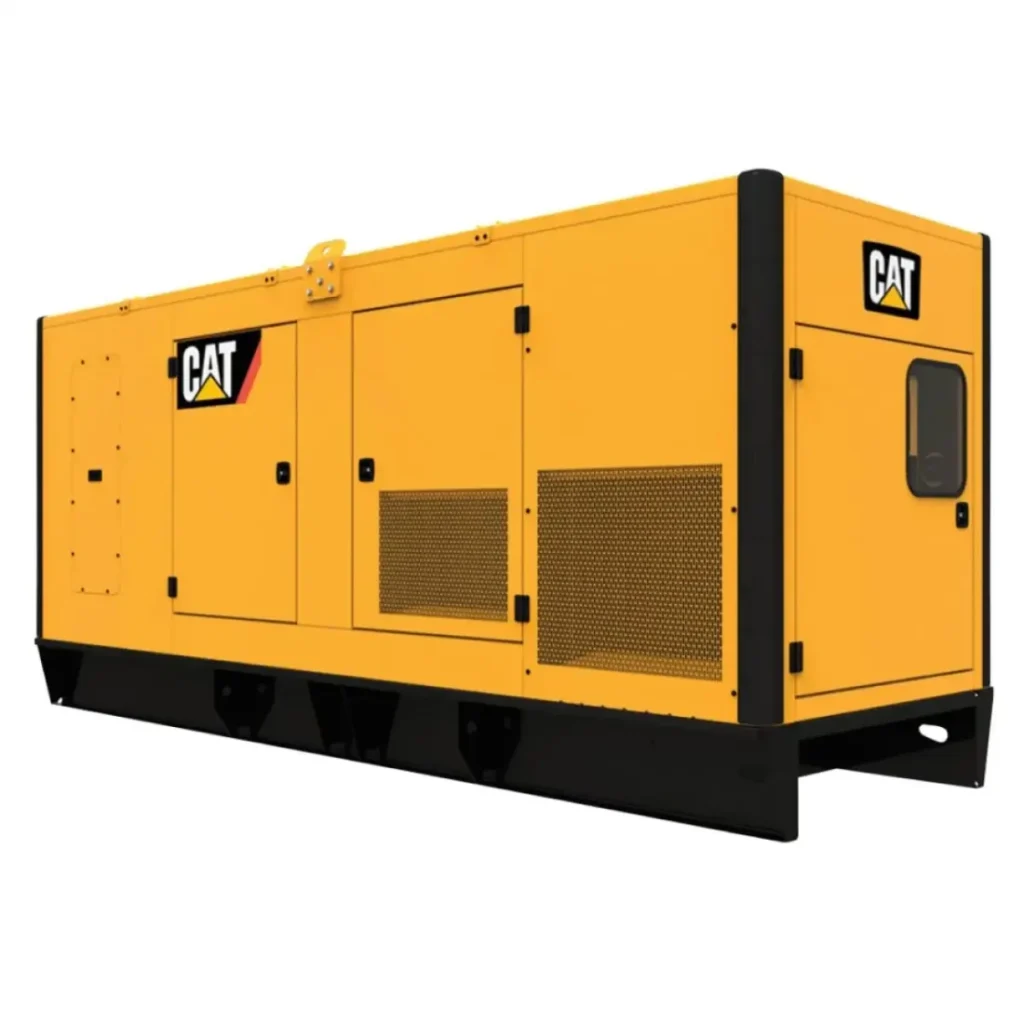
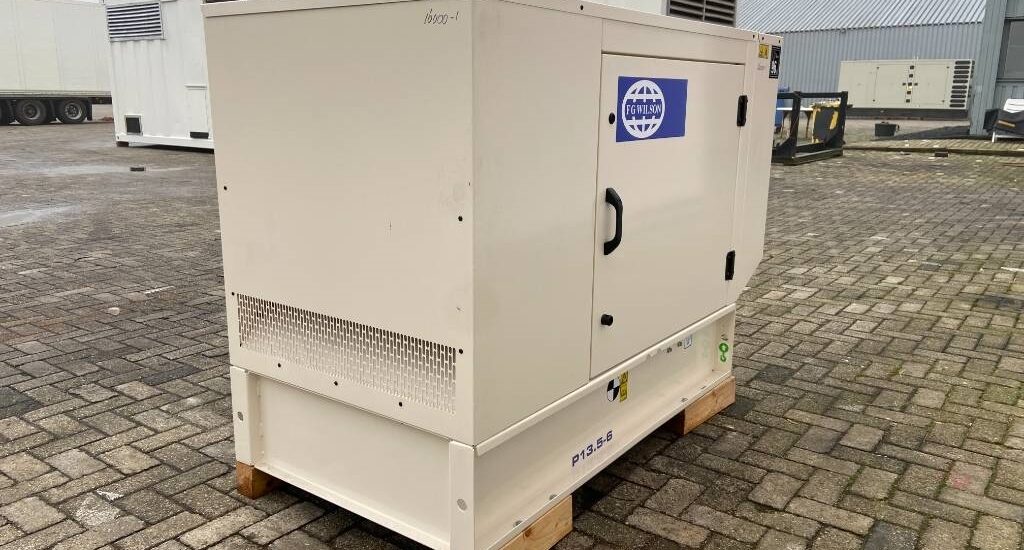
For example, the Hyundai DHY12500SE is specified at 12.5kVA / 10kW rated power, with a higher standby rating of 13.75kVA / 11kW. It is a 230V single-phase diesel generator with AVR voltage regulation.
That distinction matters when you’re deciding what can a 12.5kVA generator run.
What Can a 12.5kVA Generator Run?
A properly sized 12.5kVA generator can typically handle a combination of household, commercial and agricultural equipment, provided the combined running load and starting demand remain within its capabilities.
Typical equipment may include:
- Refrigerators and freezers
- Lighting circuits
- Televisions and entertainment systems
- Computers and networking equipment
- Wi-Fi equipment
- Security systems and CCTV
- Washing machines
- Microwaves
- Electric kettles
- Office equipment
- Small workshop tools
- Pool pumps
- Borehole pumps, depending on motor size
- Air-conditioning units, depending on their starting requirements
- Selected kitchen appliances
- Small compressors
The important word here is combination.
A generator that can run a 2kW appliance doesn’t necessarily have another 10kW available simply because its nameplate says 12.5kVA. Every other appliance running at the same time contributes to the total load.
12.5kVA Generator Load Example
Here’s a realistic example for a South African home.
| Appliance | Approx. Running Load |
|---|---|
| Fridge/freezer | 300W |
| Lights | 500W |
| TV | 150W |
| Wi-Fi/router/CCTV | 100W |
| Computer | 300W |
| Microwave | 1,200W |
| Washing machine | 800W |
| Electric kettle | 2,000W |
| Pool pump | 1,100W |
| Air conditioner | 1,500W |
| Approximate total | 7,950W |
At approximately 7.95kW, this example is below a 10kW rated output.
But that doesn’t mean you should switch everything on simultaneously without thinking.
The pool pump and air conditioner have motors. Their starting demand can be substantially higher than their normal running consumption. A pump rated at 1.1kW, for example, may require considerably more power for a brief period when starting.
That’s why generator sizing isn’t simply a case of adding appliance wattages.
Can a 12.5kVA Generator Run a House?
Yes, it can run a substantial portion of a typical house, but whether it can run the entire property depends on what is installed.
A modest home with:
- Refrigeration
- Lighting
- TVs
- Internet
- Security systems
- Computers
- Washing machine
- Microwave
- Selected kitchen appliances
may be comfortably within the capacity of a 12.5kVA generator.
A large house with several air conditioners, an electric geyser, electric stove, swimming-pool equipment, borehole pump, underfloor heating and multiple other heavy loads could easily exceed that capacity.
If you’re unsure how much power your household actually needs during an outage, our generator sizing guide for your home can help you work through your essential appliances and determine a suitable generator capacity.
This is where a load-priority system becomes useful.
Instead of trying to power everything, you identify the equipment that genuinely needs backup power and leave non-essential high-load appliances disconnected.
Can a 12.5kVA Generator Run a Business?
It can be a good fit for many smaller commercial operations.
For example, a small office might need:
- Computers
- Monitors
- Internet equipment
- Printers
- Lighting
- Security systems
- CCTV
- Server/network equipment
- Air conditioning
A small retail shop could require refrigeration, point-of-sale equipment, lighting, security systems and selected air conditioning.
A farm might use a generator for lighting, refrigeration, irrigation controls, security systems, pumps and selected workshop equipment.
The question isn’t really “Can a 12.5kVA generator power a business?”
It’s:
“What equipment must remain operational, and what is the combined starting and running load?”
That is the question we use when sizing backup generators for customers. If your business has more demanding electrical requirements, you can also compare diesel generators for commercial applications designed for larger and more varied loads.
What About Pumps, Motors and Air Conditioners?
This is where generator sizing gets more technical.
Resistive appliances such as heaters and some cooking equipment generally have a relatively predictable electrical demand.
Motors are different.
A motor can draw substantially more current while starting than it does once it is running. This is known as starting current or inrush current.
Common examples include:
- Borehole pumps
- Pool pumps
- Refrigeration compressors
- Air conditioners
- Workshop compressors
- Fans
- Some agricultural machinery
A 12.5kVA generator may comfortably operate a motor once it is running but struggle when the motor starts if other heavy loads are already connected.
For a farm or business relying on a borehole, irrigation pump or compressor, don’t size the generator purely from the motor’s running kW. Get the motor’s starting characteristics and have the generator supplier check them.
If your property has pumps, compressors or other motor-driven equipment, our generator sizing and load calculation guide explains how to account for both running loads and starting requirements when choosing the right generator.
12.5kVA Generator: Single-Phase or Three-Phase?
This is another point that gets overlooked.
A single-phase 12.5kVA generator is not automatically interchangeable with a three-phase generator of the same kVA rating.
If your property has three-phase equipment, you need to assess the three-phase load properly. You cannot simply assume that a single-phase generator will supply it.
Three-phase equipment can include:
- Industrial motors
- Large pumps
- Workshop machinery
- Agricultural equipment
- Commercial HVAC systems
- Certain manufacturing equipment
If you’re unsure whether your property is single-phase or three-phase, check your electrical distribution board or electricity supply documentation—or have a qualified electrician inspect it.
If you’re unsure which configuration your property requires, our single-phase vs three-phase generators guide explains the practical differences and when each type is appropriate.
How to Calculate Your Generator Load
You don’t need complicated software for a basic first assessment.
Step 1: List the equipment
Write down every appliance or machine you expect to run during a power outage.
Step 2: Find the rated wattage
Look at the appliance nameplate, technical specification or manufacturer’s documentation.
Step 3: Add the running loads
Add the wattages of the equipment you expect to operate simultaneously.
Step 4: Identify motor loads
Mark pumps, compressors, refrigerators, air conditioners and other motor-driven equipment.
Step 5: Account for starting demand
This is particularly important for larger motors.
Step 6: Leave operating headroom
Don’t deliberately size a generator so that it spends its life operating right at the limit.
If your calculated requirement is already close to 10kW before considering motor starting, a 12.5kVA generator may not be the right choice.
If you want to work through the numbers in more detail, our how to calculate the right generator size guide explains how to assess running loads, starting currents and available capacity before choosing a generator.
How Much Load Should You Put on a 12.5kVA Generator?
There’s no universal percentage that applies to every installation, because the correct operating point depends on the generator design, load characteristics and application.
As a practical approach, however, I would rather see a generator operating with sensible headroom than constantly pushed to its maximum rating.
For a generator rated around 10kW, a connected load of approximately 6–8kW can be much easier to manage than designing the system around a continuous 10kW demand—particularly where motors are involved.
The exact requirement should still be calculated rather than guessed.
Common Mistakes When Sizing a 12.5kVA Generator
Choosing the generator from kVA alone
A 12.5kVA label doesn’t tell you everything. Check the rated kW, phase, voltage and power factor.
Ignoring starting current
This is probably the most common technical mistake.
A pump or compressor can create a short but significant demand when starting.
Trying to power everything
Backup power doesn’t necessarily mean every appliance needs to remain operational.
Prioritise essential circuits.
Forgetting future loads
If you’re installing a generator for a growing business, consider equipment you’re likely to add later.
Confusing standby and prime ratings
Don’t treat a generator’s standby rating as its normal continuous operating capacity. Use the manufacturer’s rated duty and application guidance when sizing the system.
Buying based on another property
Your neighbour’s 12.5kVA generator may be perfectly adequate for their property and completely unsuitable for yours.
The electrical load is what matters.
Expert Advice: Don’t Size From a Shopping List Alone
One of the most common mistakes we see customers make is sending a list of appliances and expecting the correct generator size to be obvious from the total wattage.
It isn’t always.
A 5kW total load made entirely from simple resistive appliances behaves very differently from a 5kW load containing several motors.
After helping customers across South Africa choose backup power systems, our recommendation is straightforward: identify the essential loads, calculate their running demand, identify the largest motor starting requirement and then select the generator with sensible capacity above that calculated requirement.
That approach usually produces a better result than simply buying the next generator size up.
It can also save money. Oversizing a generator unnecessarily means paying for capacity you may rarely use, while undersizing creates nuisance trips, voltage instability and potentially premature equipment wear.
Which Generator Size Should You Consider?
A 12.5kVA unit isn’t the only option.
If your calculated load is lower, a smaller generator may make more financial sense. If your demand is higher, stepping up is safer than trying to squeeze an oversized load onto a 12.5kVA machine.
Once you’ve calculated your essential load, you may find that a 12.5kVA generator is either larger than necessary or too close to its operating limit. The right alternative depends on the actual demand, motor starting requirements and the amount of headroom you want.
For lighter household requirements, 7kVA generators for essential home loads can be a sensible option when the backup circuit is limited to lighting, refrigeration, security and basic appliances.
If the property needs a little more capacity, 9kVA generators for smaller backup systems can accommodate a broader combination of household or light commercial equipment without moving unnecessarily far up the size range.
A calculated load around the 8kW region may also make 10kVA generators for higher essential loads worth considering, particularly where the equipment list is relatively straightforward and doesn’t contain large starting loads.
If your requirement is just beyond the practical range of a 12.5kVA machine, 14kVA generators for additional load headroom can provide useful capacity for starting currents and occasional increases in demand.
For properties with several simultaneous loads, 16kVA generators for higher-demand backup applications may be more appropriate, particularly where pumps, compressors or air-conditioning systems are involved.
A business with a larger combination of refrigeration, HVAC, IT equipment and general electrical loads may benefit from 17kVA generators for larger commercial backup requirements.
Once the calculated requirement moves substantially beyond the 12.5kVA range, it makes more sense to look at 20kVA generators for substantial commercial loads rather than expecting a smaller generator to operate continuously near its limit.
For heavier commercial applications involving multiple motors or machinery, 22kVA generators for demanding commercial power requirements provide another practical step up in capacity.
Where the load calculation includes several high-demand systems or significant starting requirements, 25kVA generators for larger commercial installations may offer the operating margin that a smaller unit cannot provide.
For still larger requirements, 28kVA generators for high-demand commercial and industrial applications can be considered where the calculated load has moved well beyond the 12.5kVA range.
For example, a customer whose calculated requirement is above a 12.5kVA unit may want to compare a 14kVA or 16kVA generator, while a larger commercial installation may need to consider a 20kVA, 22kVA, 25kVA or 28kVA generator. If you’re comparing different capacities based on your calculated load, you can view our range of diesel generators from 7kVA to 28kVA to find a suitable option.
Installation Matters Just as Much as Generator Size
A correctly sized generator can still create problems if it is poorly installed.
Installation should consider:
- Generator positioning
- Ventilation and cooling
- Exhaust routing
- Fuel storage
- Earthing
- Electrical protection
- Changeover arrangements
- Automatic transfer switching where required
- Noise and proximity to occupied areas
- Safe access for servicing
The electrical connection between the generator and building must be designed and installed correctly. Don’t improvise a changeover arrangement or connect a generator to a building supply using unsafe methods. For further information on applicable standards and technical requirements, you can refer to the South African National Standards for electrical and technical compliance published through the SABS Standards Division.
South African National Standards are developed and maintained through the SABS Standards Division, which covers a wide range of technical areas relevant to electrical installations and equipment.
For installations involving permanent electrical connections, automatic changeover systems or larger commercial equipment, professional generator installation services can help ensure the system is installed safely, correctly and in accordance with the applicable requirements.
How a 12.5kVA Generator Fits Into a Backup Power Plan
A generator is most useful when you know exactly what it is expected to protect.
For a home, that might mean refrigeration, lighting, security, internet, selected kitchen equipment and one or two comfort loads.
For a business, it could mean keeping IT equipment, lighting, security, refrigeration, communications and critical machinery operating.
For a farm, the priorities may be pumps, refrigeration, security and essential agricultural systems.
The generator should be selected around those priorities—not around an arbitrary number.
For current information about South Africa’s electricity supply and load-shedding schedules, customers can check the official Eskom load-shedding information before planning their backup-power requirements.
Frequently Asked Questions
1. Can a 12.5kVA generator run a house?
Yes. A 12.5kVA generator can run things you have in your house but it depends on how much power all these things use together. The 12.5kVA generator can supply power to typical household loads.
2. How many watts is 12.5kVA?
This is a bit tricky. The answer depends on the power factor. If the power factor is 0.8 then 12.5kVA is 10kW.
3. Can a 12.5kVA generator run an air conditioner?
Usually a 12.5kVA generator can run an air conditioner.. You have to make sure the air conditioner does not use too much power when it starts up. You also have to think about the things that are using power at the same time.
4. Can a 12.5kVA generator run a borehole pump?
Maybe. It depends on the size of the pump and how power it uses when it starts. You have to think about the rest of the power that your house is using too.
5. Can a 12.5kVA generator run a geyser?
A geyser uses a lot of power. So you have to be careful when you add it to the power that your house is using. You might have to turn it off if you need to use important things at the same time. The 12.5kVA generator has to be able to handle the power that the geyser uses.
6. Can a 12.5kVA generator run a stove?
It depends on the stove and how many elements are operating. A large electric stove can consume a substantial portion of the generator’s available capacity.
7. Is 12.5kVA enough for a small business?
It can be. Offices, shops, small workshops and similar businesses may fit comfortably within this range if their essential loads are properly selected.
8. Can I run a pool pump from a 12.5kVA generator?
Often yes, but the pump’s starting current must be considered. It is particularly important if other motors are starting at the same time.
9. Should a 12.5kVA generator run at full load?
It can be designed to operate at its rated load, but deliberately running continuously at the limit leaves little room for load changes or starting demands. Proper sizing should provide sensible operating headroom.
10. Do I need a single-phase or three-phase generator?
That depends on your electrical supply and equipment. A three-phase property or machinery requiring three-phase power needs a suitably rated three-phase generator.
11. Can I connect a 12.5kVA generator directly to my house?
Not by simply plugging it into a wall socket. A proper generator connection, changeover arrangement, protection and earthing must be designed and installed safely by a suitably qualified professional.
12. How do I know if 12.5kVA is enough for my property?
List the equipment you need during an outage, calculate the simultaneous running load, identify motor starting requirements and compare the result against the generator’s rated kW and kVA output. For anything more complex than a straightforward household installation, have the load assessed professionally.
Conclusion
So, what can a 12.5kVA generator run?
For many South African homes, farms, offices and small businesses, a 12.5kVA diesel generator can provide substantial backup power for essential equipment. A typical unit in this class can deliver around 10kW of rated real power, but the actual usable capacity depends on the generator specification, load characteristics and starting requirements.
The safest approach is not to count appliances blindly. Identify what must operate during an outage, calculate the simultaneous load, account for motors and compressors, and leave sensible capacity available for starting and changing loads.
If your calculated requirement sits close to the generator’s maximum rating, don’t force the issue. A slightly larger generator may provide a much more reliable and longer-lasting solution.
If you’re unsure whether 12.5kVA is sufficient for your property, Power Stay Solutions can help you work through the load requirements and identify a generator size that makes technical and financial sense. You can view our diesel generator range to compare the available options before requesting a quotation.