17kVA Generator Maintenance Checklist for Long-Term Reliability
A 17kVA generator that is well taken care of is something that a business in South Africa can really count on. A lot of companies in South Africa use a 17kVA generator to keep things going when the power is out like during load shedding or when the grid’s down. Businesses relying on standby power should monitor Eskom load shedding schedules and electricity supply updates when planning generator maintenance, testing and backup power readiness.
If you do not take care of your 17kVA generator it can break down. Cost a lot to fix and it will not use fuel as well as it should. This guide explains 17kVA generator maintenance in practical terms, covering the inspections, servicing intervals and preventative measures that help maximise reliability, extend engine life and reduce costly downtime.
Why Regular 17kVA Generator Maintenance Matters
A diesel generator is designed to operate under demanding conditions, but it is not a machine that can simply be started during load shedding and forgotten afterwards. Every running hour places wear on engine components, lubricating oil, cooling systems and electrical connections.
Routine 17kVA generator maintenance keeps these components operating within manufacturer specifications while helping identify small issues before they become expensive failures.
For businesses, in South Africa if the generator breaks down it can cause a lot of trouble. This includes:
- Production delays
- Lost revenue
- Spoiled refrigerated stock
- IT system downtime
- Security system interruptions
- Delayed customer service
Routine servicing significantly reduces these risks while improving overall operating efficiency.
How Maintenance Improves Reliability
A properly maintained generator offers several long-term advantages:
- Easier starting during power failures
- Improved fuel efficiency
- Lower operating costs
- Reduced engine wear
- Longer service life
- More stable voltage output
- Lower risk of emergency repairs
- Greater confidence during extended load shedding
Many manufacturers design diesel generators to operate reliably for thousands of hours, provided recommended maintenance intervals are followed.
Understanding How a 17kVA Diesel Generator Works
Understanding the basic operation of your generator makes maintenance easier.
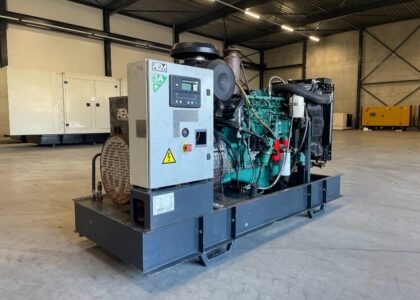
A typical 17kVA diesel generator consists of several major systems working together:
| Component | Purpose | Maintenance Importance |
|---|---|---|
| Diesel engine | Produces mechanical power | Oil, filters and coolant require regular servicing |
| Alternator | Produces electrical power | Must remain clean and dry |
| Fuel system | Delivers diesel to the engine | Clean fuel prevents injector damage |
| Cooling system | Controls engine temperature | Prevents overheating |
| Lubrication system | Reduces engine wear | Fresh oil protects internal components |
| Battery | Starts the generator | Weak batteries are one of the leading causes of starting failures |
| Control panel | Monitors generator performance | Regular inspections identify warning alarms early |
Because each system depends on the others, neglecting one maintenance item often creates additional problems elsewhere.
Complete 17kVA Generator Maintenance Checklist
The most effective maintenance programmes follow a structured schedule rather than waiting until something goes wrong.
Although manufacturers publish their own maintenance intervals, the following checklist provides an excellent preventative maintenance programme for most commercial and industrial applications in South Africa.
Daily Checks (or Before Every Use)
Generators used regularly should receive a quick visual inspection before every operation.
Daily inspections typically take less than ten minutes and often identify problems before they become serious.
Check Engine Oil Level
Low engine oil is one of the fastest ways to damage a diesel engine.
Before starting the generator:
- Check the dipstick
- Ensure the oil level falls within the recommended range
- Look for signs of contamination
- Never overfill the engine
If oil consumption suddenly increases, investigate immediately rather than repeatedly topping it up.
Inspect Coolant Level
An overheating engine can cause severe internal damage.
Inspect:
- Radiator coolant level
- Expansion tank
- Coolant colour
- Signs of leaks
- Damaged hoses
Never remove the radiator cap while the engine is hot.
Check Fuel Supply
Running out of diesel introduces air into the fuel system and may require bleeding before the generator can restart.
Confirm:
- Adequate fuel level
- No visible contamination
- Water separator condition
- Fuel tank cap securely fitted
Using clean, high-quality diesel greatly improves injector life.
Look for Fluid Leaks
Walk around the generator before starting.
Check underneath for:
- Engine oil leaks
- Diesel leaks
- Coolant leaks
- Hydraulic fluid (where applicable)
Even small leaks should be repaired promptly before they worsen.
Inspect the Battery
A flat battery remains one of the most common reasons standby generators fail to start.
Look for:
- Loose terminals
- Corrosion
- Damaged cables
- Low electrolyte level (where applicable)
- Battery charger operation
Clean terminals help ensure reliable starting.
Check the Control Panel
Before starting, verify:
- No active alarms
- Emergency stop released
- Correct operating mode
- Battery charging indicator functioning
Modern digital controllers often provide early warning signs long before mechanical problems become obvious.
Weekly Maintenance Checks
Even generators that rarely run should be exercised every week.
Running the engine under load helps circulate lubricating oil, prevents internal corrosion and keeps seals properly lubricated.
Perform an Operational Test
Start the generator and allow it to reach normal operating temperature.
Monitor:
- Oil pressure
- Engine temperature
- Battery charging voltage
- Frequency stability
- Output voltage
Listen carefully for:
- Unusual knocking
- Belt squeal
- Air leaks
- Exhaust leaks
- Excessive vibration
Any change in normal operating sound deserves investigation.
Inspect the Air Filter
A blocked air filter restricts airflow, increasing fuel consumption and reducing engine performance.
Inspect for:
- Excessive dust
- Debris
- Oil contamination
- Damage
South African mines, farms and construction sites often require more frequent air filter inspections because of dusty operating conditions.
Check Belts and Hoses
Inspect all visible belts for:
- Cracking
- Fraying
- Glazing
- Incorrect tension
Also inspect coolant hoses for:
- Bulging
- Hardening
- Soft spots
- Loose clamps
Replacing inexpensive belts before failure is far cheaper, than dealing with an overheating engine.
Monthly Maintenance Checks
Monthly inspections provide a more thorough assessment of generator condition and are especially important for standby units that operate infrequently.
Test the Generator Under Load
One of the biggest mistakes owners make is allowing a standby generator to idle without ever carrying a meaningful electrical load.
We should test our generator every month to see if it can really handle the power it needs to. This way we can be sure that our generator will work when the power goes out for real.
Monitor:
- Voltage stability
- Frequency
- Engine response
- Fuel consumption
- Exhaust smoke
- Cooling system performance
Where possible, operate the generator at a realistic percentage of its rated capacity rather than allowing it to idle for extended periods.
Inspect the Exhaust System
Check the exhaust system for:
- Loose clamps
- Rust
- Cracks
- Damaged insulation
- Excessive soot
Exhaust leaks are not only inefficient but may also create serious health and safety hazards if generators operate near occupied buildings.
Clean the Generator
Keeping the generator clean makes routine inspections much easier.
Remove:
- Dust
- Leaves
- Oil residue
- Mud
- Debris around ventilation openings
A clean generator runs cooler and allows maintenance technicians to identify developing problems more quickly.
You really need to clean the generator a lot if it’s outside or, in a farm or a factory. These places get dirty fast.
Quarterly Maintenance Checks
Quarterly servicing goes beyond routine inspections and focuses on replacing wear items before they affect performance. If your 17kVA generator operates frequently during periods of load shedding or as a prime power source, these tasks may need to be completed sooner based on the manufacturer’s recommended service hours.
Change the Engine Oil and Oil Filter
Fresh engine oil is essential for protecting moving parts from friction and heat.
Over time, oil breaks down and becomes contaminated with soot, moisture and microscopic metal particles. Continuing to operate with degraded oil increases engine wear and can shorten the generator’s service life.
A typical oil service includes:
- Draining the old engine oil
- Replacing the oil filter
- Refilling with the manufacturer-approved oil grade
- Checking for leaks after restarting
You should always use good engine oil that is right, for your generators engine. Use the kind of oil that the manufacturer says you should use for your 17kVA generator.
If your generator is powered by a Perkins engine, reviewing Perkins diesel engine maintenance recommendations can help you understand the manufacturer’s service intervals and maintenance best practices.
Replace the Fuel Filter
Dirty fuel is one of the leading causes of diesel engine problems.
The fuel filter removes contaminants before they reach sensitive components such as the fuel injection pump and injectors.
A blocked filter may cause:
- Hard starting
- Reduced power
- Increased fuel consumption
- Engine misfires
- Unexpected shutdowns
If your generator is supplied from a bulk diesel tank, fuel quality should also be monitored regularly to reduce contamination.
Inspect the Cooling System
South Africa’s climate can place additional strain on generator cooling systems, particularly during summer or in areas with high ambient temperatures.
Inspect:
- Radiator fins for dirt and blockages
- Coolant concentration
- Hose clamps
- Fan blades
- Water pump
- Radiator cap
Cleaning the radiator is an idea because it helps the air flow and this can prevent the generator from getting too hot when it is working very hard.
The Cooling System and the Fuel Filter are both very important, for the generator.
Check Electrical Connections
Vibration naturally loosens electrical connections over time.
Inspect:
- Battery terminals
- Alternator wiring
- Earth connections
- Control panel terminals
- Automatic Transfer Switch (ATS) connections, where installed
Loose connections can cause voltage instability, overheating and intermittent faults that are often difficult to diagnose.
Annual Maintenance
An annual service should be carried out by a qualified generator technician. Even if the generator has accumulated relatively few operating hours, age-related deterioration still affects seals, batteries, coolant and rubber components. Generator installations and electrical work should comply with applicable South African electrical installation standards and be carried out by qualified professionals to ensure safety, compliance and reliable operation.
A comprehensive annual 17kVA generator maintenance service typically includes:
- Full engine inspection
- Engine oil and filter replacement
- Fuel filter replacement
- Air filter replacement
- Coolant inspection or replacement
- Battery load testing
- Alternator testing
- Governor adjustment (if required)
- Valve clearance inspection (where applicable)
- Exhaust system inspection
- Control panel diagnostics
- ATS operational testing
- Full load bank testing where necessary
This level of servicing provides confidence that the generator will perform reliably when required.
Recommended 17kVA Generator Maintenance Schedule
The table below provides a practical maintenance schedule suitable for most standby generators. Always refer to the manufacturer’s service intervals if they differ.
| Maintenance Task | Daily | Weekly | Monthly | Quarterly | Annually |
|---|---|---|---|---|---|
| Check engine oil | ✓ | ||||
| Check coolant | ✓ | ||||
| Inspect fuel level | ✓ | ||||
| Inspect for leaks | ✓ | ||||
| Check battery | ✓ | ✓ | |||
| Exercise generator | ✓ | ||||
| Inspect air filter | ✓ | ✓ | |||
| Load test generator | ✓ | ✓ | |||
| Change engine oil | ✓* | ✓ | |||
| Replace oil filter | ✓* | ✓ | |||
| Replace fuel filter | ✓ | ✓ | |||
| Inspect electrical connections | ✓ | ✓ | |||
| Professional service | ✓ |
*Depending on engine hours and manufacturer recommendations.
Common 17kVA Generator Maintenance Problems and How to Fix Them
Even with a good maintenance routine, issues can still arise. The difference is that well-maintained generators usually show warning signs before a major failure occurs.
Generator Will Not Start
Possible causes include:
- Flat or failed battery
- Low fuel level
- Blocked fuel filter
- Emergency stop activated
- Faulty starter motor
- Low oil shutdown
Start with the simple checks before assuming a major mechanical problem.
Excessive Black Smoke
Black exhaust smoke usually indicates incomplete combustion.
Possible causes include:
- Dirty air filter
- Overloading the generator
- Poor fuel quality
- Injector problems
Ignoring persistent black smoke can increase fuel consumption and damage engine components.
High Engine Temperature
Overheating is often linked to poor maintenance.
Common causes include:
- Low coolant level
- Dirty radiator
- Faulty thermostat
- Worn fan belt
- Cooling fan failure
Stop the generator if overheating alarms appear and investigate before restarting.
Low Oil Pressure
Low oil pressure should never be ignored.
Possible causes include:
- Low oil level
- Incorrect oil grade
- Worn oil pump
- Blocked oil filter
- Internal engine wear
Keeping the engine running with low oil pressure can lead to serious damage, to the engine.
Battery Continually Goes Flat
Standby generators often sit unused for weeks, making battery health especially important.
Possible reasons include:
- Faulty battery charger
- Old battery
- Corroded terminals
- Loose connections
- Excessive parasitic electrical drain
Routine charging system inspections help prevent unexpected starting failures.
Expert Advice
After helping businesses across South Africa maintain backup power systems, one pattern appears repeatedly: the generators that receive consistent preventative maintenance almost always outlast those that are only serviced after something goes wrong.
One of the most common mistakes we see customers make is assuming that a generator with low running hours doesn’t need servicing. In reality, diesel fuel can deteriorate over time, batteries naturally lose capacity, coolant additives break down and seals age, even if the engine hasn’t been used much.
Another problem is when generators are not used at the level. If you run a diesel generator at a low level for a long time it can cause problems like carbon building up in the engine and exhaust system. This is sometimes called stacking. If you use the generator with the amount of electricity it will run cleaner and more efficiently.
It is also very important to keep track of when you service your generator. If you write down every time you change the oil replace the filters inspect the generator and how hours it has been running it will be easier to make warranty claims and sell the generator for a good price.
Preventative maintenance is almost always less expensive than emergency repairs, particularly when downtime affects production, refrigeration, healthcare facilities or critical business operations.
Common Mistakes to Avoid
Small maintenance oversights can lead to significant repair bills. Avoid these common errors to improve the reliability and lifespan of your generator.
Skipping Scheduled Services
Waiting until something fails usually turns a routine service into an expensive repair.
Ignoring Warning Alarms
Modern controllers are designed to detect problems early. Never bypass or ignore warning indicators without identifying the cause.
Using Poor-Quality Diesel
Contaminated fuel can block filters, damage injectors and reduce engine performance. Buy diesel from reputable suppliers and keep storage tanks clean.
Forgetting to Exercise Standby Generators
A standby generator that never runs may fail when you need it most. Schedule regular test runs and periodic load testing.
Overloading the Generator
If you use much power from the generator all the time it can hurt the engine and make it get too hot. This can make the parts, inside the generator wear out faster. If you are using power than you used to you might need to get a bigger generator that can handle it. Poor Quality Diesel is still a problem because it can make all these issues worse. You have to remember that using Poor Quality Diesel can hurt your generator.
On the other hand, selecting a generator that is larger than your actual requirements can increase fuel consumption and upfront costs. For businesses with lower power demands, a 16kVA diesel generator may provide the right balance between reliable backup power and operating efficiency.
Delaying Small Repairs
A minor coolant leak, loose belt or battery issue may seem insignificant today, but these small faults often develop into major failures if left unattended. Addressing problems early is one of the simplest ways to keep maintenance costs under control.
Signs Your 17kVA Generator Needs Immediate Attention
Regular checks are meant to catch issues before they become problems but some signs need quick action. Keeping the generator running in these situations can cause engine damage or total breakdown.
Stop using the generator and arrange a professional inspection if you notice any of the following:
Difficulty Starting
A generator that struggles to start may indicate:
- A weak or failing battery
- Fuel system problems
- Worn injectors
- Starter motor issues
- Low compression
Repeated starting attempts can drain the battery and make diagnosis more difficult.
Excessive Exhaust Smoke
Different smoke colours often point to different problems:
| Smoke Colour | Possible Cause |
|---|---|
| Black | Restricted air intake, overloading or injector issues |
| Blue | Engine oil burning due to worn components |
| White | Unburnt fuel, injector faults or coolant entering the combustion chamber |
Any smoke that continues after the generator has warmed up should be investigated.
Unusual Noises or Vibrations
Diesel generators naturally produce some vibration, but changes in noise levels often indicate developing mechanical issues.
Listen for:
- Metallic knocking
- Grinding sounds
- Whining bearings
- Loose exhaust components
- Excessive vibration
Identifying these problems early often prevents more extensive repairs.
Fluid Leaks
Never ignore leaking:
- Engine oil
- Diesel fuel
- Coolant
Even small leaks can lead to overheating, lubrication failure or fire hazards if left unresolved.
High Fuel Consumption
If your generator starts using more diesel than it should something is wrong. Here are some reasons why this might happen:
- Dirty air filters
- Fuel injector wear
- Engine overloading
- Incorrect servicing
- Poor fuel quality
You should keep an eye on how much fuel your generator is using. This is a way to find problems before they get serious. Diesel generators are important so you need to take care of them.
Frequent Alarm Notifications
Modern digital controllers continuously monitor engine health.
Repeated alarms for:
- High temperature
- Low oil pressure
- Battery charging faults
- Overspeed
- Low coolant
should always be investigated rather than reset without finding the underlying cause.
What Does 17kVA Generator Maintenance Cost in South Africa?
Maintenance costs vary depending on several factors, including the generator brand, engine manufacturer, operating hours and whether the unit is used for standby or continuous power.
Typical factors that influence servicing costs include:
- Engine oil capacity
- Number of filters replaced
- Labour required
- Travel to site
- Load bank testing
- Replacement parts
- Battery condition
- Cooling system servicing
Although routine servicing represents an ongoing operating expense, it is considerably less expensive than replacing damaged injectors, rebuilding an engine or dealing with business downtime caused by an unexpected generator failure.
Businesses should budget for preventative maintenance from the day the generator is installed rather than treating servicing as an optional expense. When planning for future business expansion, it is also worth considering whether a higher-capacity solution such as a 22kVA diesel generator would better accommodate increased electrical demand and additional equipment.
Buying Advice: Choose a Generator That’s Easy to Maintain
Maintenance doesn’t begin after installation—it starts when you choose the right generator.
If you’re comparing different models, consider more than just the purchase price.
Look for a generator that offers:
- Readily available spare parts in South Africa
- Reliable engine support
- Accessible service points
- Easy access to filters and routine service items
- Digital controller with diagnostic functions
- Clear maintenance schedules
- Strong manufacturer warranty
A good generator that is easy to take care of and has support after you buy it will usually cost you less money in the long run than a cheaper one that is hard to get parts for. If you’re looking for a dependable backup power solution that’s easy to service and supported by readily available spare parts, explore our 17kVA diesel generator to see its specifications, features and recommended applications for South African businesses.
If your business depends on uninterrupted power, it’s also worth considering an Automatic Transfer Switch (ATS). An ATS starts the generator automatically during a power failure and returns the load to the mains once electricity has been restored, reducing downtime and eliminating the need for manual intervention.
Frequently Asked Questions
1. How often should a 17kVA generator be serviced?
You should check the 17kVA generator before you use it or every week if it is just sitting there. The 17kVA generator needs oil and filters and other things that need to be looked at. You should replace these things when the person who made the 17kVA generator says to or, at once a year if you do not use the 17kVA generator very much.
2. Can I service my own diesel generator?
Basic tasks such as checking oil levels, coolant, fuel and battery condition can usually be completed by the owner or site manager. More advanced servicing, diagnostics and repairs should be performed by qualified generator technicians.
3. How long should a 17kVA diesel generator last?
With proper 17kVA generator maintenance, a quality diesel generator can provide many thousands of operating hours. Lifespan depends on servicing, loading, operating conditions and fuel quality.
4. How often should the engine oil be changed?
Most manufacturers suggest changing the engine oil after a number of hours of use. Always stick to the maintenance schedule that is provided for your engine model instead of depending on a set date, on the calendar.
5. Should I run my standby generator if there isn’t a power outage?
Yes. It is an idea to run the standby generator even when there is no power outage. Running the generator regularly keeps the engine parts lubricated. It also helps charge the battery. It makes sure that the generator is always ready when an emergency happens. It is usually advised to operate the generator a month with the right amount of electrical load.
6. Why is my generator producing black smoke?
Black smoke happens when there is not enough air getting in or the fuel is not burning properly. It can also happen if the generator is working hard or if there are issues, with the injectors. If changing the air filter does not fix the problem the generator needs to be looked at by a trained person.
7. How can I improve my generator’s fuel efficiency?
Air and fuel filters regularly use good quality diesel don’t put too much load on the generator and follow the maintenance schedule. A generator that is taken care of properly usually uses fuel than one that isn’t properly maintained.
8. What is the biggest maintenance mistake generator owners make?
The biggest mistake that generator owners make is waiting until something goes wrong before they call someone to fix it. It is really better to take care of the generator before it breaks. This way it will be a lot cheaper than fixing it after it is broken. Also taking care of the generator will make it last a lot longer.
Generator owners should remember that preventative maintenance is the way to go because it is a lot cheaper than emergency repairs and it makes the generator more reliable, in the run. Generator owners should think about this when they have a generator.
9. Does a standby generator need servicing if it’s rarely used?
Yes. The fuel in a standby generator can go bad the batteries, in a standby generator lose their charge and the rubber parts in a standby generator get old over time. So even if a standby generator is only used a bit it still needs to be checked regularly and serviced on a schedule.
10. Should I keep maintenance records?
Yes. I think it is an idea to keep maintenance records for my generator. My maintenance log will help me remember when I need to do something to my generator. It will also help me if I need to make a warranty claim. When I need to get my generator serviced again my maintenance log will make it easier. It will show that I have taken care of my generator.
Conclusion
A reliable backup power system depends on more than simply owning a quality generator. Consistent 17kVA generator maintenance protects your investment, reduces operating costs and ensures the generator is ready to perform when South Africa’s power supply becomes unpredictable.
If you follow a plan, for 17kVA generator maintenance and check the parts of your 17kVA generator often you can fix small problems before they become big ones. This helps your 17kVA generator longer and reduces the chance that it will break down and cost you a lot of money.
For businesses that rely on uninterrupted power, preventative maintenance should be viewed as an essential part of operational planning rather than an optional expense.
Request Expert Advice on Your Generator
Whether you’re maintaining an existing generator or planning to invest in a new backup power solution, choosing the right equipment and following the correct maintenance schedule can make a significant difference to long-term reliability and operating costs.
At Power Stay Solutions, we supply high-quality diesel generators backed by expert guidance, professional installation and ongoing maintenance support throughout South Africa. You can also browse our complete range of diesel generators for sale to compare available models, specifications and power options suited to your application.
If you’re unsure whether your current generator is correctly sized, due for servicing or ready for the next load shedding event, our team can help.
- Browse our range of diesel generators to compare models suitable for your application.
- Request a quotation for a generator that matches your power requirements and budget.
- Contact Power Stay Solutions for expert advice on generator selection, installation and preventative maintenance.