Introduction
Power interruptions remain a reality for many South African homes, farms and businesses, making a reliable standby generator a worthwhile investment. One of the first questions customers ask us is about generator prices South Africa and why two generators with the same power rating can differ significantly in cost.
The answer isn’t simply about size. Engine quality, alternator brand, noise levels, installation requirements and long-term operating costs all play a role. This guide covers what affects generator prices what you should be prepared to pay and how to pick the option without paying more than you need to.
If you are planning backup power around ongoing outages, it is worth checking the latest Eskom load shedding schedules and electricity supply updates before deciding on your generator capacity.
Why Generator Prices Vary So Much in South Africa
Many buyers assume that a generator’s kVA rating determines its price. In reality, the power output is only one part of the equation.
Two 20kVA diesel generators may appear almost identical on paper, yet one could cost considerably more because it uses a premium engine, a higher-quality alternator or a more advanced controller. The more expensive unit may also deliver lower fuel consumption, quieter operation and a longer service life, making it the better investment over time.
Before you start comparing prices it is an idea to know what you are actually paying for.
The main things that affect the price of a generator are:
- Engine manufacturer
- Generator output (kVA)
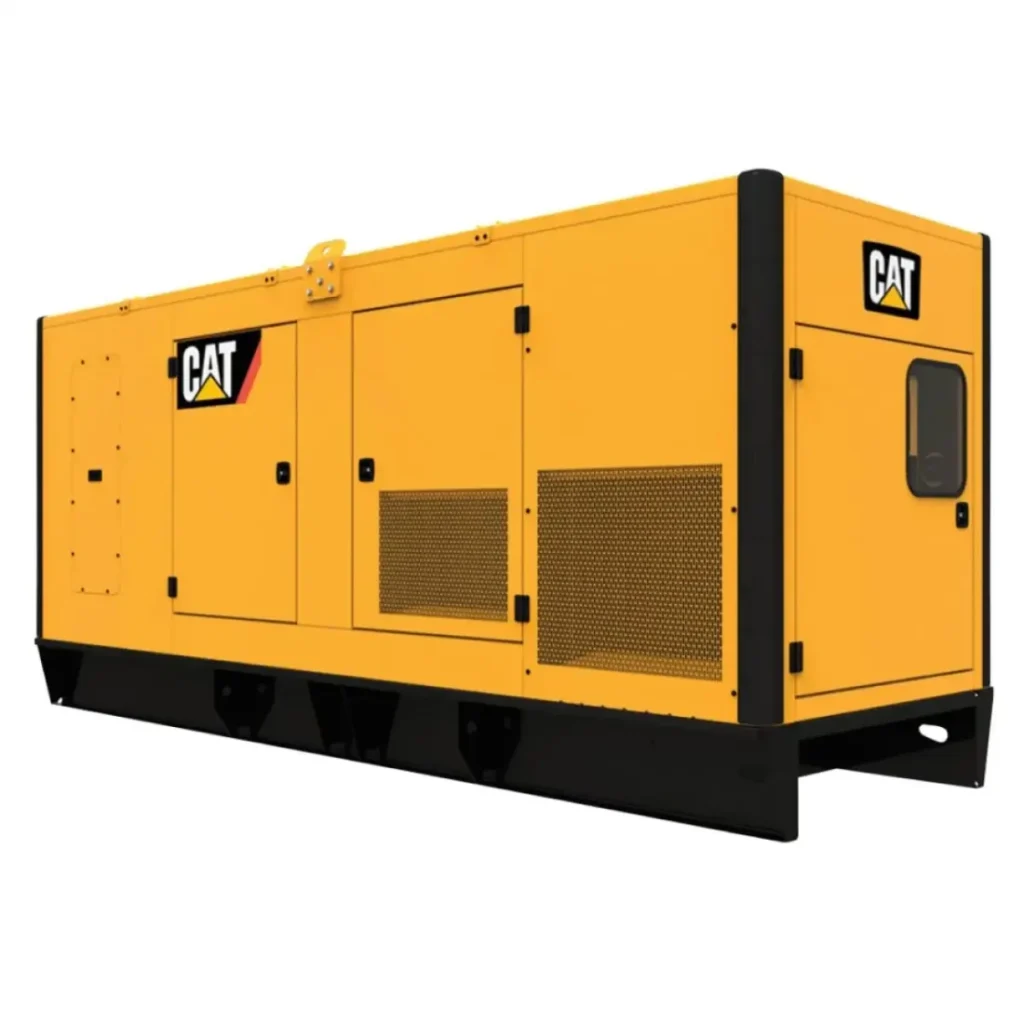
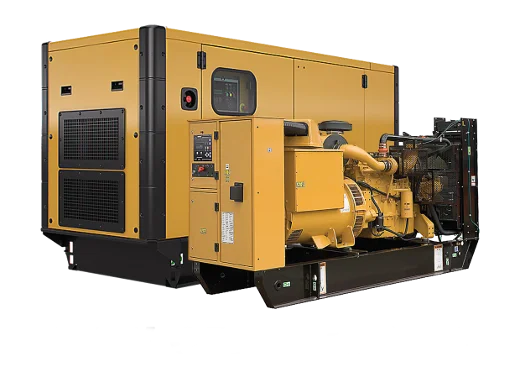
- Open-frame or silent canopy design
- Single-phase or three-phase configuration
- Automatic Transfer Switch (ATS)
- Control panel features
- Fuel efficiency
- Warranty and after-sales support
- Installation complexity
- Delivery location within South Africa
If you only look at the price you pay upfront you might end up buying a generator that costs a lot of money to own over the ten years. Looking at the picture helps you make a better choice.
Typical Generator Price Ranges in South Africa
Although prices change with exchange rates, supplier costs and specification options, the table below provides a realistic guide for common diesel generator sizes supplied throughout South Africa.
| Generator Size | Typical Application | Estimated Price Range* |
|---|---|---|
| 10kVA | Homes, security systems, small offices | R45,000 – R75,000 |
| 15kVA | Larger homes, retail shops | R65,000 – R95,000 |
| 20kVA | Restaurants, workshops, farms | R85,000 – R130,000 |
| 30kVA | Medium businesses | R120,000 – R180,000 |
| 50kVA | Commercial premises and larger farms | R180,000 – R300,000+ |
*Indicative pricing only. Actual costs vary depending on the engine brand, alternator, accessories, exchange rates and installation requirements.
These numbers are meant to help you figure out how money you will need. If you want to know the price you should ask for a quote that is based on what you need for power.
What Has the Biggest Impact on Generator Cost?
Engine Brand
The engine is the heart of any diesel generator.
Well known manufacturers such as Perkins Cummins and Hyundai have earned reputations for reliability fuel efficiency and parts availability, across South Africa. While these generators often have a purchase price they generally provide lower operating costs and longer service intervals.
Expensive engines may reduce the upfront investment but can become costly if spare parts are difficult to source or fuel consumption is higher than expected.
For businesses that rely on power during load shedding or production downtime engine quality is usually worth paying for.
Generator Size (kVA Rating)
Choosing the correct generator size has a direct impact on price.
Many customers assume a larger generator is always the safer choice, but oversizing increases:
- Purchase cost
- Fuel consumption
- Maintenance costs
- Installation expenses
Undersizing creates a different problem. The generator may struggle to start motors, overload during peak demand or shut down unexpectedly.
The most cost-effective solution is a generator that has been professionally sized based on your actual electrical load rather than a rough estimate.
Not sure what size generator you need? Our generator sizing guide explains how to calculate your electrical load and choose the right generator for your home or business.
Silent vs Open Generators
One of the most noticeable price differences comes from the generator enclosure.
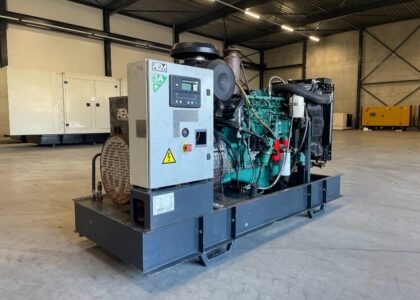
Open generators are generally more affordable and are often installed inside dedicated generator rooms where noise is less of a concern.
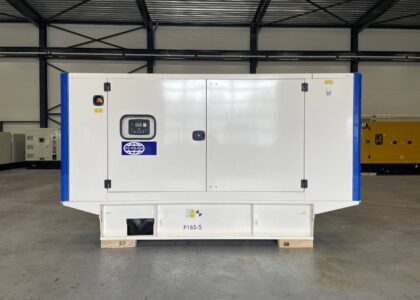
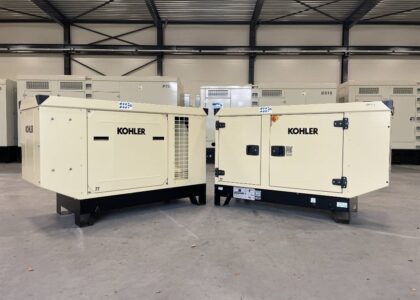
Silent generators include a sound-attenuated canopy that significantly reduces operating noise while protecting the equipment from weather conditions. They are commonly chosen for:
- Residential properties
- Schools
- Hospitals
- Offices
- Hotels
- Restaurants
- Residential estates
Although a silent generator costs more initially, it often eliminates the need for additional noise control measures later.
Does Installation Affect Generator Prices?
Absolutely.
Many buyers focus only on the generator itself and forget that installation can represent a significant part of the overall project cost.
A professionally installed standby generator may require:
- Concrete foundation
- Electrical cabling
- Fuel system connections
- Earthing
- Circuit protection
- Exhaust routing
- Weather protection
- Commissioning and testing
- Automatic Transfer Switch (ATS)
Every site is different. Installing a generator at a warehouse with easy access is very different from fitting one at a shopping centre, farm or office building where cable runs and compliance requirements are more complex.
A complete quotation should always separate the equipment price from the installation cost so you understand exactly what is included. Permanent standby generator installations should comply with applicable South African Bureau of Standards electrical installation standards and be completed by qualified professionals to ensure safety, reliability and compliance.
Before installing a standby generator, it’s worth reading our Generator Installation Requirements in South Africa to understand site preparation, electrical compliance and safety requirements.
Single-Phase or Three-Phase: Does It Change the Price?
Yes, but not always by as much as people expect.
The larger cost difference usually comes from the equipment the generator needs to power rather than the generator itself.
Single-phase generators are commonly used for:
- Houses
- Small offices
- Security systems
- Small retail stores
Three-phase generators are better suited to:
- Factories
- Farms
- Manufacturing plants
- Workshops
- Large commercial buildings
If your premises operate three-phase machinery, installing a single-phase generator to save money will simply create expensive problems later. The correct electrical configuration should always be confirmed before purchasing a generator. If you’re still unsure which option suits your property, our single-phase vs three-phase generator guide explains the differences in more detail.
Automatic Transfer Switch (ATS): Is It Worth the Extra Cost?
An Automatic Transfer Switch (ATS) is one of the most valuable additions to a standby generator, particularly for businesses that cannot afford downtime.
An ATS continuously monitors the mains power supply. When Eskom power fails, it automatically starts the generator and transfers the electrical load. Once utility power returns and stabilises, it switches the load back and safely shuts the generator down.
Although adding an ATS increases the initial project cost, it provides significant advantages:
- Faster response during power outages
- Reduced business interruption
- Protection for sensitive equipment
- No need for someone to manually start the generator
- Greater convenience for homes and holiday properties
For places like doctors offices, security estates, data rooms and factories an Automatic Transfer Switch is usually considered a thing to have, not just something extra. The Automatic Transfer Switch is really good, for these kinds of places because it helps them keep running when the power goes out.
Fuel Costs: The Price You Pay After Purchase
The purchase price is only part of the overall cost of owning a generator.
Fuel consumption has a direct impact on long-term operating expenses, especially for businesses experiencing frequent load shedding.
Several factors influence diesel consumption:
- Generator size
- Engine efficiency
- Load percentage
- Operating hours
- Maintenance condition
A quality diesel generator running at around 70–80% load is generally more fuel-efficient than an oversized unit operating at a light load.
This is another reason professional generator sizing is so important. Buying the biggest generator available doesn’t necessarily save money—it often increases operating costs.
New vs Used Generators
Many customers ask whether buying a used generator is a smart way to reduce costs.
The answer depends on the generator’s history.
A well-maintained used generator with documented service records can provide excellent value.
However, buyers should be cautious if:
- Service history is unavailable.
- Engine hours are unusually high.
- Parts are difficult to source.
- The generator has been modified.
- Signs of poor maintenance are visible.
If you are considering a used unit, ask for:
- Service records
- Engine hours
- Load test results
- Maintenance history
- Warranty (if available)
The cheapest generator often becomes the most expensive if unexpected repairs are needed shortly after purchase.
Expert Advice
After helping businesses, farms and homeowners across South Africa choose backup power systems, one of the most common mistakes we see is customers comparing generators purely on price.
A lower quotation may exclude important items such as the Automatic Transfer Switch, delivery, commissioning, installation materials or even warranty support. In other cases, two generators with similar power ratings use completely different engine and alternator brands, which can significantly affect reliability and long-term running costs.
It is better to look at the package when you compare generators. You should think about how they use fuel if you can get parts when you need them what kind of help you get after you buy it and if the person selling it to you really knows what they are doing.
A generator is something you will use for a time so it is usually cheaper in the long run if you pick the right one from the start. Backup power systems, like generators are an investment and choosing the right generator from the beginning usually costs less over its lifetime.
Common Mistakes That Increase Generator Costs
Avoiding a few common mistakes can save you thousands of rand over the life of your generator.
Choosing a Generator Based Only on Price
The cheapest option isn’t always the most economical. Lower-quality components can lead to higher maintenance costs, more downtime and shorter service life.
Buying the Wrong Size
Oversized generators waste fuel, while undersized units struggle to handle the electrical load and may suffer premature wear.
Ignoring Installation Costs
When you get a quote for a generator make sure you know what is included in the price. You need to know if the price includes things like installation, transport and special equipment.
Overlooking Maintenance
You need to take care of your generator if you want it to work well. This means you need to service it. If you do not change the oil or replace the filters on time your generator may not last long. You may also have to pay a lot of money to repair it.
Our diesel generator maintenance guide explains the recommended service intervals and maintenance checks that help maximise reliability and reduce long-term operating costs.
Choosing a Supplier Without Technical Support
The company you buy your generator from should be able to help you if something goes wrong. They should have people who can fix your generator and give you the parts you need. This is just as important, as the generator itself which’s your generator.
Buying Advice: How to Get the Best Value
Before requesting quotations, gather as much information as possible about your site’s power requirements.
You should know:
- The equipment you need to run during a power outage
- Whether your electrical supply is single-phase or three-phase
- Expected operating hours
- Whether automatic operation is required
- Available installation space
- Noise restrictions, if any
Providing this information allows your supplier to recommend the correct generator rather than simply offering the cheapest available model.
It is also an idea to ask for a detailed price list. This list should say how much the generator costs, how much it costs to install and how much any extra things cost. This makes it easy to compare prices from suppliers. The generator is a purchase so you want to make sure you are getting the best value for your money and the right generator, for your needs the generator.
If you’re still weighing up different options, our comprehensive Generator Buying Guide will help you compare generator types, sizes and features before making a final decision.
Should You Finance or Buy Outright?
For some businesses, financing a generator can make more financial sense than paying the full amount upfront.
If regular power interruptions affect productivity, spoil stock or interrupt customer service, the cost of downtime may exceed the monthly finance repayments.
Many businesses also like the idea of financing because it keeps money available, for work while still offering dependable backup power.
Talk about your budget and what your business needs with your supplier before choosing the way to buy.
Final Thoughts
Understanding generator prices South Africa involves much more than comparing kVA ratings. Engine quality, fuel efficiency, installation, control systems, warranty and ongoing maintenance all contribute to the true cost of ownership.
A good generator should work reliably for years and should fit the power needs you really have and the budget you can afford. Spending time to look at solutions instead of just the numbers, on a price tag can help you avoid extra costs and make sure you buy equipment that gives you dependable power when you need it the most.
Ready to compare reliable backup power solutions? Browse our range of diesel generators for sale in south africa to find models suitable for residential, commercial and industrial applications.
Request Expert Advice from Power Stay Solutions
Choosing the right generator doesn’t have to be complicated.
If you’re unsure which generator size or specification best suits your home, business, farm or industrial facility, About Power Stay Solutions explains our experience in supplying reliable diesel backup power systems across South Africa before you speak with one of our specialists.
Browse our range of diesel generators or contact us today to request a personalised quotation tailored to your application.
Frequently Asked Questions
1. How much does a diesel generator cost in South Africa?
The cost of a diesel generator in South Africa is different for each one. It depends on the size of the diesel generator the brand of the engine the alternator, the enclosure, the control system and what is needed for installation. If you want a diesel generator like a 10kVA diesel generator it can cost around R45,000.. If you want a big commercial diesel generator it can cost more than R300,000. To get the price, for a diesel generator you should ask for a quote that is based on how much power you need from the diesel generator.
2. Why are generators with the same kVA rating priced differently?
Two generators with the same power output can vary significantly in price because of differences in:
- Engine manufacturer
- Alternator quality
- Fuel efficiency
- Noise reduction canopy
- Control panel features
- Warranty
- Spare parts availability
- After-sales support
A higher-quality generator often costs more initially but can save money through lower maintenance and fuel costs.
3. Is a diesel generator better than a petrol generator?
For backup power or commercial use diesel generators are generally the better choice. They typically offer:
- Lower fuel consumption
- Longer engine life
- Better performance under heavy loads
- Lower maintenance over time
Petrol generators are more suitable for occasional, light-duty applications.
4. Should I buy a silent generator?
If you are going to put the generator near homes, offices, schools, hotels or hospitals you should get a generator. This is because it is quieter and it will protect the equipment from the rain and sun. It does cost money than the other kind of generator.. It is worth it because it is quieter.
5. What size generator do I need?
The size of the generator you need depends on how power you need. You have to think about all the things you want to plug in like pumps or air conditioners. These things use a lot of power when you first turn them on.
You should get someone who knows what they are doing to figure out how power you need. This way you will not buy a generator that’s too small or too big. A silent generator is a choice, for many people because it is a silent generator.
6. Does installation cost extra?
In most cases, yes.
Installation costs vary depending on:
- Site access
- Cable distances
- Foundation requirements
- ATS installation
- Fuel system
- Electrical connections
- Compliance requirements
Always confirm what is included in the quotation before making a purchase.
7. How often should a diesel generator be serviced?
A diesel generator should be serviced often. This means a diesel generator needs to be serviced every 250 to 500 operating hours. You can service a diesel generator at least once a year. It really depends on what the manufacturer of the diesel generator says and how the diesel generator is being used.
Regular servicing improves reliability, fuel efficiency and engine life.
8. Is an Automatic Transfer Switch (ATS) necessary?
Not always. It is very recommended for businesses and properties that need continuous backup power.
An ATS automatically turns on the generator when the main power goes out and moves the load safely without any help, from a person.
9. Can I finance a generator?
Lots of suppliers provide financing choices for businesses that meet requirements. Using financing can make it easier to pay over time. Keep your business running without worrying about sudden power issues.
10. How can I get an accurate generator quotation?
The quickest way is to provide:
- Your required power load
- Single-phase or three-phase supply
- Installation address
- Preferred generator location
- Whether you require an ATS
- Expected operating hours
To receive expert advice and transparent pricing based on your specific power requirements, request a generator quotation and our team will recommend the most suitable solution for your application.