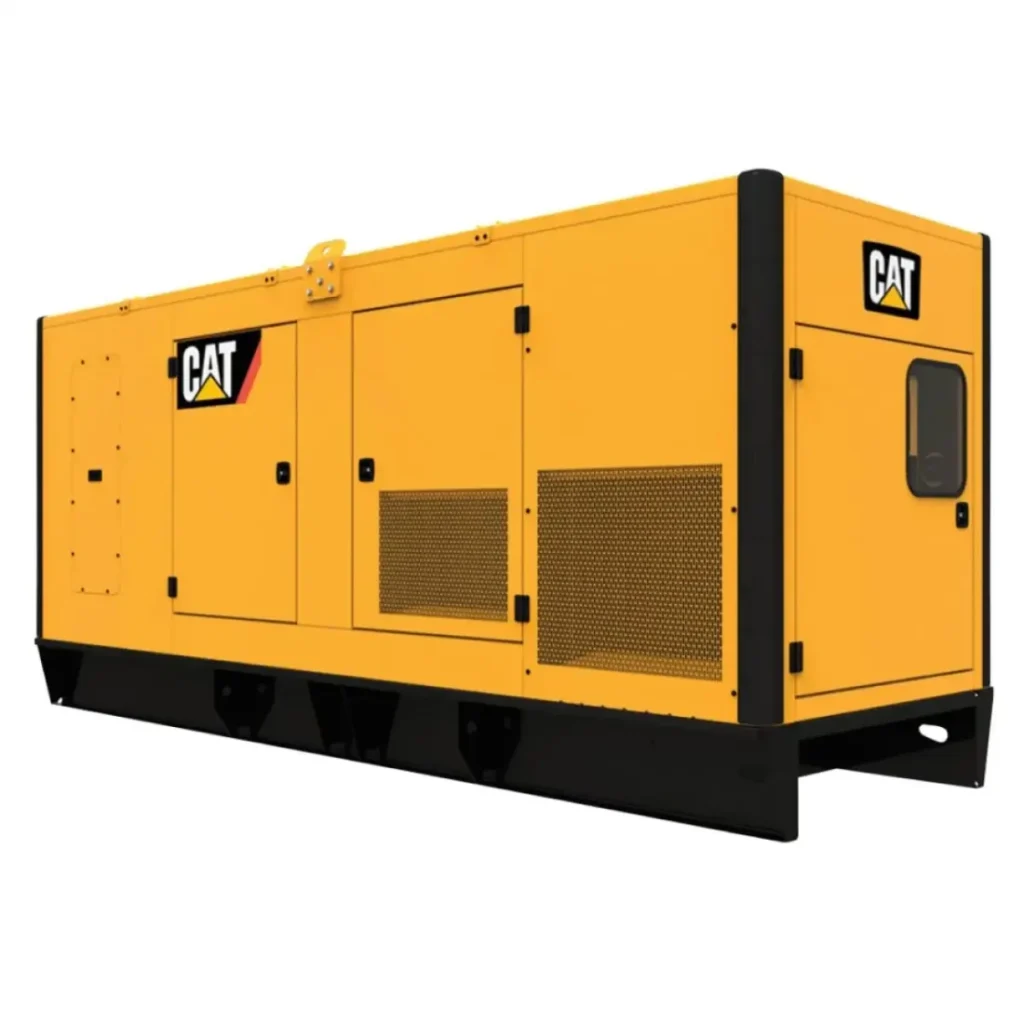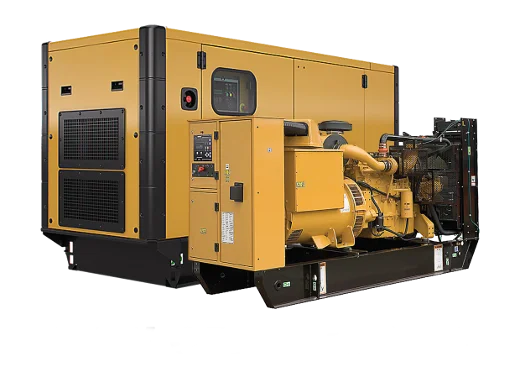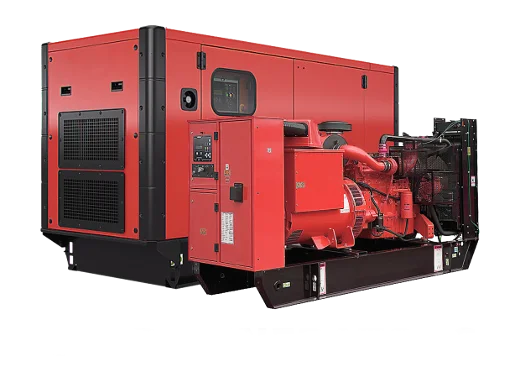
Diesel Generators for Sale in South Africa: Buyer’s Guide
Power interruptions remain a major concern for South African homeowners, businesses, farms and industrial operations. Choosing the wrong generator can lead to wasted money, unreliable backup power and equipment damage. The right generator should match your actual electricity requirements, operating environment and future needs.
There are diesel generators for sale in South Africa. So people who want to buy one often get confused. They do not know what size of diesel generator to get. They do not know how fuel it will use. They do not know what kind of engine is good. They do not know how to install it.. They do not know how much it will cost them in the long run.
This guide will help you. It will tell you what you need to know before you buy a diesel generator. It will help you make a decision. You will get a diesel generator that works well. It will be reliable.. It will be good value, for your money. You will get the diesel generator for your needs.
Understanding Diesel Generators for Sale in South Africa
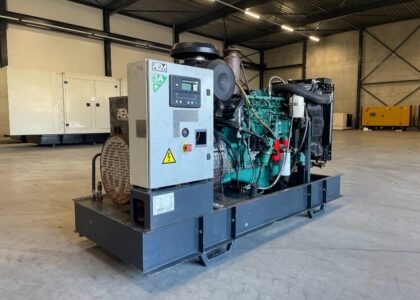
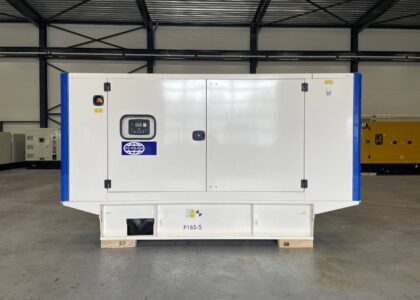
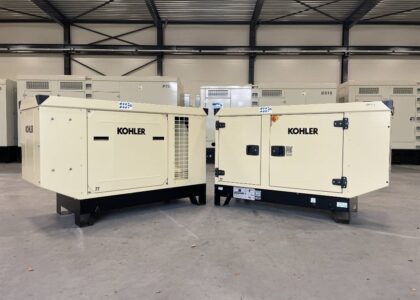
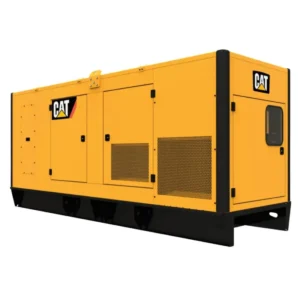
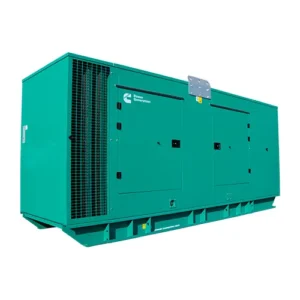
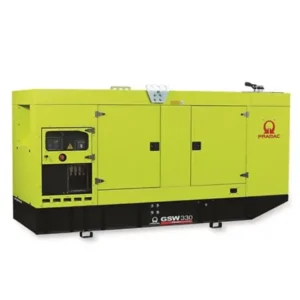
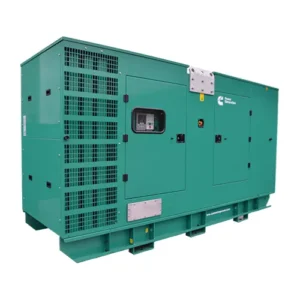
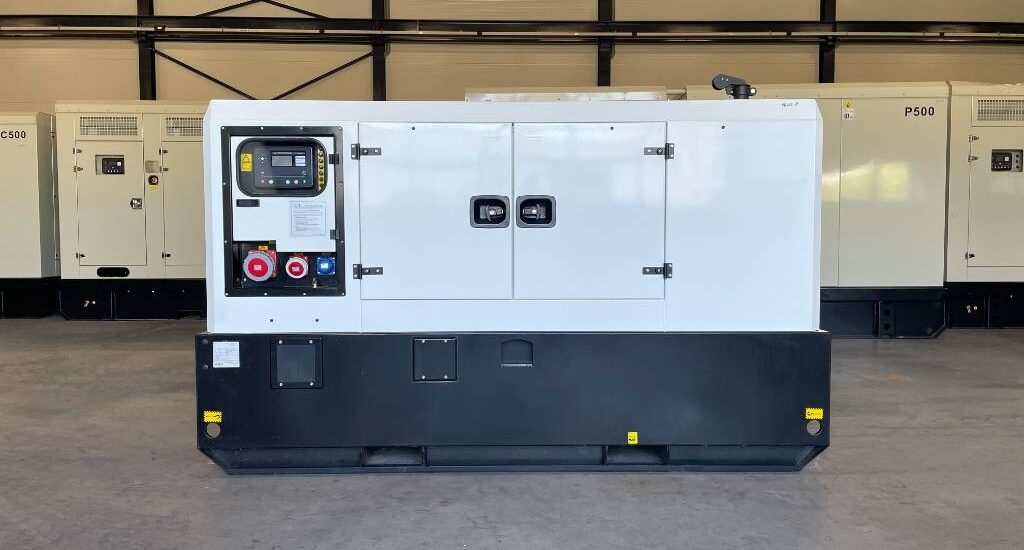
A diesel generator is a backup power system that combines a diesel engine with an alternator to produce electricity during power outages or in locations where grid power is unavailable.
Unlike smaller portable petrol generators, diesel generators are designed for longer operating hours, higher electrical loads and demanding environments. This makes them suitable for:
- Residential backup power
- Small businesses
- Retail stores
- Farms
- Workshops
- Construction sites
- Factories
- Commercial buildings
- Industrial facilities
In South Africa, diesel generators are widely used because they provide dependable standby power during load shedding and unexpected electricity interruptions. Before investing in backup power, homeowners and businesses can monitor Eskom load shedding updates and electricity supply information to better understand their power requirements and determine when additional backup protection may be needed.
A correctly selected generator can keep essential systems running, including:
- Lights
- Security systems
- CCTV cameras
- Wi-Fi and communication equipment
- Refrigeration
- Pumps
- Office equipment
- Production machinery
- Medical equipment
When you buy a diesel generator for sale in South Africa you need to pick the right one. If you get one that’s too big it will cost more to buy and use more fuel. If you get one that’s too small it can get overloaded and not last very long. You need to choose the diesel generator for sale, in South Africa for your needs.
How to Choose the Right Diesel Generator Size
The first step when looking at diesel generators for sale is determining your actual power requirement.
Diesel generators are usually measured in something called kVA, which’s short, for kilovolt-amperes. The kVA rating tells you the electricity the diesel generator can give you.
Common diesel generator sizes include:
| Generator Size | Typical Applications |
|---|---|
| 5kVA – 8kVA | Small homes, essential appliances, security systems |
| 10kVA | Larger homes, offices, small businesses |
| 15kVA – 20kVA | Medium homes, farms, workshops and commercial sites |
| 30kVA | Larger businesses, retail stores and industrial applications |
| 50kVA+ | Factories, large commercial facilities and heavy equipment |
A common mistake is calculating only the running power of equipment. Many appliances, especially motors, pumps, compressors and refrigeration units, require additional starting power.
Choosing the correct generator size requires more than adding up appliance wattages. Our detailed diesel generator sizing guide explains how to calculate your requirements accurately before purchasing.
For example:
A borehole pump may only consume 3kW while running but require significantly more power when starting. A generator that appears large enough on paper may still struggle if starting loads are not considered.
For accurate selection, consider:
- Total running load
- Starting current requirements
- Single-phase or three-phase power
- Future expansion plans
- Operating hours
- Critical versus non-critical equipment
For a detailed assessment, buyers should use a professional generator sizing guide.
Single Phase vs Three Phase Diesel Generators
One of the most important decisions when comparing diesel generators for sale is choosing between single-phase and three-phase power.
Single-Phase Generators
Single-phase generators are commonly used for:
- Homes
- Small offices
- Small shops
- Security systems
- Basic backup applications
They are suitable where the majority of equipment operates on standard household electricity.
Typical applications include:
- Lighting
- Refrigerators
- TVs
- Computers
- Small pumps
- Internet equipment
Three-Phase Generators
Three-phase generators are designed for heavier electrical loads and commercial or industrial environments.
They are commonly used for:
- Manufacturing equipment
- Large pumps
- Workshop machinery
- Agricultural equipment
- Commercial buildings
Three-phase power provides smoother operation for large motors and industrial equipment.
Single Phase vs Three Phase Comparison
| Feature | Single Phase | Three Phase |
|---|---|---|
| Best suited for | Homes and small businesses | Commercial and industrial applications |
| Installation complexity | Lower | Higher |
| Motor performance | Limited for large motors | Better for heavy equipment |
| Typical users | Residential customers | Farms, factories and businesses |
Before purchasing, confirm your electrical supply requirements with a qualified electrician.
If you are unsure which option suits your property, our single phase vs three phase generator guide explains the advantages, limitations and applications of each system to help you make the right choice.
What Should You Look For When Buying a Diesel Generator?
Choosing between different diesel generators for sale requires looking beyond the generator size and purchase price.
A quality generator is a long-term investment. The engine, alternator, control system and installation quality all affect reliability.
1. Engine Brand and Reliability
The diesel engine is the heart of the generator.
Well-established engine manufacturers have decades of experience producing engines designed for continuous operation.
Important factors include:
- Proven reliability
- Availability of spare parts
- Service support
- Fuel efficiency
- Local technical knowledge
Popular diesel engine brands used in South Africa include:
- Perkins
- Cummins
- Hyundai
- Volvo Penta
- Doosan
- Yanmar
A cheaper generator with limited support can become expensive when maintenance or repairs are required.
2. Alternator Quality
The alternator converts mechanical energy from the engine into electrical power.
A good alternator provides:
- Stable voltage output
- Better protection for sensitive equipment
- Improved efficiency
- Longer service life
Poor-quality alternators may cause voltage fluctuations that can damage electronic equipment.
3. Generator Controller Features
Modern generators include digital controllers that monitor and protect the system.
Useful features include:
- Automatic start and stop
- Fault warnings
- Voltage monitoring
- Frequency monitoring
- Operating hours tracking
- Emergency shutdown protection
For commercial installations, advanced control systems become increasingly important.
4. Fuel Consumption
Fuel efficiency directly affects operating costs.
Two generators with the same kVA rating can have different fuel consumption depending on:
- Engine technology
- Load percentage
- Maintenance condition
- Operating environment
A correctly sized generator normally operates more efficiently than one that is constantly underloaded or overloaded.
Diesel Generator Applications in South Africa
Different customers have different backup power requirements. The best generator depends on how and where it will be used.
Residential Backup Power
Homeowners typically need power for essential circuits rather than the entire house. Common requirements include lighting, gate motors, security systems, refrigerators, internet routers, TVs and selected plug points. Homeowners looking for dependable long-term backup should consider purpose-built diesel generators for home backup power designed around their essential household loads.
For larger homes requiring additional backup capacity, a 10kVA diesel generator can provide reliable power for essential household circuits while maintaining efficient fuel usage during outages.
Farms and Agricultural Operations
Farms often depend heavily on reliable electricity.
Common applications include:
- Borehole pumps
- Irrigation systems
- Dairy equipment
- Poultry systems
- Refrigeration
- Workshop equipment
Farms and larger residential properties with higher electrical demands may require additional capacity. A 15kVA diesel generator solution can provide dependable backup power for applications involving pumps, refrigeration and multiple electrical loads.
Agricultural users should consider:
- Dust protection
- Weather exposure
- Long operating periods
- Fuel storage requirements
- Service accessibility
For farms, workshops and small commercial operations requiring greater power capacity, a 20kVA diesel generator can provide the additional output needed to support equipment such as pumps, machinery and operational systems.
Business and Commercial Applications
Power failures can directly affect revenue.
Businesses commonly require generators for:
- Retail operations
- Restaurants
- Offices
- Warehouses
- Workshops
- Guesthouses
The generator should be sized according to operational priorities.
For example, a restaurant may prioritise refrigeration and payment systems, while a workshop may prioritise machinery.
Larger commercial facilities with higher electricity demands may require a more powerful standby solution. A 30kVA commercial diesel generator is suitable for businesses that need dependable backup power for equipment, operations and critical systems.
Generator Installation Considerations
Buying one of the many diesel generators for sale in South Africa is only the first step. A generator that is poorly installed can become unreliable, unsafe and expensive to operate.
A professional installation ensures the generator performs correctly when you need it most.
Important installation considerations include:
Generator Location
The generator should be installed in a suitable area with:
- Adequate ventilation
- Protection from weather
- Safe exhaust gas discharge
- Easy access for maintenance
- Sufficient clearance around the unit
Diesel generators make heat and bad gases. They vibrate a lot. If you put a diesel generator close to walls or windows or enclosed spaces it can be very dangerous. You need to think about the diesel generator and where you put it. The diesel generator needs to be, in a place.
Automatic Transfer Switch (ATS)
For many homes and businesses, an Automatic Transfer Switch is recommended.
An ATS automatically:
- Detects a power failure
- Starts the generator
- Transfers electrical supply
- Restores grid power when available
- Shuts the generator down safely
This is especially useful for:
- Businesses
- Security systems
- Remote properties
- Critical applications
Electrical Compliance
Permanent generator installations should be completed according to South African electrical requirements.
A qualified electrician should ensure:
- Correct cable sizing
- Proper earthing
- Safe changeover installation
- Correct protection equipment
More information regarding electrical standards and compliance is available through the South African Bureau of Standards (SABS).
How Much Do Diesel Generators Cost in South Africa?
The price of diesel generators for sale varies significantly depending on size, brand, specifications and installation requirements.
A small diesel generator for a house will cost a lot less than a diesel generator, for a business that needs to run all the time.
Typical factors that affect the price of diesel generators include:
| Factor | How It Affects Cost |
|---|---|
| Generator size (kVA) | Larger output increases cost |
| Engine brand | Premium engines usually cost more |
| Sound enclosure | Silent canopies increase price |
| ATS installation | Adds automation capability |
| Fuel tank size | Larger tanks increase running time |
| Control systems | Advanced monitoring increases cost |
| Installation complexity | Electrical work affects total investment |
A cheaper generator is not always the best financial decision.
The purchase price is only part of the ownership cost. Buyers should also consider:
- Fuel consumption
- Service intervals
- Spare parts availability
- Warranty support
- Expected operating hours
A reliable generator with strong after-sales support often costs less over its lifetime compared with a cheaper unit that requires frequent repairs.
Diesel Generator Maintenance Requirements
A generator is an engine-driven machine, not an appliance that can simply be installed and forgotten.
Regular maintenance protects your investment and ensures the generator starts when required.
A typical maintenance schedule includes:
Before Operation Checks
Operators should regularly inspect:
- Engine oil level
- Coolant level
- Fuel level
- Battery condition
- Leaks
- Warning indicators
Routine Servicing
Depending on usage, servicing may include:
- Engine oil replacement
- Oil filter replacement
- Fuel filter replacement
- Air filter inspection
- Battery testing
- Electrical system checks
Generator Testing
Even standby generators should be tested regularly.
A generator that sits unused for months may fail when required because of:
- Flat batteries
- Fuel problems
- Electrical faults
- Lack of lubrication
Following a proper maintenance schedule is essential for long-term reliability. Our generator maintenance guide explains the servicing requirements that help prevent unexpected failures.
Expert Advice: What Experienced Buyers Should Know
After helping customers evaluate backup power solutions across residential, commercial and industrial applications, one thing becomes clear: the cheapest generator is rarely the cheapest solution.
One of the most common mistakes we see customers make is choosing a generator based only on the price or kVA rating without properly understanding their actual electrical requirements.
A generator that is too small may constantly operate under stress, causing:
- Excessive fuel consumption
- Reduced engine life
- Voltage instability
- Frequent breakdowns
A generator that is too large may also create problems because diesel engines perform best when operating under an appropriate load.
The best approach is to first identify:
- What equipment must continue running?
- What equipment can be switched off?
- What are the starting requirements?
- How often will the generator operate?
- Is future expansion likely?
For example, a homeowner may not need to power every appliance during load shedding. Running essential circuits such as lighting, security, refrigeration and internet equipment may provide a better balance between reliability and operating costs.
For a business, the calculation is different. Downtime may directly affect revenue, so investing in a properly sized commercial generator can quickly justify the cost.
Common Mistakes When Buying a Diesel Generator
1. Buying Based Only on Generator Price
A low purchase price can be attractive, but buyers should consider the complete ownership cost.
Always check:
- Engine quality
- Warranty terms
- Local support
- Spare parts availability
- Installation requirements
2. Choosing the Wrong Generator Size
This is one of the most expensive mistakes.
An undersized generator may:
- Trip frequently
- Struggle with starting loads
- Wear out prematurely
An oversized generator may:
- Waste fuel
- Cost unnecessarily more
- Run inefficiently
A professional load assessment is always recommended.
3. Ignoring Installation Costs
Some buyers focus only on the generator price and forget about:
- Electrical installation
- Changeover switch
- Cabling
- Concrete base
- Exhaust requirements
- Labour
The complete project cost should be considered before purchasing.
4. Not Considering Future Power Requirements
A generator should not only meet today’s needs.
If you plan to:
- Add more appliances
- Expand a workshop
- Install additional equipment
- Increase business operations
It may be worth selecting a generator with some additional capacity.
5. Neglecting After-Sales Support
A generator is a long-term investment.
Before purchasing, ask:
- Who will service the generator?
- Are replacement parts available?
- Is technical support available locally?
- What does the warranty cover?
Diesel Generator Buying Checklist
Before purchasing, confirm the following:
✅ Determine your required generator size
✅ Decide between single-phase and three-phase power
✅ Identify essential equipment that needs backup
✅ Check starting loads of motors and pumps
✅ Compare fuel consumption figures
✅ Consider installation requirements
✅ Confirm service and warranty support
✅ Choose a reputable supplier
✅ Plan for future expansion
This checklist helps buyers compare diesel generators for sale more effectively and avoid costly mistakes.
Frequently Asked Questions
1. What size diesel generator do I need for a house in South Africa?
The correct size depends on your household electricity requirements. Smaller homes may require a lower kVA generator, while larger homes with pumps, multiple appliances or higher loads may require 10kVA, 15kVA or more.
A professional load assessment is the best way to determine the correct size.
2. Are diesel generators better than petrol generators?
When you need a generator for backup use diesel generators are usually the way to go. This is because diesel generators use fuel efficiently the engine lasts longer and they are made to run for a long time.
Petrol generators are better for jobs that you do not do very often. Diesel generators are good for use but petrol generators are good, for smaller things.
3. How long can a diesel generator run continuously?
The time a diesel generator can run without stopping depends on a things. It depends on the design of the diesel generator and how fuel it can hold. It also depends on how power the diesel generator is producing and how well it is maintained.
Many good diesel generators are made to run for a time when people take good care of them. They can run for a time if they are maintained correctly. This means a diesel generator can run for a long time if it is a good diesel generator and people do the right things to keep it running well.
4. Do diesel generators require regular servicing?
Yes. You have to check on diesel generators all the time so they keep working when you need them to.
Diesel generators need things, like oil, new filters, people to check the batteries and someone to look over the whole system. This helps so diesel generators do not just stop working one day.
5. Can a diesel generator power my entire house?
Yes, but it depends on the generator size and electrical load requirements.
Many homeowners choose to power essential circuits instead of the entire property to reduce generator size and operating costs.
6. What is the difference between standby and prime power generators?
Standby generators are made to help when the power goes out.
The main purpose of generators is to provide backup power during power interruptions.
Prime power generators are made for situations where the power’s out for a long time.
The main use of power generators is for longer periods when you do not have power from the grid or when the power, from the grid is not reliable.
7. Should I install an automatic transfer switch?
For many permanent installations, an ATS provides convenience and faster response during outages.
It is especially beneficial for businesses and properties where continuous power is important.
8. Where can I buy reliable diesel generators in South Africa?
You should buy diesel generators from a company that has been around for a while and sells quality diesel generators. This company should also be able to help you with any problems you have with the diesel generators assist you when you are installing the diesel generators and provide you with good after-sales service for the diesel generators.
Power Stay Solutions sells diesel generator solutions that people can use in their homes in their businesses and in their industries. They have diesel generators for use, diesel generators for commercial use and diesel generators, for industrial use.
Conclusion
Choosing from the many diesel generators for sale in South Africa requires more than comparing prices and generator sizes.
The right solution depends on understanding your electrical requirements, selecting suitable equipment, ensuring professional installation and maintaining the generator correctly.
A well-selected diesel generator provides reliable backup power, protects important equipment and gives homeowners and businesses confidence during unexpected outages.
Power Stay Solutions can help you figure out what you need and suggest a diesel generator solution that’s right, for you and your diesel generator needs.
Looking for a reliable backup power solution?
Explore our diesel generator range or contact Power Stay Solutions for professional advice and a quotation based on your actual power requirements.