Best Backup Generator for Home South Africa: Complete Buyer’s Guide
Introduction
Power outages have become part of everyday life across South Africa. While load shedding has eased at times, unexpected network faults, severe weather and local supply interruptions still leave thousands of households without electricity. Before planning a backup power solution, it’s worth checking the latest Eskom load shedding updates to understand scheduled outages and electricity supply information in your area.
For many homeowners, investing in a reliable backup generator is no longer a luxury—it’s a practical way to protect daily life, security systems, home offices and essential appliances.
Choosing the best backup generator for home South Africa isn’t simply about buying the biggest machine available. The right generator should match your home’s electrical demand, run efficiently, operate safely and provide dependable power whenever the grid fails.
In this guide we will tell you how to pick the backup generator for your home look at the different types of generators suggest what size is best for homes, in South Africa point out common mistakes people make when buying a generator and help you make a good decision before you spend money on a diesel generator.
Why Every South African Home Should Have a Backup Generator
South Africans understand the inconvenience of sudden power failures. A few hours without electricity can mean spoiled food, interrupted remote work, disabled security systems and uncomfortable living conditions.
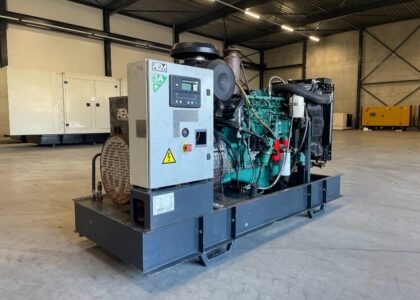
A properly sized diesel generator keeps essential services running, including:
- Refrigerators and freezers
- Lights throughout the house
- Wi-Fi routers
- Fibre internet equipment
- Televisions
- Security systems
- Electric fencing
- Alarm systems
- CCTV cameras
- Gate motors
- Garage doors
- Water pressure pumps
- Selected kitchen appliances
For people who work from home or take care of older family members it is very important to have power all the time. Backup generators like these are essential for them.
A permanent standby generator also removes the uncertainty of portable power stations that may only operate for a few hours before requiring recharging.
What Makes the Best Home Backup Generator?
Not every generator is suitable for residential use.
The best home backup generator should provide the right balance of:
- Reliable starting
- Low fuel consumption
- Quiet operation
- Stable electrical output
- Easy maintenance
- Long operating life
- Available spare parts
- Professional installation support
For South African homeowners, diesel generators remain one of the most dependable long-term backup power solutions because they generally offer:
| Diesel Generator Advantages | Benefit |
|---|---|
| Better fuel efficiency | Lower running costs |
| Longer engine lifespan | Better long-term investment |
| High torque output | Handles starting loads easily |
| Reliable during extended outages | Suitable for load shedding |
| Lower maintenance frequency | Reduced servicing costs |
Petrol generators remain useful for occasional portable applications but often become less economical for frequent backup use.
Choosing the Correct Generator Size for Your Home
One of the most common mistakes homeowners make is buying a generator based purely on price.
The thing to do is to figure out which things, in your home you really need to have working when the power’s out.
| Appliance | Approximate Running Watts |
|---|---|
| LED Lights | 10–20 W each |
| Refrigerator | 150–300 W |
| Freezer | 200–400 W |
| Television | 80–200 W |
| Fibre Router | 15–25 W |
| Laptop | 60–120 W |
| Microwave | 1,000–1,500 W |
| Kettle | 2,000–3,000 W |
| Water Pump | 750–1,500 W |
Remember that motors, compressors and pumps require higher starting power than their normal running load.
Rather than adding every appliance in your home, prioritise the circuits that must remain operational during a power outage.
Before purchasing a generator, it’s worth using our generator sizing guide to accurately calculate your home’s electrical demand and avoid costly sizing mistakes.
What Size Backup Generator Do You Need for Your Home?
Selecting the right generator size is far more important than choosing a particular brand. A generator that is too small may overload and trip when several appliances start at the same time, while an oversized generator can cost more to purchase, consume more fuel and operate less efficiently.
To pick the size of the backup generator you need to add up how much power all the things in your home use. You also need to think about the power that some things need to start working. Things, like motors and refrigerators need a lot of power to start.
Before making a final decision, it’s worth using our generator sizing guide to calculate your home’s power requirements accurately and avoid buying a generator that’s either too small or unnecessarily large.
Recommended Generator Sizes for South African Homes
The table below provides general recommendations based on typical residential applications.
| Home Type | Recommended Generator Size | Typical Appliances Powered |
|---|---|---|
| Apartment or Small Flat | 5–8kVA | Lights, Wi-Fi, TV, fridge, laptop, security system |
| 2–3 Bedroom Home | 8–10kVA | Essential circuits, fridge, freezer, lighting, gate motor, television [For many 2–3 bedroom homes with essential backup requirements, a 10kVA diesel generator provides enough capacity to power lighting, refrigeration, security systems, internet equipment and other everyday essentials without unnecessary oversizing]. |
| Medium Family Home | 12–17kVA | Kitchen appliances, pumps, multiple rooms, home office [If your household has higher power demands or multiple essential circuits, a 15kVA standby diesel generator offers an excellent balance between performance, fuel efficiency and reliable backup power]. |
| Large Family Home | 20–30kVA | Most household circuits, entertainment systems, security and selected air conditioners. [Larger households requiring additional capacity for kitchen appliances, pumps and multiple living areas should consider a 20kVA home backup generator for dependable standby power during extended outages]. |
| Luxury Home | 30–50kVA | Whole-home backup, multiple air conditioners and larger electrical loads. [For homeowners looking to power most or all household circuits during a power outage, a 30kVA diesel generator is often a practical solution, depending on the property’s total electrical load]. |
These recommendations assume that high-demand appliances such as electric geysers, ovens and pool pumps are either managed separately or not operated simultaneously during an outage.
Essential Backup vs Whole-House Backup
One of the first decisions you’ll need to make is whether you want to power only essential circuits or your entire home.
Essential Backup
Most homeowners choose to power only the equipment they genuinely need during a power failure.
This normally includes:
- Lighting
- Refrigerators
- Fibre and Wi-Fi
- Television
- Security system
- CCTV
- Electric fence
- Gate motor
- Garage door
- Selected plug circuits
Advantages include:
- Smaller generator
- Lower purchase cost
- Better fuel economy
- Reduced maintenance costs
Whole-House Backup
Whole-house backup aims to keep almost every electrical circuit operational, providing a seamless experience during extended outages.
This option is better suited to:
- Large family homes
- Luxury properties
- Homes with medical equipment
- Remote workers
- Properties where uninterrupted electricity is essential
Whole-house systems usually require larger generators together with a professionally designed electrical installation.
Diesel vs Petrol vs Inverter Generators
Many homeowners ask which generator type is best.
The answer depends on how often you expect to use it.
| Feature | Diesel Generator | Petrol Generator | Inverter Generator |
|---|---|---|---|
| Fuel Efficiency | ★★★★★ | ★★★ | ★★★★ |
| Long Runtime | ★★★★★ | ★★★ | ★★★ |
| Heavy Loads | ★★★★★ | ★★★ | ★★ |
| Noise | ★★★★ (Silent Models) | ★★★ | ★★★★★ |
| Maintenance | Lower | Higher | Moderate |
| Best For | Permanent Backup | Occasional Use | Small Electronics |
For homes that experience regular outages or require dependable standby power, diesel generators remain the preferred long-term solution due to their durability, fuel efficiency and ability to operate for extended periods.
Should You Choose a Silent Diesel Generator?
Noise levels are an important consideration in residential areas.
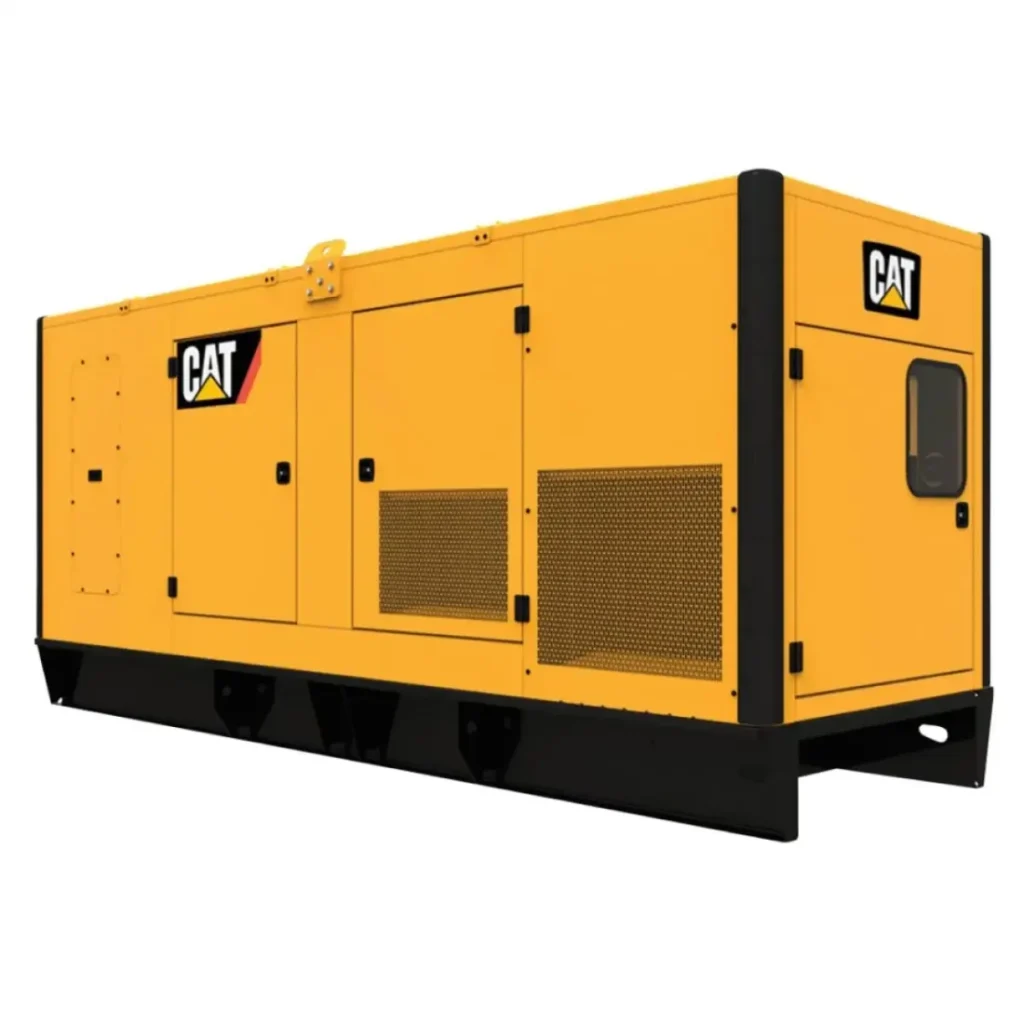
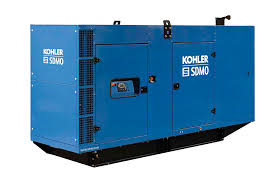
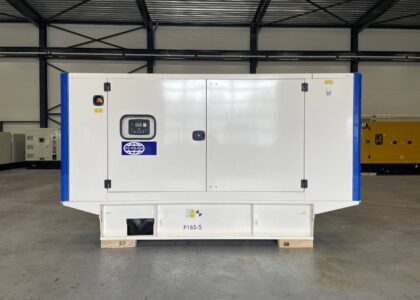
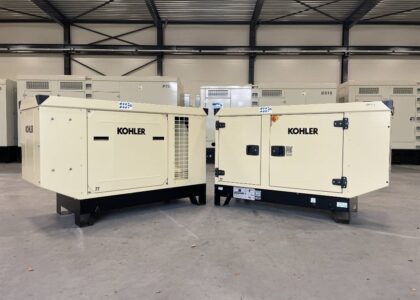
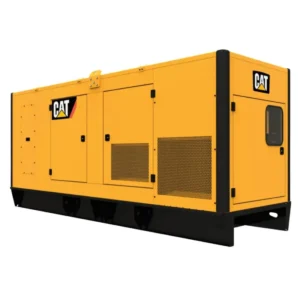
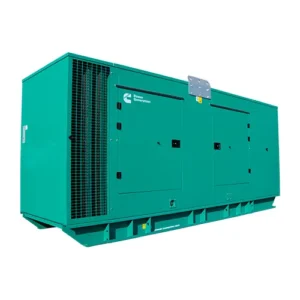
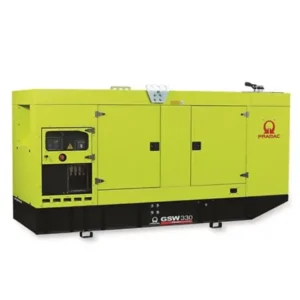
Modern silent diesel generators are put inside boxes that make them really quiet. These boxes are called canopies and they help keep the noise down without making the generator work any less well.
Benefits include:
- More neighbour-friendly operation
- Reduced engine exposure to weather
- Improved safety
- Lower perceived noise during overnight outages
- Professional appearance
Most homeowners prefer silent diesel generators because they provide reliable backup power without becoming a nuisance during prolonged outages. If quiet operation is a priority, explore our range of silent diesel generators designed to provide reliable backup power for South African homes.
Is an Automatic Transfer Switch (ATS) Worth It?
An Automatic Transfer Switch automatically finds out when the power goes out starts the generator and changes your homes supply from the utility to the generator.
Once municipal electricity returns, the ATS safely switches the load back and shuts the generator down.
Without an ATS, someone must manually start the generator and change the electrical supply.
Advantages of ATS
- Automatic operation
- Faster restoration of power
- Greater convenience
- Improved safety
- Ideal for unattended properties
If your budget allows, an ATS is one of the most valuable upgrades for a permanent home backup system. Because an Automatic Transfer Switch connects directly to your home’s electrical distribution board, correct installation is essential for safety, reliability and compliance. Learn more about our professional generator installation services and how a properly installed backup system ensures seamless operation during power outages.
How Much Fuel Does a Home Backup Generator Use?
Fuel consumption depends on several factors, including:
- Generator size
- Engine efficiency
- Load percentage
- Operating hours
- Maintenance condition
A generator running at around 60–75% of its rated capacity is generally more fuel-efficient than one that is constantly underloaded or overloaded.
Rather than choosing the largest generator available, selecting the correct size often reduces fuel costs over the life of the equipment.
Our diesel generator fuel consumption guide explains how generator size, electrical load and operating conditions affect running costs and fuel efficiency.
Which Generator Brands Are Trusted in South Africa?
The South African market offers several reputable generator manufacturers, but long-term reliability depends on more than just the brand name. Consider factors such as local parts availability, service support, warranty coverage and proven performance under demanding operating conditions.
Well-established brands commonly used across South Africa include:
- SDMO
- Hyundai
- Pramac
- Cummins
- Perkins-powered generators
When comparing brands, focus on:
- Engine quality
- Alternator performance
- Local technical support
- Spare parts availability
- Warranty terms
- Fuel efficiency
- Noise levels
A quality generator supported by experienced local suppliers will generally provide better long-term value than a cheaper unit with limited after-sales support.
Expert Advice: Choosing the Right Backup Generator
After helping homeowners across South Africa select backup power solutions for different property sizes and budgets, one pattern stands out: the best generator isn’t necessarily the biggest or the most expensive. It’s the one that’s correctly matched to your home’s electrical requirements and installed properly.
One of the most common mistakes we see customers make is trying to power every appliance during an outage. In reality, most households only need essential circuits such as lighting, refrigeration, internet, security systems and a few plug points. By prioritising these loads, you can often choose a smaller, more fuel-efficient generator without sacrificing comfort.
It’s also worth thinking beyond today’s needs. If you plan to add air conditioning, a borehole pump or a home office in the future, discuss this with your supplier before choosing a generator. A little forward planning can prevent costly upgrades later.
Finally do not forget about what happens after you buy the backup generator. It is really important to know that you can get parts if you need them and that someone can help you if something goes wrong with the backup generator. The backup generator itself is important. So is the help you get after you buy it.
Common Mistakes to Avoid When Buying a Home Backup Generator
Buying a generator is a long-term investment, and avoiding these common mistakes can save you money and frustration.
Choosing a Generator Based Only on Price
A cheaper Home Backup Generator may seem like an idea at first but it can be bad for you in the long run. This is because a cheaper Home Backup Generator usually has fuel efficiency it can be hard to find spare parts and it is not very reliable. All these things can make the Home Backup Generator cost more to own over time.
Buying the Wrong Size
Oversized generators consume more fuel than necessary, while undersized generators can overload and struggle to start appliances with high surge currents.
The best solution is to size the generator according to the electrical loads you actually intend to use.
If you’re unsure what capacity you need, our guide on how to size a diesel generator correctly explains the process step by step.
Ignoring Starting Loads
Many appliances require significantly more power during startup than during normal operation.
Examples include:
- Refrigerators
- Freezers
- Air conditioners
- Borehole pumps
- Pressure pumps
Failing to account for starting current is one of the leading causes of generator overload.
Forgetting About Installation
Even the highest-quality generator can perform poorly if it’s installed incorrectly.
Professional installation ensures:
- Safe electrical connections
- Correct earthing
- Proper ventilation
- Suitable fuel storage
- Compliance with South African electrical standards
Neglecting Regular Maintenance
Routine servicing improves reliability, extends engine life and reduces the risk of unexpected failures during an outage.
Following a regular diesel generator maintenance guide helps keep your generator reliable and ready whenever the power goes out.
Home Backup Generator Buying Checklist
Before purchasing a generator, ask yourself the following questions:
✔ What appliances do I need to power?
✔ How long do typical outages last in my area?
✔ Do I want automatic or manual operation?
✔ Will I need to expand my electrical load in future?
✔ Is the generator quiet enough for my neighbourhood?
✔ Are spare parts readily available?
✔ Can I obtain professional servicing locally?
✔ Is the generator covered by a warranty?
✔ Has the generator been correctly sized?
✔ Will it comply with South African electrical regulations?
Frequently Asked Questions
What size generator is best for a typical South African home?
The size of the generator that’s best for a typical South African home is something that people want to know. Most African homes need a generator that is between 8kVA and 20kVA. The reason, for this is that you need to think about how appliances you want to use at the same time. The number of appliances you want to use will help you figure out what size generator you need for your African home.
Is a diesel generator better than a petrol generator?
For regular backup power, diesel generators generally provide better fuel efficiency, longer engine life and improved reliability.
Can a generator power my entire house?
The answer is yes a generator can power your house as long as you get the right size and have it installed correctly.
A lot of people who own homes decide to use the generator to power the important things in their house like the lights and the fridge so they can save money on the costs of putting it in and running it.
How much fuel does a home backup generator use?
Fuel consumption varies according to generator size and electrical load. A properly sized generator operating at an efficient load generally consumes less fuel than an oversized unit running lightly loaded.
Are silent diesel generators really quiet?
Silent diesel generators are actually pretty quiet. They have these covers called acoustic canopies that help keep the noise down. This makes silent diesel generators a good choice, for places where people live.
Do I need an Automatic Transfer Switch?
You should get an Automatic Transfer Switch if you want your generator to turn on by itself when the power goes out. This way you do not have to do anything. An Automatic Transfer Switch is really helpful because it makes your generator start automatically during a power outage. You will not have to worry about starting your generator when the power’s out. An Automatic Transfer Switch does this for you.
How often should a home generator be serviced?
A home generator should be serviced regularly.
Most of the time the people who made the home generator say you should service it after a number of hours it has been used or every year, whichever happens first.
You should always do what the instructions say for your home generator to keep it in shape.
Can I install a generator myself?
Permanent standby generators should always be installed by a qualified professional to ensure safe operation and compliance with South African electrical regulations.
How long will a diesel generator last?
A diesel generator that is taken care of can work for a long time which means it is a good thing to buy if you want a diesel generator to provide power for your home when you need it. A diesel generator can give you thousands of hours of use so it is something that you can use for a long time.
Which generator brands are reliable in South Africa?
When you want to pick a generator brand you should think about the quality of the product. If you can get help from the company, in South Africa. You should also think about if you can get parts and what the warranty is, not just the price of the generator.
Conclusion
Choosing the best backup generator for home South Africa comes down to understanding your household’s power requirements, selecting the correct generator size and investing in quality equipment supported by professional installation and ongoing maintenance.
Do not just think about how much the generator costs when you buy it. Think about how it will use fuel over time how reliable it is, how loud it is and what kind of support you will get after you buy it. Also think about if you can add to the generator in the future. If you choose a diesel generator it will give you backup power that you can count on for many years. This will make you feel better when the power from the grid goes out. A good backup generator, for home South Africa is a thing to have.
Request Expert Advice
If you’re unsure which generator is right for your home, the team at Power Stay Solutions can help you compare suitable options based on your property’s electrical requirements and budget.
Browse our range of residential diesel generators, request a personalised quotation or speak with one of our specialists for practical advice on choosing a reliable backup power solution for your home.