
Generator Installation Requirements in South Africa: What the Rules Say
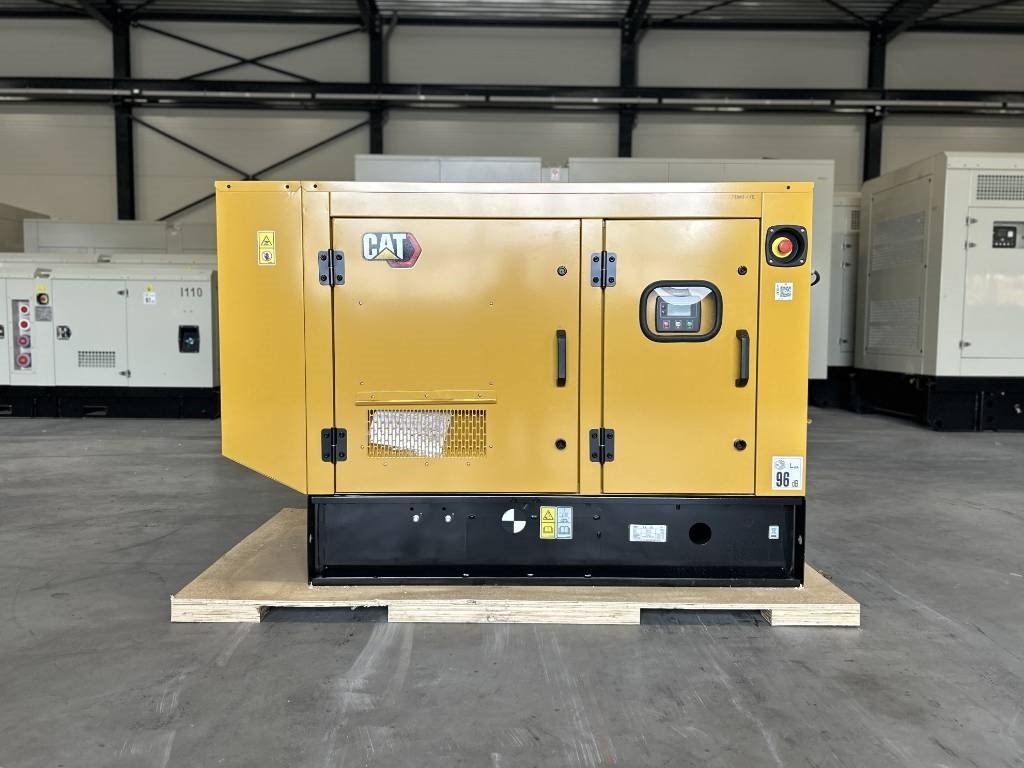
Generator installation requirements in South Africa aren’t complicated, but they matter. In South Africa, a generator that powers your home or building through its wiring has to be installed by a registered electrician. It must be connected through a changeover switch that stops it feeding power back into the grid, properly earthed, and signed off with a Certificate of Compliance (CoC). On top of that come practical rules about where it stands, how it breathes, how loud it is and how its fuel is stored.
Want it done for you? Our generator installation service handles everything from sizing to the Certificate of Compliance, with our own team.
If you only ever run a few appliances from the generator with extension leads, none of the wiring rules apply. The moment it connects to your distribution board, they all do. Here’s what each requirement means in practice, and why it’s there.
The checklist
| Requirement | Why it matters |
|---|---|
| Registered electrician does the wiring | It’s the law for fixed electrical installations, and it protects you |
| Changeover switch (manual or automatic) | Stops the generator back-feeding into the street supply |
| Correct earthing | Protects people from electric shock if a fault occurs |
| Correctly sized cable and protection | Prevents overheating, fires and nuisance tripping |
| Certificate of Compliance | Proves the work meets the wiring code; insurers and buyers ask for it |
| Outdoor spot with airflow and access | Keeps exhaust fumes away from people and lets the engine cool |
| Noise and fuel storage within local rules | Keeps you on the right side of your municipality and neighbours |
The rules that apply
SANS 10142-1, the wiring code. This is the national standard for low-voltage electrical installations, and it covers how an alternative supply like a generator must be connected. The key principle is that the generator and the grid must never be able to connect to your wiring at the same time.
The Electrical Installation Regulations. Work on a fixed electrical installation must be done or supervised by a registered electrical contractor, who then issues a Certificate of Compliance. Adding a generator and changeover switch to your board counts as that kind of work.
Your municipality. By-laws differ from city to city. They can cover noise, fuel storage and, for larger commercial sets, building or zoning approval. Some municipalities also like to be told about standby generators. A good electrician knows the local rules; if in doubt, ask your municipality before you install.
The changeover switch: the part that keeps people alive
When the grid goes down, technicians work on lines they believe are dead. A generator connected without a proper changeover can push power back up those lines, and that can kill someone. It can also destroy your generator the moment grid power returns. The changeover switch makes it physically impossible for both supplies to feed your house at once.
A manual changeover switch is the affordable option: when the power goes, someone starts the generator and moves the switch across. An automatic transfer switch (ATS) senses the outage, starts the generator and switches over within seconds, then switches back and shuts the generator down when the grid returns. It’s the better choice if nobody is reliably home, or if security systems, medical equipment or a business depend on the power.
One shortcut we see far too often: a lead with a plug on both ends, used to push generator power into a wall socket. It’s illegal, it bypasses every safety device in the house, and the exposed pins are live. Never do it, and never let anyone do it for you.
Earthing, cables and protection
The generator must be earthed so that a fault trips the protection instead of making the frame or your appliances live. The cable from the generator to the changeover switch must be sized for the generator’s full current and the distance it runs; an undersized cable heats up, loses voltage and can start a fire. Your electrician also fits the right circuit breaker at the generator end and makes sure your earth leakage protection still works when the house runs on generator power. These are exactly the details a CoC inspection checks.
How to connect a generator to your house in South Africa, step by step
This is the order a proper installation follows. Knowing it helps you ask the right questions, whoever does the work.

- 1. Size the generator first. Decide what you want running during an outage and size the generator for that. Our generator sizing guide and how many kVA to run a house help you work it out.
- 2. Decide whole house or essential circuits. Smaller generators usually power only the essentials. Your electrician can split your distribution board so lights, plugs, fridges and the gate run on the generator while the geyser and stove stay off it.
- 3. Choose a manual changeover switch or an automatic transfer switch. Manual is cheaper. An ATS starts the generator and switches over by itself, which matters if nobody is always home.
- 4. Choose the spot and prepare the base. Outside, on level paving or a concrete plinth, away from windows and doors, with room to service it.
- 5. The electrician installs the switch and cable. The changeover switch goes in at or next to your distribution board, a correctly sized cable runs from the generator, and the generator is earthed.
- 6. Test it under load. The generator is started, the house is switched over and run on generator power, and the earth leakage protection is tested while on generator supply.
- 7. Get the Certificate of Compliance. The registered electrician issues a CoC for the work. Keep it with your house papers, because your insurer or a future buyer may ask for it.
Skipping any of these steps is how most of the problems we get called out to begin. Step 6 in particular gets rushed: a generator that has never been tested under real load is a generator you are hoping will work.
Where to put the generator
Outside, on a firm and level base. Smaller home units can stand on paving; bigger sets need a concrete plinth. Keep it away from windows, doors and air vents so exhaust fumes can’t drift indoors, and never run it in a closed garage or an enclosed space. Diesel exhaust contains carbon monoxide, which you can’t see or smell.
Leave space all round for cooling air and for the technician who services it; the manufacturer’s manual gives the minimum clearances for your model. Point the exhaust away from people and neighbours. Keep it clear of low spots that flood in a storm. And because generators are a target for theft, plan how you’ll secure it, for example with a lockable cage or anchor bolts.
Large commercial generators are sometimes installed indoors in a plant room. That’s a different project altogether, with engineered ventilation, exhaust extraction and fire protection, and it needs proper design from the start.
Noise
Municipal noise by-laws apply to generators, and estates and complexes often have their own rules. Choose a canopied generator and check its noise figure at 7 metres: most home units sit around 65 to 70dB(A), while our 12kVA Stephill runs at 59dB(A). Placement helps as much as the machine does. A wall or building between the generator and your neighbour’s bedroom makes a real difference.
Fuel storage
Diesel is much safer to store than petrol, which is one reason diesel generators suit standby use. Keep spare fuel in proper fuel containers, in a ventilated place away from the house and any flame. Bigger installations with separate tanks need a bund, a walled area that holds any leak, and depending on the volume and your municipality, approval from the local fire department. Plan this before you buy a large tank, not after.
What drives the installation cost
No two installations cost the same, because the price depends on your property. The main factors are the size of the generator, how far it stands from your distribution board (longer runs need more and thicker cable), whether you choose a manual switch or an ATS, whether your board needs changes to separate essential circuits, and whether you need a concrete plinth or a security cage. We quote installation as a separate line so you can see exactly what you’re paying for.
Mistakes that cause trouble later
Installing without a CoC. It may work fine for years, but if there’s ever a fire or an electrical claim, a non-compliant installation can give your insurer grounds to reject it. You’ll also need a valid CoC when you sell the property.
Putting it too close to the house. Fumes find their way in through windows and vents. Distance and exhaust direction matter.
Boxing it in. A generator packed into a tight space overheats and is a nightmare to service. Give it room.
Buying the wrong size. Installation can’t fix a generator that’s too small for the load. Size it first: our generator sizing guide and what a 10kVA can run help you work it out.
Forgetting maintenance. A perfectly installed generator still needs servicing. See our diesel generator maintenance guide.
What happens on installation day
For a typical home generator, once the base is ready, the work is usually finished in a day. Bigger commercial sets, long cable runs and ATS panels can take longer, and we tell you upfront if yours will. On the day, our team will:
- Offload the generator and set it in place on the plinth or paving
- Fit the changeover switch or ATS and run the cable to your distribution board
- Earth the generator and fit the protection at the generator end
- Fill it, start it and run the house on generator power to test it
- Show you how to start it, switch over and check the oil and diesel
- Issue the Certificate of Compliance
Our installation guide goes through the day in more detail, and our generator installation service explains what we include.
Living in an estate or complex?
Most estates, complexes and sectional title schemes have rules about generators: where they can stand, how loud they can be, what they look like and sometimes what times they may run. Get written approval from your body corporate or home owners’ association before you buy, not after. They will usually want to know the generator’s size, its noise level at 7 metres and where you plan to put it. Our generator noise laws guide covers what to expect.
How we handle installation
When you buy a generator from us, we can take care of the whole job: a site assessment, the changeover switch or ATS, cabling, earthing, a plinth if needed, commissioning and a load test, all signed off with a Certificate of Compliance. Our installation guide shows what happens on the day. If you’re still choosing a generator, start with our guide to the best backup generator for your home, browse all our generators, or ask for a quote that includes installation.
For more on noise rules, by-laws and estates, see generator noise laws in South Africa.
Installing in Gauteng? See generators for sale in Johannesburg for how we size and install on the Highveld.
Installing in Tshwane? See generators for sale in Pretoria for how we size and install there.
Questions people ask
Do I need a registered electrician to install a generator?
Yes, if it connects to your house or building wiring. Running appliances from the generator with extension leads doesn’t need one.
Is a Certificate of Compliance required for a generator?
Yes. Connecting a generator and changeover switch to your distribution board is electrical installation work, and it must be certified.
Can I connect a generator straight to my distribution board?
Only through a changeover switch or ATS. A direct connection without one can back-feed the grid, which is dangerous and illegal.
Can a generator be installed indoors?
Home generators, no; keep them outside. Large commercial sets can go in a purpose-designed plant room with engineered ventilation and exhaust.
How much space does a generator need around it?
Enough for cooling air and for a technician to open the doors and work. The manufacturer’s manual gives the exact clearances for each model.
How long does a generator installation take?
Most home installations are done in a day once the base is ready. Larger commercial generators with long cable runs or an ATS panel can take longer.
Does my house need a new Certificate of Compliance after a generator is installed?
The generator installation is new electrical work, so the electrician must issue a CoC for it. Keep it together with the CoC for the rest of the house.
Do I need permission from the municipality to install a generator?
For a normal home generator, usually not, but the generator still has to meet local noise and fuel storage by-laws. Large commercial sets and big fuel tanks may need approval, and estates and complexes need body corporate or HOA approval.