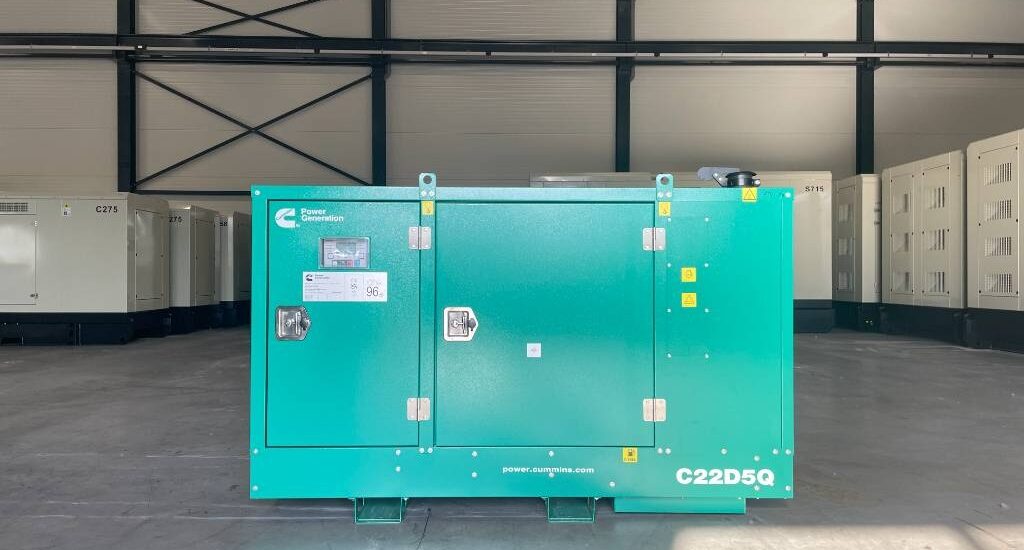
Diesel Generator Maintenance Guide: How to Extend Generator Life
We still have power outages in South Africa. This means that people need a backup power system. Homes and businesses and farms and factories all need to have one. Like any diesel-powered machine, a generator needs regular attention to perform when you need it most. Proper diesel generator maintenance not only reduces the risk of unexpected failures but also extends engine life, improves fuel efficiency and lowers long-term operating costs.
This guide will tell you what you need to do to take care of your diesel generator. It will say how you need to do these things. It will also tell you what mistakes to avoid. The advice in this guide is based on what happens when people use diesel generators, in South Africa.
If you’re planning to invest in backup power or replace an ageing unit, explore our diesel generators for sale to compare reliable solutions for homes, businesses, farms and industrial applications. For many South African homes and small businesses, our 10kVA diesel generators provide dependable backup power while remaining straightforward to service and maintain. Choosing the right generator from the outset makes ongoing maintenance easier and helps maximise long-term performance.
Why Diesel Generator Maintenance Matters
Purchasing a quality generator is only the first step. Long-term reliability depends on consistent diesel generator maintenance carried out according to the manufacturer’s recommendations and the generator’s operating conditions.
A neglected generator may still start during routine testing, but hidden problems such as contaminated fuel, worn belts, blocked air filters or low coolant levels can quickly develop into expensive repairs during an extended power outage.
Regular servicing helps you:
- Extend engine lifespan
- Reduce breakdowns
- Improve fuel economy
- Lower repair costs
- Maintain warranty requirements
- Ensure dependable backup power during load shedding
- Protect sensitive electrical equipment
For a lot of businesses in South Africa diesel generator maintenance is worth it because it can prevent them from being closed for even one day. This can save them a lot of money. Diesel generator maintenance is important, for all businesses that use diesel generators. Regular diesel generator maintenance is necessary to keep your diesel generator working.
Understanding Generator Service Intervals
One question customers regularly ask is how often maintenance should be carried out.
The answer depends on several factors:
- Total operating hours
- Generator size
- Environmental conditions
- Engine manufacturer recommendations
- Frequency of load shedding
- Whether the generator operates continuously or only during emergencies
Most manufacturers recommend diesel generator maintenance based on operating hours rather than calendar dates.
Typical Maintenance Schedule
| Service Interval | Maintenance Required |
|---|---|
| Before every use | Visual inspection, oil level, coolant level, fuel level |
| Weekly | Run test, inspect battery, check for leaks |
| Monthly | Inspect filters, belts, hoses and exhaust |
| Every 250 operating hours | Change engine oil and oil filter |
| Every 500 operating hours | Replace fuel filters, inspect cooling system |
| Every 1,000 operating hours | Comprehensive inspection and servicing |
| Annually | Full preventative maintenance inspection |
So you want to keep your generator running. A generator is only as good as how you take care of it. If you have a generator that’s too small for what you need to power it is going to have to work a lot harder. This means it will get hotter use fuel and need to be serviced more often. Before choosing a backup power system, our generator sizing guide explains how selecting the correct generator capacity helps improve efficiency, reliability and long-term maintenance costs.
Always follow the recommendations provided by your specific generator manufacturer, as service intervals can vary between engine brands.
Daily and Pre-Start Generator Checks
Even generators that operate infrequently should be inspected before starting.
These simple checks can help you find problems with your generator before they become issues that cost a lot to fix and that is why daily and pre-start generator checks are so important, for your generator.
Check Engine Oil
Engine oil lubricates moving components and prevents excessive wear.
Before starting:
- Check the dipstick
- Ensure the oil level is within specification
- Look for contamination
- Replace oil at recommended intervals
Ignoring oil changes is one of the quickest ways to shorten engine life, making routine diesel generator maintenance essential.
Inspect Coolant Levels
Diesel engines generate significant heat.
Low coolant levels may result in:
- Engine overheating
- Cylinder head damage
- Reduced efficiency
- Premature engine failure
Never remove the radiator cap while the engine is hot.
Check Fuel Levels
Running out of diesel introduces air into the fuel system, often requiring bleeding before the engine can restart.
Also inspect:
- Water contamination
- Fuel leaks
- Damaged fuel lines
- Fuel tank condition
Poor-quality diesel remains one of the leading causes of injector problems in South Africa.
Look for Leaks
Walk around the generator before every start.
Check underneath for:
- Oil leaks
- Diesel leaks
- Coolant leaks
Small leaks usually indicate worn seals or loose fittings that can be repaired before causing expensive failures.
Inspect the Battery
Many backup generators fail to start because of neglected batteries rather than engine problems.
Check:
- Battery voltage
- Terminal corrosion
- Loose cables
- Electrolyte level (where applicable)
Battery maintenance forms an important part of any diesel generator maintenance programme.
Engine Oil and Filter Changes
Oil is the lifeblood of any diesel engine.
As oil ages, it loses its ability to lubricate and carry contaminants away from moving components.
Replacing engine oil on schedule helps:
- Reduce wear
- Improve cooling
- Maintain fuel efficiency
- Protect bearings
- Extend engine life
Always remember to replace the oil filter when you change the engine oil of the diesel engine.
This is because the oil filter and engine oil work together.
Using low-quality oil filters can reduce oil flow. Compromise the protection of the diesel engine.
Air Filter Maintenance
A diesel engine requires a constant supply of clean air.
Dust, pollen and debris gradually clog the air filter, forcing the engine to work harder.
This can lead to:
- Increased fuel consumption
- Black exhaust smoke
- Reduced power output
- Turbocharger wear (where fitted)
In South Africa the air filter needs to be checked often especially on farms and mines and construction sites.
The diesel engines air filter needs to be checked in South African conditions.
You should never try to clean the paper air filter with air because this can hurt the filter.
You should just replace the air filter when the manufacturer says to replace the air filter.
Fuel System Maintenance
The quality of the fuel is really important for the engine to work properly.
The Fuel System Maintenance is very important because the fuel can go bad if it is stored for a time.
Diesel fuel can go bad during storage periods especially if the generator is only used when the power is out or, in an emergency.
A complete diesel generator maintenance schedule should include regular fuel system inspections.
Replace Fuel Filters
Fuel filters remove contaminants before diesel reaches the injectors.
Blocked filters may cause:
- Hard starting
- Loss of power
- Poor fuel economy
- Engine stalling
Replacing filters at recommended intervals is inexpensive compared to repairing damaged injectors.
Prevent Water Contamination
Water enters diesel tanks through condensation or contaminated fuel supplies.
Water in diesel can lead to:
- Corrosion
- Injector damage
- Bacterial growth
- Fuel system blockages
Drain water separators regularly where fitted.
Monitor Fuel Storage
Businesses storing diesel for several months should regularly inspect storage tanks.
Consider:
- Fuel polishing for long-term storage
- Keeping tanks as full as possible to reduce condensation
- Using approved diesel stabilisers where appropriate
Reliable fuel management is just as important as mechanical servicing.
Cooling System Maintenance
An overheating generator can quickly suffer severe engine damage.
Routine diesel generator maintenance should always include cooling system inspections.
Check:
- Coolant concentration
- Radiator cleanliness
- Hose condition
- Water pump operation
- Cooling fan belts
External radiator fins should remain free from dust, grass, insects and debris to maintain efficient airflow.
Good ventilation is just as important as a cooling system for your generator. Your generator can get too hot if it is put in a space with not enough air moving around it or if the air going out is blocked. Before installing a new generator or relocating an existing unit, read our generator installation requirements in South Africa to understand the key ventilation, clearance and compliance requirements that help ensure safe and reliable operation.
Exercise Your Generator Regularly
One of the biggest misconceptions is that generators can simply sit unused until the next power outage.
In reality, engines benefit from regular operation.
A monthly exercise run helps:
- Lubricate engine components
- Recharge the battery
- Prevent seals from drying out
- Circulate coolant
- Detect developing faults early
Regular generator testing is really important in areas that have a lot of electricity interruptions. If you know what is going on with the electricity supply then you can plan your backup power needs. Customers can monitor Eskom load shedding updates and electricity supply information when preparing their backup power strategy.
Ideally, run the generator under load for around 20–30 minutes rather than allowing it to idle for extended periods. Operating under a realistic electrical load helps the engine reach its normal working temperature and reduces the risk of carbon build-up in the exhaust system.
Electrical System Maintenance and Generator Reliability
Mechanical servicing is only one part of keeping a generator dependable. The electrical system, control panel, safety devices and automatic transfer equipment also require regular inspection.
A generator can have a perfectly maintained engine and still fail to provide power if electrical components are neglected.
Regular diesel generator maintenance should include checking:
- Control panel operation
- Warning alarms
- Emergency stop functions
- Circuit breakers
- Wiring connections
- Voltage and frequency readings
- Automatic transfer switch operation
Loose electrical connections can create heat, damage components and potentially cause unexpected shutdowns.
Automatic Transfer Switch (ATS) Maintenance
Many residential and commercial standby generators use an Automatic Transfer Switch (ATS) to change between municipal power and generator power automatically.
The ATS is often overlooked because it does not contain a visible engine or moving mechanical parts, but it plays a critical role during a power outage.
Regular ATS inspections should include:
- Checking connection points
- Testing automatic operation
- Inspecting internal components
- Confirming correct transfer timing
- Ensuring the generator starts correctly when utility power fails
If the generator starts but does not give you power it is usually because of a problem, with the Automatic Transfer Switch or the electrical system.
It is an idea to have a professional check the Automatic Transfer Switch and the rest of the system to make sure everything is working safely especially if it is a permanent installation.
Load Testing: Why Running Without Load Is Not Enough
One common mistake is allowing a generator to run for a few minutes without any electrical load and assuming it is ready for an outage.
Diesel engines are designed to operate under load.
Regular load testing helps:
- Confirm the generator can handle demand
- Identify performance issues early
- Prevent carbon build-up
- Verify voltage stability
- Ensure cooling systems operate correctly
If you own a business, like a restaurant or an office or a farm or a workshop that needs power to keep running you should think about doing a load test on a regular basis to help prevent problems with your generator.
Generator Maintenance Checklist
A simple maintenance checklist helps prevent small issues from becoming expensive failures.
Daily or Before Operation
✓ Check engine oil level
✓ Check coolant level
✓ Inspect for leaks
✓ Check fuel level
✓ Inspect battery condition
✓ Look for unusual noises or vibrations
Monthly
✓ Run generator under load
✓ Check battery charging system
✓ Inspect belts and hoses
✓ Check exhaust system
✓ Inspect air intake area
✓ Record operating hours
Every Service Interval
✓ Change engine oil
✓ Replace oil filter
✓ Replace fuel filters when required
✓ Inspect cooling system
✓ Test electrical output
✓ Review fault codes
Keeping maintenance records is especially valuable for commercial and industrial users because it provides a history of servicing, repairs and operating conditions.
Expert Advice: Protecting Your Generator Investment
One of the most common mistakes we see customers make is treating a backup generator like emergency equipment that requires attention only when the power goes out.
A generator is still an engine-driven machine with fuel systems, electrical components and wear parts that require preventative care.
A customer who services their generator regularly will usually spend less over the life of the machine compared with someone who only calls for repairs after a failure.
Another important factor is operating conditions. A generator installed on a coastal property, dusty farm environment or construction site may require more frequent inspections than one installed in a clean indoor commercial environment.
Taking care of your generator is not about replacing parts all the time. It is, about finding problems and making sure your generator is working the way it should. You want to keep your generator running the way the manufacturer says it should.
This way you can get the most out of your generator investment.
Common Diesel Generator Maintenance Mistakes
1. Only Testing the Generator During Power Outages
A generator that has been sitting unused for months may fail when it is needed most.
How to avoid it:
Run regular test cycles and monitor performance.
2. Ignoring Fuel Quality
Diesel stored for long periods can develop contamination, especially when moisture enters the fuel system.
How to avoid it:
- Purchase fuel from reputable suppliers
- Inspect stored diesel regularly
- Drain water separators
- Avoid leaving fuel tanks nearly empty for long periods
3. Using Incorrect Replacement Parts
Cheap filters and incorrect oils may appear to save money but can reduce engine protection.
How to avoid it:
Use parts and lubricants that meet the generator manufacturer’s specifications.
4. Overloading the Generator
A generator that constantly operates above its rated capacity experiences excessive heat and mechanical stress.
How to avoid it:
Complete a proper load assessment before connecting equipment.
If you are unsure what generator size you require, a professional generator sizing guide can help determine the correct capacity for your home or business.
5. Poor Installation Environment
A generator installed without enough ventilation may suffer overheating, reduced performance and premature component failure.
How to avoid it:
Ensure proper airflow, exhaust routing and safe installation clearances.
Permanent generator installations should always be completed according to applicable electrical safety requirements and installation standards. Following recognised guidelines helps ensure the generator operates safely and reliably throughout its service life. More information on relevant standards and compliance guidance is available through the South African Bureau of Standards electrical standards.
Buying Advice: Choose a Generator That Is Easier to Maintain
Maintenance begins before the generator is even installed.
Choosing the correct generator size, engine brand and installation setup can significantly affect ownership costs.
Before purchasing, consider:
Generator Capacity
Avoid selecting a generator based only on the largest appliance you want to run.
A proper assessment should consider:
- Starting loads
- Running loads
- Future expansion
- Single-phase or three-phase requirements
Engine Quality and Parts Availability
A reliable generator is only useful if servicing and replacement parts are easily available.
Established engine brands generally offer better long-term support.
Intended Application
A home backup generator may have different requirements compared with:
- A farm generator
- A retail business generator
- A construction site generator
- An industrial standby system
For example, a small business experiencing daily load shedding may require a different maintenance approach compared with a homeowner using a generator occasionally.
Frequently Asked Questions About Diesel Generator Maintenance
1. How often should a diesel generator be serviced?
You should service a diesel generator regularly. This is not just about how long it has been since you got it but about how many hours it has been running. Most diesel generators need to be serviced after they have been running for a number of hours. This can be anywhere, from 250 to 500 hours depending on the kind of engine it has and what it is used for.
When it comes to diesel generator maintenance the operating hours are what matter. So you need to keep track of how hours your diesel generator has been running to know when it needs to be serviced.
2. How often should I run my standby generator?
A standby generator should generally be tested regularly, often monthly, to confirm starting ability and operating condition.
3. Can a diesel generator sit unused for months?
Yes it can,. You should still check on it and test it every now and then. If a diesel generator sits unused for a time it can cause problems with the batteries, the fuel systems and the seals, on the diesel generator.
4. What causes a diesel generator not to start?
Common causes include:
- Flat battery
- Fuel problems
- Blocked filters
- Low coolant
- Control panel faults
- Electrical issues
5. How long does a diesel generator normally last?
A good diesel generator can last for a long time if you take care of it. You need to service it and use it correctly. A diesel generator that is well made can give you years of service that you can count on. The life of a diesel generator really depends on how hours it is used how much load it has to handle and how well it is maintained. A diesel generator will last longer if you do these things right.
6. Does load shedding affect generator maintenance?
Yes. Frequent outages can increase operating hours, meaning generators may require servicing sooner than systems used only occasionally.
7. Should I service my generator before an outage season?
Yes. Preventative servicing before periods of increased use helps identify problems before the generator is required.
8. Why is my generator using more diesel than before?
Increased fuel consumption may be caused by:
- Dirty filters
- Incorrect loading
- Injector problems
- Poor maintenance
- Engine wear
9. Do generators need maintenance even if they are rarely used?
Yes. Batteries, fuel systems and electrical components can deteriorate even when the generator is not operating.
10. Can I perform generator maintenance myself?
Basic checks such as oil level, fuel level and visual inspections can often be completed by owners. Major servicing should be handled by qualified technicians.
Conclusion
A diesel generator is a long-term investment designed to provide reliable electricity when the grid supply fails. However, reliability depends on more than simply owning quality equipment.
Regular inspections, correct servicing intervals, fuel management and proper installation all contribute to longer generator life and fewer unexpected failures.
A well-maintained generator will operate more efficiently, protect your equipment and provide confidence when backup power is needed most.
If you are planning a new backup power installation or replacing an existing unit, Power Stay Solutions can help you select a generator that matches your requirements and operating conditions.
Whether you need a generator for your home, business, farm or industrial application, our team can assist with selecting the correct solution based on your power requirements, operating conditions and future needs. Request a quotation to discuss your backup power requirements with Power Stay Solutions.